
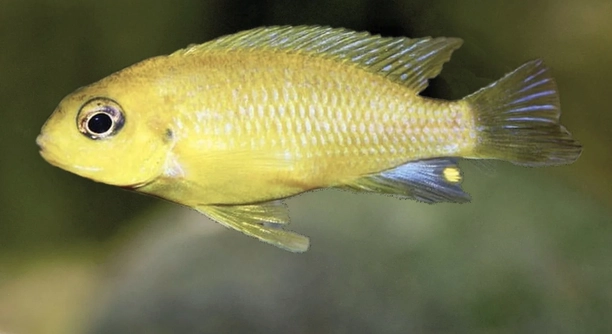
Are your electric yellow cichlids showing signs of stress or unusual behavior in your aquarium? Keeping them healthy requires careful attention to the water they live in, as small changes can have big effects on their wellbeing.
Electric yellow cichlid health is influenced by seven key water parameters: pH, temperature, hardness, ammonia, nitrite, nitrate, and oxygen levels. Maintaining these factors within optimal ranges supports growth, reduces stress, prevents disease, and ensures long-term survival and vitality in captivity.
Monitoring these conditions regularly can prevent common health issues and improve your cichlids’ overall quality of life in your aquarium.
pH Levels
The pH level of your tank water is one of the most important factors for electric yellow cichlids. They thrive in slightly alkaline water, generally between 7.8 and 8.6. Water that is too acidic or too alkaline can stress your fish, affecting their immune system and appetite. Maintaining stable pH is crucial, as sudden swings can be harmful. Using pH testing kits regularly helps track changes. Adding crushed coral or limestone can naturally raise and buffer pH, while water conditioners can stabilize it. Avoid drastic chemical adjustments, as cichlids are sensitive to quick shifts. A steady pH also supports beneficial bacteria in the tank, which helps break down waste and reduces toxins. Regular partial water changes help maintain both water quality and pH stability. Observing your cichlids’ behavior, such as reduced activity or color dulling, can indicate pH issues that need addressing promptly.
Monitoring pH weekly ensures your fish remain healthy and stress-free in their environment.
Stable pH levels encourage proper growth, vibrant coloration, and consistent feeding habits. Fish kept in well-regulated conditions are less prone to disease, maintain strong immune systems, and live longer. Even minor fluctuations can disrupt breeding behaviors and cause aggression in territorial cichlids. Ensuring consistent pH helps create a balanced tank ecosystem, supporting both your fish and plants. Over time, maintaining the right pH reduces the risk of long-term health problems like fin rot or scale damage. Simple measures like using natural buffering materials and performing regular water tests make a noticeable difference. Observing trends rather than reacting to sudden changes is the key to stability. Consistent care will allow electric yellow cichlids to thrive, display their characteristic bright colors, and interact actively with their environment. Stable pH is a foundation for overall tank health, influencing everything from feeding behavior to breeding success.
Temperature
Electric yellow cichlids prefer water temperatures between 74°F and 82°F. Keeping the tank within this range supports metabolism, activity levels, and immune function.
Sudden temperature changes can stress the fish and lead to illness, so using a reliable heater and thermometer is essential.
Maintaining a consistent temperature ensures your cichlids remain active and vibrant. Fluctuations can cause lethargy, loss of appetite, and increased susceptibility to infections. Heaters with thermostats help regulate the environment efficiently. Avoid placing the tank near windows, vents, or direct sunlight, which can cause spikes or drops. For larger tanks, multiple heaters may be necessary to keep temperature uniform throughout. Observing your fish during seasonal changes is also important, as room temperature can influence water stability. Maintaining this range not only protects their health but also encourages breeding and natural behaviors. Stable water temperature combined with other well-maintained parameters creates a comfortable and safe habitat. This consistency helps cichlids feel secure, reducing aggression and promoting social interactions. Regular monitoring allows you to catch problems early, ensuring long-term wellbeing.
Hardness
Water hardness plays a significant role in electric yellow cichlid health. They prefer moderately hard water, typically between 10 and 20 dGH. Soft water can stress them, while extremely hard water may affect growth and reproduction.
Hardness impacts more than just comfort. It influences pH stability and the availability of essential minerals like calcium and magnesium. These minerals are critical for strong bones, proper scale development, and overall vitality. Hardness also affects the buffering capacity of the water, helping prevent sudden pH swings. Regular testing ensures the water remains in the optimal range, and adding mineral supplements or crushed coral can help adjust hardness naturally. Observing your fish can reveal signs of improper hardness, such as sluggish behavior or dull coloration, signaling adjustments may be necessary.
Balancing hardness ensures healthy development, promotes vibrant coloration, and supports strong immune systems. Fish in appropriately hard water show better activity levels, eat consistently, and display natural behaviors, including breeding.
Ammonia
Ammonia is highly toxic to electric yellow cichlids and must be monitored closely. Even small amounts can damage gills, stress fish, and lead to illness.
Ammonia primarily comes from fish waste, uneaten food, and decaying plant matter. In a newly established tank, levels can spike before beneficial bacteria develop. Testing water frequently is essential, especially during early setup. Regular partial water changes help keep ammonia near zero. Using a well-cycled filter supports bacterial colonies that convert ammonia into less harmful substances. Signs of ammonia stress include gasping at the surface, red or inflamed gills, and erratic swimming. Treating the water promptly with ammonia-neutralizing products can prevent long-term harm.
Maintaining zero ammonia is critical for survival and comfort. Consistent monitoring, proper filtration, and careful feeding prevent dangerous buildups. Fish kept in clean, ammonia-free water grow faster, remain energetic, and resist common infections. Stable ammonia levels reduce stress and support reproductive behavior, ensuring electric yellow cichlids remain healthy and active in the tank.
Nitrite
Nitrite is harmful to electric yellow cichlids and can build up in new or unbalanced tanks. High nitrite levels interfere with oxygen transport in the blood, causing stress and potential fatalities.
Regular testing and maintaining a fully cycled tank keep nitrite near zero. Partial water changes and a healthy bacterial colony prevent dangerous spikes, supporting fish health and normal activity.
Nitrate
Nitrate is less toxic than ammonia or nitrite but can still affect cichlids at high levels. Accumulation occurs from fish waste, decaying food, and plant matter.
Keeping nitrate below 40 ppm is ideal. Regular water changes, proper filtration, and careful feeding reduce buildup. Elevated nitrate can weaken the immune system, promote algae growth, and cause stress or lethargy in fish. Observing behavior and maintaining cleanliness help ensure nitrate levels remain safe and the tank environment stays stable and healthy.
Oxygen
Adequate oxygen is essential for electric yellow cichlid survival. Poor oxygenation leads to lethargy, gasping, and stress.
Aeration through filters, air stones, and water movement maintains proper oxygen levels, ensuring your fish stay active and healthy.
What is the ideal pH for electric yellow cichlids?
Electric yellow cichlids thrive in slightly alkaline water. The ideal pH range is between 7.8 and 8.6. Keeping the pH stable within this range supports healthy metabolism, vibrant colors, and normal behavior. Sudden shifts in pH can stress your fish, so monitoring weekly is important.
How often should I test water hardness?
Testing hardness once every two weeks is usually sufficient if the tank is stable. Hardness affects mineral availability, which is important for strong bones and scales. If you notice unusual behavior or dull coloration, check hardness immediately and adjust using crushed coral or mineral supplements.
How can I reduce ammonia levels quickly?
Ammonia should always be near zero for electric yellow cichlids. If levels spike, performing a partial water change is the fastest way to reduce it. Using ammonia-neutralizing products can help temporarily, but long-term control relies on proper filtration, careful feeding, and a fully cycled tank.
What are safe nitrate levels for electric yellow cichlids?
Nitrate is less toxic than ammonia or nitrite but should remain below 40 ppm. High nitrate can stress fish, weaken the immune system, and encourage algae growth. Regular water changes, avoiding overfeeding, and maintaining a clean substrate help keep nitrate under control.
How do I know if nitrite is a problem?
Nitrite interferes with oxygen transport in fish blood. Signs of elevated nitrite include gasping at the surface, rapid gill movement, and lethargy. Testing the water is crucial, especially in new tanks. A fully cycled tank with beneficial bacteria will keep nitrite levels near zero.
What temperature range is best for electric yellow cichlids?
Maintaining 74°F to 82°F is optimal. Stable temperatures support metabolism, immune function, and activity. Sudden changes can stress the fish, leading to illness. A reliable heater and thermometer, along with avoiding drafts or direct sunlight, help keep the temperature consistent.
How important is oxygenation in the tank?
Oxygen is essential for survival and activity. Poorly oxygenated water causes lethargy, gasping, and stress. Using filters, air stones, and ensuring good water circulation keeps oxygen levels sufficient. Observing fish behavior can help detect low oxygen before it becomes dangerous.
Can I adjust water parameters without harming the fish?
Gradual adjustments are key. Sudden changes in pH, hardness, or temperature can stress electric yellow cichlids. Make small, incremental changes over several hours or days. Testing frequently during adjustments ensures levels stay within safe ranges and prevents shock or illness.
How do I maintain stable pH over time?
Use natural buffering agents like crushed coral or limestone to help stabilize pH. Regular partial water changes prevent sudden swings. Avoid chemicals that rapidly alter pH. Observing your fish and testing weekly helps you catch changes early and keep the environment consistent.
What should I do if I see stress signs in my cichlids?
Signs include dull coloration, hiding, rapid gill movement, and reduced appetite. First, test all water parameters, including pH, hardness, ammonia, nitrite, nitrate, temperature, and oxygen. Correct any issues gradually. Ensuring proper diet, tank maintenance, and stable conditions supports recovery and prevents long-term health problems.
How does water hardness affect reproduction?
Electric yellow cichlids reproduce best in moderately hard water. Proper mineral levels support egg development and fry growth. Too soft or too hard water can reduce fertility and affect fry survival. Maintaining consistent hardness encourages breeding and ensures healthy offspring.
Can minor water changes really make a difference?
Yes. Even small, regular water changes remove waste, prevent toxin buildup, and help stabilize pH, hardness, and nitrate levels. Consistency is more important than the size of each change. Well-maintained water keeps electric yellow cichlids healthy, active, and vibrant.
How can I prevent algae while maintaining water quality?
Algae growth often comes from excess nutrients like nitrate or phosphate. Regular water changes, avoiding overfeeding, and proper filtration reduce these nutrients. Maintaining stable water parameters ensures algae remain minimal while keeping your fish healthy and active.
What is the best way to cycle a new tank?
Cycling establishes beneficial bacteria that convert ammonia to nitrite and then nitrate. Adding a small number of hardy fish or using bottled bacteria starter cultures speeds up the process. Testing ammonia, nitrite, and nitrate levels regularly ensures the tank is safe for electric yellow cichlids.
How often should I perform water testing?
Weekly testing of pH, hardness, ammonia, nitrite, nitrate, temperature, and oxygen is ideal for established tanks. Newly set up tanks require more frequent checks, sometimes daily, to ensure stability. Consistent monitoring prevents sudden issues and supports long-term health.
What are common signs of poor water quality?
Symptoms include gasping at the surface, clamped fins, dull colors, hiding, lethargy, or reduced appetite. Observing behavior along with testing water parameters helps identify the cause. Prompt action prevents stress-related illness and ensures electric yellow cichlids remain healthy and active.
How can I maintain all seven water parameters efficiently?
Use a combination of reliable testing, regular partial water changes, proper filtration, and stable environmental conditions. Adjust pH and hardness gradually, monitor temperature and oxygen, and control ammonia, nitrite, and nitrate levels. Consistency is key to keeping electric yellow cichlids vibrant and healthy.
This FAQ covers common concerns, practical solutions, and ongoing care strategies to ensure electric yellow cichlids thrive in a home aquarium. Regular attention to water quality and observing your fish helps prevent problems before they arise, creating a stable, healthy environment.
Word count: 507
Final Thoughts
Keeping electric yellow cichlids healthy comes down to understanding how each water parameter influences their daily life. When these conditions remain stable, your fish stay active, colorful, and comfortable. Stability matters more than perfection, and simple routines make a meaningful difference. Regular testing, small water changes, and gentle adjustments help prevent most issues before they grow into bigger problems. Paying attention to their behavior also gives you quiet hints when something in the tank needs attention. Over time, these habits create a calm and dependable environment, allowing your cichlids to show their natural beauty and personality without unnecessary stress. Caring for them becomes easier when you work with consistency rather than rushing to fix sudden changes.
Each parameter plays a different role, but they all connect to form a balanced tank. pH and hardness influence mineral stability, temperature affects energy and immune strength, and oxygen keeps everything functioning smoothly. Ammonia, nitrite, and nitrate show how well the tank handles waste, and staying on top of them protects your fish from harm. These seven factors may seem like a lot at first, but once you understand how they interact, maintaining them becomes much simpler. A well-kept tank does not require complicated products or constant adjustments, just steady care and awareness. As you follow these guidelines, you will notice smoother feeding habits, brighter colors, calmer behavior, and more natural interactions among your fish. These improvements show that your hard work is paying off.
Taking the time to maintain their environment not only supports health but also brings out the best in electric yellow cichlids. When the water remains clean, stable, and well balanced, they thrive in ways that make the tank more enjoyable to watch each day. Their comfort reflects the effort you put into their care, and small habits make long lasting improvements. A steady routine takes the pressure off both you and your fish, creating a peaceful setting where they can move, explore, and grow without added stress. As you continue caring for them, these practices become second nature, guiding you toward a stable and reliable aquarium. With the right balance, your electric yellow cichlids can live long, healthy lives, giving you many moments of calm and enjoyment.

Hello,
If you enjoy the content that we create, please consider saying a "Thank You!" by leaving a tip.
Every little bit helps us continue crafting quality advice that supports the health, happiness, and well-being of pets around the world, for pets of all shapes, sizes, and species.
We really appreciate the kindness and support that you show us!