
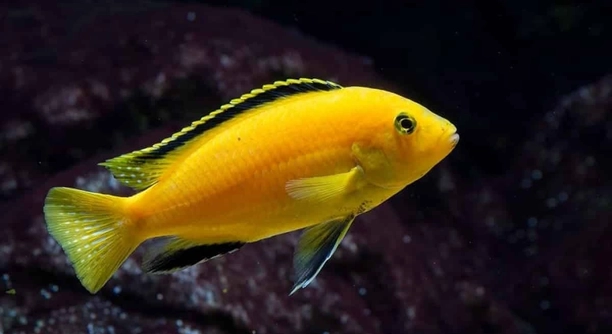
Electric yellow cichlids are vibrant and lively fish, but their bright personalities can sometimes lead to aggression in community tanks. Managing these behaviors is essential for a balanced aquarium where every fish can thrive.
Handling bullying in electric yellow cichlid tanks requires careful monitoring of tank dynamics, providing sufficient hiding spaces, and adjusting population density. Separating aggressive individuals or rearranging tank decorations can reduce territorial disputes and promote a more harmonious environment.
Maintaining a peaceful tank takes observation and thoughtful adjustments, ensuring that each fish enjoys a stable and stress-free habitat.
Understanding Aggression in Electric Yellow Cichlids
Electric yellow cichlids are naturally territorial, and aggression can appear quickly in a confined tank. Males often establish dominance, chasing or nipping at other fish, especially during feeding or breeding periods. Recognizing early signs, like flared fins or repeated chasing, helps prevent injuries. Tank size plays a key role; a crowded tank increases stress and competition, making aggression more frequent. Water conditions also affect behavior—poor water quality can heighten irritability. Decorations and hiding spots can reduce tension, giving fish personal space to retreat when needed. Observing their interactions daily allows for timely adjustments, such as redistributing decorations or temporarily isolating aggressive fish. Consistency in feeding and routine maintenance creates a stable environment, lowering stress levels that often trigger bullying. By understanding these behaviors and environmental triggers, tank owners can create a more balanced setup, allowing electric yellow cichlids to display their vibrant colors and natural behaviors without constant conflict.
Aggression is most common among males, but females may also show dominance when space is limited.
Regular monitoring, paired with thoughtful tank management, ensures all fish coexist safely. Adjusting population, territory, and hiding spaces minimizes stress and promotes healthier interactions. Observing subtle behaviors, like chasing patterns and fin displays, informs timely interventions before aggression escalates. Providing balanced diets and consistent routines helps maintain calmness, while rearranging decorations disrupts established territories that encourage bullying. Isolating aggressive fish temporarily allows recovery and prevents injuries. Maintaining proper water quality and temperature supports overall health, reducing irritability and aggressive tendencies. A harmonious tank is achievable when careful observation, environmental adjustments, and mindful population management are combined. These strategies collectively create a space where electric yellow cichlids can thrive individually and socially, showing natural behaviors without constant conflict.
Effective Tank Management Strategies
Proper tank management prevents and reduces bullying in cichlid communities. Spacing, decorations, and hiding spots are essential to maintain balance.
Stocking density is critical; overcrowding leads to competition for territory and resources, intensifying aggression. Each fish needs enough space to swim freely without constant confrontation. Introducing fish gradually allows them to establish territories slowly, while maintaining an even ratio of males to females reduces male-on-male aggression. Rearranging plants, rocks, and other decorations breaks up established territories and gives bullied fish opportunities to retreat. Frequent water testing and regular maintenance prevent stress-induced aggression, as poor water conditions can exacerbate conflicts. Feeding schedules should be consistent to avoid competition-driven fights. Observation is key—identifying which individuals trigger aggression allows for selective isolation. Temporary dividers can give stressed fish a break and restore peace in the tank. Combining proper space, careful population management, environmental adjustments, and attentive monitoring creates a stable, stress-free habitat. These approaches ensure that electric yellow cichlids can display their natural colors and behaviors without constant conflict, keeping the tank peaceful and visually appealing.
Choosing Compatible Tank Mates
Selecting tank mates carefully reduces aggression and stress among electric yellow cichlids. Other African cichlids of similar size and temperament work best, while small or timid fish often become targets for bullying. Avoid overcrowding to keep harmony in the tank.
Introducing compatible fish gradually allows them to establish territories with less conflict. Observing interactions during the first days helps identify any aggressive tendencies before problems escalate. Avoid pairing overly aggressive or slow-moving species that can provoke constant chasing or nipping. Providing multiple hiding spots ensures all fish have safe spaces. Balanced feeding and careful monitoring further support peaceful coexistence, letting each species thrive without dominance issues.
Even with compatible species, personality differences exist. Some fish are naturally more assertive, and monitoring daily interactions is essential. Temporary separation of overly aggressive individuals may be necessary to maintain balance. Tank layout adjustments can minimize direct confrontations. Ensuring each fish has adequate space, visual barriers, and access to food reduces stress and encourages calm behavior. Consistent observation and minor interventions prevent escalation, allowing a diverse group of fish to live together peacefully while maintaining the tank’s vibrant appearance and natural behaviors.
Monitoring and Adjusting Tank Conditions
Water quality, temperature, and filtration strongly influence cichlid behavior and overall tank harmony. Consistent conditions reduce stress and aggression.
Frequent water testing ensures ammonia, nitrite, and nitrate levels remain safe, preventing irritability and health issues. Temperature fluctuations can provoke aggression, so maintaining a stable range suited to African cichlids is essential. Proper filtration keeps water clean, reducing stress-related behavior problems. Regular partial water changes further support stability, while maintaining pH levels within the appropriate range helps prevent sudden disputes. Observing fish behavior alongside these conditions allows timely interventions before bullying escalates.
Adjusting tank conditions also includes managing territory and hiding spaces. Rearranging rocks, caves, and plants disrupts established dominance zones, giving bullied fish retreats. Overcrowding increases aggression, so consider tank size and population carefully. Providing multiple feeding areas prevents competition and reduces chasing during meals. Monitoring lighting and avoiding sudden changes in tank environment help maintain calm behavior. Combined with attentive observation, these adjustments create a stable and peaceful habitat. Maintaining consistent water parameters, ample space, and environmental enrichment ensures electric yellow cichlids coexist comfortably while displaying their natural colors and lively personalities.
Providing Adequate Hiding Spots
Hiding spots reduce stress and prevent bullying in electric yellow cichlid tanks. Rocks, caves, and plants create safe areas for fish to retreat. Multiple hiding places ensure every fish has space to escape aggressive interactions.
Dense decorations and well-placed caves break up lines of sight, minimizing constant chasing. Providing vertical and horizontal spaces accommodates different swimming preferences and helps establish smaller, manageable territories within the tank.
Observing Fish Behavior
Daily observation is essential to detect early signs of aggression. Watch for chasing, nipping, or fin damage. Noting patterns helps determine which fish are dominant and which need protection. Adjustments can then be made to maintain a peaceful environment and reduce stress for all fish.
Temporary Separation Techniques
Separating aggressive individuals temporarily can restore balance. Use a tank divider or separate holding tank for short periods. This prevents injuries and gives stressed fish time to recover.
Feeding Strategies
Spread food across multiple locations to reduce competition and fighting. Consistent feeding schedules maintain calm behavior and ensure all fish receive proper nutrition.
FAQ
How can I tell if my electric yellow cichlids are being bullied?
Signs of bullying include frequent chasing, nipping at fins, and hiding for long periods. Fin damage, torn scales, or stress-related behavior like loss of appetite also indicate aggression. Observing patterns over several days helps determine which fish are dominant and which are being harassed.
What is the best way to separate aggressive fish?
Temporary separation using a tank divider or a small holding tank works well. This allows the aggressive fish to calm down and gives stressed fish a chance to recover. Ensure the separated area has proper filtration, temperature control, and hiding spaces to keep fish comfortable. Separation should be short-term to avoid long-term stress or territorial confusion.
How many hiding spots do I need in my tank?
Providing multiple hiding spots is essential. Rocks, caves, and plants should be arranged so that every fish can retreat without being constantly seen by dominant fish. A variety of vertical and horizontal hiding options helps reduce conflict and gives bullied fish confidence to explore the tank safely.
Can tank size affect bullying?
Yes, overcrowding increases competition and aggression. Electric yellow cichlids need enough space to swim freely and establish territories. A larger tank with proper decorations allows each fish its own area, reducing stress and decreasing bullying. Consider at least 55 gallons for a small group, with additional space for each extra fish.
Do males or females bully more often?
Males are usually more aggressive, especially when establishing dominance or during breeding periods. Females can also display dominance, particularly in crowded conditions. Observing gender interactions helps plan tank ratios to minimize conflict. Balancing males and females and providing enough space reduces aggressive behaviors.
How does feeding affect aggression?
Feeding can trigger competition if food is limited or provided in one location. Spread food across multiple spots to ensure all fish get enough. Maintaining a consistent feeding schedule prevents fights and reduces stress. Avoid overfeeding, which can impact water quality and indirectly increase irritability.
Will rearranging tank decorations help?
Yes, rearranging rocks, caves, and plants breaks up established territories, giving bullied fish opportunities to escape aggressive encounters. Changing layouts periodically also keeps dominant fish from claiming fixed areas, encouraging a more balanced social structure. Always provide familiar hiding spots during changes to avoid additional stress.
How can I prevent aggression when adding new fish?
Introduce new fish gradually, allowing them to acclimate and establish their place in the tank. Using a quarantine period prevents disease and lets you monitor interactions before permanent placement. Rearranging decorations before introducing newcomers can reduce territorial disputes and help maintain peace.
What water conditions reduce bullying?
Stable water quality and temperature reduce stress and aggression. Regular testing for ammonia, nitrite, nitrate, and pH ensures a healthy environment. Partial water changes and proper filtration prevent fluctuations that can trigger irritability. Stable conditions allow fish to display natural behavior without unnecessary conflict.
When should I consult a professional?
Seek advice if aggression causes severe injuries, repeated stress, or if interventions like hiding spots, separation, and rearranging decorations fail. Aquatic professionals can provide guidance on population management, tank layout, and species compatibility to restore balance and promote a safe environment.
How can I maintain long-term harmony in my tank?
Long-term harmony requires ongoing observation, proper tank size, balanced populations, multiple hiding spots, and stable water conditions. Regular adjustments, careful feeding, and timely interventions when aggression arises ensure a peaceful, healthy habitat for electric yellow cichlids to thrive and display their natural behaviors.
Final Thoughts
Managing aggression in electric yellow cichlid tanks requires attention, patience, and consistency. These fish are naturally territorial, and some level of chasing or dominance is normal. Understanding their behavior helps in creating an environment where every fish can coexist without constant stress. Providing adequate space, multiple hiding spots, and balanced tank decorations reduces the intensity of aggressive interactions. Observing daily interactions allows you to intervene early, whether by rearranging the tank, adjusting population, or temporarily separating aggressive individuals. Proper feeding and maintaining consistent routines also support calm behavior. When these elements are managed thoughtfully, the tank becomes a healthier, more stable environment for all its inhabitants.
Long-term care is equally important. Electric yellow cichlids are active, vibrant fish that thrive in stable conditions. Water quality, temperature, and filtration play a major role in their overall well-being and behavior. Poor water conditions increase stress and can trigger more aggression, while a well-maintained tank encourages peaceful interactions. Gradually introducing new fish and monitoring compatibility reduces disputes and helps establish a balanced social structure. Adjusting tank layouts over time keeps territories from becoming overly rigid, allowing all fish to feel secure. A proactive approach prevents injuries and supports healthy growth, color development, and natural behavior, making your tank visually appealing and enjoyable to maintain.
Maintaining harmony in a cichlid tank is an ongoing process. Observing each fish, responding to signs of bullying, and making small adjustments regularly ensures that stress is minimized and every fish has the space it needs. Even with careful planning, occasional disputes may occur, but a thoughtful environment allows fish to recover quickly. Consistency, proper monitoring, and strategic interventions create a peaceful setting where electric yellow cichlids can thrive individually and socially. Over time, these efforts result in a balanced, vibrant tank where fish display natural behaviors confidently, maintaining both their health and the overall stability of the aquarium.

Hello,
If you enjoy the content that we create, please consider saying a "Thank You!" by leaving a tip.
Every little bit helps us continue crafting quality advice that supports the health, happiness, and well-being of pets around the world, for pets of all shapes, sizes, and species.
We really appreciate the kindness and support that you show us!