
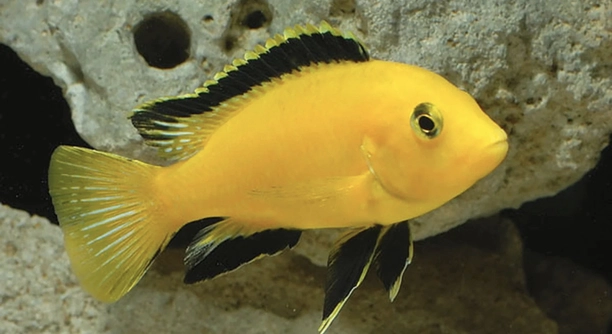
Keeping an electric yellow cichlid tank clean is essential for the fish’s health and the overall beauty of your aquarium. Regular maintenance prevents algae buildup and ensures a safe, comfortable environment for your vibrant cichlids.
To clean an electric yellow cichlid tank safely, remove debris and uneaten food while performing partial water changes. Use aquarium-safe tools and mild cleaning solutions, avoiding harsh chemicals that can harm fish. Proper filtration and gentle substrate cleaning maintain water quality effectively.
Maintaining a clean tank supports the well-being of your cichlids and enhances the aquarium’s appearance. Proper techniques make the process easier and safer for both you and your fish.
Preparing Your Tank for Cleaning
Before starting, it is important to gather all necessary supplies and plan the cleaning process. Turn off electrical equipment like heaters and filters to prevent accidents. Prepare a bucket reserved solely for aquarium use to avoid contamination. Remove decorations and artificial plants carefully, inspecting them for algae buildup. Having a soft sponge or brush dedicated to aquarium cleaning is essential, as regular household cleaning tools can introduce harmful chemicals. Plan to perform partial water changes rather than removing all water at once to reduce stress on your fish. Checking water temperature and parameters beforehand ensures a safe transition for your cichlids during cleaning. Make sure the area around the tank is dry and free of obstructions to prevent slipping or water spills. Having all steps organized and supplies ready makes the process smoother and safer. Consistency in preparation reduces risks and maintains a healthy environment for the fish.
Taking time to prepare the tank properly reduces stress and prevents accidental harm to your fish during cleaning.
Keeping equipment organized and separating cleaning tools from household items ensures your cichlids remain safe and healthy. This approach minimizes the risk of introducing harmful substances into the aquarium. Proper preparation allows for efficient cleaning, making future maintenance simpler and less disruptive. By planning the steps carefully, you can manage debris, algae, and water quality more effectively while keeping your electric yellow cichlids comfortable. Regular attention to these details maintains a stable environment that supports fish health and enhances the tank’s aesthetic appeal. In addition, consistent preparation habits reduce the likelihood of mistakes, such as accidental water contamination or equipment damage. Ensuring all materials are clean, appropriate, and ready before starting creates a controlled environment where the cleaning process can be performed quickly and safely. This careful method benefits both the aquarist and the fish, providing long-term advantages for tank maintenance and cichlid well-being.
Cleaning Techniques for Decorations and Substrate
Use gentle brushes or sponges to clean decorations and artificial plants, avoiding harsh scrubbing that could damage surfaces.
Remove debris from the substrate carefully, vacuuming gravel or sand while preserving beneficial bacteria essential for water quality. Clean ornaments separately in a bucket of tank water to prevent exposure to soap or chemicals. For stubborn algae, soak decorations in a diluted vinegar solution, then rinse thoroughly before returning them to the tank. Substrate cleaning should be done incrementally during water changes to avoid stressing fish. Avoid disturbing the tank’s filter media excessively, as it houses beneficial microorganisms necessary for biological filtration. Using a siphon allows removal of uneaten food, waste, and detritus from the bottom of the tank efficiently. For gravel or sand, gently stir while siphoning to release trapped debris without removing too much substrate. Rotating cleaning tasks between decorations, plants, and substrate keeps maintenance manageable and ensures the tank remains a safe, clean environment for electric yellow cichlids. Regular attention to these elements prevents algae overgrowth, improves water clarity, and supports fish health consistently.
Water Changes and Filtration
Partial water changes should be done regularly to maintain water quality. Replace about 20-30% of the tank water at a time, ensuring temperature and pH are stable to avoid shocking your cichlids.
Using a siphon or gravel vacuum allows removal of waste without disturbing the fish too much. Fresh water should be treated with a dechlorinator and adjusted to match tank parameters. Regular water changes prevent toxin buildup, support fish health, and reduce algae growth. Checking water parameters after each change ensures the environment remains safe. Filters should be cleaned gently, avoiding complete removal of filter media, which preserves beneficial bacteria. Maintaining proper filtration alongside water changes keeps ammonia, nitrite, and nitrate levels under control while supporting a healthy biological balance.
Filters should run continuously, and their media should be rinsed in tank water only, never tap water. This preserves the bacteria needed for the nitrogen cycle. Choosing the right filter size ensures efficient water circulation, removing debris and maintaining oxygen levels. Observing filter performance and flow helps prevent clogs or stagnation. For larger tanks, consider combining mechanical, chemical, and biological filtration for consistent water quality. A properly maintained filter works alongside water changes to create a stable environment for electric yellow cichlids. Regular attention to both ensures long-term tank health.
Monitoring Fish Health
Observe your cichlids daily for changes in behavior, color, or appetite, as these can indicate stress or disease. Maintaining clean water helps prevent illness and supports overall vitality.
Healthy cichlids are active, show bright coloration, and feed consistently. Sudden lethargy, loss of appetite, or unusual swimming patterns may signal water quality issues or parasites. Monitoring water parameters like pH, ammonia, and nitrate levels is critical, as these directly impact fish health. Quarantining new fish before introducing them reduces the risk of disease spread. Keeping a log of observations helps track trends and detect problems early. Small adjustments in tank conditions often prevent minor issues from becoming serious health problems.
Regularly checking fish behavior and physical condition allows early intervention before diseases escalate. Noticing subtle changes in fins, scales, or gill movement helps identify potential problems. Combining visual monitoring with water testing ensures a proactive approach to fish care. In addition, maintaining a consistent feeding schedule and avoiding overfeeding prevents water quality deterioration. Clean water, proper filtration, and attentive observation together form the foundation of a safe, thriving environment for electric yellow cichlids. Prioritizing these practices ensures both longevity and well-being for your aquarium inhabitants.
Cleaning Equipment
Rinse nets, siphons, and brushes in tank water after each use. Avoid soap or chemical cleaners, which can harm your fish and disrupt beneficial bacteria.
Designate tools exclusively for the aquarium. Keeping equipment separate prevents contamination and ensures a safer environment for your cichlids.
Controlling Algae
Algae growth can be managed by limiting direct sunlight exposure and maintaining regular water changes. Introducing algae-eating species carefully can also help. Consistent cleaning of decorations, glass, and substrate prevents excessive buildup. Avoid overfeeding, as leftover food accelerates algae growth, and monitor nutrient levels in the water to maintain balance.
Maintaining Stable Temperature
Use a reliable heater and thermometer to keep the tank water consistent. Sudden temperature changes stress electric yellow cichlids and can lead to health issues.
FAQ
How often should I clean my electric yellow cichlid tank?
Cleaning should be done regularly, but not all at once. Partial water changes every one to two weeks help maintain water quality. Decorations and substrate can be cleaned during these water changes, while filters should be rinsed gently every few weeks to preserve beneficial bacteria.
Can I use household cleaners to clean the tank?
No, household cleaners can leave residues that are toxic to fish. Only use aquarium-safe brushes, sponges, and mild vinegar solutions for decorations. Rinse everything thoroughly in tank water before returning it to avoid harming your cichlids.
Is it safe to remove all water at once?
Removing all water at once is stressful for fish and disrupts beneficial bacteria. Always perform partial water changes, around 20-30%, to maintain stability while still removing waste and debris.
How do I clean algae without harming my fish?
Use soft brushes or algae scrapers on glass and decorations. For stubborn algae, remove decorations and soak them in a diluted vinegar solution, then rinse thoroughly. Avoid using chemicals in the tank while fish are present.
What is the best way to clean the substrate?
A siphon or gravel vacuum allows you to remove waste without disturbing the fish. Stir the substrate gently while vacuuming to release trapped debris. Clean a portion of the substrate during each water change rather than all at once.
Can overfeeding affect tank cleanliness?
Yes, overfeeding leads to excess food that decomposes, increasing ammonia and nitrate levels. Feed small amounts that the fish can consume in a few minutes to prevent water quality issues.
Should I turn off the filter during cleaning?
Yes, turn off electrical equipment like filters and heaters to prevent accidents. Clean the filter gently in tank water to preserve beneficial bacteria, and restart it after cleaning and partial water changes.
How do I maintain a stable temperature during cleaning?
Monitor water temperature closely. Remove only small portions of water at a time and replace it with water that matches the tank’s temperature. Using a reliable heater and thermometer helps prevent temperature shocks.
Can decorations harbor harmful bacteria?
Yes, debris and leftover food can accumulate on decorations. Clean them regularly with soft brushes in tank water or a mild vinegar solution. This helps maintain water quality and reduces stress on your cichlids.
How do I know if my fish are stressed during cleaning?
Signs include lethargy, hiding, loss of appetite, or unusual swimming. Keep cleaning short, perform partial water changes, and avoid sudden temperature or chemical changes to minimize stress. Regular observation helps you respond quickly to any issues.
Is it necessary to quarantine new fish before adding them?
Yes, quarantining new fish reduces the risk of introducing disease to your main tank. Observe them for a few weeks in a separate tank before adding them to the established environment.
How can I prevent algae from returning quickly?
Control sunlight exposure, avoid overfeeding, and maintain regular water changes. Cleaning decorations and glass consistently and monitoring nutrient levels help prevent rapid algae regrowth.
Can I use tap water directly for water changes?
No, tap water should be treated with a dechlorinator to remove chlorine and chloramine. Adjust the temperature and pH to match the tank to prevent stressing your cichlids.
How important is filter maintenance?
Filters are crucial for water circulation and biological filtration. Clean them gently to preserve bacteria. Regular maintenance ensures proper flow and removes accumulated debris, supporting a healthy environment for electric yellow cichlids.
What should I do if water becomes cloudy after cleaning?
Cloudiness may result from stirred-up debris or disturbed bacteria. Allow the tank a few hours to settle. Check filtration and ensure water changes are performed gradually, maintaining temperature and chemical balance.
Can I use vinegar on all decorations?
Vinegar is safe for glass, plastic, and ceramic decorations, but avoid using it on porous stones or substrates that may react. Rinse thoroughly in tank water before returning decorations.
How do I balance cleaning with minimal stress to fish?
Perform small, regular cleanings rather than deep cleanings all at once. Keep fish movement gentle, maintain temperature, and avoid chemical exposure. Partial water changes and gradual substrate cleaning reduce stress and maintain a healthy environment.
Are there tools that make cleaning easier?
Yes, soft brushes, algae scrapers, siphons, and gravel vacuums designed for aquariums simplify cleaning. Keeping tools separate from household use prevents contamination and ensures safety for your cichlids.
How do I keep track of cleaning schedules?
Use a simple log or calendar to track water changes, filter maintenance, and decoration cleaning. Consistency helps maintain water quality and prevents buildup of waste, keeping electric yellow cichlids healthy and stress-free.
What is the most important tip for safe cleaning?
Always prioritize the fish’s safety: partial water changes, gentle cleaning, proper equipment, and monitoring parameters. Keeping the environment stable and using aquarium-safe methods ensures a thriving, vibrant tank.
Maintaining a clean tank for your electric yellow cichlids is an important part of ensuring their health and well-being. Regular cleaning, careful water changes, and proper filtration work together to create a safe and stable environment. By paying attention to water parameters such as temperature, pH, ammonia, and nitrate levels, you reduce the risk of stress and disease. A clean tank not only supports your cichlids physically but also allows them to display their natural behaviors and vibrant colors. Keeping up with these tasks consistently may seem time-consuming, but it becomes a manageable routine with practice.
Equally important is using the right tools and methods. Avoid household cleaners and strong chemicals that could harm your fish. Soft brushes, siphons, gravel vacuums, and algae scrapers designed specifically for aquariums are the safest options. Decorations and artificial plants should be cleaned carefully to remove algae and debris without damaging surfaces. Cleaning should be performed in stages, focusing on partial water changes, gradual substrate cleaning, and gentle filter maintenance. These practices help maintain the delicate balance of beneficial bacteria that is essential for a healthy nitrogen cycle. Over time, this approach prevents sudden water quality fluctuations and reduces the risk of problems such as cloudy water or algae overgrowth.
Observing your fish regularly adds another layer of care. Watching for changes in behavior, appetite, or coloration provides insight into the tank’s condition and the fish’s health. Small signs of stress or illness can often be addressed before they become serious issues. Coupling careful observation with consistent cleaning routines and proper equipment use creates a stable, supportive environment for your cichlids. A well-maintained tank enhances their longevity and keeps the aquarium visually appealing. Following these steps ensures that your electric yellow cichlids thrive in a safe and healthy habitat while allowing you to enjoy a vibrant, well-kept aquarium.

Hello,
If you enjoy the content that we create, please consider saying a "Thank You!" by leaving a tip.
Every little bit helps us continue crafting quality advice that supports the health, happiness, and well-being of pets around the world, for pets of all shapes, sizes, and species.
We really appreciate the kindness and support that you show us!