
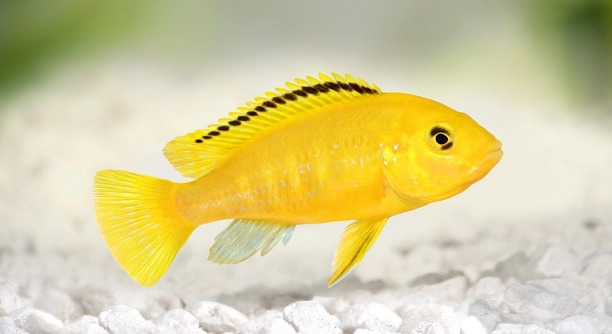
Electric Yellow Cichlids are popular aquarium fish admired for their bright color and lively behavior. Observing them closely often raises questions about how they perceive their surroundings and respond to reflections in the tank glass.
Research indicates that Electric Yellow Cichlids can recognize reflections to some extent. They often respond to their mirrored image as if encountering another fish, showing curiosity, territorial behavior, and social interaction patterns within their environment.
Learning about these responses helps aquarists create better tank conditions and understand their fish’s behavior more clearly, improving both care and observation experiences.
How Electric Yellow Cichlids React to Mirrors
Electric Yellow Cichlids often show a strong reaction when they see their reflection in a mirror. They may flare their fins, swim back and forth, or approach it slowly, showing curiosity or territorial instincts. These behaviors are not random; they indicate that the fish perceive movement and form, but not necessarily that they fully understand it is their own reflection. In aquariums, mirrored surfaces can trigger a mix of excitement and stress depending on the individual fish. Some may attempt to interact with the reflection as if it were another cichlid, displaying aggression or playful swimming patterns. This response can provide insight into their natural instincts in social and territorial interactions. Careful observation of these behaviors can help aquarists adjust tank setups, reduce stress, and ensure a more comfortable environment. Understanding how these fish react to reflections can enhance both observation and management of their daily care routines.
Mirrors in tanks can affect cichlid behavior positively or negatively depending on timing, duration, and tank size.
Observing Electric Yellow Cichlids over weeks shows consistent patterns. Early interactions with reflections often appear cautious, with slow approaches and intermittent retreats. As familiarity increases, the fish may display more bold movements, sometimes flaring fins or circling the mirror. Some cichlids appear to test boundaries, nudging the glass or darting around quickly. These behaviors highlight instinctive responses rather than self-recognition. While not all fish react the same, patterns suggest a combination of curiosity and territorial instinct. Aquarists can use mirrors carefully to stimulate activity without causing prolonged stress. Controlled exposure can keep fish engaged and provide visual enrichment. It also helps in studying behavioral tendencies like aggression, dominance, and social interaction. For optimal care, observation and adjustment of mirror placement are key, allowing the fish to interact safely and naturally. These insights improve understanding of Electric Yellow Cichlids and their behavior under artificial tank conditions.
Factors Influencing Reflection Recognition
Water clarity, lighting, and tank decorations affect how clearly cichlids see their reflection.
Cichlids’ reactions are influenced by environment, prior social experience, and individual temperament. Clear water makes reflections sharper, increasing interactions. Bright lighting highlights colors and shapes, drawing attention to mirrored surfaces. Decorations can block or fragment reflections, reducing overstimulation and stress. Younger fish may react more intensely due to inexperience, while older fish may show measured responses. By controlling environmental factors, aquarists can manage reflection exposure safely. Observing these factors helps tailor conditions for each fish, ensuring a balance between stimulation and comfort. Proper setup supports natural behavior expression without causing prolonged stress, aggression, or health issues. Thoughtful adjustments allow Electric Yellow Cichlids to interact with reflections in a way that is enriching rather than harmful. Over time, these considerations enhance both fish well-being and the observation experience, making reflection interactions more predictable and manageable.
Benefits of Reflection Interaction
Reflection interaction can stimulate mental activity in Electric Yellow Cichlids. They show curiosity, swim actively, and explore their environment more. Controlled exposure to mirrors can reduce boredom, encourage natural behaviors, and provide visual enrichment without overcrowding the tank or adding other fish.
When cichlids interact with their reflection, it can help maintain physical activity levels. Swimming back and forth or flaring fins provides exercise that strengthens muscles and supports overall health. Mental engagement from observing movement and shapes in the mirror can prevent lethargy and reduce stress. This type of stimulation can complement regular feeding, tank maintenance, and social interactions within the aquarium. Controlled mirror placement ensures that the fish are active without being overwhelmed, creating a balanced environment. By monitoring responses, aquarists can adjust the exposure to optimize enrichment while keeping the fish comfortable.
Reflection interactions also provide insights into social and territorial behaviors. By observing how a fish responds to its mirrored image, owners can understand aggression levels, dominance tendencies, and playfulness. This knowledge is useful for arranging tank mates and managing conflicts. Additionally, some cichlids appear to test boundaries, circling or nudging reflections, which can indicate curiosity and cognitive engagement. Controlled mirror exposure can improve confidence in less dominant fish and reduce excessive aggression by providing a safe outlet. The combination of physical activity, mental stimulation, and behavioral observation makes reflection interaction a valuable tool for aquarists aiming to enhance fish welfare.
Risks of Excessive Reflection Exposure
Prolonged exposure to mirrors can cause stress or aggression in Electric Yellow Cichlids. They may flare fins constantly or chase the reflection, which can lead to fatigue or minor injuries if unchecked.
If a fish spends too much time interacting with a mirror, stress levels can rise. Constant perceived intrusion from another “fish” can trigger repeated aggressive displays, resulting in energy loss and potential scale damage. Behavioral signs include rapid darting, hiding, or reduced feeding. To prevent negative outcomes, mirrors should be introduced briefly and monitored carefully. Limiting exposure and varying placement helps balance stimulation with safety. Some cichlids may habituate over time, while others remain sensitive, requiring individual adjustments. Controlled use of reflections can support enrichment while minimizing risks, maintaining both health and behavioral stability.
How to Safely Use Mirrors
Limit mirror exposure to short periods, allowing fish to interact without causing prolonged stress. Observing behavior closely ensures the fish remain comfortable and active.
Place mirrors in areas where fish can retreat easily. Avoid constant placement that may trigger persistent aggression or fatigue.
Signs of Stress from Reflection
Electric Yellow Cichlids may show stress through rapid swimming, flared fins, or hiding when mirrors are present. Recognizing these behaviors helps prevent long-term health issues. Careful observation allows timely removal or adjustment of mirrors to maintain a calm tank environment.
Alternative Enrichment Ideas
Toys, plants, and tank decorations provide mental stimulation without causing stress. Moving elements or rearranging the tank can engage fish in natural behaviors and curiosity.
Monitoring Behavior Over Time
Regularly recording interactions with reflections helps identify patterns and sensitivity levels. Tracking responses ensures enrichment remains safe and effective.
FAQ
Can Electric Yellow Cichlids recognize themselves in a mirror?
Electric Yellow Cichlids do not show true self-recognition like some mammals or birds. They respond to reflections as if seeing another fish. Their reactions include curiosity, territorial displays, and interaction testing. These behaviors reflect instincts rather than awareness of their own identity.
Is mirror interaction harmful to cichlids?
Mirror interaction is safe if controlled. Prolonged exposure may cause stress or excessive aggression. Monitoring time and observing reactions are important. Short sessions can provide enrichment without negative effects, helping maintain activity and engagement in the tank.
How often should mirrors be introduced?
Mirrors can be placed for a few minutes daily or every other day. Fish responses vary, so adjusting duration based on behavior is essential. Short, controlled exposure provides mental stimulation while preventing fatigue or stress.
What are signs my cichlid is stressed by a reflection?
Stress signs include rapid darting, constant fin flaring, hiding, or refusing food. Repeated aggressive displays toward a reflection indicate the fish may feel threatened. Immediate removal of the mirror or shortening exposure helps reduce stress.
Can reflection help with exercise for cichlids?
Yes, mirrors encourage swimming, flaring, and chasing movements, offering physical activity that strengthens muscles and promotes overall health. Active interaction keeps fish engaged and reduces lethargy, contributing to a more balanced aquarium environment.
Are some cichlids more reactive to mirrors than others?
Individual temperament plays a role. Younger or more territorial fish often show stronger reactions, while older or less dominant fish may be more cautious. Observing responses allows aquarists to adjust mirror use safely.
How do tank conditions affect reflection interaction?
Water clarity, lighting, and decorations influence visibility and reactions. Clear water and bright lighting make reflections more noticeable, while obstacles or plants may reduce overstimulation. Adjusting tank conditions can control intensity of interactions.
Can mirrors replace social interaction with other fish?
Mirrors are not substitutes for social contact. They provide visual stimulation and some behavioral outlet but cannot replicate true interactions. Proper tank mates and environmental enrichment remain essential for well-being.
Is there a risk of injury from mirror interactions?
Minor injuries are possible if fish repeatedly ram the glass or display aggressive behavior for extended periods. Monitoring sessions and removing mirrors when necessary prevents harm. Controlled exposure minimizes risks.
How can I safely remove stress from reflection exposure?
Gradually reduce mirror time, rearrange decorations, or provide hiding spots. Observing and adjusting the environment ensures that fish feel secure while still enjoying enrichment. Balancing stimulation with comfort is key for healthy behavior.
Do cichlids learn from interacting with reflections?
They can display pattern recognition and adaptive behavior. Over time, some fish may approach mirrors more cautiously or test their movements differently. This shows learning in response to repeated visual stimuli without implying self-awareness.
Can mirror interaction improve observation of natural behaviors?
Yes, reflections reveal aggression, curiosity, and social instincts. Controlled use allows aquarists to study interactions safely, gaining insight into territoriality, hierarchy, and playfulness, which can help in tank management and enrichment planning.
What precautions should be taken when using mirrors?
Limit exposure, observe reactions, and provide escape areas. Adjust timing, location, and duration based on individual behavior. Avoid constant placement to prevent stress, fatigue, or injury. Controlled and monitored interaction ensures both mental stimulation and safety.
Do all cichlids react the same way to mirrors?
No, reactions vary. Some may display strong territorial behavior, while others remain indifferent. Individual personality, age, and prior experiences influence how each fish responds, making careful observation essential for safe mirror use.
Can reflection exposure be part of a regular enrichment routine?
Yes, when applied correctly. Short, monitored sessions combined with toys, plants, and rearrangements create a stimulating environment. Rotation and variation in enrichment help maintain activity, curiosity, and natural behaviors, supporting overall well-being.
This FAQ provides detailed guidance for aquarists aiming to understand and safely implement mirror interaction with Electric Yellow Cichlids, balancing stimulation with stress prevention.
Final Thoughts
Electric Yellow Cichlids are fascinating fish, and their interaction with reflections provides insight into their behavior. While they do not recognize themselves in mirrors as humans or some other animals might, they clearly respond to their mirrored image. These responses include curiosity, flaring fins, swimming toward the reflection, and sometimes displaying territorial behavior. Observing these interactions can help aquarists understand individual temperaments and tendencies within their fish. It is important to note that each cichlid reacts differently; some may be more aggressive, while others remain cautious or indifferent. Recognizing these differences can guide decisions about mirror use, tank setup, and enrichment activities to maintain a healthy and comfortable environment for all fish.
Using mirrors in the tank can provide several benefits when applied correctly. Short, controlled exposure encourages mental and physical activity, which helps prevent boredom and lethargy. Watching their reflection can stimulate natural behaviors like swimming, exploring, and even gentle displays of dominance without the risk of conflict with other fish. At the same time, mirrors allow aquarists to observe behaviors that may otherwise be less noticeable, such as territorial instincts or reactions to potential rivals. However, overuse or constant exposure can have the opposite effect, causing stress, excessive aggression, or fatigue. Ensuring that mirrors are only introduced for limited periods and in areas where the fish can retreat is crucial. Balancing stimulation with safety creates a supportive environment that encourages natural activity while reducing potential harm.
Beyond mirrors, providing a varied and enriching environment remains essential for Electric Yellow Cichlids. Decorations, plants, hiding spots, and toys can supplement mirror interaction and keep fish engaged in meaningful ways. Paying attention to water quality, lighting, and tank layout is equally important, as these factors influence how the fish perceive their surroundings and interact with their reflection. By observing behaviors, adjusting enrichment techniques, and managing exposure, aquarists can enhance the well-being of their cichlids while fostering a deeper understanding of their habits and instincts. Ultimately, reflections serve as one of many tools to encourage healthy activity and mental stimulation, helping these vibrant fish thrive in their aquarium environment.

Hello,
If you enjoy the content that we create, please consider saying a "Thank You!" by leaving a tip.
Every little bit helps us continue crafting quality advice that supports the health, happiness, and well-being of pets around the world, for pets of all shapes, sizes, and species.
We really appreciate the kindness and support that you show us!