
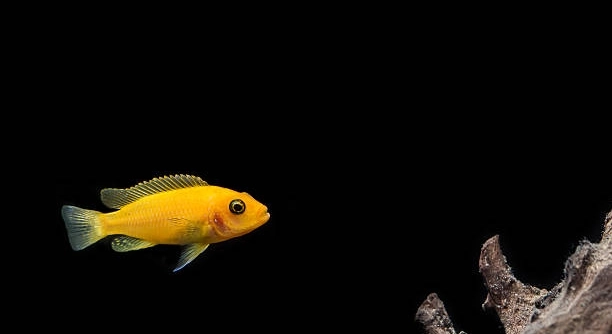
Electric Yellow Cichlids are bright and lively fish that attract many aquarium enthusiasts. Their vibrant color and friendly behavior make them a popular choice for home tanks and community setups with other fish.
Electric Yellow Cichlids typically live between 8 to 10 years when provided with proper care, a balanced diet, and a well-maintained aquarium environment. Lifespan can vary depending on water quality, nutrition, and overall tank conditions.
Knowing how long these fish can live helps in planning their care and environment. Their long-term health depends on consistent attention to water and feeding practices.
Understanding Electric Yellow Cichlid Lifespan
Electric Yellow Cichlids are generally hardy fish, but their lifespan depends heavily on proper care. Providing stable water conditions with a temperature between 74-80°F and pH around 7.5-8.5 is essential. Overcrowding can stress them, leading to shorter lifespans. Feeding a varied diet of high-quality pellets, occasional live or frozen foods, and vegetables keeps them healthy. Regular water changes, at least 20-30% weekly, help maintain clean conditions, preventing disease and supporting longevity. Hiding places such as rocks and plants reduce aggression and stress. Monitoring water parameters regularly ensures a stable environment. These fish are social but territorial, so maintaining a suitable ratio of males to females can prevent fights. Proper tank maintenance combined with a healthy diet allows Electric Yellow Cichlids to reach their full lifespan potential, usually 8 to 10 years.
Diet plays a crucial role in keeping Electric Yellow Cichlids healthy and living longer.
Providing a balanced diet strengthens their immune system and supports growth. Feeding them a mix of quality flake or pellet food with occasional live treats ensures they get essential nutrients. Vegetables like spinach or peas add variety and fiber. Avoid overfeeding, as leftover food can pollute the water, increasing disease risk. Consistency in feeding times helps maintain their metabolism and overall well-being.
Common Health Concerns
Electric Yellow Cichlids can suffer from diseases such as Malawi bloat and fin rot if their environment is not properly maintained. Stress, poor water quality, and improper diet are the main contributors to these health problems. Regular observation for changes in behavior, color, or appetite is important. Early detection allows for quick intervention. Quarantining new fish before adding them to the main tank prevents the spread of infections. Maintaining a clean tank with proper filtration reduces the chance of bacterial or fungal infections. Feeding a high-quality diet rich in vitamins strengthens their immune system, making them less prone to illness. Even with proper care, occasional health issues may occur, but addressing them promptly ensures longer lifespans and better overall health. Paying attention to their social interactions can also prevent injuries from aggression, keeping the group balanced and calm.
Keeping a close eye on water quality is vital to prevent disease outbreaks.
Regular water tests for pH, ammonia, nitrites, and nitrates prevent toxic build-up. Consistent maintenance of filters and substrate reduces harmful bacteria. Stable water conditions support their immune system, helping them resist common illnesses. Monitoring fish behavior and tank cleanliness ensures a healthier environment.
Tank Setup for Electric Yellow Cichlids
A properly set up tank is essential for the health of Electric Yellow Cichlids. A 55-gallon tank or larger is recommended for a small group. Rock formations and hiding spots help reduce aggression and stress among fish.
Keeping water parameters stable is key. A temperature of 74-80°F and pH between 7.5-8.5 support their well-being. Substrate can be sand or fine gravel, allowing natural digging behavior. Strong filtration ensures water stays clean and oxygenated. Regular water changes, about 20-30% weekly, prevent harmful buildup of nitrates and ammonia. Decorating with rocks and caves mimics their natural environment, providing shelter and territory markers. Proper spacing between rocks prevents injuries, while open swimming areas allow exercise. Observing fish behavior helps adjust the layout if aggression appears. Choosing durable plants or artificial ones avoids them being uprooted.
Lighting should be moderate, simulating natural day and night cycles. Bright lighting enhances their color but avoid harsh exposure that can stress them. Adding floating plants provides shade and security, giving them spots to retreat. The tank should balance hiding areas and open spaces for swimming. Combining proper substrate, filtration, rocks, and lighting creates a stable environment where Electric Yellow Cichlids can thrive and live their full lifespan.
Breeding Electric Yellow Cichlids
Electric Yellow Cichlids become sexually mature around 12-18 months. They are relatively easy to breed in a home aquarium if conditions are stable. Separating males and females beforehand can increase breeding success.
A breeding pair requires a tank of at least 30 gallons with flat rocks or slate surfaces for egg-laying. Water temperature should be slightly higher, around 78-80°F, to encourage spawning. Females lay hundreds of eggs and care for them until they hatch, usually within 2-4 days. Males help guard the territory but do not care for the fry directly. Removing other tank mates reduces stress on the breeding pair. Once fry become free-swimming, feeding them crushed flake food or specialized fry food supports growth. Maintaining clean water and monitoring development ensures more fry survive to adulthood. Observing their behavior closely helps in preventing aggression from the male, which can sometimes harm the female or eggs.
Fry growth depends on water quality, diet, and space. Keeping parameters stable prevents disease outbreaks that can decimate young fish. A consistent feeding schedule with high-protein foods supports rapid development. Separating fry into a dedicated grow-out tank reduces competition and improves survival rates. Providing hiding spots such as small rocks or plants protects them from larger siblings. Gradually introducing them to the main tank after reaching a suitable size helps them adapt safely. Understanding these factors ensures higher survival and a healthier, thriving group of Electric Yellow Cichlids.
Common Behavioral Traits
Electric Yellow Cichlids are active and social but can be territorial. They often establish a hierarchy within the tank, with dominant males defending their space.
They enjoy exploring and digging in the substrate. Providing rocks and caves allows them to display natural behaviors while reducing aggression. Regular observation helps maintain a peaceful tank environment.
Feeding Habits
Electric Yellow Cichlids thrive on a varied diet. High-quality cichlid pellets should be the staple, supplemented with occasional frozen or live foods like brine shrimp or bloodworms. Vegetables such as spinach, peas, or zucchini add fiber and essential nutrients. Avoid overfeeding, as uneaten food can deteriorate water quality.
Aggression Management
Aggression can occur, especially among males. Providing enough hiding spots and space reduces fights. Keeping the tank properly stocked with compatible fish helps maintain balance. Monitoring behavior and separating overly aggressive individuals prevents stress and injury, ensuring a stable and peaceful environment for all fish.
Tank Mates
Suitable tank mates include other Malawi cichlids of similar size. Avoid small, slow-moving fish that may be bullied. Choosing compatible species helps reduce territorial disputes and stress, promoting a healthier community tank environment.
FAQ
How long do Electric Yellow Cichlids usually live?
Electric Yellow Cichlids generally live between 8 to 10 years with proper care. Maintaining stable water conditions, feeding a balanced diet, and keeping the tank clean are essential for reaching their full lifespan. Lifespan may vary slightly depending on genetics and overall environment.
What is the ideal tank size for them?
A tank of at least 55 gallons is recommended for a small group of Electric Yellow Cichlids. Larger tanks allow for proper territory establishment, reduce aggression, and provide enough swimming space. Rock formations and caves should be included for hiding and territory boundaries.
What water parameters do they need?
They thrive in water with a temperature of 74-80°F and a pH between 7.5-8.5. Hard water is preferred, and keeping ammonia, nitrite, and nitrate levels low is important. Regular testing and water changes help maintain a healthy environment.
Can they live with other fish?
Electric Yellow Cichlids are social but territorial. They can be housed with other Malawi cichlids of similar size. Avoid small or slow-moving species that may be bullied. Proper tank arrangement with hiding spots helps reduce conflicts. Monitoring behavior is key to maintaining a peaceful community tank.
What do they eat?
Their diet should consist mainly of high-quality cichlid pellets. Occasional live or frozen foods like brine shrimp or bloodworms provide protein, while vegetables like spinach, peas, or zucchini add fiber and essential nutrients. Feeding should be moderate to prevent overfeeding and water quality issues.
How do I encourage breeding?
Breeding requires a stable environment and a mature pair, usually 12-18 months old. Provide flat rocks or slate surfaces for egg-laying. Slightly higher temperatures, around 78-80°F, encourage spawning. The female will care for eggs, and fry should be fed crushed flake or fry food once free-swimming.
How can I prevent aggression?
Aggression is common, especially among males. Providing sufficient hiding spots and open swimming areas reduces stress. Maintaining a proper male-to-female ratio and compatible tank mates helps. Aggressive individuals may need to be separated temporarily to prevent injuries and stress in the tank.
What health issues are common?
Electric Yellow Cichlids can develop Malawi bloat, fin rot, or other infections if water quality is poor or diet is inadequate. Stress from overcrowding or aggressive tank mates can also affect health. Regular observation, clean water, and a balanced diet prevent most issues.
How do I care for fry?
Fry need clean water, stable parameters, and high-protein foods. Separating them into a grow-out tank reduces competition and increases survival. Provide hiding spots with small rocks or plants. Gradually introducing them to the main tank after reaching a suitable size ensures safety and reduces stress.
How often should I clean the tank?
Water changes of 20-30% weekly are recommended. Substrate should be vacuumed to remove debris, and filters should be maintained regularly. Keeping water clean prevents disease and supports long-term health, ensuring the fish remain active and colorful.
Can lighting affect their health?
Moderate lighting is ideal. Bright lights enhance their color, but harsh lighting can cause stress. Floating plants provide shaded areas. A natural day-night cycle supports healthy behavior, reduces stress, and keeps their immune system strong.
How do I know if my fish is stressed?
Signs of stress include faded color, hiding constantly, loss of appetite, or unusual aggression. Poor water quality, overcrowding, or incompatible tank mates are often causes. Addressing these issues promptly helps prevent disease and supports their well-being.
Is it important to monitor behavior daily?
Daily observation helps detect early signs of illness, stress, or aggression. Monitoring behavior allows for quick intervention if problems arise. Even minor changes in swimming patterns, feeding habits, or interactions with tank mates can indicate underlying issues that need attention.
What are the best decorations for their tank?
Rocks, caves, and hiding spots are essential. These decorations allow natural digging and territorial behaviors while reducing aggression. Avoid overcrowding, and ensure decorations are stable to prevent injuries. Plants, real or artificial, add security and shaded areas.
Can diet changes affect lifespan?
Yes, a poor diet can shorten lifespan. High-quality pellets, supplemented with live foods and vegetables, support growth, color, and immunity. Overfeeding or inconsistent nutrition can cause obesity, stress, and health problems, affecting how long they live.
Are they suitable for beginners?
Electric Yellow Cichlids are moderately easy to care for with consistent maintenance and proper tank setup. Understanding their territorial behavior, dietary needs, and water requirements is essential for success. Regular monitoring and preventive care make them manageable for those willing to learn.
Do they need special filtration?
Strong filtration is recommended due to their active nature and bioload. Mechanical, biological, and chemical filtration help maintain water quality. Regular cleaning and monitoring ensure the filter works efficiently, preventing harmful conditions that could affect health or lifespan.
How can I maintain water quality long-term?
Regular water changes, monitoring pH, ammonia, nitrites, and nitrates, and cleaning the substrate and filter are key. Avoid overstocking, and feed appropriate amounts. Maintaining consistent parameters ensures a stable environment that supports long-term health and longevity.
What is the best temperature range?
A stable temperature between 74-80°F is ideal. Sudden changes can stress the fish, leading to illness. Using a reliable heater and thermometer helps maintain consistent water conditions. Gradual adjustments are necessary if temperature changes are needed.
Can they tolerate different pH levels?
Electric Yellow Cichlids prefer slightly alkaline water, with pH between 7.5 and 8.5. Small fluctuations are tolerable if changes are gradual. Extreme deviations can stress the fish, increase susceptibility to disease, and negatively impact lifespan.
Electric Yellow Cichlids are lively, colorful fish that can bring life and activity to any aquarium. Their bright yellow coloration makes them easy to spot, and their curious behavior adds interest to a tank. They are relatively hardy, but their long-term health and lifespan depend on consistent care. Maintaining stable water conditions, providing a balanced diet, and monitoring behavior are all essential. Over time, paying attention to the tank environment and making small adjustments as needed helps ensure these fish remain active, healthy, and visually vibrant. For anyone considering keeping Electric Yellow Cichlids, understanding their needs is the first step toward a successful aquarium experience. Proper preparation before bringing them home allows for smoother acclimation and reduces stress, which is a key factor in their longevity.
Setting up an appropriate tank is crucial for the well-being of Electric Yellow Cichlids. A minimum of 55 gallons is recommended for a small group, with enough space to establish territories and reduce aggression. Rocks, caves, and hiding spots provide safe areas where the fish can retreat when stressed or during social disputes. The substrate should allow natural digging behaviors, and a reliable filtration system is necessary to keep water quality high. Regular water changes help prevent the buildup of harmful chemicals and support a healthy environment. Feeding should be consistent and varied, including high-quality pellets, occasional live or frozen foods, and vegetables to meet all nutritional needs. Paying attention to both the physical environment and the social dynamics in the tank helps maintain a balanced ecosystem and reduces stress-related health issues.
Understanding common behaviors and potential health concerns is also important for long-term success. Electric Yellow Cichlids are territorial, particularly males, and may display aggression toward tank mates if space or hiding spots are limited. Observing their interactions and adjusting tank layout or stocking levels can prevent injury and stress. Diseases such as Malawi bloat or fin rot can occur if water quality is poor or diet is inadequate, making preventive care essential. Breeding can be rewarding but requires proper preparation and monitoring to ensure both adults and fry remain healthy. Paying attention to daily behavior, maintaining consistent water conditions, and providing appropriate food will help these fish live a full lifespan of 8 to 10 years or more. With the right care, Electric Yellow Cichlids can remain vibrant, active, and a visually striking addition to any well-maintained aquarium.

Hello,
If you enjoy the content that we create, please consider saying a "Thank You!" by leaving a tip.
Every little bit helps us continue crafting quality advice that supports the health, happiness, and well-being of pets around the world, for pets of all shapes, sizes, and species.
We really appreciate the kindness and support that you show us!