
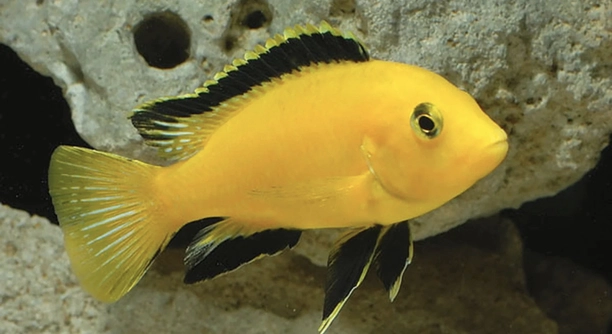
Electric Yellow Cichlids are popular for their bright colors and active behavior. Many fish keepers enjoy watching them, but sometimes these fish develop health issues that can be worrying and difficult to manage.
Fin rot in Electric Yellow Cichlids occurs due to bacterial or fungal infections, often triggered by poor water quality, stress, injury, or nutrient deficiencies. Proper diagnosis, water maintenance, and targeted treatments can effectively restore fin health.
Learning about the main causes and solutions can help prevent serious damage. Keeping your fish healthy requires understanding both environmental and dietary factors.
Poor Water Quality
Keeping water clean is one of the most important steps for healthy Electric Yellow Cichlids. Dirty water allows bacteria and fungi to grow, which can attack their fins. Uneaten food, fish waste, and decaying plants all contribute to toxins in the tank. Regular water changes and testing for ammonia, nitrites, and nitrates help maintain safe levels. Filtration is also essential, but filters must be cleaned carefully to avoid harming beneficial bacteria. Sudden changes in water temperature or pH can stress fish, making them more prone to fin rot. Observing your cichlids daily can reveal early signs of fin damage. If fins appear ragged or discolored, water quality should be the first factor checked. Preventing fin rot often starts with a clean, stable environment where bacteria and fungi cannot thrive.
Maintaining water cleanliness keeps fish stress low and reduces the chance of infections. Regular testing and careful changes make a big difference.
Healthy water helps cichlids grow strong and resist disease. Adding live plants can reduce toxins and improve oxygen levels. Avoid overcrowding the tank, as too many fish increase waste and stress. Use a reliable filter and monitor water temperature and pH consistently. Small, daily observations prevent problems from getting worse. By keeping conditions stable, fins heal faster if rot starts, and fish stay active and bright.
Stress from Tank Conditions
Stress can trigger fin rot even in clean water.
Fish overcrowding, sudden noises, or aggressive tank mates increase stress levels.
Stress weakens immune systems, making Electric Yellow Cichlids more vulnerable to infections. Aggressive tank mates may nip fins, creating entry points for bacteria. Sudden temperature drops or inconsistent lighting can confuse fish, raising stress hormones. Small hiding spots or caves help fish feel secure and reduce tension. Observing behavior, like hiding or unusual swimming patterns, shows stress before fin rot develops. Adjusting tank layout, ensuring compatible fish, and maintaining stable conditions are key to minimizing stress. When fish feel safe, they recover faster and fins heal naturally. Reducing stress is not just about preventing fin rot; it also supports appetite, color, and overall activity. Simple steps like gradual water changes, quiet surroundings, and balanced stocking levels make a noticeable difference in fish health.
Poor Diet
A lack of proper nutrition weakens fins and slows healing. Low-quality flakes or inconsistent feeding schedules can leave cichlids vulnerable to infections.
Providing a balanced diet is essential. High-quality pellets or flakes with protein and vitamins support fin strength. Supplementing with frozen or live foods like brine shrimp or bloodworms encourages growth and adds variety. Avoid overfeeding, as leftover food pollutes the tank, worsening water quality. Regularly rotating food types ensures fish receive all necessary nutrients for strong immune systems and vibrant coloration.
Vitamin deficiencies often show as frayed or discolored fins. Feeding small, frequent portions helps cichlids digest properly and absorb nutrients. Healthy fish resist bacterial and fungal attacks better. Combining good diet with clean water reduces the risk of fin rot and helps damaged fins regenerate naturally. Monitoring food intake also allows you to notice changes in appetite, signaling potential stress or illness early.
Aggressive Tank Mates
Aggressive fish can damage fins through nipping or chasing.
Injuries from tank mates leave openings for bacteria to infect fins.
Choosing compatible fish minimizes aggression and prevents physical harm. Electric Yellow Cichlids can tolerate some other cichlids but avoid overly territorial or fin-nipping species. Rearranging tank decorations reduces conflict, giving each fish space to claim its own area. Monitoring behavior daily helps identify problem fish before serious injuries occur. Separation or adding hiding spots often stops repeated attacks. Maintaining peaceful tank conditions protects fins and supports overall health, reducing the likelihood of rot.
Bacterial Infections
Bacteria thrive in tanks with poor hygiene or stress. Fin rot often starts at the edges, turning fins ragged and discolored. Immediate action is crucial to prevent further damage.
Using antibacterial treatments can stop infections from spreading. Maintaining clean water and monitoring fish health reduces recurrence.
Injuries
Physical damage from sharp decorations, rough handling, or fights creates openings for infections. Even small tears can quickly worsen if bacteria invade. Regularly inspecting tank items and moving aggressive fish prevents repeated injuries.
Fungal Growth
Fungi can develop on fins weakened by injury or poor water conditions. White or fuzzy patches indicate infection, which slows fin recovery and can spread to other areas. Early treatment with antifungal medications and improved tank hygiene helps restore fin health.
Poor Water Temperature
Temperature fluctuations stress fish and make fins more vulnerable. Maintaining a consistent temperature appropriate for Electric Yellow Cichlids supports immunity and helps prevent rot from developing.
FAQ
How can I tell if my Electric Yellow Cichlid has fin rot?
Fin rot usually shows as frayed or ragged edges on the fins. Colors may fade, and fins can appear shorter or uneven. In severe cases, white or reddish streaks appear near the base. Early detection is important, as quick action prevents worsening damage. Watching daily behavior, such as reduced activity or hiding, also signals stress or infection.
Can fin rot be reversed once it starts?
Yes, fin rot can often be reversed if caught early. Cleaning the tank, improving water quality, and using antibacterial or antifungal treatments help restore fin health. Recovery may take weeks depending on severity, diet, and overall fish condition. Damaged fins will gradually regrow if the underlying causes are addressed.
What medications are safe for Electric Yellow Cichlids?
Antibacterial treatments containing ingredients like erythromycin or melafix are commonly used. Antifungal medications help if white fuzz or patches appear. Follow dosage instructions carefully and avoid overmedicating, as stressed fish are sensitive to chemicals. Always remove activated carbon from filters during treatment, as it can absorb medications.
How often should I change the water to prevent fin rot?
Frequent water changes help maintain cleanliness and reduce bacteria. Changing 20-30% of the water weekly is generally safe. Test water regularly for ammonia, nitrite, and nitrate levels. Consistent maintenance creates a stable environment that supports fin regeneration and reduces stress.
Can diet really affect fin health?
Yes, a poor diet can weaken fins and immune function. Provide high-quality pellets or flakes with protein and essential vitamins. Supplement with frozen or live foods like brine shrimp or bloodworms. Balanced nutrition supports faster fin recovery and strengthens resistance to infections.
Do fin injuries from tank mates always lead to fin rot?
Not always, but injuries increase the risk. Open wounds allow bacteria and fungi to invade. Minimizing aggression by choosing compatible fish, providing hiding spots, and rearranging decorations reduces the likelihood of repeated attacks and helps fins heal naturally.
Is it okay to treat fin rot at home without a vet?
Yes, many mild cases can be treated at home with proper water care and medications. Observe the fish closely, maintain hygiene, and follow treatment instructions. Severe infections, or cases with systemic illness, may require professional guidance to prevent permanent damage or loss.
How long does it take for fins to fully heal?
Fin regrowth depends on severity, water quality, and diet. Minor damage can heal in 2-3 weeks, while severe rot may take several months. Consistent care, including stress reduction and proper nutrition, ensures the fish recovers healthy, strong fins.
Are certain tank conditions more likely to cause fin rot?
Yes, overcrowding, fluctuating temperatures, poor filtration, and high ammonia or nitrate levels all contribute. Providing stable, clean, and appropriately sized tanks reduces stress and lowers the risk of bacterial or fungal infections. Observation and regular maintenance prevent problems from escalating.
Can fin rot spread to other fish in the tank?
Yes, the bacteria and fungi causing fin rot can affect other fish, especially if water quality is poor. Quarantining infected fish or treating the entire tank, along with improving cleanliness, prevents spread and protects the health of all inhabitants.
What’s the best way to prevent fin rot long-term?
Maintain clean water, monitor fish daily, and provide a balanced diet. Avoid overcrowding and aggressive tank mates. Regular testing, proper filtration, and stable temperatures support fin health. Preventive care is more effective than treatment after the disease develops.
Is stress really a major factor in fin rot?
Yes, stress lowers immunity and makes fish more prone to infection. Stress comes from poor water quality, aggressive neighbors, sudden changes, or inadequate hiding spaces. Minimizing stress keeps fish active, healthy, and more capable of fighting off fin infections naturally.
Can I use natural remedies instead of medication?
Some natural remedies like salt baths or herbal additives may help mild cases, but they work best alongside proper tank maintenance. Severe infections typically require antibacterial or antifungal treatments. Always monitor water parameters and fish response when trying alternative methods.
How do I know if treatment is working?
Fins should gradually look healthier, with less fraying and fading. New growth appears at damaged edges. Fish activity, appetite, and color often improve. If fins continue to deteriorate, water quality or treatment method may need adjustment. Early action improves success rates.
Should I separate infected fish during treatment?
Separation can reduce stress and prevent further injury, especially in aggressive tanks. Quarantine also limits disease spread to other fish. If using medications in the main tank, ensure all fish are compatible with treatment before deciding on isolation.
Caring for Electric Yellow Cichlids requires attention to their environment, diet, and overall well-being. Fin rot is a common problem that can be avoided or treated if you notice it early. Clean water is the foundation of healthy fish. Regular water changes, proper filtration, and consistent temperature keep bacteria and fungi from multiplying. Even small amounts of uneaten food or debris can create conditions for infections to develop. Observing your fish daily helps you spot early signs of stress or fin damage before it becomes severe. Keeping water parameters stable, including pH, ammonia, nitrite, and nitrate levels, reduces stress and strengthens their immune system, which is vital for preventing fin rot.
Diet also plays a significant role in maintaining strong fins and overall health. A well-balanced diet with high-quality flakes or pellets provides essential vitamins and proteins. Adding frozen or live foods like brine shrimp, bloodworms, or daphnia adds variety and nutrients that support growth and fin recovery. Avoid overfeeding, as leftover food can pollute the water and create more risks for bacterial or fungal infections. Feeding small amounts multiple times a day allows fish to digest food properly and absorb nutrients more effectively. Paying attention to their eating habits can also give you clues about stress, illness, or environmental problems. Healthy, well-fed fish are more resilient to fin damage and other diseases.
Tank conditions and social environment also affect fin health. Aggressive tank mates, overcrowding, and sharp decorations can cause injuries that become entry points for infections. Providing hiding spaces, choosing compatible fish, and maintaining an appropriate stocking level help reduce stress and prevent repeated attacks. Stress weakens their immune system, making fin rot more likely even in clean water. Using medications or treatments can help when infections occur, but prevention is always better than cure. Combining proper water maintenance, a nutritious diet, and a peaceful tank environment gives Electric Yellow Cichlids the best chance to recover from fin rot and stay healthy long-term. Regular observation, care, and attention to small changes are the keys to keeping your fish vibrant, active, and free from recurring fin problems.

Hello,
If you enjoy the content that we create, please consider saying a "Thank You!" by leaving a tip.
Every little bit helps us continue crafting quality advice that supports the health, happiness, and well-being of pets around the world, for pets of all shapes, sizes, and species.
We really appreciate the kindness and support that you show us!