
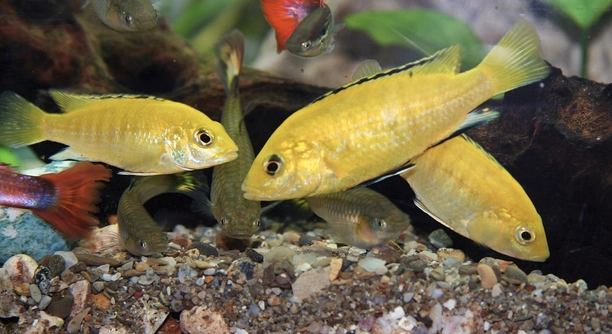
Electric Yellow Cichlids are popular for their bright colors and lively behavior in home aquariums. Many fish owners enjoy watching their interactions but sometimes notice unusual movements that can startle new hobbyists. Observing these behaviors helps maintain a safe tank environment.
Electric Yellow Cichlids are capable of jumping out of tanks, though it is not an extremely common occurrence. Jumping behavior usually happens due to stress, sudden changes in water conditions, or inadequate tank covers that allow escape.
Understanding why these cichlids may jump helps prevent accidents and ensures your fish remain healthy, safe, and thriving in their home environment.
Why Electric Yellow Cichlids Jump
Electric Yellow Cichlids are naturally active fish, and their jumping behavior is often linked to stress or environmental changes. Loud noises, sudden movements near the tank, or nearby vibrations can trigger an instinctive jump. Additionally, poor water quality can make them restless, as these fish are sensitive to ammonia, nitrate, and pH fluctuations. Even changes in temperature can cause them to leap out unexpectedly. Tanks without proper covers are risky, as these fish can easily escape in their attempt to react to discomfort or curiosity. Overcrowding also increases stress levels, making them more likely to jump. Providing plenty of hiding spaces and consistent water conditions helps reduce this behavior. Observing their patterns can reveal specific triggers, allowing you to adjust the environment. Lighting changes, feeding schedules, and tank mates can all influence activity levels. Understanding their natural instincts is key to creating a safe, calm tank environment where jumping is minimized.
Covering the tank securely prevents accidents and protects the fish from harm.
Keeping water clean and stable is essential to reduce stress and avoid jumping incidents. Regular testing, partial water changes, and proper filtration all contribute to a safer, calmer environment. Consistency in maintenance ensures fish are comfortable and reduces the likelihood of escape attempts. Monitoring their behavior daily helps spot issues early, like aggressive tank mates or sudden environmental changes. Tank decorations that provide hiding spots also make them feel more secure, lowering stress-induced jumps. Lighting schedules that mimic natural conditions and steady feeding routines add stability. Even small adjustments, such as reducing sudden loud noises near the tank, can have a big impact. By observing and addressing these factors, fish owners can greatly reduce jumping incidents. Safe tank design combined with attentive care ensures Electric Yellow Cichlids thrive without risking harm from leaping outside their habitat.
Common Triggers of Jumping
Stress from other fish or environmental factors can lead to jumping.
Electric Yellow Cichlids may leap due to sudden water changes, aggressive tank mates, or disturbances in their environment. Feeding inconsistencies, water temperature fluctuations, and lack of hiding spaces increase the chance of this behavior. Overcrowded tanks or sharp decor can make them feel unsafe, prompting jumps. Observing tank conditions closely helps identify triggers before accidents occur. Implementing gradual water changes, maintaining stable temperatures, and monitoring interactions between fish reduces stress. Providing adequate shelter and a secure lid gives them a safe environment. These simple measures can prevent most jumping incidents and keep fish calm and healthy in the long term. Consistent care and attention make a significant difference in minimizing this natural, yet risky, behavior.
How to Prevent Jumping
A secure lid is the simplest way to prevent Electric Yellow Cichlids from jumping out. Make sure it fits tightly and has no gaps. Heavy-duty mesh or glass covers work best. This is especially important if your tank is in a busy area or near vibrations that may startle them.
Maintaining stable water conditions also helps reduce jumping. Frequent testing of ammonia, nitrite, nitrate, and pH ensures a safe environment. Sudden temperature changes should be avoided, and gradual water changes are safer than large, abrupt ones. Providing hiding spots like rocks or plants makes them feel secure and less likely to leap. Proper feeding routines also keep them calm. Stress from aggressive tank mates or overcrowding can trigger jumps, so monitor interactions carefully. Observing their behavior daily helps identify issues before they become problems.
Tank placement matters for reducing stress-induced jumps. Keep it away from heavy foot traffic, loud appliances, or sudden movements. Even small vibrations can trigger a jump. Lighting should mimic natural patterns, avoiding sudden bright flashes or darkness. Decorations with smooth edges prevent injuries if they do jump inside the tank. Maintaining consistency in feeding, water changes, and tank interactions makes them feel secure. A calm, predictable environment significantly lowers jumping incidents, helping your fish stay healthy and safe.
What to Do If a Cichlid Jumps
Immediate action can save a fish if it jumps out of the tank.
If a fish lands outside the water, act quickly but calmly. Wet your hands before touching it to protect its slime coat. Gently return it to the tank as soon as possible. Observe for signs of stress or injury. Minor scrapes may heal naturally in a healthy environment. Avoid handling the fish more than necessary, as extra stress can worsen recovery.
Preventing future jumps requires careful observation and adjustments. Check tank conditions for water quality, temperature, and potential stressors. Add or rearrange hiding spots, and ensure a secure lid is always in place. Monitor interactions between fish and reduce overcrowding if needed. Gradual changes in the tank environment help them feel safe. By addressing these factors, you can reduce the risk of repeat jumps and create a stable, comfortable habitat for Electric Yellow Cichlids to thrive.
Tank Setup Tips
A properly set up tank reduces jumping risks significantly. Ensure there is enough space for swimming, plenty of hiding spots, and stable decorations that won’t shift or fall. Smooth surfaces prevent injuries if they jump inside the tank.
Water depth and tank dimensions matter. A deeper tank gives them room to explore, while adequate length allows natural swimming patterns. Avoid overcrowding to reduce stress and aggression, which can trigger jumps. Keeping the tank in a low-traffic area adds stability and security for the fish, minimizing sudden startle responses.
Feeding Habits
Consistent feeding routines keep Electric Yellow Cichlids calm and focused. Overfeeding or irregular schedules can increase restlessness and the likelihood of jumping. Feed small portions multiple times a day and remove excess food promptly to maintain clean water. A balanced diet of pellets, flakes, and occasional live food supports their health and energy levels.
Signs of Stress
Stress in Electric Yellow Cichlids often leads to jumping. Watch for rapid swimming, hiding excessively, or aggression toward tank mates. These behaviors indicate discomfort, environmental issues, or poor water conditions. Identifying stress early allows for prompt adjustments, reducing the risk of injury and promoting a healthier, calmer fish.
Choosing Tank Mates
Compatible tank mates reduce conflict and stress. Avoid overly aggressive or fin-nipping species, as they can provoke jumps. Select peaceful, similarly sized fish to create a balanced, harmonious environment. Proper pairing helps maintain calm behavior and encourages natural interactions without unnecessary stress.
FAQ
Do Electric Yellow Cichlids jump often?
Jumping is not extremely common, but it can happen under certain conditions. Stress, poor water quality, sudden temperature changes, or aggressive tank mates can make them more likely to leap. Providing a secure lid and a calm environment significantly reduces the chance of this behavior.
Why do my cichlids jump out of the tank?
They usually jump in response to stress or discomfort. Loud noises, vibrations, and overcrowding can trigger this behavior. Sudden water changes or fluctuations in pH, temperature, and ammonia levels can also cause them to jump as a way of escaping unfavorable conditions.
Can jumping hurt Electric Yellow Cichlids?
Yes, jumping outside the tank can be very dangerous. They risk injury from hard surfaces, falling, or hitting tank decorations. Even if they land back in the water quickly, stress and minor scrapes can make them more susceptible to illness.
How can I prevent my cichlids from jumping?
A tight-fitting lid is the most effective prevention. Additionally, maintaining stable water conditions, providing hiding spots, avoiding sudden noises, and minimizing aggressive tank mates all help. Consistent feeding schedules and regular observation reduce stress, keeping your fish safer in their environment.
What should I do if a cichlid jumps out?
Act quickly but gently. Wet your hands first to protect their slime coat, then carefully return the fish to the water. Observe for signs of injury or stress. Minor scrapes often heal naturally, but avoid unnecessary handling to reduce additional stress.
Does tank size affect jumping behavior?
Yes, a larger tank reduces jumping risks by giving them room to swim naturally. Overcrowded or small tanks increase stress and aggression, making fish more likely to leap. Ensure your tank has enough depth, length, and hiding spaces for a calm and comfortable environment.
Do tank decorations influence jumping?
Decorations play a big role. Sharp or unstable items can injure fish if they jump inside the tank. Rocks, plants, and other structures should be secure, smooth, and positioned to provide shelter. Adequate hiding spots reduce stress, which in turn lowers the likelihood of jumps.
Can water quality cause jumping?
Poor water quality is a common trigger. High ammonia, nitrite, or nitrate levels, as well as rapid pH changes, create stress and restlessness. Regular testing, partial water changes, and proper filtration keep conditions stable and discourage jumping behavior.
Are certain cichlids more prone to jumping than others?
Electric Yellow Cichlids are moderately active and occasionally jump, especially when stressed. Other species may jump more frequently due to temperament or environmental sensitivity. Observing the fish’s behavior and adapting their tank setup accordingly helps prevent accidents.
How do I know if a cichlid is stressed?
Signs include rapid or erratic swimming, hiding excessively, aggression toward tank mates, and loss of appetite. Stress often precedes jumping, so addressing these behaviors early with improved water conditions, secure lids, and suitable tank mates reduces risks and promotes a healthier fish.
Can lighting affect jumping behavior?
Yes, sudden changes in lighting or overly bright conditions can startle cichlids. Mimicking natural light patterns and avoiding abrupt on/off lighting helps keep them calm. Consistent lighting schedules reduce stress and discourage attempts to escape or jump out of the tank.
Do cichlids jump at night?
It can happen, especially if the tank is disturbed by vibrations, lights, or other movement. Ensuring the tank is covered and located in a low-traffic area at night minimizes this risk. A predictable environment helps them feel safe even during dark hours.
How do I handle multiple jumping incidents?
Evaluate tank conditions first. Check water quality, stress factors, and tank mates. Add or rearrange hiding spaces and ensure a secure lid. Monitoring behavior and making gradual adjustments often stops repeated jumps and creates a calmer, safer habitat for your fish.
Can diet influence jumping behavior?
Yes, irregular feeding schedules or overfeeding can increase restlessness. Providing small, balanced meals multiple times a day keeps them calm and focused, which reduces sudden bursts of activity that may lead to jumping. Removing uneaten food also maintains clean water and reduces stress.
Is it normal for cichlids to explore above water?
Occasionally, they may jump out of curiosity or instinct, but frequent attempts indicate stress or poor tank conditions. Observing patterns and addressing environmental triggers helps reduce these dangerous behaviors while keeping fish active and healthy.
Do cichlids always return to the water if they jump?
Not always. They can land on hard surfaces and get injured. Even if they make it back to the tank, stress or scrapes may affect their health. Preventing jumps with lids and a calm environment is always safer than relying on them to return safely.
How long does it take a jumped cichlid to recover?
Recovery time depends on injury severity. Minor scrapes may heal within days, but stress recovery can take longer. Providing a stable, clean tank with hiding spots and minimal handling supports quicker healing and reduces chances of illness after a jump.
Can water changes cause jumping?
Large or sudden water changes can shock cichlids, prompting them to jump. Gradual water changes and careful adjustment of temperature and pH reduce this risk. Consistent maintenance routines create stability, preventing stress-induced jumps in the tank.
Are some tank setups safer than others?
Yes, tanks with secure lids, proper dimensions, smooth decorations, and sufficient hiding spots are much safer. Placement in low-traffic areas and consistent water maintenance also help. A thoughtfully arranged tank keeps Electric Yellow Cichlids healthy, calm, and less likely to jump unexpectedly.
Does overcrowding trigger jumping?
Overcrowded tanks increase stress and competition for territory, making cichlids more prone to jumping. Providing adequate space, hiding spots, and compatible tank mates minimizes conflicts and encourages calmer behavior, reducing the chance of dangerous leaps.
Final Thoughts
Electric Yellow Cichlids are lively and colorful fish that bring energy to any aquarium. Their natural activity level can sometimes lead to jumping, especially if they feel stressed or uncomfortable. Understanding their behavior is important to ensure they stay safe and healthy. Stress can come from several sources, including loud noises, sudden movements near the tank, or changes in water quality. Even small fluctuations in temperature or pH can make them restless. Overcrowding or aggressive tank mates also contribute to anxiety and jumping behavior. Observing how your fish behave on a daily basis helps identify potential triggers before they become serious problems. Providing a calm environment with predictable routines allows them to feel secure and reduces the likelihood of dangerous leaps.
Creating a safe tank setup is one of the most effective ways to prevent jumping. A secure lid is essential, as it physically stops fish from escaping and protects them from injury. Adequate tank dimensions and depth give them enough room to swim naturally without feeling confined. Decorations, plants, and hiding spaces reduce stress and give them areas to retreat when needed. Smooth surfaces help prevent injury if they do make sudden movements inside the tank. Regular maintenance of water quality is equally important, as poor water conditions can trigger restless behavior. Testing water parameters, performing partial water changes, and maintaining filtration all help maintain stability. Consistent feeding routines, proper lighting, and thoughtful placement of the tank in a low-traffic area further support a calm and comfortable environment.
Even with precautions, accidents can still happen. Knowing how to respond quickly if a fish jumps out is vital. Handling them gently, using wet hands to protect their slime coat, and returning them carefully to the water can prevent serious harm. Minor injuries often heal naturally in a healthy environment, but stress should always be minimized to aid recovery. Observing fish behavior over time also provides insight into their comfort levels and helps prevent repeated jumping incidents. By combining attentive care, proper tank design, and a focus on stress reduction, Electric Yellow Cichlids can thrive safely. Keeping these fish healthy, happy, and active requires attention, but the effort pays off in the form of a vibrant and lively aquarium where they can display their natural beauty without risk.

Hello,
If you enjoy the content that we create, please consider saying a "Thank You!" by leaving a tip.
Every little bit helps us continue crafting quality advice that supports the health, happiness, and well-being of pets around the world, for pets of all shapes, sizes, and species.
We really appreciate the kindness and support that you show us!