
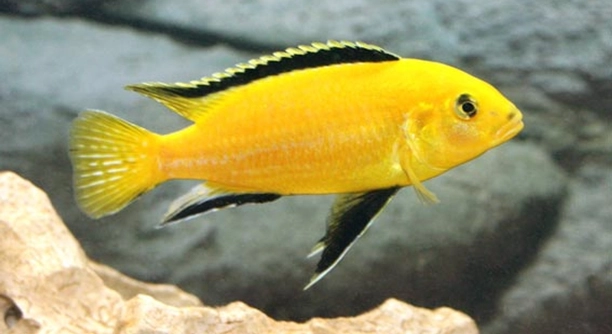
Keeping electric yellow cichlids can be a rewarding experience for any aquarium enthusiast. These vibrant fish are lively and full of personality, making them a beautiful addition to home tanks. Proper care is essential for their long-term health.
Maintaining the health of electric yellow cichlids requires stable water conditions, a balanced diet, and appropriate tank mates. Regular water changes, proper filtration, and monitoring water parameters such as pH and temperature are crucial to prevent stress and disease.
Understanding these basics will help you create an environment where your cichlids can thrive. Maintaining consistency and attention to detail ensures your fish remain active and healthy for years.
Tank Setup and Environment
Creating a comfortable tank for electric yellow cichlids starts with choosing the right size and layout. A tank of at least 55 gallons is recommended, as these fish are active swimmers. Fine sand or smooth gravel works well for the substrate, preventing injuries while allowing natural digging behaviors. Rocks, caves, and hiding spots give them security and reduce aggression, especially if multiple males are present. Avoid sharp decorations that can harm their delicate fins. Proper filtration is essential to maintain clean water, and a heater helps keep the temperature stable between 74-82°F. Lighting should be moderate, mimicking their natural habitat, and live plants can provide extra shelter and help with water quality. Regular monitoring of water parameters like pH (7.8-8.6) and hardness ensures a stable environment, reducing stress and promoting healthy growth. By carefully planning the tank layout, you set the foundation for strong, active, and colorful fish.
Stable water and thoughtful décor make a big difference in fish behavior and health. Proper hiding spots reduce stress significantly.
Electric yellow cichlids are sensitive to overcrowding and rapid changes in their environment. Each fish needs enough space to establish its territory, especially males who can become aggressive during breeding. Decorations and caves help prevent conflict, giving shy fish areas to retreat. Substrate choice also matters, as they enjoy digging and moving sand or gravel. Uneaten food and waste can accumulate quickly, so regular vacuuming and water changes are important. Testing water parameters weekly helps detect any problems early, keeping ammonia, nitrite, and nitrate levels safe. Combining stable water conditions with a well-thought-out environment encourages natural behavior and vibrant coloration. Maintaining this balance prevents common issues like fin damage, stress, and susceptibility to disease, ensuring your cichlids remain healthy and active over the long term.
Feeding and Nutrition
A balanced diet is key to long-term health for electric yellow cichlids. Offering high-quality pellets or flakes formulated for cichlids supports growth and coloration.
Feeding should be done two to three times daily in small amounts. Overfeeding can cause water quality issues and digestive problems.
Including occasional live or frozen foods like brine shrimp, bloodworms, or daphnia provides protein and variety. Vegetables such as blanched zucchini or spinach can help with digestion and maintain vibrant color. Avoid feeding solely meat-based diets, as they can lead to health problems. Rotate food types to ensure they receive essential nutrients. Observing your fish while feeding helps monitor appetite and detect early signs of illness. Consistent feeding routines combined with proper diet strengthen immunity, enhance coloration, and support active behavior. Proper nutrition is one of the easiest ways to ensure your electric yellow cichlids thrive and remain healthy for years.
Water Maintenance and Filtration
Regular water changes are essential to keep electric yellow cichlids healthy. Changing 20-25% of the water weekly removes waste, excess nutrients, and toxins, maintaining a stable environment that prevents stress and disease.
Using a reliable filter ensures water stays clean and oxygenated. Mechanical filtration removes debris, while biological filtration supports beneficial bacteria that break down harmful compounds like ammonia and nitrites. Choosing a filter rated for a slightly larger tank than you have improves efficiency. Cleaning the filter media gently during water changes avoids killing bacteria while keeping flow consistent. Monitoring water clarity and smell gives a good sense of water quality and tank health.
Testing water regularly is crucial for detecting small changes before they become problems. Measuring pH, ammonia, nitrite, and nitrate levels weekly helps maintain stability. Adjusting temperature, hardness, or other parameters slowly prevents shock and supports fish immunity. Maintaining a clean tank reduces disease outbreaks and encourages natural behavior, keeping fish active and vibrant over the long term. Consistency and attention to detail make all the difference in sustaining a healthy cichlid environment.
Social Behavior and Tank Mates
Electric yellow cichlids can be territorial, especially males, so careful selection of tank mates is important. Aggressive or overly passive species may disrupt harmony in the aquarium.
Grouping fish in odd numbers and providing ample hiding spots minimizes fighting. Combining fish of similar size and temperament reduces stress. Avoid overcrowding, as limited space increases tension. Observing behavior regularly helps identify early signs of aggression or bullying. Introducing new fish slowly allows everyone to acclimate and establish territories safely.
Mating pairs can become highly protective, so extra shelter is important. Keeping compatible species together supports natural social structures, minimizing stress and injury. Some cichlids form small communities when enough space and hiding areas exist, which encourages more natural interactions. By understanding social behavior and providing appropriate tank mates, aggression is reduced, and fish can display their full colors and natural activity. Proper planning ensures a calm, balanced, and healthy aquarium environment over time.
Disease Prevention and Observation
Regular observation is key to keeping electric yellow cichlids healthy. Watch for changes in behavior, appetite, or appearance, as these can indicate stress or early signs of illness.
Quarantining new fish before adding them to the main tank reduces the risk of introducing diseases. A few weeks in a separate tank helps ensure they are healthy and prevents outbreaks.
Temperature and pH Stability
Electric yellow cichlids thrive in stable temperatures between 74-82°F and a pH of 7.8-8.6. Sudden fluctuations can stress fish and weaken immunity. Use a reliable heater and thermometer, and adjust changes gradually. Consistency in water conditions promotes growth, vibrant coloration, and long-term health for all fish in the tank.
Breeding Considerations
Providing flat rocks or caves encourages natural breeding behaviors. Avoid overcrowding to reduce stress and territorial aggression, supporting successful reproduction.
FAQ
How often should I change the water for my electric yellow cichlids?
Water changes should be done weekly, replacing about 20-25% of the tank water. This helps remove waste, uneaten food, and toxins that can build up. Regular changes maintain stable water conditions, which is essential for keeping your cichlids healthy and active.
What is the ideal tank size for electric yellow cichlids?
A minimum of 55 gallons is recommended for a small group. Larger tanks reduce territorial aggression and provide enough swimming space. A spacious environment encourages natural behavior, prevents stress, and supports growth, vibrant coloration, and long-term health.
Can electric yellow cichlids live with other cichlids?
Yes, but compatibility depends on temperament and size. Avoid overly aggressive species. Providing hiding spots and rocks helps reduce conflict. Monitoring behavior regularly ensures all fish remain safe and stress-free. Introducing new fish slowly allows territories to form without excessive fighting.
What should I feed electric yellow cichlids?
High-quality pellets or flakes formulated for cichlids should be the main diet. Supplement with live or frozen foods like brine shrimp, bloodworms, or daphnia. Occasionally offer vegetables like zucchini or spinach for fiber. A balanced diet supports color, growth, and overall health.
How can I tell if my cichlids are stressed?
Signs include hiding excessively, loss of appetite, dull coloration, and unusual swimming patterns. Stress often comes from poor water conditions, overcrowding, or incompatible tank mates. Addressing the cause promptly can prevent illness and maintain their well-being.
Do electric yellow cichlids need a heater?
Yes, they thrive in temperatures between 74-82°F. A heater with a reliable thermostat keeps water stable. Sudden temperature changes can weaken their immune system and cause health issues. Gradual adjustments are always safest.
How often should I test water parameters?
Weekly testing of pH, ammonia, nitrite, and nitrate levels is ideal. Consistent monitoring helps detect problems early and prevents disease. Keeping parameters stable supports immune function and reduces stress.
What are common health issues in electric yellow cichlids?
They are susceptible to fin rot, ich, and swim bladder issues if water quality is poor or diet is unbalanced. Early detection through observation and regular maintenance prevents these problems. Proper filtration, diet, and quarantine practices reduce risks.
How do I prevent aggression in the tank?
Provide enough space, hiding spots, and rocks. Keep males in limited numbers relative to females. Observing interactions and separating aggressive individuals if necessary maintains a peaceful environment. Overcrowding increases conflict, so plan the tank population carefully.
Can I breed electric yellow cichlids in a home tank?
Yes, provide flat rocks or caves and stable conditions. Keep a ratio of more females than males to reduce aggression. Feeding a nutritious diet supports reproduction. Monitoring fry is important to ensure they are safe and thriving in the community tank.
How important is filtration for electric yellow cichlids?
Filtration is critical. Mechanical filtration removes debris, and biological filtration supports beneficial bacteria that break down toxins. A strong filter rated slightly above the tank’s size keeps water clear, oxygenated, and healthy, reducing stress and disease risk.
Do electric yellow cichlids need live plants?
Live plants are optional but helpful. They provide hiding spots, improve water quality, and can reduce aggression. Choose sturdy plants that tolerate digging or use artificial plants to mimic the same benefits.
Can I keep a single electric yellow cichlid?
It is not recommended. They are social and thrive in groups. A single fish can become stressed, lonely, or aggressive toward its reflection. Small groups promote natural behavior, activity, and overall happiness.
How long do electric yellow cichlids live?
With proper care, they can live 8-10 years or more. Stable water conditions, balanced diet, and a peaceful environment extend their lifespan, ensuring they remain healthy and colorful for many years.
What should I do if a fish gets sick?
Isolate the affected fish in a quarantine tank. Identify the issue using observation and testing. Treat with appropriate medication while maintaining excellent water conditions. Prompt action prevents the spread of disease and protects the rest of the tank.
How often should I clean the tank decorations and substrate?
Regular maintenance during water changes is sufficient. Gently rinse decorations and vacuum substrate to remove waste. Avoid harsh cleaning that could harm beneficial bacteria. Keeping the tank clean supports water quality and reduces disease risk.
Are electric yellow cichlids sensitive to noise or vibrations?
Yes, sudden vibrations or loud noise can stress them. Place the tank in a quiet, stable area away from heavy foot traffic or household appliances. Reducing disturbances encourages normal behavior and maintains their health.
Can I mix different color morphs of cichlids in one tank?
Yes, but monitor behavior closely. Color morphs do not always indicate temperament differences. Space, hiding spots, and group size are more important factors in maintaining harmony than color variations.
What is the best way to introduce new cichlids to an established tank?
Quarantine new fish first. Introduce them slowly by floating them in a bag or using a divider. This allows fish to see each other without direct contact, reducing aggression and helping territories settle naturally.
How do I encourage my cichlids to eat vegetables?
Blanch vegetables like zucchini, spinach, or peas before feeding. Offer small portions to prevent waste. Repeated exposure helps them accept plant matter, improving digestion, color, and overall health.
Can stress affect the coloration of electric yellow cichlids?
Yes, stress often causes duller colors. Stable water, appropriate tank mates, proper diet, and sufficient hiding spaces help maintain their bright yellow hue. Stress reduction supports both health and visual appeal.
Is it necessary to remove uneaten food immediately?
Yes, uneaten food can decay and pollute the water. Removing leftovers during water changes or with a siphon keeps water clean and prevents spikes in ammonia or nitrate levels, reducing the risk of disease.
How important is lighting for electric yellow cichlids?
Moderate lighting helps mimic natural conditions. Proper lighting enhances color but avoid intense or constant light, which can cause stress or algae growth. A balanced light cycle supports normal activity and overall well-being.
Do electric yellow cichlids need supplements or vitamins?
A balanced diet usually provides necessary nutrients. Occasionally offering varied foods like live, frozen, or vegetables ensures proper nutrition. Supplements can be used if diet is limited, but overuse may cause water quality issues.
What is the best way to monitor fish health daily?
Observe swimming patterns, feeding behavior, and coloration. Look for signs of illness like spots, torn fins, or lethargy. Regular monitoring helps detect problems early, allowing prompt action before issues worsen.
How can I reduce algae growth in the tank?
Control light exposure, avoid overfeeding, and maintain regular water changes. Live plants can compete with algae for nutrients. Keeping the tank clean and balanced reduces algae buildup and keeps fish healthy.
Can electric yellow cichlids adapt to minor changes in water hardness?
They can tolerate small shifts, but sudden or extreme changes stress them. Gradual adjustments allow acclimation, maintaining health and natural behavior. Consistency in water chemistry is always preferred.
What is the recommended male-to-female ratio?
A ratio of one male to at least two or three females reduces aggression. Males become territorial, so having multiple females disperses attention and lowers stress. Proper ratios help maintain peace and promote natural behavior.
Are electric yellow cichlids aggressive toward invertebrates?
Yes, they may eat or harass shrimp and small snails. Avoid keeping small invertebrates in the same tank. Larger, fast-moving species may coexist, but observation is necessary to prevent predation or stress.
How can I tell if my fish are comfortable in the tank?
Active swimming, bright coloration, and regular feeding indicate comfort. Fish exploring hiding spots without excessive aggression or stress signals are likely happy. Monitoring daily ensures the environment supports well-being.
Is it necessary to aerate the tank?
Aeration is beneficial but not always required if the filter provides sufficient water movement and oxygen exchange. Additional air stones can help in densely stocked tanks or during hot weather when oxygen levels drop.
What should I do if ammonia levels rise suddenly?
Perform an immediate partial water change and check filtration. Investigate the source, such as overfeeding or decaying food. Treating early prevents stress and potential illness, protecting your cichlids’ long-term health.
How do I acclimate new fish to temperature and pH?
Float the bag in the tank to equalize temperature, then slowly mix tank water into the bag. Gradual acclimation prevents shock and reduces stress, allowing new fish to adapt safely to existing conditions.
Can electric yellow cichlids recognize each other or the tank owner?
They show recognition through social behavior and interaction patterns. While they may not recognize humans individually, they learn feeding routines and respond to familiar cues, which can improve feeding efficiency and comfort in the tank.
Are there any long-term risks of keeping cichlids in small tanks?
Small tanks increase aggression, stress, and waste buildup. Overcrowding leads to disease and stunted growth. Providing sufficient space, filtration, and hiding areas prevents health issues and supports longevity.
How can I tell the difference between male and female cichlids?
Males are often larger, more vibrant, and develop a pointed dorsal fin. Females are smaller and may display subtle coloration. Observation over time helps confirm gender, especially during breeding periods.
What is the best way to remove sick fish from the main tank?
Use a small net or container to carefully transfer the fish to a quarantine tank. Ensure water parameters match the main tank to reduce additional stress. Treat promptly with appropriate medication.
Can electric yellow cichlids live with bottom-dwelling fish?
Yes, species like catfish or loaches that occupy lower levels can coexist. Ensure tank size is adequate and hiding spots are available to reduce territorial disputes. Monitor interactions to prevent stress or aggression.
How do I encourage natural digging behavior safely?
Provide sand or fine gravel as substrate. Include rocks and decorations that allow fish to move substrate without harming themselves. This enriches their environment and reduces boredom or stress.
Should I feed my cichlids at the same time every day?
Yes, consistent feeding times establish routine and reduce stress. Small, frequent meals are better than one large feeding, helping maintain water quality and healthy digestion.
Are there signs that indicate it is time to upgrade the tank?
Overcrowding, constant aggression, or stunted growth indicate a need for a larger tank. Expanding the environment ensures each fish has enough space to thrive and maintain long-term health.
What precautions should I take during vacations or extended absences?
Arrange automatic feeders or have someone monitor feeding and water quality. Ensure filtration runs efficiently and test water before leaving. Proper preparation prevents stress, poor water conditions, and health issues.
Can electric yellow cichlids tolerate slightly different water parameters than recommended?
They are somewhat adaptable, but stability is more important than exact numbers. Minor fluctuations are acceptable if changes are gradual and consistent. Sudden or extreme changes cause stress and health problems.
How do I prevent fungal infections in the tank?
Maintain clean water, remove uneaten food, and isolate sick fish promptly. Avoid injuries by using smooth decorations and handling fish carefully. Preventive care reduces the risk of fungal outbreaks and promotes overall health.
Is it necessary to perform partial water changes after medication treatment?
Yes, after treating a fish, partial water changes help remove chemical residues. This reduces stress and prevents negative effects on the beneficial bacteria and overall tank ecosystem.
How can I improve the color of electric yellow cichlids naturally?
Provide a balanced diet with protein, vegetables, and occasional live or frozen foods. Stable water conditions, low stress, and proper lighting also enhance natural coloration over time.
What is the maximum number of cichlids I can keep in a 55-gallon tank?
A small group of 6-8 is manageable. Males should be limited, and hiding spaces provided. Overcrowding increases aggression, stress, and waste, so careful planning ensures a balanced and healthy environment.
Can electric yellow cichlids live in outdoor ponds?
They are tropical fish and prefer stable indoor conditions. Outdoor ponds may expose them to temperature fluctuations, predators, and algae issues. Indoor aquariums offer safer, controlled conditions for long-term health.
How do I maintain a quarantine tank effectively?
Use a smaller tank with filtration, heater, and hiding spots. Observe new fish for at least two weeks. Regular water changes and monitoring ensure any disease is detected before introducing fish to the main tank.
Are electric yellow cichlids prone to obesity?
Yes, overfeeding and high-fat foods can cause weight gain. Feeding small portions and varying diet types prevents obesity and related health issues, keeping fish active and healthy.
How do I handle aggressive behavior during breeding?
Provide extra hiding spaces and reduce tank population if necessary. Observing interactions closely allows you to intervene before fights escalate. Adequate space and structure help breeding pairs remain protective without harming other fish.
What is the safest way to acclimate fish from a store to my tank?
Float the sealed bag in the tank for temperature equalization. Slowly add tank water to the bag over 30-60 minutes. Gradual acclimation minimizes shock and stress, ensuring fish adjust safely.
Do electric yellow cichlids need constant monitoring?
Daily observation is recommended but not intrusive. Watching feeding, swimming, and coloration takes a few minutes and helps detect early problems, maintaining their health without constant interference.
Can they live with fast-swimming mid-level fish?
Yes, active mid-level fish like tetras or danios can coexist if tank size is adequate. Monitor interactions to ensure cichlids do not become aggressive toward newcomers or stressed by their activity.
How important is gravel size for substrate?
Fine sand or smooth gravel is best. Large or sharp gravel can damage fins and gills. Proper substrate supports natural digging behavior safely and contributes to a healthy tank environment.
What should I do if a fish refuses to eat?
Check water quality and tank conditions. Offer a variety of foods, including live or frozen options. Monitor for signs of illness, and isolate if necessary to prevent spreading disease.
How can I keep my cichlids active and engaged?
Provide hiding spots, caves, and decorations. Rotate tank layout occasionally and vary diet. A stimulating environment reduces stress, encourages natural behavior, and maintains activity levels.
Are electric yellow cichlids hardy fish for beginners?
They are moderately hardy but need stable conditions, proper diet, and compatible tank mates. Attention to water quality, tank setup, and behavior is essential for beginners to succeed.
How long should I quarantine new plants or decorations?
At least one week for plants and new decorations helps prevent introducing pests, algae, or pathogens. Rinsing and monitoring reduces the risk of contaminating the main tank.
Can I use tap water directly for my tank?
Tap water must be treated to remove chlorine or chloramine. Using a water conditioner ensures safe water for cichlids. Regular testing prevents unexpected chemical spikes.
Is it okay to mix male cichlids in one tank?
Only in large tanks with enough hiding spots. Too many males in a small tank increases aggression. Monitoring interactions and providing structure reduces conflict.
How do I prevent overcrowding as fish grow?
Plan for adult size and adjust tank population accordingly. Consider upgrading tank or relocating fish if necessary. Adequate space supports health, reduces aggression, and ensures long-term well-being.
Do electric yellow cichlids need special lighting for breeding?
Normal lighting is sufficient. Stable conditions and hiding spots encourage spawning. Avoid bright or constant lighting, which can stress breeding pairs.
What is the best water conditioner for cichlids?
Any conditioner that removes chlorine and chloramine is suitable. Some also detoxify heavy metals. Choose a reputable brand and follow instructions for safe use.
Can I use a gravel vacuum during water changes?
Yes, gently vacuuming substrate removes debris without disturbing beneficial bacteria. Regular use keeps water quality high and reduces the risk of disease.
How do I prevent fin damage during fights?
Provide hiding spots and sufficient space. Limit the number of males relative to females. Smooth decorations and careful observation minimize injuries.
Should I adjust feeding during winter or colder months?
If temperature is stable indoors, feeding can remain consistent. Fish metabolism slows slightly at lower temperatures, but indoor heaters usually maintain optimal conditions, so diet does not need major changes.
How can I encourage healthy growth?
Stable water conditions, a balanced diet, and proper space promote growth. Avoid stress, overcrowding, and poor water quality, as these can stunt development. Monitoring behavior ensures all fish are thriving.
What is the lifespan of electric yellow cichlids in ideal conditions?
They can live 8-10 years or longer. Consistent care, proper diet, clean water, and minimal stress contribute to longevity. Regular observation and maintenance help achieve this lifespan.
How do I prevent ammonia spikes after adding new fish?
Add fish gradually, monitor water closely, and perform partial water changes if necessary. Ensure filtration is adequate to handle the increased bioload. Gradual introduction prevents toxic spikes and keeps fish healthy.
Are electric yellow cichlids suitable for community tanks?
Yes, with careful planning. Choose compatible, similarly sized fish, provide hiding spots, and avoid overcrowding. Monitoring behavior ensures a peaceful community without stress or aggression.
How do I know if my filtration system is sufficient?
The water should remain clear, oxygenated, and free from debris. Ammonia, nitrite, and nitrate levels should stay within safe limits. Proper flow and filtration capacity prevent buildup of harmful compounds.
What should I do if a fish is bullied?
Separate the bullied fish temporarily or provide additional hiding spaces. Adjust tank layout or reduce population if necessary. Observing interactions ensures safety and reduces stress for all fish.
Can electric yellow cichlids live with snails?
Large or fast-moving snails may coexist, but small or slow snails are often eaten. Monitor interactions and choose species carefully to prevent predation or stress.
Do I need to trim live plants for cichlids?
Yes, trimming maintains healthy growth and prevents overgrowth that can limit swimming space. Some cichlids may dig or damage plants, so hardy species are preferable.
How do I prevent disease in young fry?
Maintain clean water, provide proper nutrition, and avoid overcrowding. Quarantine any new additions. Healthy parents, stable conditions,
Caring for electric yellow cichlids requires attention, consistency, and a bit of patience. These fish thrive in stable water conditions, with clean tanks, proper filtration, and regular monitoring of temperature, pH, and hardness. Even small changes in water quality or overcrowding can cause stress, so keeping a steady routine is essential. Regular water changes, gentle cleaning of decorations and substrate, and a well-maintained filter help prevent buildup of waste and harmful toxins. Observing your fish daily for behavior, feeding patterns, and coloration allows you to detect early signs of stress or illness. By addressing small issues promptly, you can avoid bigger health problems and ensure your cichlids remain active, vibrant, and healthy for years.
Providing a proper diet is another important factor in long-term care. High-quality cichlid pellets or flakes should make up the base of their nutrition, while occasional live or frozen foods such as brine shrimp or bloodworms add variety and protein. Including vegetables like blanched zucchini or spinach improves digestion and supports bright coloration. Avoid overfeeding, as leftover food can quickly deteriorate water quality and increase the risk of disease. Feeding small amounts multiple times a day, instead of one large meal, is more manageable for their digestion and keeps the tank cleaner. A balanced diet, combined with regular maintenance, creates an environment where your fish can display natural behaviors and reach their full potential in size and color.
Social dynamics in the tank also play a large role in keeping electric yellow cichlids healthy. These fish are territorial, particularly males, so providing enough hiding spots, rocks, and caves helps reduce aggression. Keeping males in limited numbers relative to females and observing interactions regularly prevents conflicts from escalating. Introducing new fish slowly and using quarantine practices helps prevent disease and allows the group to settle naturally. Understanding their behavior and offering sufficient space ensures a calmer, more balanced tank environment. With careful attention to water quality, nutrition, and social structure, electric yellow cichlids can live long, healthy lives while showing their full vibrant colors and active personalities. Proper care may take effort, but it results in a rewarding and visually striking aquarium.

Hello,
If you enjoy the content that we create, please consider saying a "Thank You!" by leaving a tip.
Every little bit helps us continue crafting quality advice that supports the health, happiness, and well-being of pets around the world, for pets of all shapes, sizes, and species.
We really appreciate the kindness and support that you show us!