
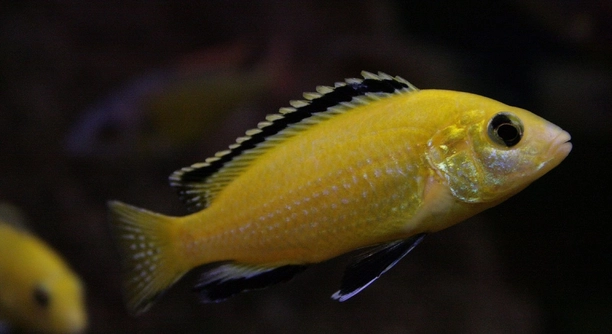
Electric Yellow Cichlids are known for their bright colors and lively personalities in home aquariums. Observing their behavior can be both entertaining and insightful for understanding their natural instincts and social interactions.
Electric Yellow Cichlids display pairing behaviors through close swimming, mutual grooming, and territorial displays. These fish often clean and defend a chosen area together, indicating a developing bond that precedes mating and reinforces their compatibility.
Learning these subtle behaviors helps you maintain a healthy tank environment while supporting natural cichlid interactions. Recognizing these signs early can enhance both care and enjoyment of your fish.
Signs of Pairing Behavior
Electric Yellow Cichlids often show clear signs when they are forming a pair. You might notice them spending more time close together than with other fish. They swim side by side, often mirroring each other’s movements and occasionally nudging or lightly chasing one another. This behavior signals mutual interest and comfort. Another sign is cleaning behavior. Paired cichlids will often clean rocks, tank surfaces, or each other. It is not aggressive; it is a bonding activity. Territorial displays are also common. When paired, they may guard a chosen area together, chasing away intruders or asserting dominance. Watching these behaviors can feel satisfying, as the fish seem more confident and interactive. Over time, these actions strengthen their connection and establish a routine that shows they are committed to each other. Observing these behaviors can make tank management easier because their pair will often focus on their own space.
Paired cichlids are more territorial and may ignore other fish in the tank. Their bond becomes the focal point.
Recognizing these pairing signs is helpful for maintaining a balanced aquarium. Once a pair has formed, it is easier to predict their behavior around tank decorations, feeding times, and other fish. They tend to be less aggressive toward each other and more consistent in defending their shared territory. Knowing when your fish are paired also helps prevent stress and competition in the tank. Providing flat rocks, caves, or secluded spots supports their natural behaviors. This ensures they can engage in cleaning, guarding, and bonding without interference. Observing these cues allows you to maintain a healthier environment and enjoy the subtle dynamics of your Electric Yellow Cichlids. Their interactions can be fascinating, offering both visual enjoyment and insight into their social patterns.
Encouraging Pairing
You can create an environment that encourages pairing with careful tank setup.
Providing adequate space, hiding spots, and proper nutrition supports natural bonding behaviors. Avoid overcrowding the tank, as stress can prevent pairing. Balanced lighting, regular water changes, and a calm environment allow the fish to feel secure. When conditions are stable, Electric Yellow Cichlids are more likely to engage in mutual grooming, side-by-side swimming, and joint territory defense. These behaviors are essential for establishing a strong pair bond. Observing the fish during feeding and daily routines gives additional cues about their compatibility. A healthy, stress-free environment encourages natural social behaviors and helps the pair thrive over time, ensuring both their happiness and the overall harmony of the tank. Proper planning and observation make pairing more likely while maintaining a peaceful aquarium setting.
Feeding and Pairing
Paired Electric Yellow Cichlids often feed side by side, showing coordination and reduced aggression. They share food spots, sometimes nudging each other gently, which reinforces their bond and shows trust within the pair.
Feeding behavior reveals the strength of a pair. When two cichlids are bonded, they are less likely to compete aggressively over food. They may eat at the same time and often display subtle gestures, like nudging or circling, to communicate. Providing high-quality flakes, pellets, or occasional live foods encourages natural feeding habits while supporting health. Observing how they interact during meals can help confirm a pairing is forming, as mutual focus on feeding rather than conflict is a positive indicator.
It is also important to maintain consistency in feeding schedules. Regular meal times reduce stress and allow the pair to establish routines. Balanced nutrition ensures proper coloration, energy, and overall vitality. Watching them feed together gives a glimpse of their relationship, showing how cooperation and trust develop over time, which is key for long-term pairing success.
Tank Setup for Pairing
Electric Yellow Cichlids benefit from a well-structured tank with hiding spots, rocks, and open swimming areas. Adequate space reduces tension between other fish and supports bonding.
Creating a supportive environment involves placing flat rocks and caves strategically, allowing the pair to claim a territory together. Overcrowding can disrupt their bond, so spacing and tank size are crucial. Proper filtration and stable water parameters reduce stress and encourage natural behaviors. The pair will explore their area together, clean surfaces, and defend their chosen spot. Providing visual barriers helps prevent disputes with other fish while letting the pair feel secure.
Lighting and decoration also play a role. Moderate lighting highlights their colors and encourages daily activity, while smooth rocks and gentle substrates prevent injury. Regular monitoring ensures that water chemistry remains stable, minimizing stress and promoting healthy interactions. A thoughtfully arranged tank supports natural behaviors, strengthens the bond, and ensures both fish remain active, confident, and visually vibrant, enhancing the overall enjoyment of the aquarium.
Monitoring Aggression
Paired Electric Yellow Cichlids may show mild aggression toward other tank mates. This behavior is natural and usually limited to defending their chosen territory. Observing interactions carefully helps distinguish between normal pairing defense and harmful aggression.
Maintaining a balanced tank with plenty of hiding spots reduces conflict. Separating overly aggressive fish early prevents stress and injury.
Breeding Indicators
When ready to breed, paired cichlids become more focused on a single area, cleaning rocks and preparing a flat surface. They may perform synchronized movements and show bright, intensified coloration. These behaviors indicate readiness to spawn and reinforce their bond as a reproductive pair.
Water Quality Considerations
Stable water parameters are critical for paired cichlids. Maintaining proper pH, temperature, and cleanliness ensures health, reduces stress, and supports natural pairing and breeding behaviors. Regular testing and maintenance are essential for a thriving aquarium.
How can I tell if my Electric Yellow Cichlids are really paired?
Paired Electric Yellow Cichlids usually stick close together, swim side by side, and groom each other. They spend most of their time in the same area of the tank, showing reduced interest in other fish. Mutual territory defense and synchronized movements are strong signs of a bond.
Do paired cichlids fight less with other tank mates?
Yes, a bonded pair often focuses aggression on intruders near their territory rather than other unrelated fish. While some chasing or displays may still occur, overall tension in the tank is usually lower when the pair is secure in their relationship.
How long does it take for a pair to form?
Pairing can take several weeks, sometimes longer depending on tank size, environment, and individual fish personalities. Providing space, hiding spots, and consistent care encourages natural bonding behaviors over time. Patience is important, as forcing interaction can create stress and aggression.
Will my cichlids breed once they pair?
Not necessarily. Pairing is the first step, but breeding requires optimal water conditions, proper nutrition, and a safe, flat surface for egg laying. Even bonded pairs may delay or skip spawning if they do not feel secure or healthy.
What signs show my pair is preparing to breed?
Look for intensified coloration, repeated cleaning of flat surfaces or rocks, and synchronized swimming near the chosen territory. They may also chase other fish away more vigorously and spend less time exploring the tank.
Do I need to separate the pair from other fish for breeding?
Not always, but providing enough space and hiding spots helps reduce stress. Overcrowding or overly aggressive neighbors can prevent the pair from feeling secure enough to breed. Some aquarists use partitions temporarily if aggression becomes severe.
How should I feed paired cichlids?
Feed high-quality flakes, pellets, or occasional live food at regular intervals. Observe them eating together and avoid overfeeding. Consistent nutrition supports coloration, energy, and overall health, which is important for maintaining their bond and readiness to spawn.
What role does tank setup play in pairing?
A well-structured tank with caves, flat rocks, and open swimming areas supports natural behaviors. Adequate territory space reduces disputes and encourages side-by-side swimming, cleaning, and joint defense of the area. Stable water parameters and a calm environment enhance comfort and bonding.
Can aggression break a pair apart?
Yes, extreme stress or repeated harassment from other fish may weaken a bond. Maintaining a balanced tank and minimizing stressors helps the pair stay connected and maintain normal behaviors.
How do I support a bonded pair long-term?
Provide consistent water quality, proper nutrition, adequate space, and environmental enrichment. Observing their behaviors and responding to signs of stress or aggression ensures their bond stays strong. Supporting natural routines like feeding, cleaning, and territory defense promotes a healthy, lasting partnership.
Are there any health concerns specific to paired cichlids?
Paired cichlids are generally healthy if water quality, diet, and tank conditions are stable. Stress from overcrowding, poor nutrition, or aggressive neighbors can lead to illness. Regular monitoring and preventive care help maintain both health and behavioral harmony.
Will a pair always stay bonded?
Most bonded pairs remain close, but changes in the tank, such as new aggressive fish or environmental stress, can weaken the relationship. Careful observation and appropriate adjustments to the tank environment help maintain long-term pairing stability.
How can I encourage a shy cichlid to bond?
Provide hiding spots, reduce disturbances, and allow the fish to explore freely. Gradual exposure to a compatible mate over time encourages trust and pairing behaviors without forcing interaction, which could cause aggression or stress.
What are the key signs that a pair is healthy and thriving?
Bright coloration, consistent feeding, synchronized swimming, joint cleaning, and shared territory defense indicate a strong, healthy bond. Observing these behaviors regularly helps confirm that the pair is thriving in the tank environment.
Is it necessary to monitor water temperature for pairing?
Yes, maintaining a stable temperature within recommended ranges supports comfort, energy, and natural behaviors. Sudden changes can cause stress, disrupt bonding, and reduce the likelihood of successful pairing or breeding.
How do I know if pairing has failed?
Signs include constant fighting, avoidance, uneven territory use, and lack of synchronized behaviors. If aggression is persistent or one fish dominates excessively, the pair may not be compatible, and adjustments to tank setup or separation may be needed.
What role does observation play in supporting pairing?
Regular observation allows you to recognize early signs of bonding, aggression, or stress. Adjusting feeding, tank setup, or environment based on these observations ensures the pair remains healthy and maintains a natural, cooperative relationship.
How often should I check the pair’s behavior?
Daily observation for a few minutes is sufficient. Watch for synchronized swimming, feeding habits, and territorial interactions. This helps detect issues early and maintain a stable, healthy environment for the pair.
Can introducing new tank mates affect pairing?
Yes, new fish can trigger aggression, stress, or distraction. Gradual introductions and adequate space are essential. Monitoring interactions closely ensures the pair remains bonded and the tank remains peaceful.
Are there subtle behaviors that indicate a deep bond?
Side-by-side resting, mutual cleaning, and cooperative defense of the territory are subtle but important indicators. These behaviors show trust, comfort, and a stable partnership between the cichlids.
What is the most important factor in successful pairing?
Consistent care, proper tank setup, adequate space, and attention to natural behaviors. Supporting their routines and minimizing stressors allows the pair to bond naturally and maintain a healthy, long-term relationship.
How can I prevent aggression from breaking a bond?
Provide hiding spots, avoid overcrowding, monitor interactions, and separate overly aggressive fish if necessary. Ensuring a calm, structured environment reduces stress and keeps the pair focused on each other rather than conflicts.
Is it common for bonded pairs to share territory peacefully?
Yes, a well-paired duo often cooperates in guarding their area, showing side-by-side swimming and synchronized activities. This cooperative behavior reduces stress and establishes stability within the tank.
How do I maintain a healthy tank for a bonded pair?
Regular water changes, proper filtration, balanced diet, and monitoring of behaviors keep the pair healthy. Supporting natural routines like feeding, cleaning, and territorial interactions ensures both fish remain vibrant and content.
What is the best way to observe pairing without stressing the fish?
Watch quietly from outside the tank, minimize sudden movements, and avoid tapping or disturbing the glass. Gentle observation allows you to monitor behaviors while keeping the pair relaxed and confident in their environment.
Can pairing improve fish coloration?
Yes, bonded pairs often display brighter, more consistent coloration. Feeling secure and stress-free allows them to express natural vibrancy, which is also an indicator of health and well-being.
How do I support a pair that is not breeding yet?
Maintain stable water conditions, provide flat surfaces and hiding spots, and ensure high-quality nutrition. Even without breeding, these conditions support natural bonding behaviors and overall health of the pair.
What should I do if one fish becomes sick?
Isolate the sick fish if necessary, maintain water quality, and provide appropriate treatment. Stress or illness can disrupt the bond, so prompt care protects both the affected fish and the stability of the pairing.
How important is tank size for pairing success?
Adequate space reduces stress and prevents competition over territory. A spacious environment allows natural bonding behaviors, side-by-side swimming, and proper defense of the chosen area without conflict.
Can older cichlids form new pairs?
Yes, but it may take longer. Older fish can bond if the tank conditions are stable, space is adequate, and they are introduced gradually to compatible mates. Patience is key for successful pairing.
How can I tell if a pair is stressed?
Signs include hiding excessively, refusing food, increased chasing, or color fading. Stress can weaken the bond and reduce natural behaviors, so early intervention with environmental adjustments is important.
Do paired cichlids require different care than singles?
They need similar care, but additional attention to territory, tank layout, and monitoring of aggression is helpful. Supporting natural behaviors and reducing stress ensures the pair thrives together.
Is water chemistry more important for pairs than for singles?
Stable water chemistry is crucial for all cichlids. Pairs may show more sensitive behaviors if conditions fluctuate, so consistent pH, temperature, and cleanliness are essential for bonding and overall health.
Can stress from other fish break a pair?
Yes, persistent harassment or overcrowding can cause one fish to retreat, reduce coordinated behaviors, or show aggression. Proper tank management helps prevent these issues and keeps the bond strong.
How do I encourage natural cleaning behavior?
Provide smooth rocks, flat surfaces, and gentle substrates. These allow the pair to groom each other and their environment, which strengthens their bond and supports natural instincts.
Is pairing easier in larger tanks?
Larger tanks reduce stress, allow clear territories, and support natural behaviors. Space for hiding, swimming, and defending territory helps the pair bond without interference from other fish.
How do I know if pairing is permanent?
No pair is guaranteed to stay bonded forever, but stable behavior, mutual cleaning, side-by-side swimming, and cooperative territory defense over weeks indicate a strong, lasting partnership.
Can pairing improve overall tank harmony?
Yes, a stable pair focuses less on unnecessary conflicts, establishes predictable territories, and reduces stress for other fish, contributing to a calmer, balanced tank environment.
Are there special considerations for feeding during pairing?
Maintain consistent schedules, high-quality food, and monitor interactions. Avoid competition or overfeeding, which can cause stress or aggression, and support coordinated behaviors between the pair.
How do environmental changes affect pairing?
Sudden changes in lighting, decorations, or water chemistry can disrupt behaviors, reduce bonding, and increase aggression. Gradual adjustments help the pair adapt without stress.
Can observing a pair improve my understanding of cichlid behavior?
Yes, watching interactions, feeding, cleaning, and territory defense provides insight into natural instincts, social hierarchies, and bonding patterns, helping you support a healthier aquarium.
How important is patience in pairing?
Patience is essential. Bonds take time to form, and forcing interactions or rushing conditions can cause stress, aggression, or failed pairing. Observing and supporting natural behaviors ensures long-term success.
What is the best way to maintain a bonded pair over years?
Consistent care, proper tank setup, stable water conditions, balanced nutrition, and careful observation support the health and behaviors of the pair. Minimizing stress and encouraging natural routines ensures a lasting, strong bond.
How do I handle disputes with other fish?
Provide extra hiding spots, monitor aggression, and separate overly aggressive individuals if necessary. Reducing competition supports the pair and prevents bond disruption.
Can pairing influence breeding success?
Yes, a strong, stress-free bond increases the likelihood of spawning. Mutual territory defense, cleaning, and synchronized behaviors are key indicators that breeding may occur successfully.
What should I do if one fish leaves the pair’s territory?
Observe for normal exploration but ensure the pair still returns to defend and clean their area. Frequent separation may indicate stress or compatibility issues, requiring tank adjustments.
Is it normal for paired cichlids to ignore other fish?
Yes, bonded pairs often focus on each other and their territory, showing reduced interaction with unrelated tank mates. This is a healthy indicator of pairing.
How do I know if a pair is compatible?
Compatibility is shown through synchronized swimming, mutual cleaning, shared territory defense, and minimal internal aggression. Observing these behaviors over time confirms a strong, healthy bond.
Are there seasonal behaviors in pairing?
Paired cichlids may show increased activity, cleaning, and territory defense during warmer months, which aligns with natural breeding cycles. Stable tank conditions ensure these behaviors remain healthy.
Can a bonded pair split if conditions worsen?
Yes, poor water quality, overcrowding, or repeated stress can weaken the bond. Prompt correction of environmental issues is essential to preserve pairing behaviors.
How do I adjust the tank for a new pair?
Provide ample space, hiding spots, flat surfaces, and a calm environment. Gradually introduce the fish and monitor interactions to encourage bonding without stress or conflict.
Can pairing behavior be observed in a community tank?
Yes, but the pair must have enough space and privacy to establish territory. Careful monitoring ensures they can bond while minimizing disruption from other fish.
How do I balance multiple pairs in the same tank?
Ensure each pair has sufficient territory, hiding spots, and space. Monitor interactions closely to prevent aggression and maintain stable relationships for all pairs.
Do environmental enrichments help pairing?
Yes, rocks, caves, and visual barriers encourage cleaning, exploration, and cooperative behaviors, strengthening the bond and supporting natural instincts.
How important is diet variety for pairing?
Varied, high-quality nutrition maintains energy, coloration, and health. Proper diet supports natural behaviors like swimming together, cleaning, and defending territory.
Can pairing improve longevity?
A bonded, stress-free pair often experiences better overall health, stable routines, and reduced aggression, which may contribute to a longer lifespan.
Is observation enough to confirm pairing?
Yes, consistent behaviors like mutual cleaning, side-by-side swimming, and joint territory defense indicate a strong bond without intrusive testing or intervention.
Can a single fish bond with multiple mates?
Typically, Electric Yellow Cichlids form a single primary bond. Attempting multiple pairings can create stress and aggression, so one strong partnership is ideal.
How do I encourage bonding in shy fish?
Provide hiding spots, gentle introductions, and a calm environment. Gradual exposure to a compatible mate allows trust and pairing behaviors to develop naturally.
Does tank decor influence pairing success?
Yes, flat rocks, caves, and open swimming areas help the pair establish territory, engage in cleaning, and defend their chosen space comfortably.
What is the role of routine in pairing?
Consistent feeding, maintenance, and minimal disturbances reinforce security, allowing natural behaviors to develop and strengthening the bond between the cichlids.
Can stress from water changes disrupt pairing?
Sudden or poorly managed changes can temporarily disrupt behaviors. Gradual, careful adjustments minimize stress and support continued bonding.
How do I know when to intervene in a pair’s behavior?
Persistent aggression, refusal to eat, or avoidance indicates stress or compatibility issues. Timely observation and adjustments prevent harm and maintain the bond.
Is a strong bond necessary for breeding success?
Yes, cooperative behaviors, mutual cleaning, and shared territory defense are essential for successful spawning and egg care.
How can I tell if pairing is improving?
Increased synchronized swimming, side-by-side feeding, cooperative cleaning, and consistent territory defense show that the pair is strengthening their bond over time.
What should I do if the pair stops interacting?
Check water quality, tank setup, and stressors. Provide hiding spots and reduce disturbances. If problems persist, consider temporary separation or environmental adjustments to restore bonding behaviors.
How often should I maintain tank decorations?
Regular checks and gentle cleaning support health and bonding. Avoid sudden rearrangements that could stress the pair or disrupt territory.
Can pairing influence the behavior of other fish?
Yes, a stable pair often reduces overall tank tension by establishing predictable territory, which decreases random aggression toward other fish.
Do paired cichlids require special lighting?
Moderate, consistent lighting highlights colors and supports activity patterns without causing stress, contributing to natural behaviors and bonding.
How do I prevent one fish from dominating the pair?
Ensure adequate space, hiding spots, and balanced nutrition. Monitoring interactions allows early correction of aggressive tendencies, supporting a balanced partnership.
Are there subtle changes that indicate stress in pairing?
Fading coloration, reduced activity, hiding, or decreased feeding are subtle signs. Early detection and adjustments help maintain a healthy bond.
Can pairing behaviors be learned from observation alone?
Yes, watching feeding, cleaning, swimming patterns, and territory defense provides clear insight into bonding without direct interference.
What is the most common mistake with pairing cichlids?
Overcrowding, abrupt tank changes, or introducing incompatible fish often disrupts bonding. Providing space, stability, and observation avoids common pitfalls and promotes a healthy pair.
How long do paired cichlids usually stay bonded?
If cared for properly with stable conditions, bonded pairs can remain together for years, maintaining cooperative behaviors and shared territory.
Does water flow affect pairing behaviors?
Gentle, consistent water flow supports normal swimming and cleaning behaviors. Strong currents may stress the pair and interfere with bonding activities.
What is the best way to record pairing behaviors?
Keep a simple log of feeding, cleaning, swimming patterns, and interactions. Observing changes over time helps track bond strength and detect early stress signs.
Can pairing behaviors vary by individual fish?
Yes, personality affects bonding speed, aggression, and activity levels. Some pairs form quickly, while others take weeks or months to establish stable behaviors.
How do I balance pairing with community tank needs?
Provide territory, hiding spots, and monitor interactions. Ensure other fish are compatible, reducing stress and supporting both the pair and the overall tank environment.
What role does mutual cleaning play in pairing?
Mutual cleaning reinforces trust, strengthens the bond, and supports natural instincts. It is a key indicator of a healthy, bonded relationship.
Can environmental stress temporarily break pairing behaviors?
Yes, sudden changes or disturbances may reduce coordinated swimming, cleaning, or territory defense. Correcting stressors helps restore normal behaviors.
How important is visual observation compared to other monitoring methods?
Visual observation is the most effective way to detect pairing behaviors, subtle stress signals, and interactions that indicate bond strength.
Do paired cichlids sleep near each other?
Often, bonded pairs rest or hover close together, showing comfort, trust, and mutual security within the tank.
How do I know if pairing is affecting tank harmony?
A stable pair reduces random aggression, establishes predictable territory, and interacts cooperatively, creating a calmer, more balanced tank environment.
Can pairing behaviors differ between males and females?
Yes, males may show more territorial displays, while females focus on cleaning and synchronized swimming. Both behaviors indicate bonding and compatibility.
How should I handle new fish introductions with a bonded pair?
Provide adequate space, gradual exposure, and observe interactions carefully. Preventing stress ensures the pair maintains their bond while other fish integrate safely.
Can pairing affect feeding hierarchy?
Yes, bonded pairs often feed together, reducing competition with other fish. They may coordinate feeding times and space, reinforcing trust and partnership.
Is it normal for pairs to chase other fish occasionally?
Yes, minor chasing near their territory is natural. Persistent or harmful aggression should be addressed with additional hiding spots
Observing Electric Yellow Cichlids form a pair is both rewarding and informative. These fish display unique behaviors that indicate bonding, including swimming together, cleaning surfaces and each other, and defending a chosen area. When a pair is established, it becomes easier to manage the tank because their interactions are predictable, and stress among other fish is often reduced. Paying attention to these subtle behaviors allows you to support the natural instincts of the cichlids while ensuring a stable, balanced environment. Even if the pair does not breed immediately, these interactions are important for their well-being and show that they are comfortable in the tank. Watching their routines can give insight into how they communicate, maintain their territory, and coordinate activities. Recognizing these patterns early can help prevent conflicts and promote a healthier aquarium overall, benefiting all fish within the tank.
Providing the right environment plays a key role in supporting pairing behavior. Adequate tank space, flat surfaces, rocks, and hiding spots allow the pair to claim and defend a territory comfortably. Overcrowding or poor tank conditions can increase stress, which may disrupt bonding or lead to aggression. Stable water parameters, including pH, temperature, and cleanliness, are essential for maintaining both health and pairing behaviors. Consistent feeding schedules and high-quality nutrition also contribute to their comfort, energy, and coloration, reinforcing natural behaviors. Observing how they interact during meals, cleaning, and swimming routines offers valuable insight into their relationship. A thoughtful setup allows them to focus on bonding rather than competing with other fish or coping with stressors. Supporting their natural environment encourages the pair to express instinctive behaviors, leading to a more harmonious tank and stronger bond.
Patience and observation are essential for fostering and maintaining a strong pair. Electric Yellow Cichlids form bonds gradually, and rushing the process can result in stress or aggression. Regular monitoring of behaviors such as side-by-side swimming, mutual cleaning, and cooperative territory defense is important to understand the pair’s dynamics. Changes in water quality, tank layout, or the introduction of new fish can temporarily affect their bond, so careful management is needed. Supporting their routines without interference allows the cichlids to thrive naturally. Over time, a well-cared-for pair can remain bonded for years, showing consistent cooperation and reduced conflict. By providing a stable environment, paying attention to their behaviors, and allowing them to express natural instincts, you ensure both the happiness of the pair and the overall balance of the tank. Recognizing the importance of observation, care, and patience can make keeping Electric Yellow Cichlids a more enjoyable and successful experience.

Hello,
If you enjoy the content that we create, please consider saying a "Thank You!" by leaving a tip.
Every little bit helps us continue crafting quality advice that supports the health, happiness, and well-being of pets around the world, for pets of all shapes, sizes, and species.
We really appreciate the kindness and support that you show us!