
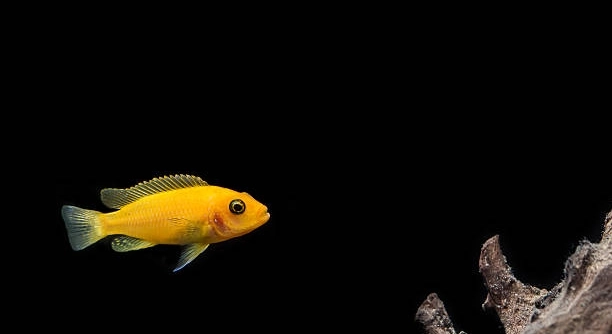
Are your electric yellow cichlids living in a tank that seems a bit crowded, creating an environment that feels tight and active while making you wonder if everything is balanced for their comfort and health.
Overcrowding in an electric yellow cichlid tank occurs when space becomes insufficient, causing heightened stress, increased aggression, and declining water quality. These changes disrupt natural behaviors and weaken overall stability, signaling that the tank can no longer support sustainable conditions.
Recognizing these signs early helps you create a calmer environment that supports healthier interactions for your electric yellow cichlids daily.
Why Overcrowding Happens
Overcrowding in an electric yellow cichlid tank often develops slowly, building as new fish are added or as young fish grow larger than expected. As a woman who has cared for these active creatures, I know how easy it is to underestimate the space they need to thrive. Their bold movements and constant curiosity make them appealing, but these same traits require enough room to reduce stress and support natural behavior. When too many fish share a limited area, filtration struggles, debris accumulates faster, and oxygen levels shift. These changes place pressure on the entire environment. Even if the tank appears lively, the fish may already be reacting to tight conditions. Small signs like increased chasing, tighter swimming patterns, or duller coloration often appear before more serious issues develop. Recognizing these early shifts can help you respond quickly and protect the balance your cichlids rely on each day at home.
Monitoring space limitations becomes easier when you stay aware of subtle behavioral changes. Your cichlids may begin competing more aggressively, using shorter swimming routes, or spending extra time hiding. These shifts usually point to reduced comfort, signaling that the tank environment no longer supports their natural pace and stable routines.
Understanding these early signs allows you to adjust your setup before problems escalate. You might reduce the number of fish, expand the tank size, or improve filtration to handle the increased load. Each of these changes supports a calmer atmosphere. When space is restored, cichlids behave more confidently, displaying brighter colors and smoother movement. Their social interactions become less frantic, reducing tension that often builds in crowded conditions. Taking action at the right time helps maintain healthier patterns that support the entire habitat. This creates a stable balance your cichlids can rely on for long term comfort in their tank.
How Overcrowding Affects Behavior
Behavioral changes often appear quickly once space becomes limited. Your cichlids may guard territories more intensely, chase tankmates more often, or show reduced interest in exploring. These adjustments reflect rising tension that can lead to injuries, weakened immunity, and disruptions to the stable environment they depend on each day daily.
Consistent behavioral shifts provide clear insight into how overcrowding affects the harmony of an electric yellow cichlid tank. When space tightens, dominant fish begin asserting control more aggressively, creating ongoing conflict that disrupts the natural rhythm of the group. Submissive fish retreat to corners, spending more time hiding than interacting, which weakens their confidence and overall well being. This imbalance grows as chasing becomes frequent, leading to torn fins, elevated stress, and a weakened immune system. Water quality also suffers because stressed fish produce more waste, pushing filtration beyond its limits and allowing harmful compounds to rise. These conditions make it harder for the group to return to a calm state. In many cases, even the boldest cichlids reduce their activity, swimming shorter routes and avoiding open areas they once enjoyed. By observing these patterns closely, you can intervene before the environment becomes unstable. Adding more space, improving filtration, or reducing stock provides relief that restores the natural flow of the tank. With better balance, cichlids brighten in color and regain smoother movement, signaling that the habitat once again supports their physical and social needs in a steady, reliable way that they rely on for comfort each day in captivity.
Territorial Conflicts Increase
Territorial tension rises quickly in crowded tanks, and your cichlids may begin guarding small areas with more intensity. This added pressure affects their confidence, making daily movement feel restricted. As space tightens, even routine interactions turn reactive, creating friction that disrupts the tank’s natural balance.
As territorial behavior intensifies, dominant cichlids start expanding their claimed areas, forcing others into tight corners that limit healthy movement. This creates a pattern where weaker fish avoid open spaces, leading to stress that affects their appetite and color. Constant friction also increases the risk of nips and fin damage, especially when fish repeatedly cross into guarded areas without enough room to avoid conflict. Over time, these conditions weaken the group’s stability and interrupt the natural flow of activity. By recognizing these signs early, you can respond before aggression becomes a daily obstacle in your tank.
The longer overcrowding continues, the more severe territorial clashes become, often causing a visible divide between dominant and submissive fish. The stronger individuals chase more frequently, pressing others into hiding spots that offer little comfort. These tight zones reduce proper swimming routines and disrupt the social balance essential for electric yellow cichlids. When fish feel threatened, their stress levels rise, impacting immunity and overall behavior. Even feeding sessions become strained, with some fish missing meals because they fear entering open areas. Correcting the crowding helps restore calmer interactions and steadier habits throughout the tank.
Water Quality Declines
Poor water quality is one of the earliest signs of overcrowding, and it develops faster than many expect. Waste builds up quickly, limiting clarity and lowering oxygen levels. As these changes appear, the tank begins to struggle, affecting the comfort and routine of every cichlid inside.
When too many fish occupy limited space, biological filtration works harder to keep conditions stable. Ammonia rises faster, and even frequent cleaning may not prevent noticeable shifts in clarity and odor. These changes often cause your cichlids to breathe more rapidly or hover near the filter output seeking relief. As oxygen levels decrease, their movement becomes sluggish, and their colors appear less vibrant. Waste accumulation also encourages algae growth, further stressing the environment. Over time, this cycle makes it difficult for fish to maintain steady patterns. Adjusting stock levels or upgrading filtration helps restore cleaner water and brings back the calm atmosphere your cichlids rely on.
Filtration Struggles to Keep Up
Filters become strained as overcrowding increases, and debris builds faster than the system can handle. This leads to cloudy water and reduced circulation that disrupts your cichlids daily comfort. When filtration weakens, the entire tank begins to shift away from a stable routine.
As the load rises, mechanical and biological stages work harder, often without achieving the clear water your cichlids need. This pushes the environment toward imbalance, causing small particles to linger and affecting how confidently your fish move. Once filtration falls behind, stress levels begin to rise throughout the tank.
Limited Swimming Space
Reduced space limits natural movement, and your cichlids begin using shorter routes that affect their energy and mood. Over time, this shift influences how they interact with each other, leading to more frequent displays of frustration. Small signs like hesitant swimming and increased hiding appear as comfort levels drop. These changes gradually weaken the overall rhythm of your tank. Restoring open space helps bring back the smoother patterns your cichlids rely on for steady behavior and healthier activity.
Increased Stress Levels
Crowded environments create ongoing pressure that alters your cichlids behavior and appearance. You may notice paler colors, faster breathing, or sudden retreats into tight spaces. These responses show that the tank no longer supports the calm routine your cichlids need to maintain stable health.
FAQ
How can I tell if my electric yellow cichlid tank is overcrowded?
Signs of overcrowding are often behavioral and environmental. You may notice increased chasing, more frequent hiding, or fish defending small areas aggressively. Water clarity may decrease faster, oxygen levels can feel lower, and filtration may struggle to keep up. Sudden changes in color or appetite often appear as well. Paying attention to how your fish move and interact daily is key to spotting early overcrowding before serious problems develop.
What is the ideal tank size for electric yellow cichlids?
For a small group of cichlids, a 55-gallon tank is generally recommended as a minimum. Larger groups require more space to reduce stress and aggression. Depth and width matter more than height, giving fish horizontal space to establish territories. Providing plenty of rocks and hiding spots helps fish feel secure, but the total volume of water must support their waste output and allow steady swimming patterns.
How many electric yellow cichlids can I safely keep in one tank?
A good rule is one adult cichlid per 10 gallons of water, adjusting for tank layout and decorations. Overcrowding often occurs when the number of fish exceeds this guideline, especially if some are larger than expected. Young fish may grow quickly, so planning for adult size prevents unexpected density issues. Maintaining enough space reduces stress, helps coloration, and minimizes aggressive behavior.
What are the main consequences of overcrowding?
Overcrowding affects both fish behavior and water quality. Aggression increases, territorial disputes become frequent, and hiding behavior rises. Stress weakens immunity, making fish more vulnerable to disease. Poor water quality from excessive waste further compounds the problem, creating a cycle that can quickly destabilize the tank. Recognizing signs early allows corrective measures before severe damage occurs.
How often should I monitor water parameters in a crowded tank?
In a crowded tank, testing water every two to three days is ideal, focusing on ammonia, nitrite, nitrate, and pH. Frequent checks help identify early imbalances caused by high bioload. Observing your cichlids’ behavior alongside water parameters provides a complete view of tank health, allowing timely adjustments like water changes or filtration upgrades.
Can tank decorations help reduce stress in overcrowded conditions?
Yes, decorations like rocks, caves, and plants create visual barriers that reduce direct confrontations. Hiding spots allow submissive fish to feel safer and give dominant individuals defined territories. However, decorations cannot replace proper tank volume. They help distribute tension but will not eliminate issues if the tank is fundamentally too small for the number of cichlids.
What immediate steps should I take if I notice overcrowding?
Begin by reducing fish density if possible, moving some to another tank or rehoming. Increase water changes to maintain quality, and ensure filtration is adequate for the current load. Rearranging decorations can also help break up territories temporarily. Monitoring behavior closely after these steps ensures that stress levels decrease and the environment stabilizes.
Is overfeeding a concern in an overcrowded tank?
Yes, overfeeding worsens water quality issues, adding excess waste that strains filtration and accelerates nutrient buildup. Feeding smaller, controlled portions and removing uneaten food promptly helps maintain cleaner water and reduces additional stress for your cichlids. Balanced feeding supports energy and coloration even when space is limited.
How can I prevent overcrowding when planning a new tank?
Plan for adult fish size and growth rates before stocking. Calculate the tank volume needed based on recommended space per fish and consider decorations, filtration, and oxygen availability. Starting with fewer fish than the tank allows prevents early stress and aggressive behavior. Gradual additions, combined with careful observation, help maintain a balanced and calm environment for your cichlids.
Can overcrowding impact fish health long-term?
Yes, prolonged overcrowding weakens immunity, increases disease risk, and can stunt growth. Chronic stress alters behavior, reduces reproduction success, and may shorten lifespans. Addressing density early protects health and helps maintain stable social structures, ensuring that your electric yellow cichlids thrive over time in a comfortable, supportive habitat.
Final Thoughts
Maintaining a healthy electric yellow cichlid tank requires careful attention to space, water quality, and fish behavior. Overcrowding can develop slowly, and sometimes it is easy to underestimate how quickly fish grow or how many individuals a tank can truly support. When too many fish are kept in a confined area, stress increases and natural behaviors are disrupted. Dominant cichlids begin to chase others more aggressively, hiding spaces become heavily used, and social balance shifts in ways that are not always immediately visible. Even when the tank looks lively and active, subtle signs like changes in swimming patterns, sudden retreats, or duller coloration can indicate that the environment is no longer ideal. Recognizing these signals early is essential to maintaining a calm and healthy habitat. Making adjustments to reduce fish density, improving filtration, or reorganizing tank decorations can quickly relieve pressure and restore a sense of stability for your cichlids.
Water quality is one of the most critical factors to monitor in a tank that is close to being overcrowded. As the number of fish increases, waste accumulates faster, and filtration systems can struggle to keep up. Ammonia, nitrite, and nitrate levels may rise, oxygen can become limited, and water clarity may decline. These changes directly impact your fish, often causing stress responses like faster breathing, reduced appetite, or lethargic swimming. Even small adjustments, such as increasing water changes or upgrading filter capacity, can have a significant effect on the overall health of the tank. Decorations like rocks and hiding spaces are helpful, but they cannot replace adequate tank volume. Providing enough space for movement and establishing clear territories reduces aggression and allows your cichlids to display natural behaviors with less stress. Regular observation of both water quality and fish behavior ensures that the environment remains stable, preventing long-term problems that can compromise health.
Keeping an electric yellow cichlid tank balanced is a combination of planning, observation, and timely intervention. Overcrowding affects behavior, health, and water quality, and these issues often compound if not addressed promptly. By paying attention to daily routines, monitoring water parameters, and maintaining proper stocking levels, you can create a supportive environment where each fish has room to thrive. Adjusting tank size or fish numbers when necessary, providing adequate hiding spots, and ensuring filtration is capable of handling the bioload all contribute to a calmer, healthier habitat. With consistent care, electric yellow cichlids can display vibrant colors, confident swimming patterns, and more stable social interactions. Observing the tank closely and responding to signs of stress allows you to maintain a balanced aquarium that supports both the physical and behavioral needs of your fish over time.

Hello,
If you enjoy the content that we create, please consider saying a "Thank You!" by leaving a tip.
Every little bit helps us continue crafting quality advice that supports the health, happiness, and well-being of pets around the world, for pets of all shapes, sizes, and species.
We really appreciate the kindness and support that you show us!