
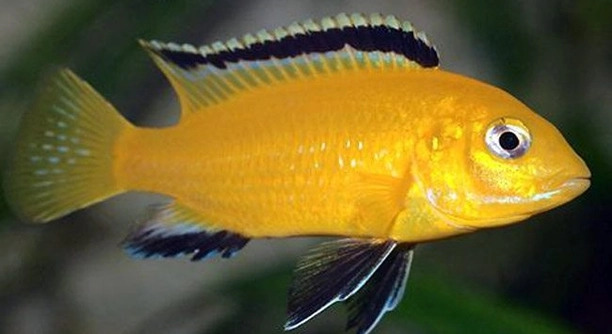
Have you ever admired the bright colors of electric yellow cichlids and thought about what it takes to breed them at home in a safe and responsible way that keeps both adults and fry healthy.
Breeding electric yellow cichlids requires controlled water parameters, stable tank conditions, proper nutrition, and compatible pairs. Their reproductive success depends on clean environments and predictable spawning behavior that supports fry survival and development within captive habitats managed with consistent care.
Learning these essentials will help you prepare for a smoother breeding journey while supporting your cichlids through every stage ahead.
Preparing the Breeding Tank
Creating the right environment for electric yellow cichlids requires steady attention to tank design and maintenance. I focus on keeping the water clean, warm, and well oxygenated, since these factors support healthy behavior and predictable breeding patterns. A spacious tank helps reduce stress, giving each fish enough room to move without constant competition. I also rely on stable filtration to keep debris under control and prevent sudden shifts that can affect their comfort. Smooth rocks and simple caves encourage secure spawning spots, allowing the female to hold her eggs without disturbance. Lighting remains soft and even, preventing overactivity and helping the fish feel safe. Regular monitoring ensures everything stays balanced and consistent. When these elements are in place, breeding becomes more manageable because the fish respond well to calm, structured conditions. This preparation supports strong growth, steady activity, and clear signs of readiness when the pair begins interacting closely together.
Maintaining these conditions helps the fish feel secure, reducing unnecessary stress and supporting healthy spawning behavior. With steady care and predictable routines, the environment remains stable and gentle, giving the pair a better chance to interact naturally and produce strong offspring in a clean and organized space for reliable results.
Attention to tank preparation influences every stage of breeding, so staying consistent helps avoid problems that can interrupt progress. I keep an eye on temperature, clarity, and overall activity to ensure nothing feels off. When the fish remain comfortable, they show clear signs like gentle chasing, stable color, and calm swimming around chosen areas. These behaviors indicate they feel safe enough to continue. Proper structure also protects the female while she holds her eggs, reducing disturbances and allowing her to recover comfortably. A well managed environment supports steady development, healthier fry, and predictable behavior that makes caring for the pair.
Feeding and Conditioning
Feeding electric yellow cichlids correctly supports reliable breeding behavior and keeps both adults strong. I use balanced foods that provide steady energy without overwhelming their digestion. Consistent feeding encourages stable activity, healthier coloration, and dependable responses that help the pair prepare for successful spawning in a calm, predictable setting daily.
Proper nutrition plays a major role in successful breeding, so I focus on feeding patterns that support strength, stability, and predictable behavior. A mix of high quality flakes, pellets, and occasional protein based treats keeps the fish active without causing digestive issues. I avoid foods that create excessive waste since this can disrupt water quality and affect their comfort. Small portions offered consistently help maintain smooth digestion and steady energy levels. When the fish receive balanced nutrition, they show bright coloration, calm movement, and noticeable interest in each other. These signs appear more often when feeding schedules remain predictable. I also make sure the female receives enough nutrients to support egg development, since this helps her recover more effectively after holding. Clean conditions combined with appropriate feeding allow both fish to stay healthy throughout the entire process. Any leftover food is removed quickly to prevent debris buildup that may interfere with filtration. Over time, these habits contribute to a stable environment where the pair can interact normally. Proper diet supports smooth spawning, stronger fry, and a cleaner tank that stays easier to maintain. Careful feeding choices lead to healthier fish and more dependable breeding outcomes with fewer unexpected interruptions overall.
Monitoring Water Parameters
Keeping the water stable is essential for healthy breeding behavior. I watch temperature, pH, and hardness closely to prevent sudden changes that might stress the pair. Clean, steady conditions help them stay calm and active while maintaining predictable routines that support consistent interaction and comfort during the breeding process.
Stable water parameters support reliable spawning, so I check them regularly to avoid fluctuations that could interrupt progress. A temperature around the mid-seventies keeps activity smooth without overwhelming the fish. I maintain moderate hardness to support strong coloration and clear signals between the pair. Consistent pH helps prevent irritation that might discourage contact or reduce interest. Regular water changes remove debris that could cloud the tank or stress the fish. I avoid replacing too much water at once because large shifts can unsettle the female while she holds eggs. Monitoring everything carefully keeps the environment controlled and comfortable for both adults.
Steady conditions also help the fish communicate through predictable cues. Clear water improves visibility, allowing the pair to recognize each other and respond calmly. I watch for small signs like gentle circling or resting near chosen areas, since these indicate the environment feels right. Good filtration keeps oxygen levels healthy, reducing sluggish behavior that may slow progress. When the tank remains balanced, the pair stays active and steady, showing smoother patterns that hint they are ready to continue. Staying consistent with testing, changes, and basic upkeep ensures the environment supports every stage without unexpected complications.
Recognizing Breeding Behavior
Recognizing breeding behavior helps me understand when the pair feels secure enough to continue. I look for calm pacing, close swimming, and steady color. These signs appear more often when the environment stays balanced and gentle, allowing the fish to interact naturally without unnecessary stress or confusion.
Certain behaviors become clearer once the fish feel comfortable. The male often prepares an area by moving gravel or circling a chosen spot. His color may brighten slightly while remaining smooth and controlled. The female stays close and moves with a steady rhythm, avoiding erratic motion. These signs show they trust the space around them. I watch for gentle interactions rather than forceful chasing, since calm movement usually reflects better conditions. When both fish appear relaxed, the process continues more smoothly. Comfort in the environment encourages the pair to maintain steady routines that support predictable spawning and healthier results overall.
Supporting the Mouthbrooding Stage
The female holds her eggs safely in her mouth, so I keep the environment calm and steady. Reduced stress helps her carry them without interruption. Clean water, soft lighting, and consistent feeding routines support her strength while she manages this delicate stage.
I avoid sudden changes because they can unsettle her. Gentle movement and clear water help her feel secure enough to continue holding. I watch her behavior closely and make sure she receives enough nutrients through light feeding. Stable conditions help her stay calm until the fry are ready.
Protecting the Fry
Once the fry are released, I separate them to prevent accidental harm from adults. Clean, shallow areas with gentle filtration support safe movement. I use finely crushed foods to help them grow steadily without overwhelming their small size. Frequent checks keep their space clean, clear, and comfortable for healthy development.
Maintaining Long Term Stability
Consistent care keeps breeding results reliable. Regular monitoring, balanced feeding, and gentle routines help prevent stressful changes. When conditions remain steady, the adults stay calm and the fry develop well, creating a stable environment that supports each stage without unnecessary complications.
FAQ
How long does it take for electric yellow cichlids to breed once conditions are correct?
When the environment feels stable, breeding can begin within a few weeks. I keep the tank clean, maintain steady parameters, and offer balanced food so both adults stay healthy. Once they feel secure, their behavior becomes more predictable and they begin interacting more closely.
How many eggs does a female usually hold at one time?
A female typically carries between ten and thirty eggs. The exact number depends on her health, size, and overall comfort. I try to support her with clean water and gentle routines so she has the strength to hold the eggs until the fry develop fully.
How long does the mouthbrooding stage last?
She usually holds the eggs for about three weeks. During this time, I avoid major changes in lighting, decor, or filtration. Keeping everything consistent helps her feel safe enough to continue holding without dropping the eggs too early.
Do the adults need to be separated after breeding begins?
Sometimes separation helps reduce stress. If the male becomes too active, I move him to another tank to keep the female calm. When both fish remain relaxed, the process tends to continue smoothly, so I watch their behavior to decide what is necessary.
What should the fry eat after release?
I start with finely crushed flakes or powdered foods that drift gently through the water. Fry have tiny mouths, so softer and smaller pieces work better. Clean water and small, frequent feedings help them grow steadily without overwhelming their digestion or clouding the tank.
How often should water changes be done during breeding?
I prefer small and frequent changes to keep conditions steady. Large changes can shift the parameters too quickly and stress the female. Gentle maintenance supports clear water, healthy oxygen levels, and a calm atmosphere that helps both adults and fry.
Do electric yellow cichlids need a specific tank size for breeding?
A spacious tank gives them room to move without overcrowding. I find that larger tanks reduce tension, especially when the pair begins interacting more frequently. Extra space helps the female pick calm spots while she holds the eggs and helps prevent unnecessary conflict.
How can I tell if the female is holding eggs?
Her mouth becomes slightly rounded and she moves more slowly. I often notice her avoiding food, focusing instead on keeping the eggs secure. Calm, steady behavior usually confirms that she has begun holding, so I avoid disturbing her during this time.
What signs show that fry are ready to be separated?
Once the fry begin exploring the tank confidently and no longer rely on hiding near the female, I move them to a safe space. This prevents accidental harm and gives them room to grow. Clean water and gentle filtration help them adjust smoothly.
What type of lighting is best during breeding?
Soft, even lighting keeps the fish calm and prevents overstimulation. I avoid strong lights because they can make the adults nervous or cause the female to feel exposed. Gentle lighting supports steady activity and helps maintain predictable routines.
How can I keep the adults healthy during repeated breeding cycles?
Balanced feeding, clean water, and rest periods help the pair stay strong. I give the female time to recover after each mouthbrooding stage so she does not become exhausted. Consistent care helps maintain their health and supports smoother breeding overall.
Final Thoughts
Breeding electric yellow cichlids becomes easier to manage when each step stays calm, steady, and structured. I try to keep everything simple because these fish respond best to stable surroundings and predictable routines. Clean water, proper feeding, and gentle lighting shape most of their behavior, so I focus on these basics before adjusting anything else. When the tank feels balanced, the pair becomes more relaxed, which makes every stage clearer and more manageable. Small habits, like regular monitoring and careful feeding, end up making the biggest difference. These routines help prevent unnecessary stress and protect the female during mouthbrooding. They also support the fry once they begin exploring on their own. A stable environment keeps the process controlled, and I find that this creates better results and healthier fish overall. Each step builds on the last, making the entire experience feel steady and organized without needing complicated methods.
Understanding their natural behavior helps guide each decision. Electric yellow cichlids thrive when the tank resembles a calm, predictable setting that supports clear interaction between the pair. Recognizing simple behaviors, such as gentle circling or slow pacing, helps me understand when they feel secure. These cues guide my choices about feeding, maintenance, and timing. I try not to rush anything because these fish move at their own pace, especially during the mouthbrooding stage. Giving the female privacy and comfort helps her carry the eggs safely while keeping her stress low. Once the fry appear, their care becomes more about consistency and protection. Gentle filtration, small foods, and clean spaces encourage healthy growth. Each small detail works together to maintain a peaceful environment for every stage of development.
Keeping long term stability in mind helps the tank remain healthy beyond a single breeding cycle. I maintain a routine that supports steady water parameters, clear visibility, and controlled feeding without overcomplicating the process. When the adults stay strong and calm, they interact more naturally, which results in better breeding behavior. I also let the female rest when needed, since recovery plays an important role in keeping her healthy over time. Structured care prevents problems before they start, and this makes each cycle smoother. Breeding electric yellow cichlids becomes less stressful when I stay patient and consistent, focusing on the basics instead of trying to change too much at once. With steady attention and gentle practices, the tank stays balanced, the fish remain safe, and the overall experience feels manageable and rewarding.

Hello,
If you enjoy the content that we create, please consider saying a "Thank You!" by leaving a tip.
Every little bit helps us continue crafting quality advice that supports the health, happiness, and well-being of pets around the world, for pets of all shapes, sizes, and species.
We really appreciate the kindness and support that you show us!