
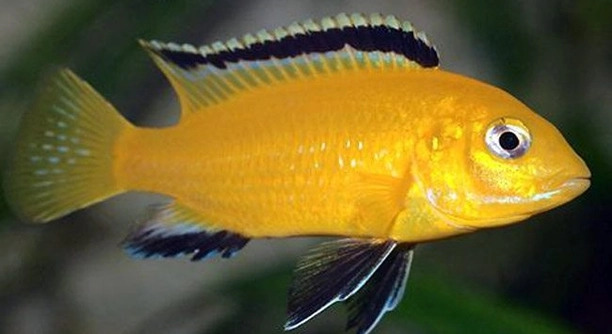
Electric yellow cichlids are lively fish that often attract attention in home aquariums. Many owners notice these fish frequently digging in the gravel, creating small craters and moving substrate around. This behavior can seem puzzling at first.
Electric yellow cichlids dig gravel primarily as a natural instinct for territory establishment and environmental enrichment. They move substrate to find food, create nesting areas, and assert dominance, reflecting behaviors observed in their natural habitats across lakes and rivers.
Understanding why these fish engage in gravel digging can help improve tank setup and fish welfare. Observing these behaviors offers insights into their needs, health, and interactions within the aquarium environment.
Natural Instincts and Territorial Behavior
Electric yellow cichlids are naturally territorial fish. In the wild, they spend a lot of time establishing and defending their space. Digging in the gravel is a behavior linked to marking territory and creating areas where they feel safe. These fish are highly active and need to manipulate their environment to stay comfortable. The digging also helps them find hiding spots or prepare nesting areas. Even in an aquarium, these instincts remain strong. Owners often notice that some fish are more aggressive or active in their digging than others, depending on personality and hierarchy. This behavior is not a sign of stress but rather an expression of natural tendencies. Observing where and how they dig can give insight into which areas of the tank they consider most important. Over time, adjusting tank decorations or providing more hiding spaces can balance these behaviors.
Territorial digging ensures the cichlids maintain control over their preferred space, minimizing conflicts and creating a secure environment for themselves.
Keeping track of digging patterns helps identify dominant fish and areas that may need reinforcement, like adding rocks or shelters. Consistent observation allows for small changes that improve harmony.
Searching for Food and Nutritional Stimulation
Digging in the gravel is often connected to foraging behaviors. Electric yellow cichlids sift through substrate looking for small particles or leftover food.
This activity is essential for their mental and physical stimulation. In captivity, they continue these behaviors even when food is regularly provided. Gravel digging simulates searching for natural prey like small invertebrates or algae. Fish often sort through gravel with their mouths, moving sand and small stones, which keeps them engaged and prevents boredom. Providing sinking pellets or hiding treats in the substrate can satisfy this instinct safely. Without this type of enrichment, fish may become restless or exhibit minor aggression. Observing how often they dig and where they focus can indicate dietary needs or preferences. Adjusting feeding routines and tank layout helps balance their natural behaviors with a controlled environment, promoting overall well-being and reducing unnecessary stress. Gravel digging, in this sense, is more than play; it is an essential part of their routine.
Nesting and Breeding Behavior
Electric yellow cichlids often dig gravel to prepare nests for breeding. This digging creates small pits where females can lay eggs safely.
The process involves moving substrate to form a clean, flat area suitable for egg deposition. Males may dig larger territories to attract females, displaying vibrant colors and active behavior. Both sexes participate in moving gravel, demonstrating natural reproductive instincts. These behaviors occur even in home aquariums, where gravel substitutes for natural lakebeds. Observing nesting activity can help owners understand fish readiness for breeding and their comfort level within the tank environment. Providing adequate space and appropriate substrate encourages healthy reproductive behavior without excessive stress.
During breeding periods, digging may increase significantly. This is normal and indicates active, healthy fish. Recognizing these patterns allows adjustments in feeding and tank maintenance to support breeding behavior.
Stress Relief and Environmental Comfort
Digging can also serve as a stress-relief activity for electric yellow cichlids. It allows them to adjust their environment to feel secure.
These fish move gravel to create hiding spots or rearrange areas to their liking. Stress from overcrowding, sudden changes, or incompatible tank mates can trigger increased digging. By allowing them to manipulate their surroundings, fish can regain a sense of control and reduce tension. Tanks with sufficient hiding spaces, decorations, and substrate provide opportunities for natural expression. Owners noticing frantic or excessive digging should assess tank conditions, water quality, and social dynamics to prevent health issues. Controlled digging is a healthy outlet for energy.
Providing proper environmental enrichment and monitoring behavior ensures that gravel digging remains a constructive activity. Adjusting substrate depth and adding shelters can make fish feel secure while minimizing unnecessary stress. Consistent observation of patterns helps maintain a balanced, harmonious tank.
Exploring and Territory Mapping
Electric yellow cichlids dig gravel to explore and map their surroundings. Moving substrate helps them understand the layout of the tank.
This behavior is a combination of curiosity and instinct. By rearranging gravel, they test boundaries and identify safe areas for resting and hiding.
Social Hierarchy and Dominance
Gravel digging can signal dominance among cichlids. Fish that dig more frequently often assert control over territory and demonstrate social ranking. Establishing these areas reduces conflicts, as other fish recognize the dominant individual’s claimed space. Observing which fish engage in the most digging can reveal the tank’s social structure and interactions. Providing multiple zones and hiding spaces helps maintain balance among the group, preventing excessive aggression. Adjusting tank layout and monitoring behavior allows dominant and submissive fish to coexist peacefully while maintaining natural behaviors.
Comfort and Substrate Preference
Electric yellow cichlids prefer certain substrate textures, which encourages digging. The right gravel allows them to sift naturally and feel secure.
FAQ
Why are my electric yellow cichlids constantly digging gravel?
Frequent digging is usually linked to natural instincts. Cichlids dig to explore, search for food, or create nests. This behavior is normal and indicates they are active and healthy. Tank layout, substrate type, and social dynamics also influence how much they dig.
Is gravel digging harmful to my fish?
In most cases, gravel digging is harmless. Problems can arise if the substrate is too sharp or if fish ingest large amounts accidentally. Using smooth, rounded gravel reduces risk, and monitoring behavior ensures fish do not injure themselves while moving substrate.
How can I reduce excessive digging?
Providing hiding spaces, decorations, and deeper substrate zones helps manage digging. Ensuring enough space and a balanced tank environment can reduce stress-related digging. Feeding appropriate amounts and hiding occasional treats can also redirect natural foraging instincts.
Do electric yellow cichlids dig more during breeding?
Yes, digging intensifies during breeding periods. Males create larger territories, and both sexes prepare nesting areas. Observing gravel movement can indicate readiness to breed and help owners plan tank arrangements and feeding adjustments to support natural reproductive behavior.
Does the type of gravel matter for digging?
Absolutely. Rounded, smooth gravel is ideal. Fine substrate allows sifting and nest preparation, while sharp or irregular stones may injure mouths or fins. Substrate choice directly affects comfort, health, and the frequency of digging behaviors.
Can digging indicate stress or health issues?
Yes. While natural digging is normal, frantic or constant digging can signal stress, overcrowding, or water quality problems. Checking temperature, pH, and tank conditions is essential. Providing sufficient hiding spots and ensuring compatible tank mates also helps reduce stress-induced digging.
Should I rearrange the tank to stop digging?
Rearranging the tank occasionally is fine, but constant changes may increase stress. Allow fish to have stable zones for territory and nesting. Adding rocks, caves, and plants gives them space to dig safely without interfering with their established areas.
Is gravel digging related to feeding habits?
Yes. Electric yellow cichlids naturally forage by sifting through substrate. Digging often mimics searching for small food particles or leftover debris. Providing sinking pellets or hiding food in the substrate satisfies this instinct and keeps fish engaged without overfeeding.
How can I encourage healthy digging without damaging the tank?
Provide a substrate deep enough to allow sifting and nest-building. Add rocks, caves, and plants to create structured areas. Monitor fish behavior and adjust tank size, stocking density, and enrichment to balance natural instincts with tank safety.
Will all electric yellow cichlids dig the same amount?
No. Digging varies by individual personality, age, and social rank. Dominant or more active fish tend to dig more, while submissive fish may dig less or in peripheral areas. Observing each fish helps tailor the tank environment for balance and comfort.
Can gravel digging improve fish health?
Yes, it promotes physical activity and mental stimulation. Sifting gravel engages their muscles and satisfies natural instincts, reducing boredom and stress. Healthy digging behavior often correlates with active, well-adjusted fish, provided the environment is safe and water quality is maintained.
How should I monitor gravel digging?
Track frequency, location, and intensity. Look for signs of injury, stress, or aggression. Noting patterns helps identify dominant fish, breeding readiness, or environmental issues. Minor adjustments in substrate depth, tank decorations, or feeding routines can support healthy digging without excessive disruption.
Does the tank size affect digging behavior?
Yes. Smaller tanks may increase competition for space, causing more digging and territorial disputes. Larger tanks provide room for multiple territories, reducing stress and destructive digging. Proper space allocation ensures that digging remains a natural, controlled behavior rather than a stress response.
Are there specific tank decorations that encourage safe digging?
Yes. Smooth rocks, caves, and plants provide enrichment while allowing digging without injury. Arranging multiple zones lets fish establish territories and nesting areas safely. Decorations also help break lines of sight, reducing aggression and giving fish opportunities to manipulate gravel naturally.
How can I tell if digging is excessive or normal?
Normal digging is periodic and purposeful, like foraging or nesting. Excessive digging is constant, frantic, or associated with stress behaviors such as aggression or hiding. Monitoring patterns, tank conditions, and fish interactions helps distinguish healthy activity from signs of stress or environmental issues.
Can gravel digging damage plants or decorations?
Yes, fish may uproot plants or move lightweight decorations. Anchoring plants and choosing sturdy décor can reduce disruption. Providing multiple areas for digging helps protect sensitive plants while allowing fish to express natural behaviors safely.
What role does water quality play in digging?
Poor water quality increases stress and can lead to more aggressive or frantic digging. Maintaining proper filtration, temperature, and chemical balance ensures fish are healthy and reduces digging driven by discomfort rather than natural instinct.
Do juvenile and adult cichlids dig differently?
Juveniles often dig less aggressively, focusing on exploring and learning their environment. Adults dig more for territory, nesting, and social dominance. Observing age-related differences can help manage tank layout and prevent conflicts as fish mature.
How long do digging behaviors last during breeding?
Breeding-related digging can last several days to weeks, depending on spawning and egg care. Providing stable, deep substrate ensures both safety and comfort during this period. Fish may return to normal digging levels once breeding concludes and eggs are protected.
Can gravel digging be used as enrichment in community tanks?
Yes, with proper tank design. Multiple hiding spots, adequate substrate, and balanced stocking reduce conflicts. Controlled digging opportunities allow cichlids to express instincts while minimizing disruption to other species. This promotes overall health and mental stimulation for all tank inhabitants.
Final Thoughts
Electric yellow cichlids are naturally active fish with strong instincts that often show up in their gravel-digging behavior. Observing them move substrate around is a normal part of their life, and it reflects how they interact with their environment. Gravel digging is connected to many natural behaviors, such as foraging for food, creating nests, establishing territory, and exploring their surroundings. Even in a home aquarium, these instincts remain strong, and fish will continue to dig if their tank environment allows it. Understanding this behavior helps owners view it as a healthy and normal activity rather than a problem to stop.
Providing the right tank conditions can make a big difference in how your cichlids dig. Using smooth, rounded gravel helps prevent injuries to mouths and fins while still allowing fish to sift and manipulate the substrate. Including hiding spots, rocks, caves, and plants gives fish safe spaces to dig and explore. Adjusting the tank layout according to natural territories or social hierarchies reduces conflicts and helps all fish feel secure. Feeding routines that encourage natural foraging, such as hiding small amounts of food in the substrate, also satisfy their instinct to search while preventing boredom. Monitoring behavior and making small changes as needed can maintain a balance between their natural instincts and tank safety.
Watching your electric yellow cichlids dig gravel can provide valuable insights into their health, social dynamics, and overall well-being. Regular observation helps identify dominant or stressed fish, breeding readiness, and the general balance of the tank environment. Understanding their behavior allows owners to respond thoughtfully, whether it means adjusting substrate depth, adding enrichment, or improving water quality. Gravel digging is not simply an activity—it is a window into the needs and instincts of these fish. Supporting natural behaviors with appropriate tank conditions promotes a healthier, happier aquarium for both the fish and the owner.

Hello,
If you enjoy the content that we create, please consider saying a "Thank You!" by leaving a tip.
Every little bit helps us continue crafting quality advice that supports the health, happiness, and well-being of pets around the world, for pets of all shapes, sizes, and species.
We really appreciate the kindness and support that you show us!