
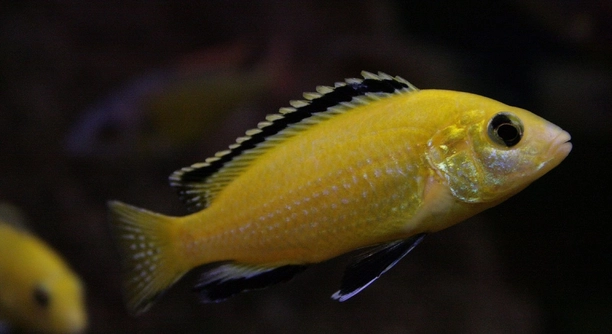
Electric Yellow Cichlids are vibrant, energetic fish that bring life to any aquarium. Their bright yellow color makes them a favorite for both beginners and experienced fishkeepers looking for an eye-catching addition.
Electric Yellow Cichlids thrive in water temperatures ranging from 74°F to 80°F. Maintaining this temperature range ensures optimal metabolism, encourages healthy growth, supports immune function, and reduces stress, promoting a stable and balanced environment for long-term survival.
Keeping their habitat within this range is essential for their well-being and overall activity in the tank. Proper temperature management will make caring for them much easier.
Ideal Water Temperature for Electric Yellow Cichlids
Maintaining the right water temperature is one of the most important aspects of caring for Electric Yellow Cichlids. These fish prefer water that is consistently warm, ideally between 74°F and 80°F. Temperatures outside this range can lead to stress, reduced appetite, and weakened immunity, making them more susceptible to disease. It is helpful to use a reliable aquarium heater and thermometer to monitor the tank regularly. Sudden fluctuations in temperature should be avoided, as even small changes can upset their comfort and behavior. Keeping the water stable also encourages natural activity and breeding habits, ensuring that the fish stay lively and colorful. Proper circulation and filtration support consistent warmth throughout the tank, preventing cold spots. Maintaining a clean tank with regular water changes further helps the fish adapt well to their environment. Electric Yellow Cichlids respond positively to steady conditions, which reflects in their overall health and coloration.
A heater with a thermostat is the easiest way to maintain a consistent temperature.
Regular checks on water temperature, combined with gradual adjustments when necessary, will support healthier, more active fish. Observing their behavior can indicate if the temperature needs fine-tuning.
Effects of Temperature Fluctuations
Even small shifts in water temperature can stress Electric Yellow Cichlids.
Rapid changes can cause lethargy, loss of appetite, and increased susceptibility to infections. Temperature swings affect their metabolism and may disrupt breeding behavior, making it important to stabilize the tank. Using a quality thermometer and monitoring daily can prevent these issues. Avoid placing the tank near windows, vents, or heaters that can cause sudden shifts. Consistency in water temperature supports predictable feeding patterns and normal activity levels. If adjustments are needed, change the temperature slowly over several hours to reduce stress. Gradual acclimation allows the fish to adapt without shock. Proper insulation or a heater guard can also minimize fluctuations. Ensuring that filtration systems do not create uneven warm and cold spots will help maintain stability. Observing the fish for signs of discomfort, such as hiding or unusual swimming, is a reliable way to assess the environment. Keeping these measures in mind will promote a healthier tank and more vibrant fish.
Temperature affects nearly every aspect of Electric Yellow Cichlids’ health, from growth to immune function. When water becomes too cold, metabolism slows, and digestion may become inefficient, leading to reduced energy and weight loss. Conversely, excessively warm water can increase oxygen demand and stress, sometimes causing aggression among tank mates. Stress from temperature swings can trigger illnesses like fin rot or ich, and prolonged exposure may compromise reproductive abilities. Ensuring that the heater maintains the proper range, combined with regular monitoring, helps prevent these problems. Observing behavior, coloration, and feeding patterns provides early signs of temperature-related issues. Using a consistent routine for water changes and tank maintenance further supports temperature stability. Even minor adjustments, if done carefully, can improve overall fish well-being and tank harmony. By controlling these factors, Electric Yellow Cichlids thrive in a stable, predictable environment that encourages activity, health, and their signature bright coloring.
Monitoring Water Temperature
Regularly checking water temperature ensures Electric Yellow Cichlids remain healthy and active. A reliable thermometer should be used daily, especially after water changes or heater adjustments. Maintaining stable conditions reduces stress and promotes consistent behavior and appetite.
Keeping the tank at a consistent temperature requires careful observation. Using a submersible thermometer near the middle of the tank provides the most accurate reading. Avoid placing the thermometer directly against the heater, as this can give false high readings. Record temperature changes to track trends and prevent fluctuations. Gradual adjustments, rather than sudden changes, help fish adapt comfortably. A stable environment encourages natural swimming patterns and vibrant coloration.
In addition to a thermometer, consider using a heater with an integrated thermostat for precision. Place the heater where water circulation distributes heat evenly. Check the heater’s functionality regularly, especially during seasonal temperature shifts. Insulating the tank or using a heater guard can also prevent sudden drops. These precautions ensure that Electric Yellow Cichlids thrive in a steady, safe environment, allowing them to display their full energy and color potential.
Seasonal Temperature Changes
Temperature fluctuations are common during seasonal changes and can affect fish health.
Heaters may need recalibration in colder months, while summer warmth can push water above safe levels. Monitoring daily ensures the tank remains within the ideal range, minimizing stress. Even small shifts can disrupt metabolism and feeding patterns.
During winter, ambient room temperatures often drop, which can cool the tank despite using a heater. Adding insulation around the tank or moving it away from drafty areas helps maintain warmth. In summer, excessive heat may increase water evaporation and lower oxygen levels, so fans or partial water changes can help regulate conditions. Tracking temperature trends daily allows timely intervention before issues arise. Consistent water temperature supports normal activity, reduces illness risk, and encourages vibrant coloration, keeping the fish lively and healthy throughout the year.
Heater Selection
Choosing the right heater is essential for maintaining stable water temperature. Submersible heaters with thermostats offer precise control, ensuring the tank stays within the ideal 74°F to 80°F range. Avoid cheap or unregulated heaters that can overheat or fail unexpectedly.
Heaters should match the tank size. A heater rated for slightly more than your tank’s volume provides consistent warmth without straining the device. Position the heater where water circulation distributes heat evenly, preventing cold or hot spots. Regularly inspect the heater for signs of wear or malfunction, especially after cleaning or moving the tank. Proper installation and maintenance help create a safe, stable environment for Electric Yellow Cichlids.
Signs of Temperature Stress
Fish may exhibit lethargy, reduced appetite, or unusual hiding behavior when water temperature is too high or low.
Using Thermometers Effectively
Submersible thermometers give the most accurate readings. Place them away from the heater and areas with direct light. Check readings daily to detect even small fluctuations early.
FAQ
What is the ideal temperature range for Electric Yellow Cichlids?
The ideal temperature range for Electric Yellow Cichlids is 74°F to 80°F. Keeping the tank within this range supports healthy metabolism, normal activity, and strong immune function. Temperatures outside this range can cause stress, reduce appetite, and make the fish more susceptible to disease.
Can Electric Yellow Cichlids tolerate cooler water?
Electric Yellow Cichlids can survive slightly cooler water for short periods, but prolonged exposure below 74°F can slow metabolism and weaken immunity. Cold water may cause lethargy, reduce feeding, and affect overall health. Maintaining stable warmth is essential to avoid these problems.
Can they survive in warmer water?
Temperatures above 80°F can increase stress and oxygen demand in Electric Yellow Cichlids. Warm water may also lead to aggression, restlessness, and susceptibility to infections. If the water temperature rises too high, use fans, partial water changes, or move the tank to a cooler area to maintain stability.
How do I monitor temperature effectively?
Use a reliable submersible thermometer and place it in a central area of the tank away from the heater. Check the reading daily and record fluctuations. Regular monitoring helps prevent sudden changes that could harm your fish. Combining a thermometer with a heater thermostat ensures precise control.
Do I need to adjust temperature for breeding?
Yes. During breeding, maintaining the higher end of their temperature range around 78°F to 80°F encourages spawning behavior and improves egg development. Stable temperature is critical, as fluctuations can interrupt breeding and stress the adults.
How fast can I change the tank temperature?
Temperature changes should be gradual, ideally 1°F every few hours. Sudden shifts can shock the fish, causing stress or illness. Use adjustable heaters and monitor with a thermometer to ensure smooth transitions when correcting temperature or during seasonal changes.
What signs indicate temperature stress?
Signs include hiding, lethargy, reduced appetite, color dulling, and abnormal swimming patterns. Fish may also rub against objects if stressed. Observing behavior regularly allows you to intervene before health is affected. Temperature stability is the best preventive measure.
Is a heater always necessary?
A heater is recommended for most indoor aquariums, especially in climates where room temperature drops below their preferred range. Even slight drops in water temperature can affect metabolism and activity. A quality heater with a thermostat ensures a safe, consistent environment for Electric Yellow Cichlids.
Can multiple heaters cause problems?
Multiple heaters can be used in large tanks for even heat distribution, but they must be carefully calibrated. Avoid overheating by checking each heater’s rating relative to the tank size. Use separate thermostats or a central monitoring system to prevent temperature spikes.
How often should I check the thermometer?
Daily checks are recommended. Even small temperature fluctuations can impact the fish over time. During seasonal changes or after water changes, check multiple times to ensure stability. Consistent monitoring prevents stress and maintains a healthy environment for the fish.
Are there alternative ways to keep water warm?
Insulating the tank, using heater guards, and keeping it away from drafts or direct sunlight can help maintain warmth. However, these methods should complement, not replace, a reliable heater. Consistent temperature control is essential for their health and well-being.
Does tank size affect temperature stability?
Yes. Larger tanks are more stable and resist sudden changes, while smaller tanks are more prone to fluctuations. Choose a heater appropriate for your tank size and monitor daily, especially in small setups. Stability is easier to maintain in larger volumes of water.
Can temperature affect fish behavior?
Absolutely. Cooler water slows activity, feeding, and digestion, while warmer water increases metabolism and aggression. Stable temperature promotes normal swimming patterns, social interaction, and overall vibrancy in Electric Yellow Cichlids. Monitoring and maintaining the ideal range directly influences behavior and health.
How does temperature impact immune function?
Water temperature outside the ideal range compromises immunity. Cold slows immune responses, while heat stresses the fish and increases vulnerability to infections. Keeping the water between 74°F and 80°F helps maintain strong defenses against disease, supporting long-term health and activity.
What should I do if the heater fails?
If the heater fails, monitor water temperature closely and use temporary methods like room heaters or heated pads around the tank to maintain warmth. Replace or repair the heater as soon as possible. Rapid intervention prevents stress and potential health problems.
How does temperature influence coloration?
Stable temperatures support vibrant coloration. Stress from cold or heat can dull their bright yellow tones. Keeping the tank within the recommended range ensures Electric Yellow Cichlids maintain their signature bright, eye-catching colors.
Can temperature stress cause disease?
Yes. Stress weakens the immune system, making fish more susceptible to illnesses like fin rot or ich. Maintaining consistent temperature and monitoring for signs of stress reduces the likelihood of disease and promotes overall well-being.
Is it safe to use a thermometer strip?
Thermometer strips can give a general idea of water temperature but are less precise than submersible thermometers. For accuracy, especially with sensitive species like Electric Yellow Cichlids, use a high-quality submersible thermometer. Regular monitoring ensures the tank stays within safe limits.
How does water circulation affect temperature?
Proper circulation distributes heat evenly, preventing cold or hot spots. Use filters and pumps to maintain even flow, ensuring all areas of the tank stay within the ideal range. Uneven temperature can stress the fish and affect behavior.
Can I rely on room temperature alone?
Room temperature alone is often insufficient, especially during seasonal changes. Electric Yellow Cichlids need stable water between 74°F and 80°F, which usually requires a heater and careful monitoring. Consistent control is essential for health and activity.
How often should I replace my heater?
Heaters typically last several years, but they should be inspected regularly for wear or malfunction. Replace if inconsistent heating or visible damage occurs. A reliable heater ensures stable temperature and prevents stress-related health issues.
Does lighting affect water temperature?
Strong aquarium lighting can slightly raise water temperature. Monitor readings to ensure lights do not push the tank above 80°F. Adjusting light duration or intensity can help maintain stability. Consistency in both heating and lighting contributes to a healthy environment.
Can plants help regulate temperature?
Plants provide shade and some insulation, but they cannot replace a heater. They can moderate minor fluctuations, but reliable temperature control requires a proper heater and daily monitoring to maintain the ideal range.
Are there any temperature-related precautions during water changes?
Yes. New water should match the tank’s temperature closely to avoid shocking the fish. Gradually add water if necessary and check temperature after the change. This ensures a smooth transition and prevents stress from sudden fluctuations.
How do I acclimate new fish to my tank temperature?
Float the bag in the tank to equalize temperature, then slowly mix tank water into the bag over 15–30 minutes. This gradual acclimation helps prevent shock and ensures new fish adapt safely to the stable temperature of the tank.
Can temperature affect reproduction success?
Yes. Spawning and egg development are optimized at the higher end of the preferred range, around 78°F to 80°F. Stable water encourages normal breeding behavior and increases the chances of healthy fry survival.
Maintaining the proper water temperature is essential for the health and well-being of Electric Yellow Cichlids. These fish thrive best in water ranging from 74°F to 80°F, and keeping it within this range promotes normal activity, appetite, and immune function. Consistent temperature supports their metabolism and encourages vibrant coloration, allowing them to display their bright yellow tones fully. Sudden changes, even small ones, can stress the fish, making them more susceptible to illness and affecting their behavior. By ensuring that the tank stays stable, you create an environment where the fish can swim actively, interact naturally, and remain healthy over the long term. Using a reliable heater with a thermostat, along with a submersible thermometer, helps maintain this stability and allows you to monitor conditions accurately every day.
In addition to a heater and thermometer, careful attention to tank placement and maintenance contributes to temperature stability. Avoid placing the tank near drafts, windows, or heating vents that can cause sudden shifts. Regular water changes should be conducted with water that matches the tank’s temperature to prevent shock. Proper circulation and filtration also ensure even heat distribution throughout the tank, preventing cold or hot spots that can stress the fish. Seasonal temperature changes may require adjustments to the heater or additional measures like insulation or fans. Monitoring the fish for behavioral changes, such as hiding, lethargy, or reduced appetite, provides early signs of temperature-related stress. Addressing these issues promptly helps prevent illness and supports the overall well-being of your Electric Yellow Cichlids.
Temperature management also influences reproduction, social behavior, and long-term survival. Keeping the tank within the optimal range encourages natural breeding activity and healthy egg development. Stable warmth prevents aggression caused by stress from temperature fluctuations and supports normal swimming and feeding patterns. Over time, consistent care and attention to temperature allow the fish to thrive in a comfortable, predictable environment. Even small adjustments made gradually can make a significant difference in their health and activity levels. Prioritizing temperature control, alongside regular maintenance and observation, ensures that Electric Yellow Cichlids remain active, vibrant, and healthy, giving you a lively and visually striking aquarium to enjoy.

Hello,
If you enjoy the content that we create, please consider saying a "Thank You!" by leaving a tip.
Every little bit helps us continue crafting quality advice that supports the health, happiness, and well-being of pets around the world, for pets of all shapes, sizes, and species.
We really appreciate the kindness and support that you show us!