
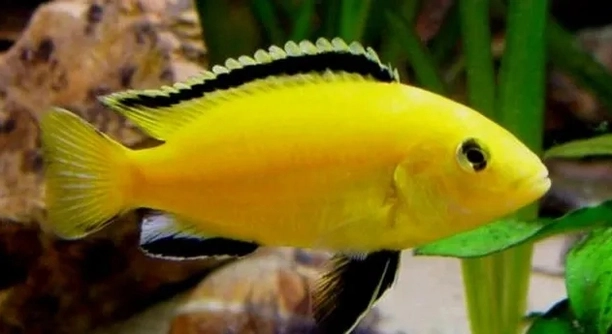
Electric Yellow Cichlids are known for their vibrant hues, but many owners notice their colors shifting over time. These changes can occur gradually or suddenly, leaving aquarists intrigued by the reasons behind this fascinating behavior.
Electric Yellow Cichlids change color primarily due to environmental conditions, stress levels, diet, and social interactions. Variations in lighting, water quality, or the presence of other fish can trigger hormonal and pigment changes, resulting in noticeable color shifts.
Understanding why these fish change color helps ensure they remain healthy and visually striking in your aquarium. Learning these details can improve your care routine and enhance their natural beauty.
Factors That Affect Color Changes
Electric Yellow Cichlids display different shades depending on several environmental and internal factors. Water quality plays a significant role, as poor parameters can dull their vibrant yellow tones. Stress from overcrowding, aggressive tank mates, or sudden changes in habitat can also trigger a loss or shift in color. Diet is another key factor. Foods rich in carotenoids and high-quality proteins help maintain bright coloration, while low-quality or insufficient nutrition can cause fading. Lighting conditions in the tank influence pigment visibility; brighter lights tend to enhance colors, while dim or inconsistent lighting may make the fish appear paler. Age also affects appearance, with younger fish often showing less intense coloration that develops fully over time. Hormonal changes, especially during breeding periods, can create temporary color variations. Observing these elements carefully allows you to adjust care routines and maintain your cichlid’s vivid hue over time.
Balancing diet, environment, and stress levels is the simplest way to help your fish keep their bright color consistently.
Monitoring water quality, lighting, diet, and tank social dynamics can prevent unexpected color changes. Maintaining consistency in these areas reduces stress and supports natural pigment expression. Regularly checking water parameters and feeding nutrient-rich foods ensures your cichlid thrives. Adjusting tank mates or decorations to minimize stress can further promote healthy coloration. These combined practices create a stable, supportive environment, allowing the Electric Yellow Cichlid’s vibrant tones to remain strong and attractive.
Stress and Social Influence
Stress and social interactions have a direct impact on color changes in Electric Yellow Cichlids. Aggressive tank mates, sudden disturbances, or overcrowded conditions can cause fish to lose brightness or shift to darker shades. Stress-related color changes can be temporary but may indicate underlying health or environmental issues that need attention.
Creating a calm environment and monitoring interactions is essential for maintaining vivid coloration. Observing behavior and rearranging tanks when necessary can help reduce tension among fish.
When multiple Electric Yellow Cichlids share a tank, hierarchy and dominance affect coloration. Submissive individuals often display paler colors to avoid conflict, while dominant fish exhibit brighter hues to signal strength. Breeding pairs show enhanced color intensity, which can fluctuate depending on hormonal cycles. Stress from illness or environmental instability also causes rapid fading or blotching. Providing adequate space, hiding spots, and balanced group sizes reduces aggression and supports healthy social dynamics. Maintaining stable water conditions, consistent feeding, and minimal disruptions helps each fish retain its natural colors. By understanding the influence of social structures and stress, owners can create a supportive habitat that encourages both behavioral harmony and visual vibrancy, keeping Electric Yellow Cichlids looking their best.
Diet and Nutrition
Proper nutrition is essential for maintaining the bright yellow color of Electric Yellow Cichlids. Foods high in carotenoids and natural pigments help enhance coloration. Avoid overfeeding or relying on low-quality flakes, as poor nutrition can dull their vibrancy and impact overall health.
A balanced diet for Electric Yellow Cichlids should include high-quality pellets, frozen or live foods, and occasional vegetable matter. Carotenoid-rich foods, such as shrimp or spirulina, help maintain their intense yellow tones. Feeding smaller amounts multiple times a day encourages proper digestion and absorption of nutrients. Overfeeding can lead to water pollution and health issues, which in turn can affect color expression. Rotating food types ensures they receive a full spectrum of vitamins and minerals necessary for growth, immunity, and pigment development.
Vitamin supplements can also support coloration and overall health. While not always necessary, they are useful if diet variety is limited. Consistency in feeding times and portion sizes helps the fish maintain steady pigment levels. Paying attention to their response to different foods allows you to identify which options best enhance their natural color. Combining quality nutrition with proper tank care creates optimal conditions for long-lasting vibrancy.
Lighting and Tank Setup
Lighting intensity and spectrum significantly influence how Electric Yellow Cichlids display their colors. Proper lighting brings out the brightest yellows, while dim or uneven lighting can make colors appear muted. Positioning lights consistently helps maintain stable pigmentation throughout the day.
Tank setup also affects color expression. Bright decorations, natural plants, and smooth surfaces reflect light and enhance visual appeal. Avoid overly dark substrates or cluttered areas, which can cause fish to darken. Regular tank maintenance, including water changes and monitoring filtration, ensures clarity and stability. A well-planned environment reduces stress and supports healthy pigment retention. Consistent temperature and water parameters complement lighting, creating conditions where Electric Yellow Cichlids show their most vibrant hues naturally.
Breeding and Hormones
Breeding cycles can cause noticeable color changes in Electric Yellow Cichlids. Males often display brighter hues to attract mates, while females may darken slightly. These shifts are temporary and linked to hormonal fluctuations during mating periods.
Color changes related to hormones are normal and generally indicate healthy reproductive behavior.
Water Quality
Maintaining clean water is crucial for vibrant coloration. High levels of ammonia, nitrites, or nitrates can stress fish and dull their yellow tones. Regular water changes and monitoring parameters keep the environment stable. Proper filtration and avoiding overfeeding also prevent harmful buildup that affects color expression.
Age and Growth
Younger Electric Yellow Cichlids often display paler colors that intensify with age. As they grow, pigments develop fully, and mature fish show the most vivid yellow tones. Growth-related color changes are gradual and natural, reflecting both physical development and hormonal changes within the fish.
Disease and Health
Illness can quickly affect coloration. Pale or blotchy patches often indicate stress, infection, or parasites. Prompt observation and treatment are necessary to restore both health and natural vibrancy in Electric Yellow Cichlids.
FAQ
Why is my Electric Yellow Cichlid turning pale?
A pale color usually signals stress or poor environmental conditions. Common causes include overcrowding, aggressive tank mates, inconsistent water parameters, or insufficient lighting. Diet can also play a role, as a lack of carotenoids or protein may cause dulling. Ensuring stable water quality, balanced nutrition, and a calm tank environment often restores their bright yellow tone.
Can diet really change their color?
Yes. Foods rich in natural pigments, like shrimp, spirulina, or high-quality cichlid pellets, enhance coloration. Feeding a variety of protein and vegetable sources supports pigment development. Poor or unbalanced diets can lead to faded colors over time, even if other conditions are ideal. Small, frequent feedings maximize nutrient absorption.
Does stress affect coloration?
Stress is one of the main reasons for sudden color changes. Aggression from other fish, rapid changes in temperature, or insufficient hiding spots can cause cichlids to darken or lose vibrancy. Reducing stress by providing space, stable water conditions, and compatible tank mates helps fish regain their natural colors.
How does breeding impact color?
During breeding, males often intensify in color to attract females, while some females may appear darker or more subdued. These changes are hormone-driven and temporary. Observing these shifts can indicate healthy reproductive behavior and help owners understand natural cycles.
Does water quality influence color?
Absolutely. Poor water quality can stress fish and trigger color loss. High ammonia, nitrites, or nitrates affect both health and pigmentation. Regular water changes, proper filtration, and careful monitoring of pH and temperature keep the environment stable, supporting vivid coloration.
Will lighting make a difference?
Yes. Proper lighting enhances the visibility of yellow pigments. Bright, consistent lighting brings out vivid tones, while dim or uneven light can make colors appear muted. Positioning lights effectively and using a natural day-night cycle improves overall color display.
Do age and growth affect color?
Young cichlids often show paler shades that deepen as they mature. Pigment development occurs gradually, and fully grown adults display the brightest hues. Observing these changes over time helps track both growth and health.
Can illness cause color changes?
Yes. Disease or parasites often cause sudden paleness, blotches, or uneven coloring. Rapid changes in appearance may indicate bacterial, fungal, or parasitic infections. Immediate attention, proper diagnosis, and treatment are necessary to prevent long-term health issues.
Is tank decoration important for color?
It can be. Substrate, plants, and tank layout influence stress levels and color expression. Bright, natural-colored decorations reflect light and enhance vibrancy. Dark or cluttered setups may cause fish to darken as a natural camouflage response. Maintaining a visually comfortable environment encourages consistent coloration.
How long does it take for colors to return?
Recovery depends on the cause. With proper care, stable water conditions, quality diet, and reduced stress, colors often return within days to weeks. Hormonal or breeding-related changes may take longer to stabilize. Patience and consistent care are key to restoring bright tones.
Can multiple factors cause color change at once?
Yes. Often, a combination of stress, diet, water quality, and social interactions affects coloration. Addressing only one factor may not fully restore vibrancy. Observing behavior, checking water parameters, and adjusting tank conditions holistically ensures better results for maintaining natural color.
Is it normal for color to fluctuate daily?
Slight daily variations are normal. Fish may appear brighter during activity and lighter during rest. However, significant or prolonged fading usually points to stress, illness, or environmental issues. Monitoring patterns helps distinguish normal fluctuations from concerning changes.
Are supplements necessary for vibrant color?
Not always, but they can help if diet is limited. Vitamin and carotenoid supplements support pigmentation, immunity, and overall health. When feeding a varied, high-quality diet, supplements may only provide minor benefits. Overuse should be avoided to prevent water quality issues.
How can I maintain vibrant colors long-term?
Stable water conditions, balanced nutrition, proper lighting, stress reduction, and observing tank dynamics are essential. Regular maintenance, careful monitoring, and consistent feeding routines create a supportive environment, helping Electric Yellow Cichlids retain their bright yellow tones and overall health.
This FAQ covers the main reasons behind color changes, practical steps to address them, and how to ensure Electric Yellow Cichlids remain healthy and visually striking over time.
Electric Yellow Cichlids are stunning fish, and their color changes can be fascinating to watch. These changes are influenced by multiple factors, including diet, water quality, stress, social interactions, age, and breeding cycles. Each factor plays a role in how vibrant or pale your fish appears, and understanding them helps you provide better care. Consistent observation of your cichlids allows you to notice subtle shifts in color that may indicate changes in health or environment. Paying attention to these details ensures that your fish remain visually striking and healthy over time.
Proper nutrition is one of the most important aspects of maintaining bright coloration. Feeding a balanced diet that includes carotenoid-rich foods, high-quality pellets, and occasional live or frozen items helps develop and preserve vibrant yellow tones. Overfeeding or providing poor-quality food can dull the color and affect overall health. Along with diet, water quality is critical. Regular monitoring of pH, ammonia, nitrite, and nitrate levels, along with routine water changes, keeps the tank environment stable. Stable water and proper nutrition work together to reduce stress and support pigment development. Additionally, adequate lighting and thoughtful tank setup enhance color visibility and promote a healthy, comfortable habitat.
Social dynamics and stress management also play significant roles in color expression. Aggressive or overcrowded tanks can lead to color fading, while calm and properly spaced tanks encourage natural vibrancy. Breeding cycles and hormonal changes cause temporary shifts in coloration, which are normal and usually indicate healthy behavior. Illness or parasites, however, can produce sudden or blotchy color changes and should be addressed promptly. Understanding these factors allows you to anticipate and manage changes effectively. By focusing on diet, water quality, lighting, tank setup, and social dynamics, you can create an environment that supports consistent and vivid coloration, ensuring that Electric Yellow Cichlids remain attractive and healthy throughout their lives.

Hello,
If you enjoy the content that we create, please consider saying a "Thank You!" by leaving a tip.
Every little bit helps us continue crafting quality advice that supports the health, happiness, and well-being of pets around the world, for pets of all shapes, sizes, and species.
We really appreciate the kindness and support that you show us!