
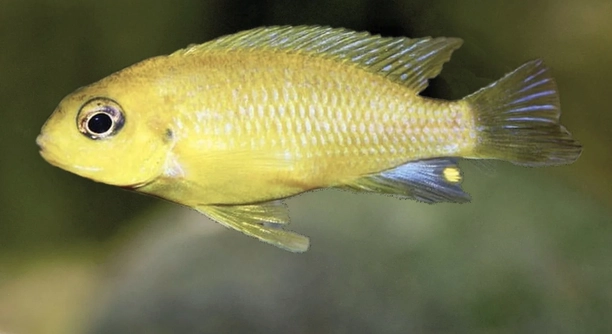
Electric Yellow Cichlids are bright, lively fish that often catch the attention of aquarium enthusiasts. Many people enjoy keeping them for their color and activity, but their behavior can sometimes be surprising to new fish owners.
Electric Yellow Cichlids can display aggressive behavior, especially toward smaller or similarly colored fish. Their territorial instincts and dominance patterns often lead to chasing and nipping, which requires careful tank planning and monitoring to maintain a balanced aquarium environment.
Understanding their temperament and tank needs will help you manage their behavior effectively and create a harmonious home for all your aquatic pets.
Understanding Electric Yellow Cichlid Behavior
Electric Yellow Cichlids are naturally territorial, which often makes them assertive in their environment. They tend to establish a personal space and defend it against other fish, especially those that are smaller or similarly colored. In a community tank, this can lead to chasing, nipping, or pushing other fish aside. Aggression is usually more pronounced when they are breeding or when the tank is overcrowded. Providing hiding spots like rocks, plants, or caves helps reduce stress and allows each fish to claim its own area. Tank size also matters—larger tanks allow them to spread out and minimize conflicts. Observing their behavior over time helps in identifying dominant fish and ensuring everyone has enough space. Adjusting feeding routines and monitoring interactions can prevent minor aggression from escalating. Consistent care, proper tank setup, and understanding their social structure are key to maintaining a balanced, healthy aquarium where Electric Yellow Cichlids can thrive.
Managing aggression early prevents stress-related illness and ensures all fish remain healthy and active.
With proper tank arrangements, including decorations and boundaries, aggression is easier to manage. Each fish has a chance to feel secure, which reduces chasing and fighting. Observing their social hierarchy is essential for long-term harmony.
Tips to Reduce Aggression
Providing plenty of hiding spaces in the tank allows fish to retreat and feel safe.
Introducing fish gradually, keeping similar sizes together, and maintaining clean water can greatly reduce aggressive behavior. Overcrowding should be avoided, and monitoring during feeding helps ensure no one is constantly chased away. Rearranging decorations occasionally can prevent established territories from becoming too rigid. Pairing them with compatible species that can handle their assertiveness is also important. Choosing tank mates that are fast swimmers or slightly larger helps minimize bullying. It’s essential to watch for signs of stress, like torn fins or constant hiding, as these indicate aggression is becoming a problem. Regular observation and small adjustments to their environment create a calmer tank. Feeding multiple locations at once reduces competition and allows all fish to eat properly. Maintaining a consistent schedule and stable water conditions supports overall health. When necessary, separating aggressive individuals temporarily can restore balance. By understanding their behavior and providing thoughtful care, Electric Yellow Cichlids can coexist peacefully with others.
Tank Setup for Electric Yellow Cichlids
A proper tank setup can greatly reduce aggressive behavior. Rocks, caves, and plants give them places to hide and claim as territory. Avoid overcrowding and ensure there is enough space for all fish to swim freely, which lowers stress and minimizes fighting.
Providing multiple hiding spots helps each fish feel secure. Using rocks to create separate territories and placing plants strategically can break sightlines, reducing constant chasing. A tank of at least 55 gallons is ideal for a small group, as it gives enough space for them to establish territories without constant conflict. Filtration and regular water changes are essential to maintain a healthy environment. Arranging decorations so fish can retreat or establish personal areas allows them to coexist with minimal stress. Observing their behavior and making small adjustments can prevent long-term aggression and injury, keeping the tank peaceful.
Lighting and substrate also affect behavior. A sandy substrate with moderate lighting helps them feel comfortable and reduces stress. Rearranging décor periodically prevents territorial disputes from becoming fixed and keeps the environment dynamic. By planning the tank thoughtfully, aggression is much easier to manage, and fish health improves. Proper setup ensures all residents have their space and reduces constant dominance struggles.
Choosing Compatible Tank Mates
Selecting the right tank mates prevents unnecessary conflict and stress in the aquarium. Electric Yellow Cichlids do best with species that can tolerate their assertive nature.
Avoid keeping them with very small or timid fish, as these will likely be chased or bullied. Larger, fast-moving fish that occupy different levels of the tank are better companions. Fish with similar aggression levels or strong territorial instincts can sometimes coexist if the tank is large enough. Keeping a consistent group of cichlids together helps establish social hierarchies without constant fights. Introducing new fish slowly, in pairs or small groups, allows them to adjust to existing residents. Monitoring interactions during feeding is important to ensure no fish is left out or stressed. A well-planned community can reduce aggression while keeping the tank lively and active.
When selecting companions, consider size, temperament, and swimming patterns. Avoid overcrowding and provide multiple hiding spots to help reduce stress. Fast-swimming or mid-to-top dwellers are ideal, while bottom-dwellers may need extra space to avoid conflict. Observing how new fish interact with existing residents is key. Some trial and error may be necessary, but careful planning ensures compatibility. Paying attention to behavior and making small adjustments, such as rearranging decorations or separating aggressive individuals temporarily, helps maintain a peaceful and healthy aquarium. Balancing the social dynamics in the tank improves the overall well-being of all fish.
Feeding and Aggression
Feeding routines can influence aggression in Electric Yellow Cichlids. Providing food at multiple locations in the tank reduces competition and prevents dominant fish from chasing others away. Consistent feeding schedules help fish feel secure and minimize stress-related aggression.
Overfeeding or irregular feeding can make them more territorial and pushy. Measuring portions and spreading food evenly ensures all fish get their share. Observing their eating habits allows you to adjust amounts and timing, keeping the tank calmer.
Breeding Behavior
During breeding, Electric Yellow Cichlids become highly territorial. Males will guard eggs and fry aggressively, chasing other fish to protect their offspring. This behavior can increase stress in the tank if spaces are limited. Providing separate breeding caves and hiding spots helps reduce conflicts during this period.
Monitoring Health
Regularly checking for injuries or signs of stress is essential. Nipped fins or constant hiding indicate that aggression may be becoming a problem.
Adjusting Tank Environment
Small changes in tank layout, lighting, or decorations can influence behavior. Moving rocks or plants occasionally helps reduce fixed territories and keeps aggression under control.
FAQ
How aggressive are Electric Yellow Cichlids?
Electric Yellow Cichlids can be moderately to highly aggressive depending on their environment. They defend territories, chase smaller fish, and can nip fins. Aggression is more intense during breeding or when the tank is overcrowded. Proper tank size, hiding spots, and compatible tank mates help reduce stress and aggressive encounters. Observing them regularly allows you to identify dominant behavior and intervene if necessary.
Can Electric Yellow Cichlids live with other fish?
Yes, they can live with other fish if tank mates are carefully selected. Choose fish that are similar in size, fast swimmers, and can tolerate assertive behavior. Avoid very small or timid fish, as they may be bullied. Providing plenty of hiding spaces and a large tank improves harmony. Grouping cichlids together helps them establish a hierarchy, reducing ongoing conflicts.
Do they get more aggressive in small tanks?
Yes. Limited space increases territorial disputes and stress. Smaller tanks prevent fish from escaping aggressive individuals, which leads to more chasing and nipping. A minimum of 55 gallons is recommended for a small group. Adding rocks, caves, and plants gives fish areas to retreat and helps diffuse aggression. Regular observation and tank adjustments are essential to keep the environment balanced.
What triggers aggression in Electric Yellow Cichlids?
Aggression is triggered by territory defense, breeding, overcrowding, and competition for food. Changes in tank layout or water conditions can also increase stress and aggressive behavior. Dominant fish may chase or nip weaker ones to establish control. Recognizing triggers early allows adjustments like adding hiding spots, rearranging decorations, or temporarily separating aggressive fish to maintain a calm environment.
How can I reduce aggression in my tank?
Reducing aggression involves proper tank setup, compatible tank mates, and feeding strategies. Provide multiple hiding places and spread food across the tank. Avoid overcrowding and keep fish of similar size together. Observing their behavior and making small changes, like moving rocks or plants, can prevent fixed territorial disputes. Regular maintenance and water quality monitoring also support calmer interactions.
Do males get more aggressive than females?
Yes, males tend to be more aggressive, especially during breeding. They guard territory, eggs, and fry more intensely. Females can also be territorial but usually less so. Providing breeding caves, extra hiding spots, and enough space helps reduce conflicts between males and other tank residents.
Is aggression constant or occasional?
Aggression is usually occasional and situation-dependent. It spikes during breeding, feeding, or when new fish are introduced. Most of the time, fish establish territories and coexist peacefully once social hierarchies are formed. Regular observation ensures minor aggression does not escalate into serious injuries.
Can aggression harm other fish?
Yes, nipping fins and chasing can stress or injure other fish. Continuous stress can lead to illness, reduced appetite, or even death. Providing a large tank, hiding spaces, and compatible companions helps prevent harm and keeps the aquarium balanced. Intervening when injuries occur is important for overall tank health.
Do decorations affect aggression?
Yes, rocks, caves, and plants help reduce aggression by creating territories and hiding spots. Rearranging décor occasionally prevents fish from becoming too attached to one area and reduces fights over fixed territories. A thoughtfully decorated tank supports calmer behavior and healthier interactions among all residents.
How do I know if aggression is normal or excessive?
Normal aggression involves brief chasing and territorial displays. Excessive aggression includes constant chasing, injured fins, or fish hiding most of the time. If aggression impacts health or feeding, adjustments like separating aggressive fish, adding hiding spots, or changing tank mates are necessary. Monitoring behavior consistently helps maintain a balanced environment.
Can Electric Yellow Cichlids calm down over time?
Yes, aggression often decreases as fish establish a hierarchy. Once territories are recognized, dominant and submissive roles reduce constant conflict. Careful tank management and consistent observation ensure the tank remains stable, with all fish having space to thrive without excessive stress.
Do feeding habits influence aggression?
Yes, aggressive behavior can increase if food is scarce or concentrated in one spot. Feeding at multiple locations and maintaining a regular schedule ensures all fish get enough nutrition. Observing eating patterns helps identify fish that are being bullied and allows adjustments to reduce competition during feeding.
Is breeding the most aggressive period?
Yes, breeding significantly increases aggression. Males guard eggs and fry, chasing any intruders, including other cichlids. Females may also defend the nest. Providing separate breeding caves and extra hiding spots allows other fish to avoid confrontation and helps maintain peace in the tank during this period.
How important is tank size for managing aggression?
Tank size is crucial. A larger tank gives fish room to establish territories, escape from aggressors, and coexist peacefully. Smaller tanks concentrate fish and increase stress, leading to higher aggression. At least 55 gallons is recommended for a small group, with additional space for each new addition to the community.
Can I mix Electric Yellow Cichlids with non-cichlid species?
Yes, but carefully. Choose fast-moving, larger fish that occupy different areas of the tank. Avoid small, slow, or timid fish that may become targets. Multiple hiding spots and careful observation are necessary to ensure peaceful coexistence and prevent injury from chasing or nipping.
Does water quality affect aggression?
Yes, poor water quality increases stress, which can trigger aggression. Consistent filtration, regular water changes, and stable parameters like pH and temperature keep fish healthy and calmer. Stress from dirty or unstable water conditions can make normally peaceful fish more territorial and aggressive.
How do I introduce new fish without causing fights?
Introduce new fish slowly, preferably in pairs or small groups. Rearrange tank decorations beforehand to disrupt established territories. Monitor interactions closely and separate aggressive individuals if needed. Gradual acclimation reduces stress and helps the new fish adjust without triggering excessive aggression.
Are juvenile Electric Yellow Cichlids less aggressive?
Yes, juveniles are usually less aggressive, but they may still show territorial behavior as they grow. As they mature, aggression increases, especially when establishing hierarchies. Providing adequate space, hiding spots, and compatible companions helps manage aggression as they reach adulthood.
Does rearranging the tank help with aggression?
Yes, occasional rearrangement prevents fixed territories and reduces dominance disputes. Moving rocks, plants, or caves forces fish to reestablish boundaries, which can calm chronic aggressors and create a more balanced environment for all residents.
Can aggression cause long-term stress?
Yes, constant chasing, nipping, or bullying leads to chronic stress. Stressed fish may eat less, become sick, or lose color. Managing aggression through proper tank setup, compatible mates, and hiding spaces is essential to prevent long-term health problems and maintain a stable aquarium.
What are signs that aggression is under control?
Signs include minimal chasing, fish swimming freely, eating normally, and no visible injuries. Most interactions are brief and calm, with fish retreating when necessary. Observing a balanced social hierarchy and healthy, active fish indicates that aggression is effectively managed.
How often should I monitor my tank?
Daily observation is recommended, especially during feeding or when introducing new fish. Noticing early signs of stress or aggression allows quick intervention. Consistent monitoring ensures minor issues don’t escalate, maintaining a healthy and peaceful environment for Electric Yellow Cichlids and their companions.
Can splitting aggressive individuals help?
Yes, temporarily separating aggressive fish can restore balance. Isolation allows stressed fish to recover and reduces constant conflict. After a short period, they can often be reintroduced with less fighting if the environment has been adjusted with hiding spots or rearranged decorations.
Is aggression more common in males than females?
Yes, males generally display more territorial and dominant behavior, particularly during breeding. Females may also defend territory but are usually less intense. Recognizing these patterns helps in managing tank dynamics and preventing serious injuries.
Do Electric Yellow Cichlids calm with age?
Yes, they tend to calm as they establish territories and social hierarchies. Once roles are recognized, chasing and fighting decrease, and the tank becomes more stable. Proper care and observation support this natural settling of behavior over time.
Can stress increase aggression?
Yes, stress from poor water quality, overcrowding, or incompatible tank mates can make normally moderate fish more aggressive. Reducing stress through proper care, adequate space, and environmental adjustments keeps behavior manageable and protects overall health.
How long does it take for aggression to stabilize?
It varies but usually a few weeks to months. As fish settle, establish territories, and form hierarchies, aggression decreases. Maintaining a stable environment and observing interactions ensures this process goes smoothly, resulting in a calmer, healthier aquarium.
Is it normal for nipping to occur?
Yes, occasional nipping is a normal part of establishing social structure. Frequent or severe nipping, however, indicates excessive aggression that may require intervention through tank adjustments or separating individuals.
Can aggressive behavior be completely prevented?
No, some level of aggression is natural due to territorial instincts and social hierarchies. Proper tank setup, compatible companions, feeding strategies, and observation help manage aggression, keeping it at a level that doesn’t harm fish or disrupt the aquarium environment.
What should I do if a fish is injured from aggression?
Separate the injured fish if necessary and treat any visible wounds. Ensure water quality is optimal to prevent infection. Adjust tank layout or tank mates to prevent further aggression and monitor the injured fish until fully recovered.
Does breeding increase aggression for both sexes?
Primarily males are more aggressive, but females also defend eggs and fry. Providing enough space and hiding spots reduces stress for non-breeding fish and limits conflicts during this period.
Are certain tank layouts better for reducing aggression?
Yes, layouts with multiple hiding spots, broken sightlines, and dispersed territories are ideal. Rocks, caves, and plants prevent dominance from concentrating in one area, allowing fish to coexist more peacefully.
Can introducing plants help?
Yes, plants provide hiding spots, visual barriers, and territory markers. They reduce stress, prevent constant chasing, and make the tank feel more secure for all residents.
Is aggression worse with fewer hiding spots?
Yes, lack of hiding spaces forces fish into constant contact, increasing chasing and nipping. Providing adequate caves, rocks, and plants reduces stress and allows fish to claim personal territories without frequent confrontation.
How does feeding method affect behavior?
Single-point feeding increases competition and aggression. Spreading food throughout the tank ensures all fish eat without conflict. Multiple feeding spots and consistent schedules reduce stress and improve harmony among tank residents.
Do tank decorations influence hierarchy?
Yes, decorations define territories and influence dominance patterns. Rearranging rocks or plants occasionally prevents fixed hierarchies, reducing chronic aggression and keeping the tank balanced.
How important is observation for managing aggression?
Observation is essential. Watching fish interactions, feeding, and signs of stress allows early intervention. Adjustments to tank mates, decorations, or hiding spots can prevent minor aggression from escalating into injury or chronic stress.
Can aggression cause health issues?
Yes, stress from aggression can weaken the immune system, reduce appetite, and cause injuries. Managing environment, feeding, and companions prevents long-term health problems and maintains a stable, healthy tank.
Is it normal for Electric Yellow Cichlids to chase constantly?
Chasing is normal during territory establishment, feeding, or breeding. Constant chasing outside these situations indicates stress or overcrowding, which requires tank adjustments, more hiding spaces, or separating aggressive individuals to restore balance.
How do I balance aggression and social behavior?
Providing enough space, compatible tank mates, hiding spots, and proper feeding routines allows Electric Yellow Cichlids to establish hierarchy without harming other fish. Regular observation and small adjustments maintain a peaceful, balanced aquarium environment.
Can aggression decrease naturally over time?
Yes, as fish settle and social hierarchies are established, aggression usually decreases. Proper care, space, and compatible companions support this natural reduction in territorial behavior.
Do males guard territory more than females?
Yes, males are more territorial and aggressive, especially during breeding. Females may defend eggs or fry but generally display less aggression than males.
How do I prevent chronic stress from aggression?
Ensure adequate tank size, hiding spaces, compatible companions, and stable water conditions. Monitor feeding and interactions to address problems early. Regular maintenance and observation prevent minor conflicts from becoming long-term stress issues.
Can splitting aggressive pairs help maintain peace?
Yes, temporary separation allows stressed fish to recover and reduces constant conflict. Reintroducing them after adjustments, such as rearranged decorations or additional hiding spots, can restore balance in the tank.
Are Electric Yellow Cichlids aggressive toward all tank mates?
No, aggression depends on size, temperament, and compatibility. Proper selection of companions, adequate space, and hiding spots allows coexistence without significant conflict.
Does aggression affect breeding success?
Yes, excessive stress or fighting can impact breeding behavior and fry survival. Providing enough space, hiding spots, and calm tank conditions improves reproductive success and reduces aggression-related issues.
How can I tell if my tank setup is effective?
Signs include minimal chasing, healthy fish, no visible injuries, and calm interactions. Balanced territories, consistent feeding, and active swimming indicate the tank setup supports peaceful coexistence and reduces aggression.
Do rearranged tanks reduce stress?
Yes, rearranging decorations prevents fixed territories, reduces dominance disputes, and helps stressed fish regain comfort in the environment. It encourages more equal territory distribution and calmer behavior.
How important is tank size for multiple cichlids?
Tank size is critical. A larger tank allows for multiple territories, reduces overcrowding, and prevents constant stress. Smaller tanks increase aggressive interactions and injuries, making size a key factor for peaceful cohabitation.
Can aggression flare up after changes in the tank?
Yes, adding new fish, rearranging decorations, or changing water parameters can temporarily increase aggression. Careful monitoring and gradual adjustments help minimize conflicts and restore balance quickly.
Is it normal for Electric Yellow Cichlids to chase constantly during feeding?
Yes, some chasing occurs during feeding, but spreading food at multiple locations reduces competition. Excessive chasing that prevents fish from eating requires adjustments to feeding strategy or tank setup.
How can I manage aggression during breeding?
Provide separate caves, hiding spots, and enough space. Limiting contact between breeding pairs and other residents reduces stress and prevents injury to fry or adults. Observation is key during this period.
Does lighting affect aggression?
Moderate lighting is best. Too bright or inconsistent lighting can stress fish, increasing aggressive behavior. A stable light cycle supports normal activity and reduces tension in the tank.
Can rearranging plants reduce fights?
Yes, moving plants creates new territories and breaks fixed lines of sight. This prevents chronic aggression and encourages calmer interactions. Regularly changing layout supports healthier social behavior.
Are hiding spots essential for peace?
Absolutely. Hiding spots allow fish to retreat, claim personal space, and avoid constant chasing. Without them, territorial disputes and stress increase significantly.
Can feeding multiple times a day reduce aggression?
Yes, dividing food into smaller, frequent meals reduces competition. Multiple feeding locations ensure all fish get enough nutrition and lower the likelihood of fighting during feeding.
Do juveniles require special management for aggression?
Juveniles are less aggressive but can develop dominance behaviors as they grow. Adequate space, hiding spots, and compatible groupings help prevent early conflicts and establish a stable social hierarchy.
How do I prevent aggressive fish from stressing others?
Provide enough space, hiding spots, compatible tank mates, and consistent feeding. Observing interactions and separating aggressive individuals temporarily helps maintain a calm environment.
Is aggression seasonal or constant?
Aggression varies with breeding, feeding, and environmental changes. It is not constant and usually spikes during specific events, declining once hierarchies and territories are established.
Does overcrowding increase aggression?
Yes, overcrowding forces fish into constant contact, leading to chasing, nipping, and stress. Adequate tank size and thoughtful stocking reduce aggression and support healthier social interactions.
Can rearranging caves prevent fights?
Yes, changing cave positions breaks established territories and prevents dominant fish from controlling key areas. This encourages fairer distribution of space and calmer behavior.
How do I maintain harmony in a mixed tank?
Choose compatible fish, provide hiding spots, monitor interactions, and adjust tank layout as needed. Regular feeding and observation reduce conflicts and maintain a balanced environment.
Do Electric Yellow Cichlids calm down with consistent care?
Yes, consistent tank maintenance, stable water conditions, proper feeding, and compatible companions help them settle into calmer behavior over time.
Are dominant fish always aggressive?
Dominant fish assert themselves but may only display aggression occasionally. Proper tank setup and enough space reduce the frequency and intensity of aggressive behaviors.
Can aggression cause long-term health problems?
Yes, chronic stress from fighting can weaken immunity, stunt growth, or lead to injuries. Managing tank conditions and interactions prevents serious long-term effects.
Does adding plants help reduce aggression long-term?
Yes, plants provide consistent hiding spots and visual barriers, which help prevent chronic stress and aggression over time. Regular maintenance of plant placement supports calmer behavior.
Is aggression higher in males during breeding season?
Yes, males are significantly more aggressive during breeding, guarding territory, eggs, and fry. Providing space and hiding spots reduces stress for other fish and prevents injury.
How do I know my interventions are working?
Signs include reduced chasing, healthy fish, proper feeding, and calm interactions. Adjustments in tank layout, hiding spots, and feeding routines should result in fewer conflicts and more balanced behavior.
Can water temperature affect aggression?
Yes, unstable or extreme temperatures can stress fish and increase aggressive behavior. Maintaining a stable temperature suitable for cichlids supports calmer, healthier interactions.
Does the number of hiding spots influence aggression?
Yes, more hiding spots allow fish to claim personal space, retreat when threatened, and reduce constant conflicts, leading to a more peaceful tank environment.
Can aggression flare up after rearranging decorations?
Yes, temporary increases are normal as fish reestablish territories. This usually settles quickly if adequate space and hiding spots are available.
Do males become less aggressive after establishing hierarchy?
Yes, once social hierarchy and territories are established, dominant males tend to reduce frequent chasing, allowing calmer coexistence with other fish.
Is chasing during feeding always a problem?
Not necessarily. Brief chasing is normal, but persistent harassment that prevents fish from eating needs intervention through feeding adjustments or tank layout changes.
Can splitting the tank temporarily reduce aggression?
Yes, temporary separation of aggressive individuals allows stressed fish to recover. After adjustments like added hiding spots, reintroduction is usually calmer.
How long does it take to see results from aggression management?
Results vary but usually weeks to a few months. Consistent care, proper setup, and monitoring gradually reduce conflicts and stabilize behavior.
Does aggression affect growth?
Yes, stressed or bullied fish may eat less, slowing growth. Reducing stress
Electric Yellow Cichlids are bright, lively fish that bring energy to a tank, but their natural territorial instincts can sometimes lead to aggressive behavior. Understanding their temperament is the first step in creating a harmonious aquarium. Aggression is not unusual for this species, as they naturally defend their space, chase smaller or similarly colored fish, and display dominant behavior during feeding or breeding. Accepting that some level of aggression is normal helps you approach tank management calmly and make practical adjustments rather than expecting constant peaceful interactions. Observing their patterns, including which fish are most dominant or prone to chasing, allows you to address issues before they become harmful.
Proper tank setup is one of the most effective ways to reduce aggression. Providing enough space for all residents is critical, as overcrowding can quickly increase stress and conflicts. Rocks, caves, and plants create separate territories where each fish can retreat and feel secure. Multiple hiding spots allow subordinate fish to avoid constant harassment and reduce injury risks. Feeding at different locations also prevents competition and ensures all fish get their share. Choosing compatible tank mates is another key factor, as pairing Electric Yellow Cichlids with species that can tolerate their assertiveness helps maintain balance. Observing interactions during feeding and rearranging decorations occasionally can further prevent chronic territorial disputes.
Patience and consistent care are essential when managing these fish. Aggression often decreases as hierarchies are established and territories are recognized, but it requires ongoing attention. Daily observation, proper water maintenance, and addressing stress factors like overcrowding or poor water quality keep the tank environment healthy. Temporary separation of aggressive individuals may be necessary at times, especially during breeding or when injuries occur. By planning the tank thoughtfully, providing hiding spots, maintaining stable conditions, and carefully selecting companions, you can manage aggression effectively. Over time, this leads to a calmer, healthier aquarium where Electric Yellow Cichlids coexist with other fish while displaying their natural, lively behavior without causing significant harm.

Hello,
If you enjoy the content that we create, please consider saying a "Thank You!" by leaving a tip.
Every little bit helps us continue crafting quality advice that supports the health, happiness, and well-being of pets around the world, for pets of all shapes, sizes, and species.
We really appreciate the kindness and support that you show us!