
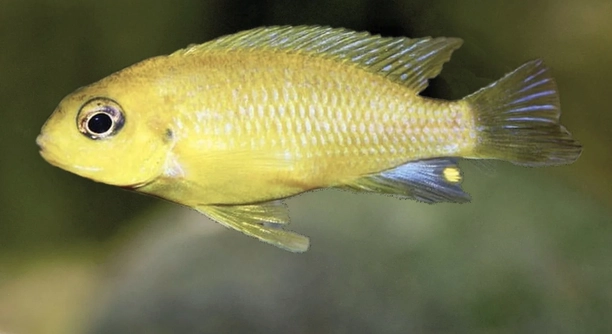
Do you ever find yourself staring at an empty tank, wondering where your bright electric yellow cichlid has gone? These lively fish can vanish quickly, leaving many aquarists puzzled and concerned about their sudden disappearance.
Electric yellow cichlids often hide due to stress, illness, territorial disputes, or environmental changes. Identifying these causes is essential, as factors like tank size, water quality, and the presence of other fish directly influence their behavior and visibility.
Understanding why your cichlid may have disappeared will help you locate it and maintain a healthier tank environment. We will cover practical ways to address this issue effectively.
1. Stress From Tank Environment
Electric yellow cichlids are highly sensitive to their surroundings. Sudden changes in temperature, pH, or water hardness can cause them to hide or become inactive. Overcrowding is another major factor, as too many fish in one tank increases competition for space, food, and territory. Even minor changes, like rearranging rocks or decorations, can trigger stress responses. Stressed cichlids may seek secluded areas, staying out of sight for hours or even days. Recognizing signs of stress early, such as rapid gill movement, loss of appetite, or unusual coloration, can help prevent long-term health issues. Maintaining consistent water parameters, providing ample hiding spots, and limiting sudden changes can create a more stable environment. This approach ensures your cichlid feels secure, reducing the likelihood of unexplained disappearances. Stress management is essential not only for visibility but also for overall fish health and well-being.
Creating a calm environment with consistent water conditions keeps electric yellow cichlids comfortable and more likely to stay active and visible.
Even small environmental improvements, like adding gentle filtration and well-placed shelters, make a noticeable difference. Fish respond to consistency, and predictable conditions help reduce stress. Offering balanced nutrition and maintaining a regular feeding schedule also supports overall health. By observing their behavior closely, you can identify patterns and intervene before prolonged hiding or illness occurs. Regular water testing, cautious introduction of new tankmates, and avoiding sudden rearrangements are simple steps that create a safer, more secure habitat for these vibrant fish. Over time, these practices allow your electric yellow cichlid to thrive, appearing more consistently and behaving naturally, so you spend less time searching and more time enjoying your aquarium.
2. Illness or Infection
Health problems can make cichlids retreat into hiding.
Illnesses like parasitic infections, fin rot, or bacterial issues often cause sudden withdrawal. These conditions weaken the fish, making movement limited and reducing appetite. Early detection is crucial, as untreated illness can spread to other tank inhabitants or result in death. Observing subtle changes in behavior or appearance, such as clamped fins, faded color, or irregular swimming, is key. Quarantining sick fish and treating promptly helps prevent escalation. Maintaining clean water and avoiding overfeeding reduces the likelihood of disease.
Electric yellow cichlids that fall ill often hide behind rocks, within decorations, or at the tank bottom. These locations offer safety while the fish’s immune system responds. Even minor infections can cause noticeable behavior changes, so it’s important to inspect all fish regularly. Temperature fluctuations or stress can worsen illness, making proactive care essential. Offering a high-quality diet supports immunity and recovery. Observing interactions with tankmates can also indicate subtle problems. Regular water changes, monitoring parameters, and providing appropriate treatment when needed ensures fish recover quickly. This vigilance maintains a healthy aquarium where all cichlids are visible and active.
3. Territorial Behavior
Electric yellow cichlids are naturally territorial. They often claim spaces around rocks or decorations and chase others away, causing smaller or weaker fish to hide. Disappearing behavior is usually a defensive response to protect themselves from aggressive tankmates or new additions to the tank.
Territorial disputes can escalate quickly in a confined space. Fish may retreat to secluded areas to avoid conflict, especially if dominant cichlids patrol the tank frequently. Males are more likely to exhibit aggressive behavior, guarding their preferred spots and limiting movement of others. Providing multiple hiding places and visual barriers reduces stress and helps maintain harmony. Separating particularly aggressive fish or adding larger tanks with clear boundaries can also prevent prolonged hiding. Observation of interactions helps identify which individuals are stressed, allowing corrective actions to maintain a peaceful environment.
In addition to hiding, territorial stress can affect feeding and overall health. Fish that remain secluded may skip meals or show dull coloration. Over time, chronic stress can weaken the immune system, increasing susceptibility to disease. Rearranging tank structures strategically allows less dominant cichlids to feel safe while still giving dominant fish their territory. Balancing aggression and security ensures all cichlids remain visible and active. Managing territory effectively requires ongoing monitoring and small adjustments to tank layout and population density.
4. Hiding During Breeding
Breeding instincts often make electric yellow cichlids seek privacy. They may disappear behind rocks or within crevices to protect eggs or fry from perceived threats.
During spawning, both males and females display increased reclusiveness. Females often hide to guard eggs, while males patrol surrounding areas to ward off rivals. This natural behavior reduces visibility for days or even weeks, depending on the breeding stage. Proper hiding spots encourage successful reproduction while keeping the fish calm. Breeding pairs need stable water conditions, minimal disturbance, and well-defined territories. Providing plenty of secure spaces allows them to exhibit natural behaviors without risking stress or aggression.
Hiding for breeding can impact tank dynamics. Other fish may react to these secluded pairs, either avoiding or attempting intrusion, causing further concealment. Observing these interactions helps prevent conflicts and ensures the eggs or fry are protected. Feeding routines and water quality must remain consistent to support health during this critical period. Careful monitoring allows breeders to thrive while keeping the tank balanced. Over time, once fry grow and parents feel secure, the cichlids resume normal activity, gradually becoming visible again without stress.
5. Nocturnal or Low Activity Periods
Electric yellow cichlids can be less active during certain times of the day. They may rest or remain hidden in shaded areas, especially in the evening or when lights are dim.
This natural behavior helps them conserve energy. Fish that appear missing may simply be resting or avoiding bright light. Providing consistent lighting and gradual transitions between day and night can reduce unnecessary stress.
6. Escaping the Tank
Fish can sometimes jump out if the tank is uncovered or disturbed. Escapes often happen during feeding or water changes.
Keeping a secure lid is essential. Even cautious fish may leap unexpectedly if startled by sudden movement, loud noises, or reflections. This risk increases with aggressive tankmates or overcrowded conditions.
7. Food and Feeding Patterns
Electric yellow cichlids may hide while searching for food or waiting for the right moment to eat. Their feeding habits affect when and where they are visible in the tank.
Observing their patterns can help you predict activity and reduce worries about disappearances. Feeding at consistent times encourages visibility and reduces stress.
Why did my electric yellow cichlid disappear suddenly?
Disappearance usually results from stress, illness, or territorial behavior. Sudden environmental changes, aggressive tankmates, or overcrowding can trigger hiding. Illness or minor injuries may also cause the fish to retreat to secluded areas. Observing water parameters, tank layout, and interactions helps identify the cause.
Where should I look first when my cichlid disappears?
Check all hiding spots, including behind rocks, decorations, and plants. The bottom of the tank is a common area for resting fish. Fish may also retreat to filtration areas or corners that provide shade and security. Thorough observation is key.
Could water quality be causing my cichlid to hide?
Yes, poor water quality is a major factor. High ammonia, nitrite, or nitrate levels stress cichlids, prompting them to hide. Inconsistent temperature or pH changes can also cause prolonged seclusion. Regular water testing and partial water changes maintain a stable environment.
Can aggressive tankmates force my cichlid to disappear?
Aggressive or dominant fish often intimidate electric yellow cichlids. Submissive fish retreat to avoid conflict. Separating aggressive individuals, adding visual barriers, or rearranging decorations can reduce stress. Providing sufficient space for all fish ensures everyone has access to safe zones.
Is hiding behavior normal during breeding?
Yes, breeding pairs often become reclusive. Females hide to guard eggs or fry, and males patrol nearby areas. Providing secure hiding places supports natural behavior. Minimal disturbance, stable water conditions, and adequate food are critical during this period.
Could my cichlid be resting or sleeping?
Electric yellow cichlids have low activity periods, especially during evenings or dim lighting. Resting in shaded areas is normal. Observing patterns over a few days can confirm whether the disappearance is part of natural behavior. Consistent lighting schedules help regulate activity.
Can my fish jump out of the tank?
Yes, uncovered tanks increase the risk of escape. Fish may leap if startled by noise, movement, or reflections. A secure lid prevents accidents. Maintaining calm conditions during feeding and cleaning reduces sudden jumps.
What should I do if my cichlid is sick?
Identify symptoms like clamped fins, faded color, loss of appetite, or unusual swimming. Quarantine the affected fish if possible and treat promptly. Maintain clean water, adjust temperature carefully, and provide high-quality food. Early intervention prevents worsening illness and protects other tank inhabitants.
How can I make my cichlid feel safe?
Provide multiple hiding spots with rocks, plants, and crevices. Consistent water parameters, gradual lighting changes, and minimal disturbances help reduce stress. Observing interactions allows you to adjust tankmates or layout as needed. Safety encourages visibility and healthy behavior.
How can I prevent my cichlid from disappearing in the future?
Maintain stable water conditions, provide hiding spaces, monitor aggression, and feed at consistent times. Regular observation of behavior and tankmates ensures that potential stressors are addressed early, keeping your cichlid active and visible.
Is it normal for some cichlids to be more reclusive than others?
Yes, individual temperament varies. Some electric yellow cichlids are naturally shy or submissive, hiding more often. Recognizing these tendencies helps you provide appropriate shelter and minimize stress while ensuring a balanced environment.
What role does tank size play in hiding behavior?
Small or overcrowded tanks increase stress and aggression, leading to more hiding. Larger tanks with clearly defined territories reduce conflict and allow fish to explore freely. Sufficient space improves health and visibility, supporting natural behaviors.
How can I encourage my cichlid to come out?
Provide a calm environment, consistent feeding, and gradual light changes. Offering food near hiding spots can coax shy fish out. Avoid sudden disturbances, and ensure tankmates are compatible. Patience is key, as stressed or timid fish may take time to reappear.
Should I rearrange the tank if my fish keeps hiding?
Strategic rearrangement can help reduce aggression and create safer areas. Avoid sudden changes, and introduce new structures gradually. Observe reactions and adjust accordingly, giving each fish a chance to establish territory without stress.
Can diet affect hiding behavior?
Yes, poor nutrition weakens fish and increases stress. Offering a balanced diet with varied protein and vegetable sources supports energy, immunity, and natural behavior. Regular feeding schedules also improve predictability and encourage activity.
Are certain times of day better for observing cichlids?
Early morning and late afternoon are often optimal. Fish may be more active after lights turn on or just before dimming. Observing during these periods gives insight into natural behavior and health.
How long is it normal for a cichlid to remain hidden?
Short-term hiding for a few hours to a day is common. Extended concealment for multiple days may indicate stress, illness, or aggression. Monitoring behavior and tank conditions helps determine whether intervention is needed.
What signs indicate my cichlid is safe while hiding?
Normal respiration, occasional movement, and gradual reappearance are positive indicators. Lack of sudden lethargy, bloating, or injury suggests the fish is resting or avoiding minor stress, rather than experiencing severe illness.
Can tank decorations impact hiding behavior?
Yes, rocks, plants, and caves provide shelter and reduce stress. Lack of hiding spots can increase anxiety and lead to more aggressive encounters. Thoughtful placement allows fish to feel secure while remaining visible at times.
How do I know if hiding is due to stress or illness?
Observe for physical symptoms such as faded color, frayed fins, or unusual swimming. Stress usually involves normal appearance with temporary hiding, while illness combines concealment with visible health issues. Regular checks and water testing help distinguish causes.
Is it necessary to separate fish if one keeps hiding?
Separation may be needed if hiding results from aggression. Quarantining sick or stressed individuals can protect health and reduce conflict. Ensuring adequate hiding spots and balanced tank population often resolves the issue without permanent separation.
Can lighting affect visibility and behavior?
Yes, bright or sudden light changes can make fish hide. Gradual transitions and shaded areas help reduce stress, allowing fish to explore naturally. Lighting consistency supports overall health and predictable activity patterns.
What long-term practices prevent repeated disappearances?
Maintain clean, stable water, provide hiding spots, monitor tankmates, feed consistently, and observe behavior regularly. Address stressors early and support health through proper diet and environmental enrichment, keeping electric yellow cichlids active, visible, and thriving.
This FAQ provides practical guidance for locating, protecting, and understanding electric yellow cichlids while addressing behavior, health, and environmental factors that influence hiding.
Electric yellow cichlids are beautiful and lively fish, but their tendency to hide can be worrying. Understanding why they disappear is essential for maintaining a healthy tank. Hiding is often a response to stress, illness, territorial disputes, or natural behaviors like resting or breeding. By observing your fish and paying attention to water quality, tankmates, and tank layout, you can often identify the reason for their absence. Consistent care and monitoring help reduce unnecessary stress, making your cichlids more visible and active. Even small adjustments, like adding extra hiding spots or maintaining steady water conditions, can have a noticeable impact on their behavior. Recognizing the difference between normal hiding and signs of illness is critical, as it allows you to act promptly and prevent complications.
Creating a stable environment is one of the most effective ways to ensure your electric yellow cichlid remains healthy and visible. Proper water parameters, including temperature, pH, and hardness, should be maintained consistently. Overcrowding and aggressive tankmates increase stress and can lead to prolonged hiding, so it is important to observe interactions and provide space where each fish can feel secure. Providing multiple hiding spots with rocks, plants, or decorations allows fish to exhibit natural behaviors without constant exposure to stressors. Feeding routines also influence behavior, as consistent times and proper nutrition encourage activity and reduce anxiety. Maintaining a clean tank through regular water changes and careful monitoring further supports a safe and comfortable environment for your cichlid.
It is important to remember that hiding behavior is a normal part of electric yellow cichlid behavior in many cases. While prolonged concealment may indicate a problem, short-term hiding is often a sign of natural instincts or resting patterns. Observing your fish regularly allows you to notice subtle changes in behavior, appearance, or activity that may indicate stress or illness. Gradually addressing stress factors, maintaining stable conditions, and providing a well-structured habitat can help your cichlid feel secure. Over time, these practices improve overall health, reduce hiding episodes, and allow your electric yellow cichlid to thrive. A calm, predictable, and supportive environment benefits both the fish and your experience as a caretaker, ensuring your tank remains vibrant and lively.

Hello,
If you enjoy the content that we create, please consider saying a "Thank You!" by leaving a tip.
Every little bit helps us continue crafting quality advice that supports the health, happiness, and well-being of pets around the world, for pets of all shapes, sizes, and species.
We really appreciate the kindness and support that you show us!