
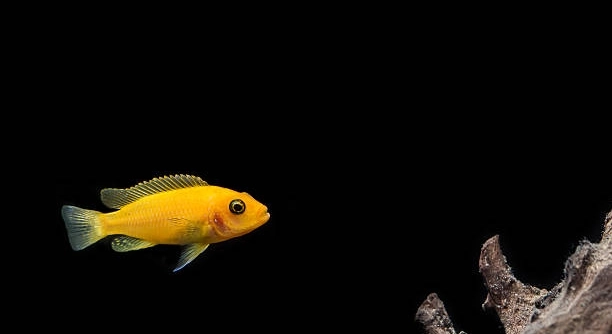
Electric Yellow Cichlids are bright, energetic fish that often capture attention in home aquariums. Observing their behaviors can be fascinating, as these cichlids interact with their surroundings and display curious, lively movements throughout the tank.
Electric Yellow Cichlids exhibit playful behaviors such as chasing objects, exploring decorations, and interacting with other fish. These activities indicate engagement with their environment and mental stimulation, suggesting that play is a natural and beneficial part of their daily behavior.
Understanding the play habits of these cichlids can help enhance their environment and overall well-being, making your aquarium a more vibrant and engaging space.
How Electric Yellow Cichlids Show Playfulness
Electric Yellow Cichlids are lively fish that express their playful nature in many ways. They often swim quickly around the tank, chasing each other or small objects. Some cichlids enjoy nudging decorations or moving gravel, which seems like simple exploration but is actually a form of engagement. Watching them interact can be surprisingly entertaining, as their bright colors and energetic movements draw attention. Even interactions with other tank mates can appear like games, with short bursts of chasing or gentle nudges. Play is not just for fun; it helps these fish stay active, reduces stress, and keeps their minds sharp. Observing these behaviors can help you understand their needs better. Creating a stimulating environment with rocks, plants, and safe toys can encourage more natural behaviors and make their daily life more fulfilling. These small changes often make the fish appear happier and more vibrant.
Providing areas for exploration encourages natural activity and helps maintain a healthy, engaging environment for your cichlids.
Playfulness in cichlids is a sign of good health. Bored fish may hide or become aggressive, while active fish show curiosity and social interaction. Adding varied objects, rearranging tank decor occasionally, and providing safe spaces allows fish to engage in natural behaviors. Even small toys, floating objects, or reflective surfaces can prompt playful responses. Monitoring how they interact with these changes can indicate their comfort and mental stimulation levels. Some fish may prefer solo exploration, while others enjoy chasing and gentle nudges with tank mates. These behaviors are subtle but meaningful, showing their ability to adapt and enjoy their environment. Observing these actions not only improves the fish’s well-being but also creates a more lively and interesting aquarium for the keeper. Recognizing and supporting these playful tendencies strengthens the overall health and vibrancy of the tank.
Encouraging Play in Your Aquarium
Adding safe toys or rearranging plants provides stimulation for cichlids. Even minor changes can spark curiosity and movement.
Regularly updating the tank environment enhances engagement. Offering different textures, hiding spots, and open areas for chasing or exploration promotes mental and physical activity. A combination of live plants, rocks, and smooth ornaments can mimic natural habitats, encouraging fish to interact with their surroundings. Observing their preferences allows you to tailor the environment for maximum comfort and play. Feeding routines can also be adjusted to encourage foraging behavior, turning mealtime into an engaging activity. Proper water conditions and tank size support these behaviors, as stressed or cramped fish are less likely to be active. Creating a balanced environment ensures that their playful actions are frequent, healthy, and visible. Attention to these details not only promotes happiness and reduces stress but also supports long-term well-being, making your Electric Yellow Cichlids more vibrant, active, and interactive with each other and their space.
Common Play Behaviors of Electric Yellow Cichlids
Chasing tank mates, nudging objects, and swimming through plants are common playful behaviors. Some cichlids repeatedly explore the same area, showing curiosity. Their quick movements and interactions reflect mental stimulation and natural instincts, which are important for their overall well-being.
Play in Electric Yellow Cichlids often includes chasing and circling other fish. They may also explore decorations or rearranged gravel repeatedly, indicating engagement with their surroundings. Some cichlids enjoy interacting with reflective surfaces or floating objects, which mimics natural hunting or territorial behavior. These actions are not random; they help the fish stay active and maintain strong instincts. Providing a variety of stimuli in the tank ensures consistent activity and mental engagement, which reduces stress and prevents boredom. Observing these behaviors gives insight into each fish’s personality.
Certain cichlids display repetitive behaviors like swimming along tank edges or investigating specific rocks and ornaments. This type of play encourages exploration and environmental awareness, strengthening spatial memory. Some fish show bursts of rapid movement followed by rest, which balances energy and promotes natural rhythms. Social interactions during play help establish hierarchies without causing harm, as chasing and nudging are usually gentle. Recognizing these patterns allows you to adapt the tank layout to support ongoing activity and mental stimulation, keeping the fish healthy and more responsive to their environment.
How to Enhance Play in Your Aquarium
Introducing varied decorations, open swimming spaces, and safe floating objects encourages natural play. Minor changes regularly keep the fish engaged and curious.
Providing a mix of textures and structures improves physical activity and mental stimulation. Rocks, caves, plants, and smooth ornaments create zones for exploration, hiding, or chasing. Moving objects or rearranging elements occasionally sparks interest, motivating the cichlids to investigate. Feeding techniques can also encourage playful foraging behavior. Small portions of food scattered around the tank prompt natural searching instincts, keeping them active and alert. Consistent water quality, appropriate lighting, and proper tank size support these behaviors. Monitoring reactions to these changes ensures the environment continues to meet their needs, promoting both happiness and healthy development.
Signs Your Cichlids Are Engaging in Play
Rapid swimming, chasing tank mates, and interacting with decorations are clear signs. Some cichlids may repeatedly investigate specific objects or areas, showing curiosity and mental engagement.
Reflective surfaces and floating items often attract attention. Fish may circle or nudge these objects gently, indicating enjoyment and stimulation, which contributes to their overall well-being.
Encouraging Interaction Between Tank Mates
Introducing multiple cichlids in a well-structured environment promotes social play. Fish naturally chase, nudge, or follow each other, which helps establish territories and hierarchies. Providing open spaces, hiding spots, and visual barriers allows interactions to remain positive and prevents aggression. Regular observation ensures play remains safe and balanced.
Toys and Objects That Promote Play
Floating balls, smooth stones, and small safe ornaments can spark playful behaviors. Objects should be varied and rearranged regularly to maintain interest and engagement.
How can I tell if my Electric Yellow Cichlid is playing or stressed?
Playful behaviors usually include chasing tank mates, exploring decorations, or nudging objects gently. Stress behaviors, however, include hiding constantly, staying still for long periods, or aggressive chasing that leads to injuries. Observing their movement patterns and interactions helps distinguish between healthy play and signs of discomfort. Fish that appear curious, active, and responsive to changes in the tank are likely engaged in natural play rather than exhibiting stress.
Do Electric Yellow Cichlids need toys to play?
Toys are not strictly necessary, but they enhance stimulation. Simple objects like floating balls, smooth stones, or reflective surfaces can encourage chasing and exploration. Rearranging plants or ornaments periodically also provides mental stimulation. While some cichlids play with their environment naturally, adding safe objects can promote more frequent and varied activity. These small additions often help keep the fish active and reduce boredom, contributing to overall well-being.
Can Electric Yellow Cichlids play alone?
Yes, cichlids can engage in solitary play. They may explore rocks, decorations, or floating objects independently. Solo play allows fish to satisfy curiosity and maintain activity without relying on tank mates. Providing open areas and varied structures encourages these behaviors. Observing them interact with their surroundings can be equally rewarding, showing their intelligence and engagement even without social interaction.
Will other fish in the tank play with Electric Yellow Cichlids?
Some tank mates will engage, depending on species compatibility. Peaceful or equally active fish often chase or interact playfully, while more territorial or timid fish may avoid interactions. Ensuring adequate space and hiding areas prevents aggression and supports positive engagement. Careful selection of compatible species encourages social play and enriches the overall tank environment.
How often should I provide new objects for play?
Introducing new items every few weeks is sufficient to maintain interest. Rotating ornaments, adding floating objects, or slightly changing plant arrangements keeps fish curious. Avoid overloading the tank, as too many objects can stress the fish. Observing their reactions helps determine which changes are effective, allowing you to maintain a stimulating but balanced environment.
Can play affect the health of my cichlids?
Yes, regular play promotes physical activity, mental stimulation, and stress reduction. Active fish are less likely to develop obesity or lethargy, and mental engagement prevents boredom-related behaviors such as aggression or constant hiding. Encouraging natural behaviors through play supports long-term health, stronger instincts, and a more vibrant appearance, benefiting both the fish and the overall tank ecosystem.
Is it normal for Electric Yellow Cichlids to chase each other frequently?
Frequent chasing is normal when it is gentle and does not result in injuries. This behavior often reflects social interactions, territorial establishment, or playful engagement. Aggressive or persistent attacks, however, are a sign of stress or overcrowding. Ensuring adequate space, hiding spots, and compatible tank mates helps maintain healthy social play.
Do younger cichlids play more than older ones?
Juvenile cichlids are generally more active and curious, showing more frequent play behaviors. Adults may still engage in playful actions but often in shorter bursts or more structured interactions. Providing appropriate stimuli for both age groups supports activity levels and mental engagement, allowing all fish to express natural behaviors throughout their lives.
How can I safely encourage play without stressing my cichlids?
Introduce new objects gradually and monitor reactions closely. Provide a mix of open spaces, hiding spots, and safe decorations to prevent overcrowding. Ensure water quality, temperature, and lighting are stable. Gentle changes in the environment encourage exploration without triggering stress responses, maintaining a balanced and healthy aquarium for playful behaviors to thrive.
Are reflective surfaces helpful for cichlid play?
Yes, some Electric Yellow Cichlids enjoy interacting with reflections, often displaying chasing or nudging behaviors. Reflections simulate movement, triggering natural instincts and curiosity. However, monitor their reactions carefully, as excessive fixation on reflections can sometimes cause stress. Balancing reflective stimuli with other objects ensures healthy engagement and mental stimulation.
Can play reduce aggression in a tank?
Providing toys, open spaces, and hiding spots can channel energy positively and reduce unnecessary aggression. Active engagement with the environment keeps fish mentally stimulated, minimizing territorial disputes or repetitive aggressive chasing. While play does not eliminate natural hierarchies, it helps maintain balance and a calmer overall tank environment.
Does feeding time influence play behavior?
Yes, spreading food or offering it in different ways encourages foraging and playful exploration. Scattering pellets, using floating food, or creating small challenges engages their instincts. This turns mealtime into an active and stimulating activity, promoting both physical exercise and mental engagement, enhancing their natural behaviors.
What should I avoid when encouraging play?
Avoid overcrowding the tank or introducing sharp, unsafe objects. Sudden environmental changes or overloading with stimuli can stress fish. Monitor interactions between tank mates to prevent harmful chasing. The goal is gentle engagement that encourages exploration and activity without compromising safety or comfort.
Can play improve the bond between cichlids and their owners?
Observing playful behaviors allows owners to better understand individual personalities and needs. Interacting safely with the tank, offering enrichment, and recognizing natural behaviors creates a sense of connection. While the fish do not form bonds like pets on land, watching their engagement provides satisfaction and strengthens the care routine.
How long do play sessions typically last?
Play is intermittent, often in short bursts of a few minutes, followed by rest or exploration elsewhere. Frequency varies depending on the individual fish, age, and environment. Providing regular opportunities for engagement ensures that these bursts contribute to overall activity, keeping fish healthy and mentally stimulated throughout the day.
Are there signs that play has become unhealthy?
Unhealthy play includes constant chasing that leads to injury, obsessive interaction with objects, or neglecting resting periods. Stress behaviors like hiding, fin clamping, or loss of appetite indicate that changes may be too intense. Adjusting the environment, spacing, or stimuli can restore balanced engagement and ensure play remains beneficial.
Do Electric Yellow Cichlids play more in certain tank conditions?
They are more active in well-maintained tanks with stable water parameters, proper lighting, and adequate space. Clean water, appropriate temperature, and balanced tank mates encourage exploration and playful interactions. Stressful conditions reduce activity and may suppress natural behaviors, highlighting the importance of proper care to promote healthy engagement.
Can play be used as a form of enrichment therapy?
Yes, providing varied objects, rearranged decor, and interactive feeding strategies keeps cichlids mentally and physically active. Enrichment reduces stress, prevents boredom, and encourages natural instincts. Consistent attention to environmental complexity ensures that play contributes positively to health and overall tank harmony.
How do I know which objects my cichlids prefer?
Observe their interactions with different textures, shapes, and positions. Fish often show repeated engagement with certain items, such as floating objects, rocks, or reflective surfaces. Noting these preferences allows you to tailor the tank environment, maintaining interest and encouraging regular play without overwhelming or stressing the fish.
Can play vary by individual cichlid?
Yes, personality differences mean some fish are naturally more curious and playful, while others prefer observation or minimal interaction. Providing a range of enrichment options ensures all individuals can express natural behaviors. Recognizing these differences helps manage tank dynamics and supports mental stimulation for each fish.
Do cichlids lose interest in toys over time?
Yes, repeated exposure can reduce novelty. Rotating objects, rearranging decorations, or introducing new stimuli helps maintain engagement. Balancing familiarity with occasional changes keeps fish curious, active, and mentally stimulated without causing stress. Monitoring reactions ensures that adjustments continue to promote healthy play behaviors.
Is it necessary to separate overly aggressive cichlids during play?
Separation may be needed if chasing or nudging escalates to injury or persistent stress. Temporary barriers, rearranged tank sections, or adjusting tank mates can manage aggression. The goal is to allow natural play while maintaining safety, ensuring all fish can enjoy an enriched and balanced environment.
How can I track my cichlids’ play patterns?
Observe daily routines and interactions with objects or tank mates. Recording behaviors, noting active periods, and identifying preferred stimuli helps adjust enrichment strategies. Regular observation allows you to understand individual tendencies, ensure engagement, and maintain a stimulating environment that supports both mental and physical well-being.
Can play influence breeding behavior?
Active and engaged cichlids often display higher overall health, which can support breeding. Play encourages movement, reduces stress, and strengthens natural instincts. A stimulating environment provides both physical and mental readiness, contributing indirectly to reproductive success while maintaining overall vitality in the tank.
Do cichlids recognize toys or objects over time?
Yes, repeated exposure allows fish to remember familiar objects and interact with them purposefully. Recognition can enhance exploration and engagement, turning simple items into predictable sources of stimulation. Balancing familiar objects with occasional changes maintains curiosity and prevents monotony, supporting ongoing mental enrichment.
Can environmental changes replace toys for play?
Yes, rearranging plants, rocks, and decorations can stimulate exploration. Changes create new routes and hiding spots, prompting natural behaviors. Even minor adjustments can encourage movement, curiosity, and interaction without adding extra objects, maintaining a healthy, engaging environment that supports activity and mental stimulation.
Are there seasonal changes in play behavior?
Activity may vary slightly with changes in daylight or temperature. Stable conditions support consistent play, while fluctuations can reduce activity. Observing patterns helps anticipate when enrichment or adjustments may be needed to maintain engagement and prevent boredom or stress, keeping the cichlids active year-round.
Does tank size affect play behavior?
Yes, larger tanks provide more space for exploration, chasing, and interaction, supporting natural play. Overcrowded tanks restrict movement, increase stress, and reduce engagement. Ensuring appropriate tank size relative to the number of fish is crucial for maintaining physical activity, mental stimulation, and overall health.
How long does it take for cichlids to start interacting with new toys?
Some fish engage immediately, while others need days to explore and feel comfortable. Gradual introduction and observation ensure objects are safe and stimulating. Patience allows fish to adapt at their own pace, encouraging natural curiosity and consistent play without causing stress.
Can diet influence playfulness?
Yes, balanced nutrition supports energy levels and overall health, which directly affects activity. Healthy fish are more likely to engage in exploration, chasing, and interaction. Using varied foods and occasionally scattering them encourages foraging behaviors, combining nourishment with playful stimulation to maintain mental and physical engagement.
Do cichlids ever ignore toys completely?
Some fish may show little interest, especially if stressed, unwell, or naturally less curious. Providing alternative enrichment such as rearranged decorations, varied feeding methods, or additional tank mates can help encourage engagement. Observing preferences allows tailoring the environment for optimal stimulation.
Are there signs that play is improving fish well-being?
Active swimming, exploration, healthy coloration, and social engagement indicate positive effects. Fish that respond to environmental changes, interact with objects, and maintain natural rhythms are likely experiencing benefits from play. Monitoring these signs ensures that enrichment strategies continue to support health and mental stimulation.
Can play help with tank aggression issues?
Yes, providing multiple enrichment options can redirect energy away from constant territorial disputes. Open spaces, hiding spots, and objects for exploration help balance social dynamics, reduce tension, and promote constructive engagement. While natural hierarchies persist, play encourages healthier interactions.
How do I balance play and rest for my cichlids?
Fish alternate between bursts of activity and rest naturally. Maintaining a consistent light cycle, stable water parameters, and adequate hiding spaces supports this balance. Providing opportunities for play without overstimulation ensures physical and mental well-being, allowing cichlids to thrive.
What are the long-term benefits of encouraging play?
Regular play supports physical fitness, mental stimulation, stress reduction, and natural behavior expression. Active and engaged cichlids tend to be healthier, display better coloration, and have improved social interactions. Consistent enrichment contributes to overall tank harmony, well-being, and longevity.
Electric Yellow Cichlids are active and intelligent fish that benefit greatly from a stimulating environment. Their playful behaviors, such as chasing tank mates, exploring decorations, and interacting with objects, are natural and important for their overall well-being. Observing these actions provides insight into their personalities and helps ensure they are healthy and comfortable in their aquarium. Providing open swimming areas, hiding spots, and safe objects allows cichlids to express natural behaviors while reducing stress and boredom. These activities are not just for entertainment; they are essential for maintaining mental and physical health. Fish that are engaged with their surroundings tend to display brighter colors, stronger activity levels, and better social interactions, which are all indicators of good care. Creating a balanced environment is key, and understanding how cichlids play helps maintain a thriving aquarium that supports both individual and group needs.
Playful behaviors vary depending on age, personality, and tank conditions. Younger fish are often more energetic and curious, exploring decorations and chasing objects frequently. Adults may display more structured forms of play, such as occasional chasing or gentle nudging of tank mates, combined with exploration of their environment. Individual differences should be respected, as some fish are naturally more reserved while others are highly interactive. Providing varied objects, rearranging plants, and introducing floating items encourages all types of fish to stay active. Observation is important to ensure that interactions remain safe and that no fish are stressed or overwhelmed. Adjustments to the tank, such as adding new hiding spots or changing the position of decorations, can renew interest and support healthy play patterns. Consistency in water quality, lighting, and temperature also influences activity levels, as cichlids respond well to stable conditions.
Encouraging play is a simple way to improve the overall health and quality of life for Electric Yellow Cichlids. Toys, decorations, and varied tank arrangements can enhance exploration and social engagement. Feeding practices, such as scattering food or offering small challenges, further stimulate natural behaviors and mental activity. Play supports both physical fitness and mental enrichment, reducing boredom and promoting natural instincts. By providing a well-structured, safe, and engaging environment, fish are more likely to remain active, healthy, and vibrant. Regular observation helps identify preferences and ensure that the tank remains a positive space for all inhabitants. Supporting these natural behaviors ultimately benefits both the fish and the keeper, creating an aquarium that is lively, balanced, and visually rewarding. Play is not optional for cichlids; it is an essential part of their life that contributes to long-term health, happiness, and natural expression within the home aquarium.

Hello,
If you enjoy the content that we create, please consider saying a "Thank You!" by leaving a tip.
Every little bit helps us continue crafting quality advice that supports the health, happiness, and well-being of pets around the world, for pets of all shapes, sizes, and species.
We really appreciate the kindness and support that you show us!