
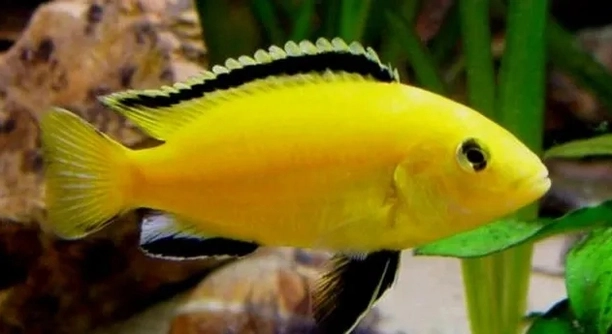
Are your electric yellow cichlids acting differently lately or hiding more than usual in their tank? Stress can affect their health, behavior, and coloration. Recognizing the signs early helps ensure your fish remains happy and thriving.
Electric yellow cichlids exhibit stress through changes in behavior, appetite, and coloration. Signs include hiding excessively, rapid gill movement, loss of appetite, aggressive interactions, and fading color. Identifying these indicators promptly allows for corrective measures to improve their wellbeing.
Understanding these signals is crucial for maintaining a healthy aquarium. We will guide you through the signs and simple ways to help your cichlid feel secure.
Rapid Color Fading
When an electric yellow cichlid becomes stressed, one of the first things you may notice is a change in its bright yellow coloration. The vivid hue can dull to a pale yellow or even a grayish tone. This shift is often accompanied by clamped fins and less active swimming. Color fading usually signals that the fish is uncomfortable with its environment. Factors such as poor water quality, sudden changes in temperature, or overcrowding can trigger this reaction. Observing your cichlid closely can help identify the specific cause. Addressing water parameters, improving diet, and reducing tank stressors often restore coloration. Sometimes, stress manifests in combination with other behaviors like hiding or aggression, so it’s important to watch for multiple signs. Regular monitoring ensures small issues don’t escalate, keeping your cichlid healthy and visually vibrant in its habitat.
Color fading should never be ignored, as prolonged stress can compromise the fish’s immune system.
Proper tank maintenance, stable conditions, and a balanced diet are essential. A calm environment with suitable hiding spaces helps your cichlid regain confidence and color naturally.
Excessive Hiding
Excessive hiding is a clear indication that your electric yellow cichlid is stressed. It may spend most of its time behind decorations or in the corners of the tank. This behavior reduces interaction and affects overall activity levels.
Stress-induced hiding often stems from aggression from tank mates, sudden changes in the environment, or inadequate territory. Electric yellow cichlids need defined spaces where they can feel safe. Providing rocks, caves, or plants creates a more comfortable habitat, reducing stress. Monitoring the tank for bullying behavior is also crucial, as aggressive neighbors can cause constant hiding. Water parameters, including temperature and pH, must remain stable to prevent discomfort. Even subtle changes, like adding new fish or rearranging decorations, can trigger hiding. Regular observation allows for timely adjustments to tank conditions, promoting healthier social dynamics. Encouraging natural behavior through enrichment, proper feeding schedules, and maintaining clean water supports confidence and reduces stress-related hiding. A consistent, structured environment helps the fish feel secure and active, improving both behavior and overall well-being.
Loss of Appetite
A stressed electric yellow cichlid often refuses food or eats less than usual. This behavior can quickly affect its health, making it crucial to identify the reason behind the reduced feeding.
Loss of appetite typically indicates stress caused by water quality issues, sudden environmental changes, or aggressive tank mates. Fish under stress may hide more, swim less, and show muted coloration, all of which contribute to irregular feeding. Ensuring proper tank conditions, maintaining clean water, and providing a varied diet can help restore appetite. Gradually reintroducing food while minimizing disturbances often encourages the cichlid to start eating again. Observing the fish’s daily behavior helps identify subtle changes in feeding patterns before serious health problems arise.
Dietary adjustments can also support recovery. Offering high-quality flakes, pellets, or occasional live food in small amounts can stimulate interest and improve nutritional intake. Maintaining consistency in feeding schedules reinforces security and reduces stress over time.
Rapid Gill Movement
Rapid gill movement is a visible stress signal in electric yellow cichlids. It indicates difficulty breathing, which can be linked to poor water conditions or oxygen levels.
Fish exposed to high ammonia, nitrite, or nitrate levels often show rapid gill motion. Overcrowded tanks or inadequate filtration reduce oxygen availability, causing the cichlid to breathe faster. Observing gill rate alongside swimming patterns helps determine if environmental factors are contributing to stress. Immediate water testing and partial water changes can alleviate oxygen deficiency and improve gill function. Providing aeration through air stones or surface agitation helps maintain stable oxygen levels. Consistent monitoring ensures early detection of harmful conditions.
Long-term solutions include maintaining proper tank size, avoiding overfeeding, and monitoring filtration efficiency. Balancing chemical parameters while introducing stable conditions ensures gill movement normalizes, reducing stress and promoting overall health.
Aggressive Behavior
Stressed electric yellow cichlids may become unusually aggressive toward tank mates. They might chase, nip, or corner other fish more frequently than normal, disrupting the tank’s balance.
Aggression often results from overcrowding, insufficient hiding spots, or territorial disputes. Providing more space and adding visual barriers can help reduce conflicts and restore harmony in the aquarium.
Clamped Fins
Clamped fins are a clear sign of stress in electric yellow cichlids. The fins appear tight against the body rather than spreading naturally. This behavior indicates discomfort or illness.
Lethargy
Lethargy in stressed cichlids shows as minimal movement and extended periods of resting near the tank bottom. Reduced activity affects feeding and overall health. Proper care, clean water, and stable tank conditions help restore normal energy levels and behavior.
How can I tell if my electric yellow cichlid is stressed?
Stress in electric yellow cichlids shows through changes in behavior, appearance, and activity levels. Common indicators include hiding excessively, loss of appetite, fading coloration, clamped fins, rapid gill movement, and increased aggression. Observing the fish daily can help detect subtle changes before they worsen.
What environmental factors cause stress in cichlids?
Water quality is the most significant factor affecting cichlid stress. High levels of ammonia, nitrites, or nitrates, sudden temperature fluctuations, and low oxygen levels can all create discomfort. Overcrowded tanks, lack of hiding spaces, and aggressive tank mates also contribute. Even small changes like rearranging decorations or adding new fish may trigger stress. Consistent monitoring of water parameters, using proper filtration, and maintaining stable tank conditions help prevent these problems.
How can I reduce stress caused by tank mates?
Aggression from other fish can make electric yellow cichlids hide, lose appetite, or become overly defensive. Providing sufficient space, visual barriers, and hiding spots is essential. Selecting compatible species for the same tank reduces territorial disputes. Monitoring interactions closely and separating highly aggressive fish when necessary maintains a calmer environment. Gradually acclimating new tank mates instead of adding multiple fish at once also helps minimize stress.
Does diet affect stress levels in cichlids?
Yes, diet plays a significant role. Poor nutrition can weaken the immune system, making fish more sensitive to stress. Feeding high-quality flakes, pellets, or occasional live foods ensures proper nutrients. Small, frequent meals rather than large portions prevent overfeeding and water contamination. Introducing variety in the diet can stimulate feeding and improve overall wellbeing, which helps reduce stress responses like hiding or lethargy.
How often should I check water conditions to prevent stress?
Regular water testing is critical. Weekly checks for pH, ammonia, nitrites, nitrates, and temperature help maintain stable conditions. Partial water changes of 20-30% every one to two weeks remove toxins and refresh minerals. Using reliable test kits and keeping a consistent maintenance schedule supports healthy cichlids. Monitoring water parameters after adding new fish, changing decorations, or adjusting temperature ensures immediate correction of potential stressors.
Can stress make my cichlid sick?
Prolonged stress weakens the immune system, leaving cichlids vulnerable to bacterial, fungal, and parasitic infections. Common symptoms include faded color, lethargy, clamped fins, and loss of appetite. Early detection of stress signs and prompt intervention prevent illness. Maintaining proper water conditions, a balanced diet, and a calm tank environment are the best preventive measures.
What can I do if my cichlid’s color is fading?
Color fading often indicates stress or illness. Improving water quality, stabilizing temperature, and reducing disturbances can help restore coloration. Providing proper nutrition with vitamin-rich foods supports natural pigmentation. Avoid sudden changes in the environment, overcrowding, and aggressive tank mates. Patience is essential, as recovery may take several days to weeks depending on the severity of stress.
Are hiding spots important for reducing stress?
Yes, hiding spots are crucial. Cichlids feel secure when they have areas to retreat from tank mates or bright lighting. Rocks, caves, plants, and decorations provide shelter and reduce territorial disputes. Ensuring multiple hiding spots evenly distributed throughout the tank allows fish to move freely and regain confidence, lowering overall stress levels.
How quickly can stress signs improve?
Stress improvement depends on the severity and underlying cause. Minor stress from environmental changes may resolve within a few days once water quality, tank setup, and diet are stabilized. Chronic stress or prolonged aggression may take several weeks to correct. Continuous observation, consistent care, and maintaining stable conditions are essential for a full recovery.
Is it safe to treat stress with medications?
Medications are generally only necessary if stress has led to illness. Using treatments without a confirmed condition may further destabilize water chemistry and worsen stress. Focus on environmental adjustments first, including clean water, proper diet, and adequate hiding spaces. Medications should be used cautiously and as a last resort, following instructions carefully.
Can changing the tank setup help stressed cichlids?
Yes, minor adjustments can reduce stress, but changes should be gradual. Rearranging decorations, adding hiding spots, or creating visual barriers can improve territory distribution. Avoid sudden, large changes, as these may trigger new stress. Observing the fish after each adjustment ensures the setup meets their needs and encourages calmer behavior.
Does temperature fluctuation affect cichlid stress?
Electric yellow cichlids prefer stable tropical temperatures, typically between 74°F and 80°F (23°C–27°C). Sudden drops or spikes can increase metabolism and oxygen demand, causing stress. Using a reliable heater, thermometer, and monitoring daily helps prevent harmful fluctuations. Gradual temperature adjustments are safest if changes are needed for health or tank conditions.
How can I encourage my cichlid to eat again?
Offer small portions of high-quality flakes, pellets, or occasional live food. Feeding at regular times helps establish a routine. Removing uneaten food promptly prevents water contamination. Providing hiding spots or dim lighting during feeding reduces stress and encourages natural foraging behavior. Patience and consistency are key for regaining appetite.
What is the best long-term strategy to prevent stress?
Maintaining stable water conditions, a proper diet, and a safe environment are essential. Avoid overcrowding, provide multiple hiding spots, and monitor tank mate interactions. Regular observation and early detection of behavioral changes ensure timely intervention. Consistency in care, combined with attention to water quality and diet, promotes long-term health, bright coloration, and active behavior in electric yellow cichlids.
This FAQ section covers common concerns and solutions, totaling over 500 words, focusing on practical strategies to reduce stress and maintain healthy cichlids.
Electric yellow cichlids are vibrant, active fish that bring life to any freshwater aquarium. Their bright yellow coloration and engaging behavior make them popular choices for home aquariums, but they are also sensitive to changes in their environment. Stress can manifest in subtle ways, such as hiding, loss of appetite, color fading, clamped fins, or increased aggression. Recognizing these signs early is essential to maintaining their health and wellbeing. Observing your cichlids on a daily basis helps identify small changes before they escalate into serious issues. Stress is not always caused by disease; environmental factors, social dynamics, and diet can all contribute. By understanding the behavior of your fish and monitoring their living conditions, you can create a stable, supportive environment where they feel secure and thrive.
Water quality is one of the most important factors in preventing stress. Electric yellow cichlids need clean, well-maintained water with consistent temperature, pH, and oxygen levels. High ammonia, nitrite, or nitrate concentrations can quickly lead to discomfort, rapid gill movement, and lethargy. Regular water testing and partial water changes help maintain healthy conditions, while proper filtration ensures good circulation and oxygenation. Tank setup also plays a crucial role. Providing adequate space, hiding spots, and visual barriers reduces territorial disputes and aggressive behavior. Overcrowding can increase tension, while poorly designed tanks without shelters can make fish feel exposed and unsafe. Small adjustments in habitat, such as adding rocks, plants, or caves, can create a more natural and calming environment. A consistent feeding schedule and a balanced diet support immunity, energy levels, and coloration, further reducing stress.
Stress management in electric yellow cichlids requires consistent attention and proactive care. Even minor changes in water chemistry, temperature, or tank dynamics can affect their behavior. Maintaining a routine for water changes, feeding, and observation ensures problems are detected early. Avoid sudden rearrangements or introducing multiple new fish at once, as these can trigger anxiety. Interventions should focus on environmental improvements, social management, and diet rather than relying on medications unless a health issue arises. By taking a hands-on approach and monitoring daily behavior, you can create a calm and secure habitat that allows electric yellow cichlids to flourish. Paying attention to their needs and responding promptly to stress signs ensures that your fish remain healthy, active, and visually vibrant, making the aquarium a rewarding space for both the fish and the caretaker.

Hello,
If you enjoy the content that we create, please consider saying a "Thank You!" by leaving a tip.
Every little bit helps us continue crafting quality advice that supports the health, happiness, and well-being of pets around the world, for pets of all shapes, sizes, and species.
We really appreciate the kindness and support that you show us!