
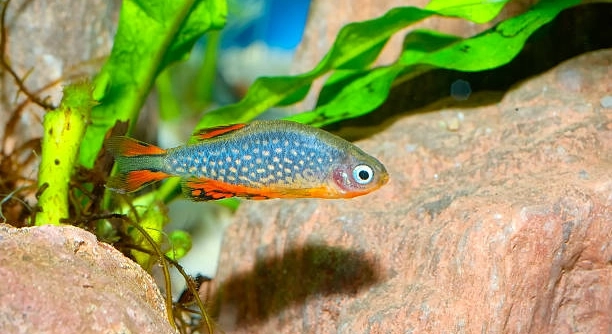
Danios are active, social fish that thrive in well-organized schools. Observing their behavior can reveal subtle signs of imbalance, which may affect their health and overall harmony in the aquarium environment.
An unbalanced danio school is often identified by uneven swimming patterns, isolated individuals, and frequent chasing or aggression. These behaviors indicate stress, social disruption, or environmental factors that compromise cohesion and the natural schooling instinct.
Recognizing these signs early helps maintain a harmonious tank and promotes the well-being of all your fish.
Uneven Swimming Patterns
When danios are healthy and the school is balanced, they tend to move in a synchronized way, flowing together as if guided by a single rhythm. Uneven swimming patterns are often the first sign of an unbalanced school. Some fish may lag behind or dart unpredictably, breaking the usual harmony. These irregular movements can signal stress caused by overcrowding, sudden changes in water parameters, or illness. Observing the school carefully during feeding and at different times of the day can reveal these patterns early. Once identified, adjustments to tank conditions, such as rearranging decorations or monitoring water quality, can help restore balance. A consistent routine for feeding and cleaning also encourages predictable behavior, reducing tension among the fish.
Even small variations in swimming patterns can indicate discomfort or instability in the group, making early detection essential for their well-being.
Monitoring the school regularly allows you to spot which individuals are struggling. Addressing environmental issues and keeping a stable routine can quickly help the danios return to a cohesive, synchronized school, reducing stress and aggression.
Isolated or Excluded Fish
An isolated danio often spends time away from the main group, staying near the tank edges or hiding among decorations. This behavior signals social imbalance or stress within the school.
Isolation can result from illness, bullying, or sudden changes in the tank environment. Fish that are separated are more vulnerable to disease, and their inactivity may affect feeding and growth. Correcting water parameters, adding visual barriers, or gently reintroducing the fish to the group can help.
Consistent observation of all individuals is crucial to notice exclusion early. By keeping an eye on interactions and making small environmental adjustments, isolated fish can regain confidence and rejoin the school. Regular tank maintenance, proper feeding schedules, and monitoring water quality will reinforce social cohesion. Over time, the school becomes more harmonious, ensuring that each danio benefits from group swimming and social behavior. A balanced school reduces stress, promotes health, and creates a calmer, more enjoyable aquarium.
Frequent Chasing and Aggression
Frequent chasing is a sign that the school’s hierarchy is unstable. Danios may nip fins or push others, creating tension. Stress levels rise, and weaker fish may become injured or hide more often. Addressing these behaviors early is important for the overall health of the school.
Aggression often stems from overcrowding, lack of hiding spaces, or competition for food. When fish feel insecure, they assert dominance repeatedly, disturbing the group’s natural balance. Adding plants or decorations can provide visual barriers, giving submissive fish space to retreat. Observing feeding times and adjusting portions can also reduce competition. Ensuring proper water parameters and a stable environment encourages calmer behavior.
Some danios may continually chase the same individuals, leaving others isolated or stressed. Intervening with environmental adjustments or, in severe cases, temporary separation can prevent injury. By carefully monitoring interactions, the school can return to a healthier, more balanced dynamic over time.
Unequal Access to Food
Unequal feeding occurs when dominant fish monopolize food, leaving others undernourished. This creates stress and affects growth and energy levels, weakening social cohesion in the school.
Fish that consistently miss meals may grow slower or appear lethargic. To address this, scattering food throughout the tank helps all individuals access it. Using feeding rings or multiple feeding spots ensures more even distribution. Small, frequent feedings reduce competition and prevent aggressive behavior around the food source. Monitoring the school during feeding helps identify fish that need extra attention.
Providing equal access to food is essential for maintaining harmony. When all fish are fed adequately, stress diminishes, and swimming patterns normalize. Balanced nutrition strengthens the school, allowing weaker fish to regain confidence and participate fully in group activities. Over time, these adjustments lead to a more cohesive, calmer school where each danio thrives, reducing injuries and fostering healthier interactions across the tank.
Resting at the Bottom
Danios that consistently stay at the bottom of the tank may feel stressed or unwell. This behavior indicates they are not fully participating in the school and may need extra observation to determine the cause.
Resting at the bottom can result from illness, water quality issues, or being outcompeted by more dominant fish. Checking parameters and ensuring proper feeding can help them regain normal activity.
Frequent Hiding
Frequent hiding shows that a fish is uncomfortable within the group. Fish that remain out of sight may be avoiding aggression or feeling insecure.
Rapid Color Changes
Sudden or repeated changes in color often signal stress, illness, or social tension. Monitoring these changes helps identify problems early, allowing adjustments to the environment or school composition to restore balance.
Erratic Swimming
Erratic swimming, including sudden bursts, spinning, or collisions, can indicate stress or imbalance in the school. Addressing water quality, providing adequate space, and observing social interactions can reduce this behavior.
FAQ
Why do danios chase each other so much?
Chasing happens when the school’s hierarchy is unstable or the tank is overcrowded. Dominant fish often assert control by nipping fins or pushing others, creating tension. Providing more space, adding plants or decorations, and monitoring feeding times can reduce these aggressive interactions.
What causes a fish to isolate itself?
Isolation can be a response to stress, illness, or bullying. Fish that spend too much time alone may feel insecure or unwell. Checking water parameters, observing interactions, and adjusting the environment with hiding spaces can help them feel safe and rejoin the school.
How can I tell if my danios are stressed?
Signs of stress include erratic swimming, faded color, hiding, or resting at the bottom. Stress can result from poor water quality, overcrowding, sudden changes, or lack of food. Regular observation and maintaining stable conditions are essential for their well-being.
What is the best way to feed a danio school fairly?
Scatter food throughout the tank or use multiple feeding spots to prevent dominant fish from taking all the food. Small, frequent feedings help ensure weaker or shy fish get enough to eat. Observing their behavior during feeding can reveal any fish that need extra attention.
Why do some danios change color suddenly?
Rapid color changes often indicate stress, illness, or social tension. Fish under pressure may lose vibrancy or develop darker shades. Monitoring these changes early and addressing environmental issues or social imbalances can prevent long-term health problems.
How can I stop erratic swimming?
Erratic swimming, including sudden bursts, spinning, or collisions, usually reflects stress or imbalance. Check water quality, provide enough space, and monitor social interactions. Reducing competition and ensuring proper feeding will help the school regain calm and synchronized movement.
When should I separate a danio from the school?
Separation is necessary if a fish is being repeatedly bullied, injured, or shows severe illness. Temporary separation allows it to recover in a safe environment. Reintroduce the fish slowly once it is stronger and the social dynamics are more stable.
How do I maintain a balanced school long-term?
Keep the tank properly stocked, maintain water quality, provide hiding spaces, and observe behavior regularly. Consistent feeding and attention to interactions prevent aggression and isolation. A stable environment and predictable routine help the school stay cohesive, healthy, and stress-free over time.
What are the signs that a school is finally balanced?
A balanced school swims in synchronized patterns, minimal chasing occurs, no fish are isolated, feeding is fair, and color remains vibrant. Observing these indicators consistently ensures the group is harmonious, reducing stress and promoting long-term health.
Can environmental changes affect school balance?
Yes, sudden changes in temperature, water chemistry, or tank layout can disrupt the social structure. Gradual adjustments, consistent maintenance, and careful monitoring help the school adapt without stress. Proper acclimation of new fish also prevents imbalance.
How often should I observe my danios?
Daily observation, especially during feeding and active periods, helps detect early signs of imbalance. Noting changes in swimming patterns, aggression, or hiding allows quick intervention, maintaining a harmonious and healthy school.
Is it normal for some danios to be more dominant?
Some dominance is natural and helps maintain social order, but excessive aggression or repeated exclusion indicates imbalance. Managing tank conditions, feeding distribution, and providing hiding spots can reduce tension while allowing healthy social hierarchy.
What steps can prevent future imbalance?
Ensure proper stocking levels, provide hiding spaces, feed evenly, maintain water quality, and monitor social behavior. Early intervention, attention to stress signs, and maintaining a predictable routine are key to preventing long-term school disruption.
How can I help weaker or shy fish?
Provide extra hiding spots, scatter food to ensure access, and minimize aggressive interactions. Monitoring their behavior and gradually reintegrating them into the group supports confidence and helps restore balance within the school.
Why is school balance important for danios?
Balanced schools reduce stress, prevent injury, and support healthy social behavior. Fish swim cohesively, feed fairly, and maintain vibrant color. Overall, a harmonious school improves well-being, energy levels, and longevity, creating a stable and healthy aquarium environment.
Maintaining a balanced danio school is essential for the health and happiness of your fish. Observing the school regularly helps you identify subtle signs of imbalance, such as chasing, isolation, or erratic swimming. Addressing these behaviors early prevents stress and injury, ensuring that all fish can participate fully in the group. Small adjustments to the environment, like adding plants or rearranging decorations, can provide hiding spots and reduce tension. Monitoring water quality and keeping a consistent routine for feeding and cleaning also play a major role in promoting stability. By taking these steps, you create an environment where each danio feels secure and confident, allowing the school to swim together harmoniously.
Feeding habits and social interactions are closely linked to school balance. Unequal access to food can leave some fish undernourished and stressed, while dominant individuals may become more aggressive if left unchecked. Scattering food or using multiple feeding spots ensures that every fish gets its share, which encourages fair competition and reduces conflict. Observing behavior during feeding times also allows you to notice weaker or shy fish that may need extra care. When all fish are nourished properly, swimming patterns become more uniform, color remains vibrant, and the overall social dynamic improves. Ensuring a calm and predictable environment helps reduce stress-related behaviors, making it easier for your danios to form a cohesive school.
Consistency is key when maintaining a healthy aquarium. Sudden changes in temperature, water quality, or tank layout can disrupt social order and create tension among the fish. Gradual adjustments, careful monitoring, and proper acclimation of new fish are crucial to maintaining harmony. Keeping an eye on both the individual and group behavior allows you to intervene before small issues turn into larger problems. A balanced school is not only visually appealing but also promotes longevity and well-being for each fish. By paying attention to these details and maintaining a stable environment, you support a calm, cohesive, and healthy community that thrives together.

Hello,
If you enjoy the content that we create, please consider saying a "Thank You!" by leaving a tip.
Every little bit helps us continue crafting quality advice that supports the health, happiness, and well-being of pets around the world, for pets of all shapes, sizes, and species.
We really appreciate the kindness and support that you show us!