
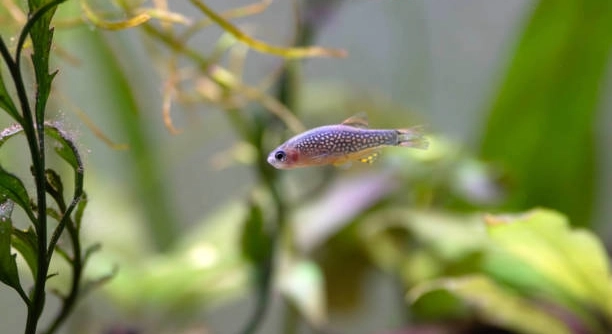
Danio fry are small, delicate fish that require specific care to grow healthy and strong. Providing the right environment, nutrition, and attention can make a significant difference in their early development and overall survival rate.
Optimal growth of Danio fry depends on consistent water quality, proper feeding schedules, adequate space, and stable temperature. Maintaining these conditions supports healthy development, reduces stress, prevents disease, and promotes natural behaviors that are essential for thriving fry.
Understanding these factors can help ensure your Danio fry reach their full potential and thrive in a healthy, balanced aquatic environment.
Stable Water Conditions
Maintaining stable water conditions is critical for Danio fry. They are extremely sensitive to sudden changes in pH, temperature, and hardness. Even minor fluctuations can stress them, affecting growth and survival. Regular testing and small, gradual adjustments are key to keeping the water consistent. Using a reliable heater and thermometer ensures temperature remains within the ideal range, usually between 24°C and 28°C. Frequent water changes of about 10-20% weekly help remove toxins, like ammonia and nitrites, while replenishing essential minerals. Avoid overstocking, as crowded tanks can lead to rapid waste accumulation and water quality issues. Additionally, keep the tank clean but avoid harsh chemicals that could harm the fry. Observing the fry daily helps identify any early signs of stress, allowing for timely intervention. Stable water conditions provide a safe and predictable environment, which supports healthy development, strong immune systems, and natural behavior patterns.
Proper water management is essential for reducing stress and ensuring fry thrive.
Consistent water quality allows fry to feed actively, grow steadily, and develop without frequent illness. It creates an environment where they can swim freely and explore safely. Monitoring water parameters prevents sudden shocks and long-term stress. Over time, this stability encourages stronger immune systems and more vibrant coloration as the fry mature, providing the foundation for a healthy, thriving community of fish in the tank.
Balanced Feeding
Feeding Danio fry small, frequent meals ensures proper growth and development.
Fry require tiny, nutrient-rich foods like infusoria, baby brine shrimp, or specialized fry flakes.
Providing the right diet at regular intervals helps maintain energy levels and supports rapid growth. Overfeeding can pollute the water, so small amounts multiple times a day are ideal. Observing feeding behavior allows adjustments in quantity to ensure all fry receive adequate nutrition. Nutritional balance contributes to strong skeletal development, healthy organ formation, and vibrant coloration. Supplements like powdered spirulina or liquid vitamins can enhance growth but should be used sparingly. Different fry may grow at slightly different rates, and consistent feeding helps reduce competition and stress. A well-planned feeding schedule encourages natural foraging behaviors and supports long-term survival, ensuring the fry develop into healthy, active adult Danios ready for their future tank environment.
Proper Tank Size
A larger tank allows Danio fry to swim freely and reduces stress caused by overcrowding. Adequate space supports healthy growth and minimizes the risk of disease outbreaks.
Providing enough room in the tank helps maintain water quality by diluting waste products. Fry grow at different rates, and extra space reduces competition for food. A tank of at least 10 gallons is suitable for a small group, while larger groups benefit from even more space. Decorations and plants should be minimal to avoid restricting movement but enough to provide hiding spots. Open swimming areas encourage natural behavior and stronger muscle development, supporting overall health. Fry in cramped tanks can become stressed, leading to slower growth and increased susceptibility to illness. Regular monitoring ensures the tank remains appropriate as the fry grow.
Space directly impacts the fry’s ability to feed, swim, and develop properly. Providing ample room encourages active, healthy fish with stronger survival chances.
Consistent Temperature
Maintaining a stable temperature between 24°C and 28°C supports growth and reduces stress in Danio fry. Sudden shifts can weaken their immune system.
Fry are very sensitive to temperature fluctuations. Using a reliable heater and thermometer ensures the water remains within the optimal range. Small, gradual adjustments are safer than sudden changes. Temperature affects metabolism, feeding behavior, and overall activity levels. Cold water slows growth, while overly warm water can increase oxygen demand and stress. Monitoring daily and making incremental corrections maintains stability.
Stable temperature allows fry to develop consistently, maintain energy, and resist disease. Proper warmth promotes digestion and nutrient absorption, supporting skeletal and organ growth. Fry in consistent conditions exhibit more active swimming and natural behavior patterns. Temperature regulation is crucial for long-term health and reduces mortality rates, ensuring that the fry have a strong start toward maturity.
Gentle Filtration
A gentle filter prevents strong currents that can exhaust Danio fry. It keeps water clean without disturbing their delicate bodies or plants.
Sponge filters or adjustable flow filters are ideal. They remove waste effectively while maintaining a calm environment. Fry can swim freely without fighting strong water movement, which reduces stress and promotes steady growth.
Regular Water Changes
Frequent water changes maintain clean, safe conditions for Danio fry. Removing waste prevents toxins from accumulating and supports healthy development.
Regularly changing 10-20% of the water each week ensures optimal water quality. Using dechlorinated water at matching temperature minimizes stress. Consistent maintenance prevents disease, supports immune health, and encourages active swimming and feeding behavior.
Observation and Care
Monitoring fry daily helps detect signs of illness or stress early. Prompt action can prevent serious health issues.
Suitable Lighting
Providing consistent, moderate lighting supports normal activity and growth patterns in Danio fry. Proper light encourages feeding and natural behavior.
How often should I feed Danio fry?
Danio fry need small, frequent meals to grow properly. Feeding them 3-5 times a day with tiny portions prevents overfeeding and reduces water pollution. Suitable foods include infusoria, baby brine shrimp, or specialized fry flakes. Observing their behavior helps ensure each fry gets enough nutrition.
What is the ideal water temperature for fry?
The best temperature range for Danio fry is between 24°C and 28°C. Consistent warmth supports digestion, metabolism, and immune function. Sudden changes in temperature can stress fry, slow growth, and increase susceptibility to disease. Using a reliable heater and thermometer helps maintain stability.
How large should the tank be?
A minimum of 10 gallons is recommended for a small group of Danio fry. Larger tanks are better for bigger groups or multiple batches. Adequate space reduces competition, allows free swimming, and helps maintain water quality by diluting waste.
What type of filtration is best for fry?
Gentle filtration is essential. Sponge filters or adjustable-flow filters clean the water without creating strong currents. Fry are fragile, and high flow can exhaust them or trap them in the filter intake. Proper filtration reduces toxins while keeping the environment calm.
How often should water changes be performed?
Weekly water changes of 10-20% help maintain clean, safe conditions. Dechlorinated water at matching temperature minimizes stress. Regular changes remove ammonia and nitrites, prevent disease, and support strong immune systems and healthy growth.
What signs indicate stress in fry?
Signs include sluggish swimming, hiding excessively, loss of appetite, or unusual color changes. Fry may also cluster near the surface or bottom. Early detection allows for quick adjustments in water quality, temperature, or feeding to reduce stress and prevent illness.
Can fry be kept with adult Danios?
It is not recommended. Adult Danios may eat or outcompete fry for food. Keeping fry in a separate tank or using a breeding box ensures safety, proper feeding, and steady growth. Gradual introduction to the main tank can occur once fry are large enough to avoid predation.
How do I maintain water quality for fry?
Regular monitoring of ammonia, nitrites, and nitrates is crucial. Small, frequent water changes and careful feeding reduce waste buildup. Avoid overcrowding, and use gentle filtration to maintain a stable, clean environment that supports growth and health.
What foods help fry grow strongest?
High-protein foods like baby brine shrimp, micro worms, or specialized fry flakes promote fast, healthy growth. Supplements such as powdered spirulina or liquid vitamins can be added sparingly. Balanced nutrition supports skeletal development, organ formation, and vibrant coloration.
How do I encourage natural behavior in fry?
Providing open swimming areas with minimal decorations allows fry to move freely. Small hiding spots reduce stress. Gentle water flow, consistent temperature, and regular feeding create conditions that encourage active swimming, exploration, and healthy interaction with the environment.
Is it necessary to monitor fry daily?
Yes, daily observation helps detect early signs of illness, stress, or poor water conditions. Prompt action can prevent losses, support steady growth, and ensure fry remain healthy and active as they develop into adults.
When can fry be introduced to a community tank?
Fry should only join a community tank once they are large enough to avoid being eaten by adults. Typically, this is after several weeks of consistent growth, adequate size, and strong swimming ability. Gradual acclimation reduces stress and improves survival rates.
What common mistakes should be avoided?
Overfeeding, sudden water changes, high flow filtration, and overcrowding are frequent issues. Each can stress fry, slow growth, or cause illness. Maintaining consistent water conditions, gentle filtration, and appropriate feeding ensures healthy, thriving fry.
How important is lighting for fry?
Moderate, consistent lighting supports feeding, activity, and normal behavior. Too bright or uneven lighting can stress fry, while darkness may reduce appetite. A balanced light schedule mimics natural day and night cycles, supporting development and overall health.
How do I prevent disease in fry?
Good hygiene, stable water conditions, gentle filtration, and balanced feeding reduce disease risk. Quarantining new fish or plants before introducing them and monitoring water parameters regularly helps maintain a healthy environment. Early detection of illness allows for timely treatment, improving survival chances.
Can fry survive in tap water?
Only if it is dechlorinated and adjusted to the proper temperature. Chlorine or chloramine can be toxic, so using a water conditioner or letting water sit for 24 hours ensures safety. Matching temperature to the tank avoids shock and stress.
What is the best way to handle fry?
Minimize handling whenever possible. If necessary, use soft nets and move them gently. Rough handling can injure delicate bodies or stress the fry, leading to slower growth or illness.
How long do Danio fry take to grow into juveniles?
Typically, fry become juveniles in 4-6 weeks under proper conditions. Growth depends on water quality, temperature, and nutrition. Providing consistent care ensures steady development and stronger, healthier fish ready for more active swimming and feeding.
Are hiding spots necessary for fry?
Yes, small plants or gentle decorations provide refuge from stress and allow fry to feel secure. Hiding spots reduce aggression, help with acclimation, and encourage natural behavior without limiting swimming space.
How do I know if fry are thriving?
Active swimming, steady growth, consistent feeding, and healthy coloration indicate thriving fry. Lack of stress, minimal disease, and appropriate response to environmental conditions show that care practices are effective. Observing daily ensures continued health and development.
Caring for Danio fry requires attention, patience, and consistent effort. Their small size and delicate nature make them vulnerable to stress, disease, and environmental changes. Every detail, from water quality to feeding schedules, directly impacts their survival and growth. Maintaining stable water conditions is essential, as fry are highly sensitive to fluctuations in temperature, pH, and hardness. Even minor variations can slow development or lead to health problems. Using a reliable heater and thermometer, along with gentle filtration, ensures the water remains steady and safe. Regular testing and small water changes help keep ammonia and nitrite levels low while replenishing essential minerals. Providing an appropriately sized tank allows fry to swim freely, reduces competition for food, and supports natural behavior, which in turn strengthens their immune systems and promotes healthier growth.
Nutrition is another key factor in ensuring Danio fry thrive. Offering small, frequent meals of high-protein foods like baby brine shrimp, infusoria, or specialized fry flakes supports proper development. Supplements such as powdered spirulina or liquid vitamins can be added sparingly to enhance growth, but overfeeding should be avoided to prevent water quality issues. Fry respond best to consistent feeding schedules, as this helps maintain energy levels, encourages active swimming, and reduces stress caused by competition. Observing their behavior during feeding allows adjustments in portion size and frequency, ensuring each fry receives adequate nutrition. Balanced nutrition not only promotes faster growth but also contributes to stronger skeletal structures, healthy organs, and more vibrant coloration as they mature.
Daily observation and proactive care are crucial for long-term success. Monitoring fry for signs of stress, illness, or unusual behavior allows early intervention before small problems escalate. Gentle handling, proper acclimation, and a safe environment minimize risk and support steady development. Providing hiding spots and maintaining moderate lighting helps fry feel secure while encouraging natural activity. Consistent care, attention to detail, and patience create conditions where fry can grow into healthy, active adult Danios. By understanding their specific needs and maintaining an optimal environment, fry are given the best chance to thrive, resulting in stronger, more resilient fish that can flourish in their aquatic home.

Hello,
If you enjoy the content that we create, please consider saying a "Thank You!" by leaving a tip.
Every little bit helps us continue crafting quality advice that supports the health, happiness, and well-being of pets around the world, for pets of all shapes, sizes, and species.
We really appreciate the kindness and support that you show us!