
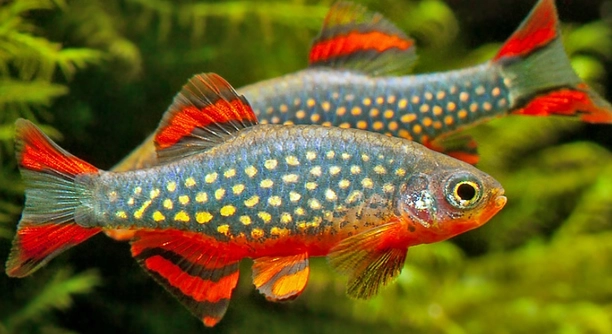
Raising Danio fry can be both exciting and challenging, especially when it comes to ensuring their proper growth and health. Observing their development closely helps prevent issues that could affect their survival and well-being.
Malnutrition in Danio fry can present through physical deformities, stunted growth, lethargy, abnormal swimming patterns, faded coloration, irregular feeding behavior, and weakened immune response. Identifying these signs early is crucial for maintaining healthy fry and supporting proper development.
Recognizing these indicators early can help maintain a thriving fry population and ensure their long-term health. Careful attention and timely action make a significant difference.
Stunted Growth
Stunted growth is one of the first noticeable signs of malnutrition in Danio fry. When fry do not receive adequate nutrients, their bodies cannot develop at a normal rate. You may notice that some fry remain smaller than their tank mates despite similar age and environment. Their fins might also appear underdeveloped or shorter than usual. Growth issues often become more apparent after the first few weeks, as fry typically experience rapid development during this stage. A poor diet lacking essential proteins, vitamins, and minerals can limit their ability to grow properly. Overcrowding and competition for food can also worsen the issue, as weaker fry struggle to obtain enough nutrition. Providing a balanced diet with specialized fry food can help correct growth delays. Observing size differences early allows for adjustments in feeding schedules and food types. Maintaining clean water and reducing stress will also support healthy growth and development for all fry.
Even minor differences in size can indicate underlying dietary deficiencies. Early attention improves long-term outcomes.
Correcting stunted growth involves introducing high-quality fry food gradually and ensuring frequent, small feedings throughout the day. Nutrient-rich options such as finely crushed flakes, micro-pellets, or live foods like baby brine shrimp provide essential proteins and vitamins that support tissue growth. Consistent feeding routines help fry compete more effectively for food, reducing the likelihood that smaller fry will lag behind. Monitoring water quality is equally important, as poor water conditions can stress fry and further impede growth. Regular water changes and stable temperatures create an environment where nutrients can be absorbed efficiently. Keeping fry in appropriately sized groups ensures no individual is overwhelmed by competition, giving all fry a fair chance to thrive. Over time, consistent attention to diet and environment can help fry catch up to their peers, resulting in stronger, healthier fish capable of reaching full adult size.
Faded Coloration
Fry with faded or dull coloration often indicate insufficient nutrition. Their natural vibrant colors depend on proper dietary intake.
A lack of carotenoids and essential vitamins can cause their typical stripes and markings to lose intensity. Poor pigmentation is an early warning sign of malnutrition, often paired with lethargy or weak activity. Correcting this requires a diet rich in color-enhancing nutrients. Foods like spirulina, finely crushed flakes, and certain live foods can restore vibrancy over time. Consistent feeding and monitoring the fry’s response is essential to prevent long-term pigmentation issues.
Addressing faded coloration requires a careful approach to nutrition and environment. Slowly incorporating high-quality foods that are rich in natural pigments helps restore the fry’s colors without stressing their digestive systems. Maintaining water quality and reducing unnecessary disturbances supports absorption of these nutrients. By observing daily behavior and adjusting feeding routines, you can ensure that fry regain their natural vibrancy while continuing to grow healthily. Over time, proper care will allow their colors to brighten, reflecting improved overall health.
Lethargy
Lethargy in Danio fry can indicate a lack of essential nutrients. Fry may remain at the bottom of the tank, move slowly, or show less interest in feeding.
Lethargic fry often fail to respond quickly to stimuli, which can make them more vulnerable to illness. Insufficient protein and energy sources in their diet reduce their activity levels. Overcrowding and poor water quality can worsen lethargy, as stressed fry may conserve energy rather than swim actively. Regularly observing fry behavior helps identify early signs of weakness, allowing adjustments to diet and environment before health deteriorates further. Gradually introducing small, protein-rich feedings can boost energy and support proper growth.
Improving water conditions, providing balanced nutrition, and spacing out feeding times evenly during the day can restore activity levels. Fry will gradually become more responsive and energetic as their nutritional needs are met, creating a healthier tank environment for all fish. Consistent monitoring ensures that any recurring lethargy is addressed promptly, preventing long-term developmental issues.
Irregular Feeding Behavior
Fry that eat inconsistently or refuse food may be experiencing malnutrition. This behavior can appear even when food is available and accessible.
Irregular feeding behavior often reflects underlying health or dietary deficiencies. Fry may ignore food that lacks proper nutrients or is too large to consume comfortably. Stress from overcrowding or competition can also affect feeding patterns. Observing which fry consistently eat less helps identify those at risk of malnutrition. Adjusting feeding routines to smaller, more frequent meals ensures all fry receive adequate nutrition and encourages consistent eating habits. Offering a variety of appropriate foods can also stimulate appetite and improve nutrient intake.
Providing highly digestible, nutrient-dense foods like micro-pellets or finely crushed flakes ensures fry consume necessary proteins and vitamins. Scheduling multiple feedings throughout the day allows weaker fry to access food without competing with stronger tank mates. Maintaining clean water and reducing sudden disturbances promotes a calm feeding environment, helping fry eat more regularly. Over time, these adjustments help normalize feeding behavior, support growth, and reduce the likelihood of further health complications caused by inconsistent nutrient intake.
Abnormal Swimming Patterns
Fry exhibiting irregular swimming, such as spinning, darting, or floating listlessly, often suffer from nutritional deficiencies. Their energy levels and muscle development are affected, making normal movement difficult.
These abnormal patterns can also indicate weakness in fins or spine due to poor diet. Addressing their nutrition with high-protein, easily digestible foods helps restore strength and coordination.
Weak Immune Response
A compromised immune system is common in malnourished fry. They are more prone to infections and show slower recovery from minor illnesses. Proper nutrition, clean water, and stable tank conditions are essential to strengthen immunity and support overall health.
Physical Deformities
Fry with bent spines, twisted bodies, or malformed fins often suffer from chronic nutrient deficiencies. Early intervention with vitamin- and protein-rich foods can prevent worsening conditions and improve overall development. Monitoring growth and adjusting diet accordingly is crucial for correcting deformities before they become permanent.
How can I tell if my Danio fry are malnourished?
Malnutrition in Danio fry usually shows through physical and behavioral signs. Look for stunted growth, faded coloration, lethargy, irregular feeding, abnormal swimming, and visible deformities. Observing their daily activity and comparing them to healthier tank mates can help identify early issues. Fry that appear smaller, less vibrant, or weaker than others may not be getting adequate nutrients. Even subtle differences in size or energy levels should be noted, as early detection allows corrective feeding and care measures before serious health problems arise. Monitoring their behavior during feeding times is particularly helpful in spotting those who are not eating enough.
What types of food help prevent malnutrition in fry?
Fry need high-quality, nutrient-dense foods to support growth and development. Finely crushed flakes, micro-pellets, or specialized fry food provide essential proteins, vitamins, and minerals. Live foods such as baby brine shrimp, daphnia, or microworms are excellent for boosting energy and promoting natural hunting behavior. Spirulina and other plant-based supplements can enhance coloration and overall health. Feeding small amounts multiple times per day ensures all fry have access to nutrients without leaving uneaten food to spoil. Variety is key; offering different food types ensures fry receive a balanced diet, which reduces the risk of deficiencies that can affect growth, immunity, and activity levels.
How often should Danio fry be fed?
Fry require frequent feedings due to their small stomachs and rapid growth. Offering food three to six times a day in tiny portions ensures consistent nutrient intake without overfeeding. Overfeeding can pollute the tank, stressing the fry and leading to water quality issues. Observing their feeding behavior helps determine the right portion sizes. Gradually increasing food amounts as fry grow prevents competition and ensures even the weaker or smaller fry get adequate nutrition. Maintaining a consistent schedule promotes healthier growth and keeps fry active, helping prevent lethargy and malnutrition-related behaviors.
Can water quality affect fry nutrition?
Yes, poor water conditions can worsen malnutrition symptoms. High ammonia, nitrite, or nitrate levels stress fry, reducing appetite and nutrient absorption. Stable water parameters support digestion and overall health. Frequent water changes, proper filtration, and monitoring temperature are crucial. Clean water ensures fry can take full advantage of a nutritious diet. Stress from overcrowding or sudden environmental changes can also make fry more vulnerable to deficiencies, even if the food provided is adequate. Maintaining a calm, stable environment is as important as providing high-quality nutrition for long-term fry development.
What are the long-term effects of malnutrition in Danio fry?
Chronic malnutrition can cause permanent stunted growth, weak immune systems, deformities, and poor coloration. Fry may fail to reach adult size or develop normally, affecting overall health and breeding potential. Catching nutritional problems early allows corrective measures to prevent these long-term consequences. Even temporary deficiencies during early stages can delay development and reduce vitality. Proper feeding, monitoring, and environmental care throughout the fry stage are essential to ensure strong, healthy adults. Observing individual fry closely allows for adjustments that can reverse many issues before permanent damage occurs.
Is it possible to correct malnutrition after signs appear?
Yes, but the sooner corrective action is taken, the better the outcomes. Gradually introducing high-protein, vitamin-rich foods, providing live or enriched feed, and ensuring a clean, stable environment can help fry recover. Recovery depends on the severity and duration of the deficiency. Continuous monitoring of growth, color, and activity is necessary. Providing adequate space and reducing competition during feedings allows smaller or weaker fry to catch up. While some deformities or stunted growth may not fully reverse, overall health, activity, and coloration can improve significantly with consistent care and proper nutrition.
How can I prevent malnutrition in future fry batches?
Preventing malnutrition involves planning a feeding strategy before fry are born. Stock up on a variety of high-quality fry foods and live options. Maintain stable water conditions and avoid overcrowding to reduce stress and competition. Feeding small amounts multiple times daily ensures all fry receive sufficient nutrients. Rotating foods provides balanced vitamins and minerals, supporting growth, immune function, and coloration. Consistent monitoring and early detection of abnormalities allow adjustments before deficiencies become severe. Proper preparation and attentive care create an environment where fry can thrive and develop into healthy adult Danios.
Can stress cause similar signs as malnutrition?
Stress can mimic malnutrition symptoms, such as lethargy, reduced appetite, and abnormal swimming. Causes include poor water quality, overcrowding, temperature fluctuations, or aggressive tank mates. Addressing environmental stressors alongside dietary improvements ensures fry have optimal conditions for growth. Recognizing the difference between stress-induced behavior and true malnutrition helps target interventions effectively. By keeping water clean, maintaining proper temperature, and minimizing sudden changes, fry can maintain healthy feeding patterns, normal activity levels, and proper growth rates. Reducing stress improves nutrient absorption and overall resilience, complementing dietary adjustments.
How do I manage fry that eat less than others?
Separate weaker fry or provide additional feeding stations to ensure equal access to food. Use finely crushed or slow-sinking food to allow smaller fry to eat comfortably. Monitoring these fry helps prevent malnutrition from spreading. Adjusting portion sizes and frequency ensures every fry receives adequate nutrition, supporting balanced development. Creating a calm feeding environment reduces competition and stress. Over time, fry that initially lagged behind can catch up in growth and health if given consistent, nutrient-rich meals and proper environmental support.
Ensuring the health of Danio fry requires careful attention to their nutrition and environment. Malnutrition can appear in many ways, from stunted growth and faded coloration to lethargy and abnormal swimming patterns. Each of these signs indicates that fry are not receiving the nutrients necessary for proper development. Early observation is crucial because minor issues can quickly become more serious if left unaddressed. Watching the fry closely during feeding times and daily activity provides valuable insight into their overall condition. Even small differences in size, coloration, or behavior can highlight the need for dietary adjustments. Proper nutrition is the foundation for healthy fry, supporting not only growth but also immune function, energy levels, and overall resilience.
Providing a balanced and varied diet is essential to prevent malnutrition and support fry development. High-quality fry foods, such as finely crushed flakes, micro-pellets, and live foods like baby brine shrimp, offer essential proteins, vitamins, and minerals. Supplements like spirulina can help enhance coloration and improve overall health. Feeding small amounts multiple times a day ensures that all fry have access to the nutrients they need without overloading the tank with uneaten food. Monitoring feeding behavior allows you to identify fry that may be weaker or struggling to compete with others. Addressing these issues promptly through adjustments in diet, portioning, and feeding frequency helps maintain even growth among all fry. Consistency in feeding routines is just as important as the quality of the food itself, as it encourages regular consumption and supports stable development.
Environmental conditions play an equally important role in fry health. Clean, stable water and proper tank conditions reduce stress, which can otherwise make fry more susceptible to malnutrition and disease. Regular water changes, proper filtration, and maintaining stable temperatures support digestion and nutrient absorption. Avoiding overcrowding ensures that all fry have space to move and access to food. By combining proper nutrition with a well-maintained environment, you create conditions that allow fry to thrive and develop into strong, healthy adults. Paying attention to these factors from the start not only improves growth rates and coloration but also strengthens their immune system and reduces the risk of long-term health problems. Careful observation, consistent feeding, and environmental management form the foundation for raising healthy Danio fry successfully.

Hello,
If you enjoy the content that we create, please consider saying a "Thank You!" by leaving a tip.
Every little bit helps us continue crafting quality advice that supports the health, happiness, and well-being of pets around the world, for pets of all shapes, sizes, and species.
We really appreciate the kindness and support that you show us!