
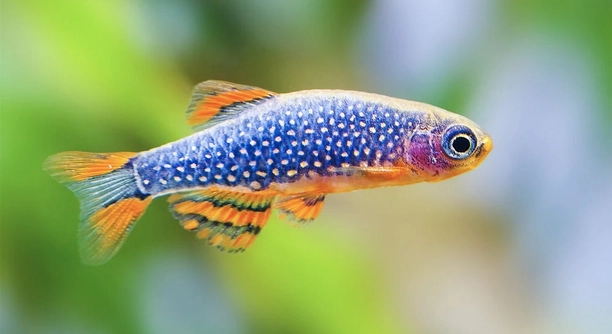
Keeping a peaceful Danio tank can be a rewarding experience, but small mistakes often disrupt the calm environment. Even minor changes in water quality, tank mates, or feeding routines can stress these lively fish. Maintaining balance is key.
Several factors can disturb the tranquility of a Danio tank. Overcrowding, inconsistent water parameters, incompatible tank mates, sudden temperature changes, excessive feeding, inadequate filtration, and lack of hiding spots are the primary causes of stress and unrest in the aquatic environment.
Recognizing these common issues early will help you maintain a serene, healthy tank where your Danios can thrive and display natural behaviors.
Overcrowding the Tank
When too many Danios share a tank, stress levels rise quickly. They are active swimmers and need space to move freely. Overcrowding reduces oxygen levels, increases waste, and can lead to aggressive behavior. It also makes it harder for filtration systems to maintain water quality. Even if the tank looks full but clean, the fish may still feel confined. A tank that is too crowded limits natural swimming patterns and prevents them from establishing territories. It can also make feeding difficult, as some fish may dominate while others get little food. Stress from overcrowding lowers immunity, making Danios more vulnerable to diseases. Regular monitoring of population and tank size helps maintain a peaceful environment. Keeping the number of fish appropriate for the tank size ensures each Danio has enough room to thrive and reduces the chance of conflict.
Limiting the number of Danios improves overall health and keeps the aquarium calmer, making it easier to maintain.
Overcrowding affects not just behavior but water chemistry. With too many fish, ammonia and nitrate levels rise faster. Filtration systems struggle to keep up, leading to poor water quality. Reduced space increases competition for food and hiding spots, creating constant tension. Fish may nip fins or chase one another more aggressively. Even small tanks with adequate filtration can become stressful if the population is too high. Regularly counting fish and adjusting numbers when needed helps prevent these problems. Spacing Danios appropriately encourages natural schooling and swimming behaviors, keeping the tank lively but peaceful. Observing their interactions and ensuring each fish has room to move freely is essential. Maintaining the correct density fosters a healthier, calmer aquarium that benefits both fish and keeper.
Sudden Water Changes
Sudden water changes can shock Danios, even if the water is clean. Rapid shifts in temperature, pH, or hardness can stress the fish, causing erratic swimming or hiding. Gradual adjustments are safer.
When changing water, always match temperature and parameters closely to avoid alarming the fish. Small, consistent water replacements maintain stability and prevent stress.
Large or abrupt water changes disrupt the tank’s chemical balance. Danios thrive in stable conditions, and sudden alterations can harm their health. Rapid temperature swings can weaken immunity, while quick pH shifts may cause discomfort or illness. Even if the water appears similar, slight differences can have a big impact. Conducting partial water changes slowly, using pre-treated water, reduces risk. Observing the fish during and after water changes helps identify stress reactions early. Establishing a routine for small, consistent water updates keeps the environment predictable. Consistency benefits both the fish and the tank’s ecosystem, supporting overall well-being and minimizing disruption.
Incompatible Tank Mates
Some fish may seem peaceful but can stress Danios. Aggressive or overly territorial species chase or nip fins. Even larger fish can intimidate smaller Danios, causing hiding and reduced activity. Careful selection of compatible species keeps the tank calm.
Mixing Danios with aggressive or very slow-moving species often leads to tension. Fish that occupy the same swimming space aggressively may restrict Danios’ movement. Predatory tendencies, even mild, can create constant stress. Stress affects feeding behavior and immunity. Choosing community fish that are active yet non-aggressive, and that thrive in similar water conditions, helps maintain a balanced environment. Observing interactions early allows adjustments before problems escalate. Proper tank mate selection supports schooling behavior, keeps Danios confident, and reduces aggressive encounters.
Even small differences in temperament can disrupt a peaceful tank. Some species may compete for food or territory, triggering stress behaviors like darting, hiding, or fin damage. Over time, these interactions weaken immunity and stunt growth. Monitoring fish behavior regularly ensures that any conflicts are noticed early. Providing hiding spots, adequate space, and avoiding overly dominant species reduces tension. A carefully planned community tank allows Danios to swim freely, school naturally, and maintain health. Proper pairing of tank mates encourages harmony and long-term tank stability.
Excessive Feeding
Feeding Danios too much can pollute the tank. Leftover food decomposes, increasing ammonia and nitrite levels. Stick to small portions and remove uneaten food promptly.
Overfeeding leads to poor water quality and can make fish lethargic. Nutrient-rich water encourages algae growth, further altering the tank environment. Feeding only what the fish can eat in a few minutes maintains cleanliness and balance.
Proper feeding supports health without harming water conditions. Danios thrive on small, frequent meals rather than large portions. Excess food not only pollutes the water but can lead to digestive problems and obesity. Removing leftover food promptly prevents bacterial growth and reduces the need for extra filtration. Choosing high-quality food that the fish can consume quickly keeps the tank cleaner. Monitoring feeding habits helps prevent stress from both poor nutrition and poor water quality. Consistent portion control ensures that Danios stay active, healthy, and the aquarium environment remains stable.
Poor Filtration
A weak or inadequate filter cannot handle waste effectively. Water quality declines quickly, leading to high ammonia and nitrite levels. Danios become stressed and more prone to disease when filtration is insufficient.
Filters should match tank size and bioload. Regular cleaning and maintenance ensure consistent water flow and proper chemical balance.
Lack of Hiding Spots
Danios need places to retreat and feel secure. Plants, decorations, or caves give them safe spaces to reduce stress. Without these, fish may become skittish or aggressive, disrupting the tank’s peace.
Providing natural or artificial hiding spots supports healthy behavior. Dense plant areas or small shelters allow Danios to rest or escape during tense moments. A mix of open swimming space and covered areas helps fish feel comfortable. Even minimal décor can significantly improve security, reducing stress and encouraging natural schooling behavior. Proper placement of hiding spots prevents overcrowding in one area while maintaining overall tank harmony.
FAQ
How many Danios can I keep in a 20-gallon tank?
A 20-gallon tank can comfortably house around 8 to 10 Danios. They are active swimmers and need plenty of space to school. Overcrowding even by a few fish can stress them and degrade water quality quickly.
What is the best water temperature for Danios?
Danios thrive in temperatures between 72°F and 78°F. Sudden changes outside this range can cause stress, reduce immunity, and lead to illness. Maintaining a stable temperature with a reliable heater or thermometer ensures consistent tank conditions.
How often should I perform water changes?
Partial water changes of 20-30% weekly are ideal. This helps maintain low nitrate levels and removes accumulated waste. Large or sudden changes can shock the fish, so gradual adjustments are best. Regular monitoring of water parameters ensures optimal tank health.
Can Danios live with other fish species?
Yes, but compatibility is key. Choose peaceful, active species that share similar water requirements. Avoid aggressive or overly large fish. Observing behavior after introducing new tank mates helps prevent stress or bullying.
What types of food are suitable for Danios?
High-quality flakes, micro pellets, and occasional frozen or live foods like brine shrimp or daphnia are ideal. Feed small portions two to three times daily. Avoid overfeeding to prevent water pollution and digestive problems.
How important is tank decoration for Danios?
Decorations and plants provide hiding spots and reduce stress. Dense plant areas and small shelters help fish feel secure while still leaving open space for swimming. A balanced setup encourages natural behavior and keeps the tank peaceful.
Why are my Danios constantly darting or hiding?
Frequent darting or hiding is usually a stress response. Common causes include poor water quality, overcrowding, aggressive tank mates, or sudden environmental changes. Checking water parameters, space, and tank mates helps identify and resolve the issue.
How can I prevent algae growth in my Danio tank?
Controlling light exposure, avoiding overfeeding, and maintaining regular water changes reduce algae growth. Live plants can compete with algae for nutrients. Proper filtration and occasional tank cleaning also keep algae under control.
Are Danios sensitive to water parameters?
Yes, they are sensitive to pH, hardness, and ammonia levels. A stable environment is crucial for health and behavior. Testing water regularly and correcting any fluctuations prevents stress and supports long-term tank stability.
What signs indicate a peaceful Danio tank is at risk?
Signs include constant fin nipping, erratic swimming, hiding, loss of appetite, or discolored water. Early detection allows you to adjust tank conditions, reduce stress, and restore a calm environment before problems worsen.
How often should I clean the tank filter?
Filter maintenance depends on tank size and bioload but usually every 2-4 weeks. Rinse filter media in tank water, not tap water, to preserve beneficial bacteria. Regular upkeep ensures efficient filtration and stable water quality.
Can I use tap water directly for Danios?
No, tap water should be treated to remove chlorine and chloramine. Using a water conditioner ensures it is safe for fish and prevents chemical stress. Letting water sit is not enough if it contains chloramine.
Is it normal for Danios to jump out of the tank?
Yes, Danios are active and sometimes jump, especially when stressed or startled. A secure lid is essential to prevent escapes. Providing enough swimming space and reducing sudden disturbances minimizes jumping behavior.
How do I encourage schooling behavior in Danios?
Keeping at least 6-8 Danios together encourages natural schooling. Avoid introducing aggressive fish that disrupt cohesion. Adequate space and a stress-free environment allow them to swim in synchronized patterns, which reduces anxiety.
What should I do if a Danio gets sick?
Isolate sick fish in a quarantine tank. Monitor symptoms and water quality, and consider appropriate medication if needed. Early action prevents disease from spreading and helps maintain the health of the entire tank.
How important is lighting for Danios?
Moderate lighting simulates natural day and night cycles. Too much light encourages algae, while too little can stress fish. A regular lighting schedule helps maintain normal behavior and supports live plant growth if present.
Can Danios tolerate slightly cooler water?
Yes, Danios are hardy and can handle slightly cooler temperatures, but extreme drops can cause stress. Keep changes gradual, and avoid sudden exposure to cold water to maintain health and activity levels.
Should I test water for ammonia and nitrites regularly?
Yes, testing at least once a week is recommended. Ammonia or nitrite spikes are toxic and stress fish. Regular monitoring allows for timely adjustments and keeps the tank safe for Danios.
Do Danios need a varied diet?
A varied diet improves health, coloration, and energy. Flakes, micro pellets, and occasional frozen or live foods meet nutritional needs. Consistency in feeding and portion control prevents overfeeding and keeps the tank clean.
How do I introduce new Danios to an existing tank?
Acclimate new fish slowly using a drip or floating method. Gradually match water parameters to the tank. Observe interactions to ensure peaceful integration and reduce stress on both new and existing fish.
Keeping a peaceful Danio tank requires attention to both the environment and the fish themselves. Danios are active and social, which means they need space, stable water conditions, and compatible tank mates. Overcrowding, sudden changes, or inappropriate companions can quickly disrupt the calm atmosphere of the aquarium. Paying attention to these details ensures that the fish can swim freely, interact naturally, and remain healthy. Even small adjustments, such as adding hiding spots or adjusting feeding routines, can make a noticeable difference in their behavior. Consistency is crucial, as sudden shifts in water temperature, pH, or feeding habits are often more stressful than minor issues left unaddressed.
Filtration and water quality are also fundamental to a harmonious tank. Poor filtration or infrequent water changes can lead to the buildup of ammonia, nitrites, or nitrates, which directly impacts fish health. Danios are sensitive to these changes, and even small fluctuations can cause stress, erratic swimming, or illness. Regular testing of water parameters and partial water changes help maintain stability. Selecting a filter appropriate for the tank size and bioload ensures that the system can handle waste efficiently. At the same time, careful attention to feeding prevents excess food from polluting the water. By managing both water quality and nutrition, the tank can remain a healthy and balanced environment.
Finally, observing the fish regularly is a simple but effective way to maintain peace. Watching for signs of stress, aggression, or illness allows for quick intervention before problems escalate. Providing adequate space, hiding areas, and compatible companions encourages natural schooling and reduces tension. Small details, like maintaining a consistent light schedule or using a water conditioner when needed, support their well-being. By combining thoughtful tank setup with careful maintenance and observation, a Danio tank can remain calm, vibrant, and healthy. Taking these steps ensures the fish enjoy a stable environment while making the aquarium easier to care for, creating a peaceful and enjoyable experience overall.

Hello,
If you enjoy the content that we create, please consider saying a "Thank You!" by leaving a tip.
Every little bit helps us continue crafting quality advice that supports the health, happiness, and well-being of pets around the world, for pets of all shapes, sizes, and species.
We really appreciate the kindness and support that you show us!