
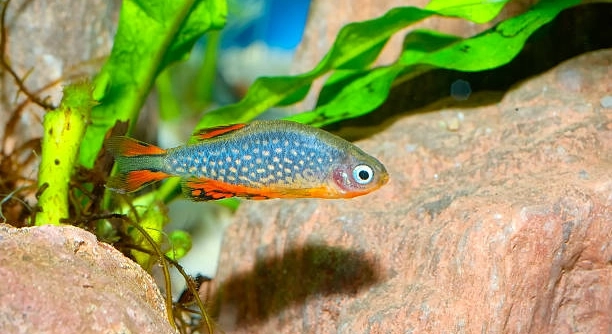
Setting up a tank for danio fry can feel overwhelming at first, especially with their small size and delicate needs. Proper preparation ensures the fry have a safe environment to grow strong and healthy.
The essentials for a successful danio fry tank include maintaining stable water temperature, providing gentle filtration, using fine food suitable for fry, incorporating live plants or hiding spots, monitoring water quality regularly, and ensuring proper tank size and lighting.
Following these basic steps will help you create a nurturing space for your fry, giving them the best start for growth and development.
Choosing the Right Tank Size
Starting with an appropriately sized tank is crucial for danio fry survival. A small tank may lead to poor water quality and overcrowding, while a larger tank provides more stable conditions. A 10-gallon tank is often sufficient for a small group of fry, giving them room to swim freely. Ensure the tank has a secure lid, as danios are known to jump. The tank should be placed away from direct sunlight to prevent sudden temperature fluctuations, which can stress the fry. Filling the tank with dechlorinated water and letting it cycle for a few days before adding fry helps establish a safe environment. A sponge filter works well because it creates gentle water flow, preventing fry from being sucked into stronger currents. Adding some live plants or artificial hiding spots helps fry feel secure, reducing stress and promoting healthy development. Regular observation allows adjustments to temperature, water level, and feeding practices.
Choosing the correct tank size helps maintain water stability and reduces stress for your fry, ensuring they have enough space to thrive.
A properly sized tank prevents overcrowding, maintains water quality, and provides a safe environment for fry to swim and explore. It supports stable temperature, reduces stress, and allows room for plants or decorations that offer shelter. Monitoring the tank daily ensures fry remain healthy and the setup continues to meet their needs.
Maintaining Water Quality
Regular water monitoring is essential for danio fry health. Test ammonia, nitrite, nitrate, and pH levels frequently, as fry are very sensitive to changes. Performing partial water changes of 10-20% weekly keeps conditions stable without shocking them. Avoid overfeeding, since uneaten food can quickly pollute the water. Sponge filters help maintain water cleanliness while providing gentle water flow. Temperature should remain consistent, ideally between 74-78°F, to support growth. Removing debris and excess waste prevents disease outbreaks. Conditioning water before adding it to the tank ensures harmful chemicals are neutralized. Observe fry for signs of stress or illness and adjust maintenance routines accordingly. Even small adjustments in water quality can have significant effects on fry survival and growth.
Consistent water care is critical for fry survival and healthy growth in a small tank environment.
Monitoring water quality carefully protects fry from harmful spikes, supports steady growth, and reduces disease risks. Regular testing, partial water changes, and maintaining stable temperature ensure the tank remains a safe, nurturing environment for young danios.
Filtration and Water Flow
A gentle filter is necessary to keep the tank clean without harming delicate fry. Sponge filters are ideal because they provide filtration and mild water movement. Avoid strong currents, which can stress or injure fry. Clean the filter regularly to maintain optimal performance.
Using a sponge filter ensures fry stay safe while water remains clean. The soft flow prevents fry from being pulled in and allows uneaten food and debris to be trapped, keeping ammonia and nitrite levels low. Regular maintenance involves rinsing the sponge in tank water during water changes, preventing harmful bacteria from being removed entirely while maintaining proper filtration. Avoid high-powered filters, as strong currents can exhaust fry and disrupt feeding patterns. Positioning the filter output away from fry areas reduces stress and promotes natural swimming behavior. This setup balances cleanliness with safety, supporting healthy growth in a small tank environment.
Maintaining a gentle water flow helps fry develop properly and reduces stress-related issues. Consistent cleaning and monitoring keep water quality high, ensuring fry remain active and healthy. Proper filtration is essential for long-term survival and growth of young danios.
Feeding and Nutrition
Fry need small, frequent meals to support rapid growth. Start with finely crushed flake food or specialized fry food several times a day. Avoid overfeeding to prevent water quality issues. Observe their eating behavior to adjust portion sizes as they grow.
Proper nutrition is key to healthy fry development. Newly hatched fry benefit from infusoria or liquid fry food during their first days, as their mouths are tiny and they cannot handle larger particles. After a few days, gradually introduce freshly hatched brine shrimp or finely crushed flake food. Feeding multiple small portions throughout the day ensures all fry receive adequate nutrition without polluting the tank. Overfeeding can quickly increase ammonia levels, stressing fry and affecting growth. Monitoring leftover food and adjusting feeding frequency helps maintain a clean environment. Adequate nutrition supports strong development, proper coloration, and increased activity levels.
Balanced feeding supports growth, immunity, and overall health. Careful observation and portion control prevent water issues, ensuring fry thrive and remain active throughout development stages.
Temperature Control
Maintaining a stable temperature is crucial for fry survival. Keep the water between 74-78°F. Sudden changes can stress the fry and slow growth. Use a reliable heater and thermometer to monitor conditions consistently.
Avoid placing the tank near windows or vents. This helps prevent sudden fluctuations. Consistency in temperature encourages steady development and reduces the risk of disease.
Lighting
Moderate lighting supports plant growth and helps fry see food. Avoid overly bright lights, which can stress young danios. A 10–12 hour day-night cycle is sufficient.
Plants and Hiding Spots
Including live plants or artificial decorations gives fry shelter. This reduces stress and provides areas for exploration and resting. Dense plants help fry hide from stronger tankmates.
Regular Observation
Daily monitoring allows quick detection of health issues or water problems. Observe behavior, growth, and any signs of stress to ensure fry thrive.
FAQ
How often should I feed danio fry?
Danio fry require frequent feeding due to their rapid growth. Offer small meals three to four times a day using finely crushed flake food, specialized fry food, or freshly hatched brine shrimp. Observe how much they consume within a few minutes and remove any leftovers to maintain water quality. Overfeeding can quickly lead to ammonia spikes, which are harmful to fry. Adjust feeding as they grow, gradually increasing portion size and reducing frequency slightly as they become larger and more capable of eating bigger food particles.
What type of filter is best for a fry tank?
A sponge filter is ideal for a danio fry tank. It provides gentle filtration without creating strong currents that could stress or injure the fry. Sponge filters also support beneficial bacteria growth, which helps maintain water quality. Position the filter output away from areas where fry gather most, preventing them from being sucked toward it. Clean the sponge regularly during water changes using tank water to avoid killing helpful bacteria. Avoid hang-on-back or high-power filters unless the flow can be carefully adjusted to prevent harm.
What water temperature is suitable for danio fry?
Keep water between 74-78°F. Fry are sensitive to sudden temperature changes, which can slow growth or cause stress. Use a reliable aquarium heater and thermometer to maintain stability. Avoid placing the tank in direct sunlight or near heating or cooling vents. Gradual adjustments may be necessary when introducing new water to prevent shocking the fry. Consistent temperature encourages healthy metabolism and growth while reducing susceptibility to disease. Monitoring temperature daily helps ensure conditions remain stable for the duration of fry development.
How important are plants and hiding spots?
Plants and decorations provide shelter and security for fry. Dense plants reduce stress by giving fry places to hide and rest. Live plants also contribute to water quality by absorbing nitrates and providing surface areas for beneficial bacteria. Artificial decorations can serve a similar purpose if live plants are unavailable. Ensure hiding spots are shallow enough for fry to access and navigate easily. A combination of both types can create a balanced environment that encourages natural behavior and reduces competition among fry.
How often should I perform water changes?
Partial water changes of 10-20% weekly are recommended to maintain water quality. Larger or more frequent changes can stress fry, while infrequent changes may allow harmful ammonia or nitrite levels to rise. Always use dechlorinated water and match the temperature to the tank. Remove any leftover food or debris before adding new water. Regular changes help maintain stable parameters, support growth, and reduce the risk of disease. Monitoring water conditions in between changes ensures adjustments can be made promptly if issues arise.
Can I mix fry with adult fish?
It is not recommended to house fry with adult fish. Adults may view fry as food, even if they are otherwise peaceful. A separate tank or breeding box ensures fry safety and allows controlled feeding. Once fry grow large enough to swim actively and avoid adults, careful acclimation can be considered. During early development, separation is the safest approach to prevent predation and stress.
What signs indicate fry are stressed or unhealthy?
Signs of stress include sluggish swimming, clamped fins, loss of appetite, or abnormal behavior like staying near the surface or hiding constantly. Poor water quality, overfeeding, or strong currents are common causes. Regular observation allows early detection. Address issues by adjusting temperature, improving water quality, or providing additional hiding spaces. Early intervention increases survival and reduces the risk of disease spreading throughout the tank.
How do I transition fry to adult food?
Start introducing finely crushed flakes or pellets once fry are large enough to handle bigger particles, usually after two to three weeks. Gradually reduce reliance on infusoria or baby brine shrimp. Offer small portions multiple times a day, ensuring all fry can access food. Monitor growth and adjust feeding as necessary. Gradual transition prevents digestive issues and helps fry adapt smoothly to adult diets while maintaining proper nutrition for continued growth.
Is lighting important for fry?
Moderate lighting supports plant growth and helps fry see food clearly. Avoid overly bright lights, which can stress fry. Maintain a 10–12 hour day-night cycle to mimic natural conditions. Too little light can hinder plant growth and reduce oxygen levels, while too much can increase algae growth and stress fry. Balance lighting based on tank size, plant density, and fry behavior to maintain a healthy environment.
How long does it take for danio fry to grow?
Danio fry grow rapidly under proper care. Within two weeks, they begin swimming actively and eating larger food particles. By four to six weeks, they start to resemble miniature adults and can be transitioned to regular tank food. Growth rate depends on water quality, temperature, and nutrition. Consistent care, regular feeding, and stable environmental conditions ensure healthy development. Patience is key, as variations in growth may occur depending on tank conditions and individual fry.
This FAQ addresses the most common concerns for keeping danio fry safe, healthy, and growing efficiently, providing practical guidance for every stage of early development.
Setting up a tank for danio fry requires careful attention to several key factors, but it does not have to feel complicated. Focusing on the essentials, such as tank size, water quality, and filtration, creates a safe and stable environment. Fry are delicate, and even small mistakes in temperature or feeding can affect their survival. Maintaining consistent water conditions and monitoring their behavior daily helps prevent common issues and supports steady growth. By following simple steps and staying observant, you can give your fry a strong start in life, ensuring they remain healthy and active as they grow.
Nutrition and feeding routines play a central role in fry development. Small, frequent meals provide the energy and nutrients fry need, and choosing the right type of food is essential. Infusoria or specialized fry food is ideal for newly hatched fry, while slightly older fry can handle finely crushed flake food or baby brine shrimp. Avoid overfeeding, as leftover food can quickly pollute the tank and lead to harmful ammonia or nitrite spikes. Observing the fry’s feeding behavior allows you to adjust portions and frequency, preventing waste and supporting healthy growth. Alongside proper nutrition, providing hiding spots, plants, and gentle water flow helps reduce stress and encourages natural behavior, making the tank a comfortable environment for fry.
Patience and consistency are important for raising danio fry successfully. Growth happens quickly under the right conditions, but fry are still vulnerable in the first few weeks. Keeping a stable temperature, providing clean water, and monitoring health regularly all contribute to their survival. Daily observation allows early detection of any problems, whether it’s signs of stress, water quality issues, or feeding difficulties. Each small adjustment can make a significant difference in fry development. By maintaining a clean, safe, and well-prepared tank, you create an environment where fry can thrive and eventually grow into healthy adult danios. This careful attention to the basics ensures that the effort you put in results in strong, active, and healthy fish.

Hello,
If you enjoy the content that we create, please consider saying a "Thank You!" by leaving a tip.
Every little bit helps us continue crafting quality advice that supports the health, happiness, and well-being of pets around the world, for pets of all shapes, sizes, and species.
We really appreciate the kindness and support that you show us!