
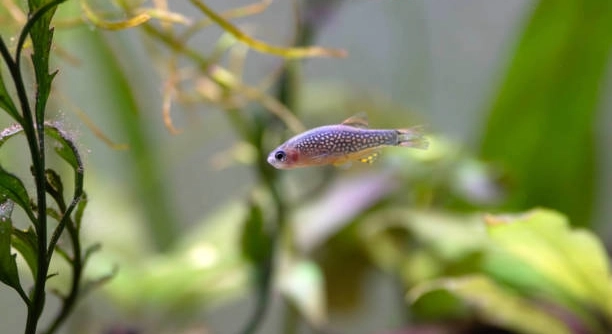
Many fishkeepers enjoy watching their Danios thrive, but noticing the early signs of spawning can be tricky. Observing subtle changes in behavior and appearance helps ensure a healthy environment for the fish and their future fry.
Danios exhibit spawning behavior through distinct physical and behavioral changes. Common indicators include increased chasing, vibrant coloration in males, females appearing fuller or rounder, and the presence of fine eggs. Monitoring these signals can help confirm successful breeding activity.
Recognizing these early hints allows you to prepare your tank properly and support the spawning process effectively for your Danios.
Increased Chasing and Nipping
During the early stages of spawning, male Danios often begin chasing females more actively. This behavior may seem aggressive at first, but it is a natural part of their breeding routine. Males will follow females around the tank, sometimes nipping gently at their fins to get their attention. Observing these interactions closely can help you determine whether spawning is about to occur. It’s also common to notice that multiple males may target a single female, creating a flurry of movement in certain areas of the tank. This heightened activity usually happens in the morning or after a fresh feeding. The chasing behavior is a reliable signal that the fish are ready to breed, and it often coincides with other physical changes in the fish. Keeping the tank environment stable during this time, including water temperature and cleanliness, supports successful spawning and reduces stress among the fish.
The chasing usually lasts a few hours each day and signals that the breeding cycle is beginning.
Watching how males and females interact closely provides clues to the timing of egg laying. Understanding these patterns allows you to prepare the tank and protect the eggs from being eaten by adult fish.
Color Changes in Males
Male Danios often become more colorful when preparing to spawn.
The increase in brightness, particularly along their fins and body stripes, is a visual signal to females that they are healthy and ready to breed. This change is temporary and usually coincides with the spawning period. While it can be exciting to notice, it also serves as a cue for monitoring tank conditions, ensuring that stress is minimized, and water quality remains optimal. Color intensity can also indicate the male’s dominance within the group, which affects spawning success. Observing these vibrant colors can help you anticipate when eggs may appear. Environmental factors such as diet, temperature, and lighting influence how vivid the colors become, so small adjustments can support natural breeding behavior. Monitoring both behavior and appearance together gives a clearer picture of which fish are likely to spawn first, helping you manage the tank more effectively. Proper observation during this period can increase the chances of healthy fry development and reduce egg predation.
Females Appear Fuller
Females ready to spawn often look rounder, especially near their abdomen. This indicates they are carrying eggs and preparing to release them in the tank.
The swelling in females is more noticeable when compared to their usual shape. It signals that eggs are developing, and spawning is imminent. Monitoring the tank during this time is important, as females may need calmer areas to reduce stress. Providing plants or spawning mops can give them safe spots to lay eggs. Ensuring a well-fed diet for females also supports healthy egg production. Observing the roundness along with male chasing behavior confirms the breeding period is active and helps predict when eggs will appear.
Female Danios may also slow down swimming when carrying eggs, choosing to stay in one area. This behavior helps conserve energy and protects the eggs from being damaged during aggressive chasing by males. Placing gentle water flow in the tank ensures the eggs are not disturbed while still maintaining oxygen levels. Tracking these signs together makes it easier to manage the spawning process.
Fine Eggs on Plants or Substrate
Tiny eggs can sometimes be spotted on tank surfaces or plants before the main spawning event.
These small, sticky eggs attach to leaves, decorations, or the substrate. They are often laid gradually and may be overlooked at first. Observing closely in the morning or after feeding increases the chance of spotting them. Collecting or separating eggs may be necessary to prevent adults from eating them. Proper filtration and aeration also support their development. Knowing the locations of these early eggs helps you predict where most spawning activity will happen and prepares you to protect the fry once they hatch. Monitoring the eggs ensures you can provide the best care for the developing Danios and support a higher survival rate.
When eggs are found on plants or near surfaces, it is important to maintain clean water. Removing uneaten food and debris prevents fungus or bacteria from affecting the eggs. Using gentle siphoning or soft brushes can help without damaging them. Temperature and light should remain consistent, as sudden changes can stress the adults or harm the eggs. Tracking egg placement and density allows you to plan for fry care efficiently, giving the young Danios a safer start in the tank.
Restless Swimming Patterns
Danios often swim more actively when ready to spawn. They dart around the tank and frequently change directions, displaying restless movement.
This hyperactivity is linked to breeding instincts. Both males and females move more to find mates or suitable spawning areas. Watching these patterns helps track the timing of egg laying.
Flaring Fins
Males display flared fins during spawning periods. This behavior signals dominance and readiness to breed. The fins appear wider and more pronounced, making the males look larger. Observing this can help identify which males are actively participating in the spawning process.
Nesting or Egg Preparation
Although Danios do not build nests like some fish, they may clean or hover near specific areas in the tank. This behavior is part of preparing surfaces for egg deposition. Females often choose spots with leaves, moss, or fine plants to lay eggs safely. Monitoring these locations can indicate where spawning is likely to occur and allow careful observation of eggs once they are deposited.
Increased Appetite
Danios often eat more right before spawning. This boost in appetite fuels the energy needed for mating and egg production.
FAQ
How can I tell if my Danios are spawning or just active?
Spawning activity usually combines several signs, not just one. Males will chase females, flare their fins, and show brighter colors. Females will look fuller and may hover near plants or substrate. Restless swimming and slight hiding near suitable egg-laying spots also indicate breeding behavior. If only one of these behaviors is present, it’s likely normal activity rather than spawning. Observing patterns over a few days gives a clearer picture of whether breeding is occurring.
What should I do when I notice eggs in the tank?
Once you see eggs, it’s important to protect them from adult fish, as Danios may eat their own eggs. You can move the eggs to a separate breeding tank or use a divider in the main tank. Make sure water conditions remain stable, with proper filtration and gentle flow to avoid disturbing the eggs. Removing uneaten food and debris also prevents fungus or bacteria from harming the developing fry.
Do I need special plants or decorations for Danios to spawn?
While Danios don’t build nests, they prefer surfaces to lay eggs on. Fine-leaved plants, moss, or spawning mops work well. Eggs stick to these surfaces, giving them a safer place to develop. Observing where females hover can help determine the best spots in the tank. Providing multiple options increases the chances of successful spawning.
How long does the spawning process take?
Spawning can last several hours to a full day. Eggs may be laid gradually in batches rather than all at once. Males continue to chase and encourage females during this period, while females deposit eggs in multiple spots. Tracking these behaviors helps predict when hatching will occur and when to separate eggs from adults if needed.
Can I do anything to encourage spawning?
Yes. Maintaining stable water conditions and slightly warmer temperatures can trigger breeding behavior. Feeding high-quality foods like live or frozen daphnia, brine shrimp, or finely crushed flakes supports egg development. Adding plants or spawning mops gives females safe places to lay eggs. Reducing stress from tankmates or sudden changes in light and water also encourages spawning.
What happens if the eggs are not fertilized?
Unfertilized eggs often become cloudy or develop fungus within a day or two. They should be removed to prevent contamination of healthy eggs. Fertilized eggs are usually clear and remain attached to surfaces. Monitoring eggs carefully helps improve survival rates and keeps the tank clean during the breeding period.
When will the eggs hatch?
Danio eggs typically hatch within 2 to 3 days, depending on water temperature. Warmer water speeds up development slightly, while cooler water slows it down. Fry are tiny and may stick to surfaces for a few hours before starting to swim. Maintaining stable conditions ensures the best survival rate for newly hatched fry.
Do I need to feed the fry immediately?
Yes. Once the fry become free-swimming, usually 2–3 days after hatching, they need tiny food. Infusoria, newly hatched brine shrimp, or finely crushed flakes work well. Feeding small amounts frequently supports healthy growth. Clean water and careful feeding prevent water quality issues that could harm the fry.
Can I keep adult Danios with the fry?
It’s not recommended. Adults may eat the fry, especially during the first few days. Using a separate tank or a divider protects the young fish until they grow large enough to avoid being eaten. Observing both adults and fry closely ensures the survival of the new generation.
How often do Danios spawn?
Danios can spawn multiple times a month under optimal conditions. They tend to have peak activity in the morning and after feedings. Consistent water conditions, proper nutrition, and safe laying areas contribute to regular spawning cycles. Tracking patterns helps plan care for both eggs and fry efficiently.
Danios are active and lively fish, and observing their spawning behavior can be both interesting and rewarding. Over time, you start noticing small changes that indicate breeding is about to happen. Males become more colorful and chase females around the tank, while females appear fuller as they carry eggs. These changes are natural and part of the fish’s life cycle. Paying attention to these behaviors can help you provide a supportive environment for them. When the tank conditions are right and the fish are healthy, the chances of successful spawning increase significantly. Maintaining clean water, stable temperatures, and proper nutrition ensures that both the adults and the eggs stay healthy during the process. Watching your Danios interact in these ways can be satisfying, especially when you see the eggs safely laid and the fry start to appear after a few days.
Once eggs are laid, it’s important to protect them from adult fish. Danios do not distinguish between their own eggs and other food, so adults may eat the eggs if left in the same tank. Using a separate breeding tank or placing dividers can help keep the eggs safe. Additionally, providing plants or spawning mops gives the eggs surfaces to attach to, keeping them stable while they develop. Regular monitoring of water quality, gentle filtration, and removing uneaten food are also crucial during this stage. Even small changes in water conditions can stress the eggs or fry, so consistent care is important. Observing these steps carefully ensures that the developing fry have a better chance of survival and grow into healthy, active fish.
Spawning Danios can be a learning experience, especially if it’s your first time noticing the subtle signs. Each fish may behave slightly differently, and watching their interactions helps you understand what is normal for your specific group. Preparing the tank in advance, recognizing the early behaviors, and taking steps to protect eggs can make the breeding process smoother and less stressful for both the fish and you. Over time, these observations also help improve your ability to anticipate spawning events and care for the fry once they hatch. Patience and attention to detail are key, and even small adjustments in diet, lighting, or water flow can make a difference in supporting healthy spawning. By paying close attention and responding appropriately, you can ensure your Danios continue to thrive and reproduce successfully in a safe and nurturing environment.

Hello,
If you enjoy the content that we create, please consider saying a "Thank You!" by leaving a tip.
Every little bit helps us continue crafting quality advice that supports the health, happiness, and well-being of pets around the world, for pets of all shapes, sizes, and species.
We really appreciate the kindness and support that you show us!