
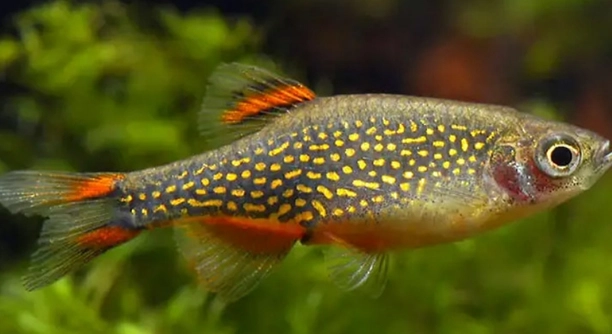
Are your fry looking smaller or less active than usual? Observing your young fish closely can reveal early signs of insufficient feeding. Proper nutrition is essential for their growth, health, and overall vitality in the tank environment.
Underfed fry typically exhibit slowed growth, pale coloration, and reduced activity. These indicators reflect inadequate nutrient intake, which can lead to weakened immune systems and increased susceptibility to disease, ultimately affecting their survival and long-term development.
Recognizing these signs early allows for timely dietary adjustments and ensures your fry receive proper nutrition for healthy growth. Monitoring feeding habits is crucial for their well-being.
Slow Growth and Development
Fry that are not receiving enough food often grow slower than expected. You may notice that they remain tiny compared to their tank mates, or that their fins and tails take longer to develop. Consistent, balanced feeding is necessary to support proper bone and muscle growth. Without adequate nutrition, their overall size can remain stunted, making them more vulnerable to stress and disease. Monitoring growth weekly can help you catch issues early and adjust their diet accordingly. Even small fry require multiple feedings throughout the day to maintain steady growth and energy levels. Neglecting this can result in long-term developmental problems, including weaker immune systems and a lower chance of survival as they mature. Fry that experience consistent underfeeding may also exhibit less vibrant coloration, which is another sign their bodies are not receiving sufficient nutrients to thrive. Ensuring proper feeding schedules and observing behavior closely is essential for their well-being and healthy development.
Consistent observation of your fry’s size can reveal early signs of poor nutrition. Adjusting food amounts gradually promotes healthier growth.
Even with careful attention, it is easy to underestimate the amount fry need. Smaller fry often seem satisfied with minimal food, but they require more frequent feedings to maintain energy for swimming, growth, and exploring their environment. Overfeeding slightly is safer than leaving them underfed, but balance is key. Offering finely crushed flakes, micro pellets, or live foods ensures they receive essential proteins and fats. Observing how quickly they consume food can guide how much to provide, and adjusting over time helps meet their nutritional needs. Healthy fry will be active, show proper coloration, and grow steadily when fed correctly. Regular monitoring and small dietary changes can prevent many problems associated with underfeeding.
Pale Coloration and Weak Activity
Underfed fry often display dull or pale colors and reduced movement, signaling insufficient nutrients and low energy levels. This is one of the first visible signs to notice in your tank.
Pale coloration indicates a lack of essential vitamins and proteins necessary for vibrant growth. Fry with weak activity may spend more time hiding or floating passively rather than exploring their environment or interacting with siblings. This reduced movement further affects their muscle development and overall health. Ensuring they have enough food encourages proper pigment development and helps maintain energy levels for normal behavior. Providing a mix of quality dry food and live or frozen options boosts nutrition. Small, frequent feedings allow fry to digest efficiently and absorb nutrients without overloading their tiny systems. Over time, consistent feeding leads to improved color, increased activity, and stronger immune defenses. Monitoring changes in behavior and appearance can help identify when dietary adjustments are needed. Proper nutrition is critical for fry to grow into healthy, resilient adult fish.
Frequent Hiding and Lethargy
Fry that are underfed often hide more than usual and show low activity. They may stay near decorations or tank edges, avoiding open areas. Lack of food directly affects their energy levels, making them less likely to explore or swim actively.
When fry do not get enough nutrition, their bodies conserve energy to survive. This leads to prolonged periods of inactivity, reduced swimming, and hiding in safe spots. Over time, weak fry may struggle to compete for food or escape minor threats in the tank. Providing more frequent, small feedings can restore energy levels and encourage normal behavior. Observing changes in activity helps gauge whether feeding amounts are sufficient. Small adjustments to diet can make a noticeable difference in how lively and interactive fry become.
Lethargy caused by underfeeding can also affect growth. Fry that remain inactive may not develop properly, and energy stored in the body is redirected to basic survival instead of healthy growth. This makes early intervention essential to prevent long-term weakness. Ensuring fry have a nutrient-rich diet and regular feeding schedule encourages them to swim, interact, and grow as they should. Monitoring behavior closely allows timely correction before developmental issues become permanent.
Uneaten Food and Feeding Competition
Underfed fry often show aggressive feeding behaviors, quickly consuming all available food before others can reach it. Uneaten portions may remain if larger fry dominate the feeding area.
Competition among fry increases when some are underfed. Smaller or weaker fry may miss out entirely, which can worsen growth disparities. Observing how food is consumed helps determine whether feeding amounts are sufficient and balanced for all fry. Offering multiple feeding spots or spreading food evenly can reduce competition, ensuring all fry have access. Including finely crushed flakes, micro pellets, or live food encourages even distribution and better nutrition intake for everyone.
Feeding dynamics in a crowded tank can be challenging. Fry that do not get enough food may appear desperate during mealtimes, darting aggressively toward available portions. This behavior is a clear indicator that adjustments are needed. Smaller fry benefit from more frequent, smaller feedings to prevent larger fry from monopolizing resources. Monitoring feeding sessions and adjusting quantities gradually ensures all fry receive enough nutrients. Over time, consistent, balanced feeding minimizes competition and promotes even growth across the group. Proper feeding techniques help maintain harmony and improve overall fry health.
Thin or Malnourished Appearance
Fry that are underfed often appear thin, with visible spine lines or sunken bellies. This indicates they are not receiving enough nutrients to build healthy bodies.
Their overall body mass remains low, and they may look fragile compared to well-fed tank mates. Consistent feeding is crucial to prevent long-term malnutrition.
Gasping at the Surface
Underfed fry may frequently swim to the water surface, appearing to gasp for air. Low energy and weak development can make them less efficient at obtaining oxygen from normal swimming activity. Providing proper nutrition strengthens their bodies, improves energy, and supports healthy gill function.
Slow Reaction to Stimuli
Fry that are underfed often respond slowly to movement or changes in their environment. Lack of energy and weak muscle development can delay their reactions, making them appear less alert than healthier fry.
How often should I feed my fry?
Fry need frequent, small meals throughout the day. Depending on their age and species, feeding three to five times daily is usually sufficient. Young fry digest food quickly, so shorter intervals ensure they receive enough nutrients to support growth and energy. Overfeeding in large amounts can pollute the water, so small portions are safer. Observing how quickly they consume food helps adjust the quantity and frequency. Fry should remain active, with healthy swimming and visible growth over time, indicating the feeding schedule is adequate.
What types of food are best for underfed fry?
High-quality, nutrient-rich foods are essential for fry health. Finely crushed flakes, micro pellets, and live foods such as baby brine shrimp or infusoria provide proteins and fats critical for growth. Some species also benefit from powdered or gel-based diets that are easy to digest. Rotating different foods ensures fry receive a balanced intake of vitamins, minerals, and amino acids. Live foods can encourage natural feeding behaviors and improve activity levels. Avoid feeding adult fish food, as it may be too large or nutritionally imbalanced for tiny fry. Careful attention to texture and size prevents choking and ensures effective feeding.
Can underfeeding cause permanent damage?
Chronic underfeeding can result in stunted growth, weak immune systems, and reduced coloration. Fry that remain underfed for long periods may fail to develop fully, making them more susceptible to disease and less likely to thrive as adults. In some cases, skeletal or organ development may be affected permanently. Early detection and correction of feeding amounts are critical to prevent lasting damage. Once proper nutrition is restored, some growth and health improvements are possible, but recovery may be slower compared to fry that were consistently well-fed. Monitoring their progress regularly is key.
How can I tell if my fry are underfed?
Signs of underfeeding include slow growth, thin or malnourished appearance, pale coloration, and lethargy. Fry may also hide frequently, gasp at the surface, or compete aggressively for food. Observing feeding behavior helps determine if all fry are receiving enough nutrition. Uneaten food, weak swimming, and delayed reactions to stimuli are additional indicators. Comparing the size and activity of fry within the same tank can reveal discrepancies caused by insufficient feeding. Regular observation and record-keeping allow early intervention, preventing long-term problems associated with nutrient deficiencies.
What adjustments can I make to improve feeding?
Adjusting feeding involves both quantity and method. Providing smaller, more frequent meals ensures fry can consume food without competition. Distributing food evenly or using multiple feeding points reduces dominant fry from monopolizing portions. Introducing a variety of foods supports balanced nutrition and growth. Monitoring how quickly food is eaten allows fine-tuning of amounts. Regular water changes are important to maintain water quality, as leftover food can deteriorate the tank environment. Using live foods occasionally can stimulate natural feeding behavior and improve energy levels. Consistency and observation are key to effective feeding adjustments.
Should I separate fry by size?
Separating fry by size can reduce competition and ensure smaller or weaker individuals receive adequate nutrition. Larger fry tend to dominate feeding areas, leaving tiny fry underfed. Using breeding nets or partitioned tanks helps provide a more controlled feeding environment. Separation also allows tailored feeding schedules for each group, improving growth outcomes and reducing stress. While not always necessary for small tanks, this strategy is useful when size differences are pronounced. Observing fry regularly helps decide if separation is needed and whether it benefits overall health and development.
How do I prevent underfeeding in the future?
Preventing underfeeding requires a consistent feeding routine and careful monitoring. Track fry growth and behavior to identify early signs of insufficient nutrition. Use appropriately sized foods and adjust portions as fry grow. Providing a mix of live and prepared foods ensures a balanced diet. Managing tank population and preventing overcrowding reduces competition. Regularly check water quality to ensure that leftover food does not harm the environment. Keeping a feeding log can help maintain consistency, and adjusting based on observations ensures all fry receive enough nutrition for healthy growth.
Fry require careful attention to thrive, and underfeeding can have serious consequences for their growth and health. Observing their behavior and appearance regularly is essential to ensure they are receiving enough nutrition. Signs such as slow growth, pale coloration, lethargy, and hiding can indicate that fry are not being fed adequately. Providing the right type and amount of food, along with multiple feedings throughout the day, is critical to prevent these issues. Even small fry need a diet that supports proper development, so monitoring their progress and adjusting feeding routines is important. Consistent observation allows you to respond quickly to any signs of underfeeding and helps maintain a healthy tank environment for all the fry.
Balanced nutrition is essential for fry to develop strong bodies and healthy immune systems. High-quality foods, including finely crushed flakes, micro pellets, and live foods like baby brine shrimp or infusoria, provide the proteins and vitamins they need. Offering a variety of foods ensures fry receive essential nutrients for proper growth, coloration, and energy levels. Feeding smaller amounts more frequently prevents competition between larger and smaller fry and helps avoid water quality issues caused by uneaten food. Fry that are well-fed are more active, swim more confidently, and show healthier growth over time. Proper feeding routines also reduce stress, as fry are less likely to compete aggressively for limited food resources, creating a calmer tank environment that benefits all inhabitants.
Preventing underfeeding requires careful planning, observation, and consistency. Watching how fry respond to feeding, how much food is consumed, and how their size and activity compare with others in the tank provides valuable insight into whether adjustments are needed. Regular water maintenance ensures that leftover food does not harm the tank environment or reduce water quality. Separating fry by size can help smaller individuals get adequate food without being outcompeted. Over time, attentive feeding practices result in healthier, more active fry that grow into strong adult fish. Prioritizing proper nutrition and monitoring behavior closely ensures that underfeeding does not compromise their long-term health and allows you to support their growth successfully.

Hello,
If you enjoy the content that we create, please consider saying a "Thank You!" by leaving a tip.
Every little bit helps us continue crafting quality advice that supports the health, happiness, and well-being of pets around the world, for pets of all shapes, sizes, and species.
We really appreciate the kindness and support that you show us!