
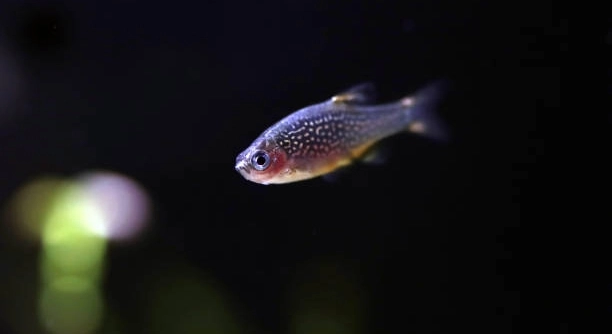
Do you ever watch your danios swimming and notice subtle differences in their behavior? These small fish establish a clear social structure, which can influence feeding, movement, and interaction within the aquarium environment.
Danio hierarchy is expressed through visual cues such as body posture, fin display, chasing behavior, color intensity, positioning in the tank, speed during movement, and responses to other fish. These cues help maintain social order and reduce conflict.
Observing these signs can enhance your understanding of your aquarium dynamics and improve the overall wellbeing of your danios.
Posture and Positioning
Danios use body posture to communicate their rank. Higher-ranking fish often hold their bodies straighter and swim with a sense of confidence, while lower-ranking fish tend to stay closer to the tank bottom or edges. Dominant individuals frequently occupy central or elevated positions, signaling control over territory. Observing these movements can help you identify which fish lead and which follow. Changes in posture often reflect shifts in hierarchy, especially after introducing new fish or rearranging the tank. These subtle cues are easier to spot when you watch feeding times, as dominant fish will often move assertively toward food while others yield. Over time, this consistent behavior establishes a predictable social structure. Proper recognition of these cues can prevent unnecessary stress among fish, as each fish understands its role. Adjustments in tank decoration or feeding practices can influence positioning, offering a clearer view of the hierarchy. Awareness of these signals allows for better tank management.
Posture and positioning signal dominance, guiding interactions and reducing conflicts. Watching these cues regularly reveals the subtle social order among your danios.
Monitoring your fish’s movements closely highlights changes in hierarchy over time. Noticing a shift in a fish’s usual position or posture can indicate a change in rank. Environmental changes, like new plants or decorations, can influence swimming patterns. Feeding routines also affect positioning, as dominant fish take prime spots near food. Recognizing these patterns ensures smoother interactions and less stress within the tank. Consistent observation builds a clearer understanding of each fish’s role, supporting a balanced, peaceful aquarium environment. This attentiveness helps maintain harmony and promotes healthier behavior overall.
Fin Displays and Color Changes
Fin displays serve as a visual signal of rank. Higher-ranking danios often flare or extend their fins more prominently, while subordinate fish may keep fins close to their bodies.
Fin and color changes indicate social status and emotional state. Dominant fish display more vivid colors and erect fins, signaling strength.
Observing fin behavior over time reveals patterns of dominance and submission. Dominant danios often swim with fins fully extended to appear larger and more intimidating, while subordinate fish may display muted colors or partially folded fins, signaling their lower rank. Color intensity is influenced by mood, health, and environment, so consistent patterns are key to understanding hierarchy. During feeding or when new fish are introduced, dominant individuals will display more pronounced fin movements, asserting control without constant aggression. Subordinate fish usually avoid confrontation by retreating or staying at the periphery. Monitoring these cues helps you identify leaders and followers, reducing conflicts and promoting a balanced tank environment. Recognizing these visual signals is essential for maintaining social harmony.
Chasing and Aggression
Chasing behavior is a clear indicator of hierarchy. Dominant danios often pursue lower-ranking fish, especially near feeding areas or preferred spots. Submissive fish typically avoid confrontation and move away quickly.
Chasing helps reinforce social ranking without constant fighting. Dominant fish assert control over space, food, and territory by following or lightly nipping at subordinate fish. These interactions are usually brief and more about maintaining order than causing harm. Observing when and how fish chase others provides insight into their relationships. Changes in chasing intensity can indicate stress, illness, or a shift in dominance. Consistent patterns of pursuit help clarify the social structure, allowing the tank to remain relatively stable.
While chasing can look aggressive, it rarely results in injury if hierarchy is clear. Subordinate fish learn quickly to yield, and dominant fish establish leadership with minimal conflict. Over time, these behaviors reduce stress by maintaining predictable roles. Adjusting tank layout or feeding strategies can influence chasing patterns, helping lower-ranking fish feel safer. Observing these behaviors daily allows you to support a balanced environment and notice early signs of changes in social dynamics.
Tank Position and Movement Patterns
Tank positioning reveals rank, as dominant fish often control central or open areas, while lower-ranking fish stick to corners or edges. Movement speed also signals status.
Positioning and movement are consistent indicators of hierarchy. Dominant danios swim with confidence in well-lit or central zones, often taking priority near food or resting spots. Submissive fish remain near the tank perimeter or behind decorations, avoiding confrontation. Speed and boldness in swimming are equally important; higher-ranking individuals move assertively, while others make slower, cautious passes. Observation over multiple days helps confirm which fish lead and which follow. Shifts in movement patterns often precede changes in dominance. Monitoring these behaviors ensures a harmonious tank and allows you to intervene if stress levels rise.
Understanding tank positioning and movement allows for better management of your aquarium. Adjustments like rearranging decorations, providing hiding spots, or changing feeding locations can help subordinate fish feel secure while dominant fish maintain control. Consistently observing swimming paths and preferred areas shows clear social roles. Changes in these patterns may indicate health issues, environmental stress, or introduction of new fish. Recognizing and respecting these natural behaviors keeps the hierarchy stable and promotes well-being for all danios in the tank.
Color Intensity
Color intensity often reflects dominance. Brighter, more vivid colors usually indicate higher-ranking danios, while duller tones are common in subordinate fish.
Changes in color can signal stress, health, or shifts in rank. Monitoring these variations helps you identify leaders and followers, ensuring a balanced tank environment.
Feeding Order
Dominant fish typically eat first, taking the best spots near food. Subordinate fish wait or eat smaller portions. Observing feeding behavior is a reliable way to understand social ranking and prevent disputes during mealtime.
Responses to Other Fish
Reactions to peers reveal hierarchy. Subordinate fish often retreat or freeze when approached, while dominant fish may approach confidently, asserting their position within the group.
Speed and Agility
Movement speed and agility highlight rank differences. Dominant danios swim swiftly and decisively, while lower-ranking fish often move cautiously, avoiding direct confrontation and maintaining their safety.
FAQ
How can I tell which danio is dominant?
Dominant danios show confident posture, swim in central areas, display extended fins, and exhibit brighter colors. They often eat first and chase or lightly nip at lower-ranking fish. Observing these consistent behaviors over several days helps identify the leaders in your tank.
Why does one danio chase others frequently?
Chasing is a natural behavior used to assert dominance and reinforce hierarchy. It usually happens around feeding times or preferred spots. Light chasing rarely causes harm and helps maintain order, signaling to subordinate fish where they should position themselves to avoid conflict.
Can subordinate fish ever become dominant?
Yes, rank can change over time. Introducing new fish, illness, or shifts in the tank environment may allow previously lower-ranking danios to rise. Observing posture, fin displays, and movement patterns helps detect these changes early, allowing you to monitor interactions and prevent stress.
What does it mean when a danio changes color?
Color changes often reflect mood, health, or social status. A brightening fish may be asserting dominance, while duller colors usually indicate submission or stress. Consistent observation is key to distinguishing normal variation from signs of illness or prolonged stress.
Is chasing a sign of aggression or stress?
Not necessarily. Light chasing is a normal part of hierarchy maintenance. Aggression becomes a concern only if chasing escalates into constant nipping or injury. Subtle signs, like quick retreats or hiding by subordinate fish, indicate healthy social balance rather than harmful stress.
How important is tank layout for hierarchy?
Tank structure affects positioning and interactions. Open spaces favor dominant fish, while hiding spots help subordinate fish feel secure. Adjusting decorations, adding plants, or providing varied levels can reduce stress and allow each fish to maintain its role comfortably.
Should I feed all fish at once or separately?
Feeding all fish simultaneously allows dominant danios to assert rank naturally while subordinate fish adapt to timing and position. Monitoring feeding ensures no fish is consistently deprived and helps you understand the social structure through who eats first and who waits.
Can new fish disrupt the hierarchy?
Introducing new danios can temporarily alter social order. Existing fish may chase or show fin displays to re-establish dominance. Gradual introduction and observation reduce conflict. Subordinate fish may need extra hiding spaces until the hierarchy stabilizes.
How do I reduce stress from hierarchy conflicts?
Provide ample hiding spots, maintain proper stocking levels, and observe daily interactions. Adjust feeding practices or tank decorations if lower-ranking fish appear stressed. Recognizing natural behaviors without over-intervening supports long-term stability and overall fish health.
Are there signs that hierarchy is unhealthy?
Frequent injury, constant chasing, extreme hiding, or drastic color changes may indicate an unstable hierarchy. These signs suggest overcrowding, stress, or illness. Prompt intervention, like adding hiding places or assessing tank population, can restore balance and prevent harm.
Do all danios display hierarchy the same way?
While general patterns exist, individual temperament and group composition influence behavior. Some danios may be more assertive, while others remain passive. Observing your specific group over time provides the clearest understanding of social dynamics and hierarchy maintenance.
Can hierarchy affect breeding behavior?
Yes, dominant males often have better access to females and preferred spawning areas. Subordinate males may be excluded or display less intense courting behavior. Understanding hierarchy helps manage breeding attempts and ensures that all fish have a chance to participate safely.
How often should I observe my fish for hierarchy changes?
Daily observation, particularly during feeding and active swimming periods, is ideal. Consistent monitoring helps identify shifts in dominance, signs of stress, or potential health issues before they escalate, ensuring a stable, balanced environment for all danios.
Observing danios in your tank offers more than just entertainment; it provides insight into their social behavior and hierarchy. Each fish has a role, from dominant leaders to more submissive followers. These roles are expressed through body posture, fin displays, movement patterns, color intensity, and responses to other fish. Paying attention to these behaviors allows you to understand the interactions taking place and the balance within the group. Subtle differences in how each fish swims, positions itself, or responds during feeding can reveal a lot about their rank. Over time, these behaviors become predictable, giving you a clear view of the established social structure in the aquarium. Recognizing these cues is important for maintaining a calm environment, as it helps reduce stress and prevents unnecessary conflicts among the fish.
Maintaining a stable hierarchy benefits the health and wellbeing of all the danios. Dominant fish establish order, which keeps interactions mostly controlled and minimizes aggressive disputes. Subordinate fish learn to avoid direct confrontations, reducing the risk of injury and stress. Providing an environment that supports this natural order is crucial. Simple steps like arranging decorations to provide hiding spots, offering open swimming areas, and feeding in a way that allows all fish access to food can help. Observing the subtle signals—such as chasing behavior, fin extensions, and color changes—guides you in understanding when the social structure is functioning well or if adjustments are needed. By ensuring that all fish have their own space and opportunities to express natural behaviors, you create a healthier, more balanced aquarium where hierarchy serves a positive role rather than a source of stress.
Awareness and consistency are key to supporting a healthy tank. Regular observation of your danios not only helps you notice dominance and submission patterns but also allows you to detect any changes in behavior that may indicate stress or illness. Over time, understanding these visual cues and interactions can make caring for your fish more rewarding, as you can intervene thoughtfully when needed. Hierarchy is a natural part of danio behavior, and by respecting it, you ensure that all fish can coexist peacefully. Providing a stable environment, observing social cues, and making minor adjustments when necessary supports both the social and physical health of your fish. This approach allows you to enjoy a vibrant, active aquarium while supporting the natural order that keeps your danios thriving.

Hello,
If you enjoy the content that we create, please consider saying a "Thank You!" by leaving a tip.
Every little bit helps us continue crafting quality advice that supports the health, happiness, and well-being of pets around the world, for pets of all shapes, sizes, and species.
We really appreciate the kindness and support that you show us!