
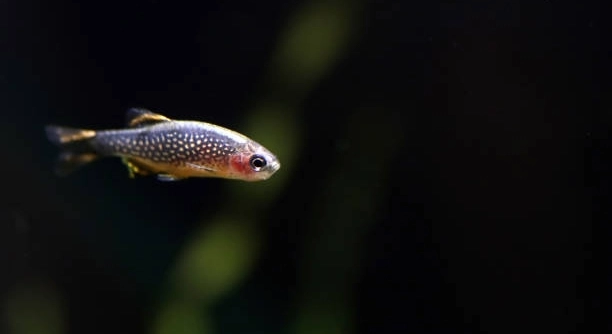
New Danio tanks can show unexpected activity that surprises many fishkeepers. Even in carefully prepared aquariums, these small fish sometimes display habits that seem unusual or unpredictable, especially during their first few weeks in a new environment.
New Danios often exhibit behaviors such as hovering near the surface, darting rapidly, or gathering in corners. These actions are typically responses to environmental changes, water chemistry, or stress. Observing these patterns helps identify fish adaptation and ensures proper tank management.
Understanding these behaviors is important for maintaining a healthy aquarium. Each unusual action may signal how your Danios are adjusting to their surroundings and social dynamics.
Hovering Near the Surface
New Danios often spend long periods near the water’s surface when first introduced to a tank. This behavior usually indicates that they are exploring and getting used to their new environment. In many cases, the fish are assessing oxygen levels and checking for safe areas. Some Danios may linger at the top due to slight water quality changes or temperature differences. Hovering can also happen when the tank lacks hiding spots or plants. Providing floating plants or gentle water movement can help them feel more secure. Observing how often they return to the surface can give insight into their comfort level. If the behavior continues excessively, it may signal a need to test the water for ammonia, nitrites, or pH levels. Consistent monitoring ensures that their adjustment period remains healthy and stress-free.
Hovering near the surface is usually a short-term behavior. It reflects their adaptation and curiosity more than any serious health problem.
Adding plants and keeping the water stable reduces stress. Over time, Danios will explore all levels of the tank naturally, showing more confidence and normal swimming patterns.
Darting Rapidly
Rapid, jerky movements across the tank are a common sight with new Danios. This behavior is usually linked to excitement, sudden reactions to changes, or brief startle responses. They may dart when they notice shadows, other fish, or even bubbles in the water. Young or newly introduced fish often display this behavior more frequently, as they adjust to unfamiliar surroundings. Proper tank setup, including gentle filtration and consistent temperature, can help minimize excessive darting. Over time, they usually settle into calmer, more deliberate swimming. Observing the timing and triggers of darting helps determine if it is purely adjustment behavior or a sign of stress that needs attention.
Darting movements are part of normal adaptation. Careful observation ensures the tank environment remains suitable.
Consistent feeding schedules and minimizing sudden disturbances can reduce darting episodes. Providing plenty of swimming space and visual barriers, like plants or rocks, helps them feel secure. As they grow accustomed to the new tank, their movements become smoother and more predictable. Monitoring water quality and ensuring adequate oxygen levels also supports calmer behavior. Darting may occasionally happen during play or feeding, which is normal, but persistent erratic movement could indicate stress or imbalance in water conditions. Adjusting light intensity, tank decorations, and interactions with other fish can create a more stable environment. By observing their patterns closely, it is easier to distinguish between natural activity and behavior that requires intervention. Maintaining a balanced diet and a stress-free environment encourages healthy, confident Danios over time.
Gathering in Corners
New Danios often cluster in corners of the tank when they feel uncertain. This behavior is usually temporary and shows they are seeking security. Corners offer a sense of shelter, especially if the tank is sparsely decorated or lacks plants.
Clustering in corners can indicate mild stress or unfamiliarity with the environment. Danios naturally feel safer near boundaries, especially when adjusting to new water conditions or unfamiliar tankmates. Adding decorations, plants, or hiding spots encourages them to spread out and explore more freely. Observing how long they remain clustered helps gauge their comfort level and adjustment speed.
If the behavior persists beyond the initial adjustment, it could point to water quality issues or bullying from other fish. Testing for ammonia, nitrite, nitrate levels, and monitoring social interactions can help address ongoing corner-gathering tendencies. Providing gentle water flow and visual barriers supports confidence. Over time, most Danios will swim more evenly throughout the tank once they feel secure and recognize safe zones.
Sudden Freezing
Sudden freezing, where Danios stop moving completely, can occur when they are startled or sensing a threat. This reaction is brief and usually ends once the fish feels safe.
Freezing is a defense mechanism common in many small fish. When introduced to a new tank, Danios may pause for a few seconds in response to shadows, sudden movements, or unfamiliar noises. This behavior helps them assess potential danger and reduces attention from predators. Observing patterns in freezing can indicate whether it is normal adjustment behavior or stress-related.
Prolonged or frequent freezing may suggest issues with water parameters or the presence of overly aggressive tankmates. Ensuring stable temperature, clean water, and a balanced environment minimizes stress triggers. Adding plants, rocks, or decorations provides visual cover, giving Danios confidence to resume normal activity. Monitoring the frequency and context of freezing helps identify patterns and ensures the fish are not under prolonged stress. Over time, as they acclimate, freezing becomes less common, and their movements regain fluidity.
Nipping at Tank Mates
New Danios sometimes nip at other fish. This is usually a way of testing boundaries or establishing hierarchy. It often happens more when space is limited or there are fewer hiding spots.
Nipping can also be a sign of curiosity. Observing interactions helps determine if it is playful or aggressive behavior.
Hiding Frequently
Danios may spend long periods hiding in plants or behind decorations. This is a natural response to feeling insecure or stressed, especially in a new tank.
Swimming Against the Current
Some Danios consistently swim against the tank’s current. This behavior helps them build strength and maintain balance. It is most noticeable in tanks with filtration creating gentle water flow.
Sudden Flashing
Flashing occurs when Danios rub their bodies against objects or surfaces. This may indicate irritation from parasites or minor stress. Regular observation and maintaining clean water can reduce its frequency.
FAQ
Why do my Danios hover at the surface constantly?
Hovering at the surface usually happens when Danios are adjusting to a new tank. They may be checking oxygen levels or feeling uncertain about open areas. Ensuring proper aeration, gentle water movement, and some floating plants can make them feel more comfortable. Most Danios settle after a few days or weeks.
Is it normal for Danios to dart suddenly across the tank?
Yes, rapid darting is common in new Danios. It is often a response to sudden changes, shadows, or unfamiliar objects. Keeping a calm environment, stable temperature, and consistent feeding schedule reduces excessive darting. This behavior usually decreases as fish become familiar with their surroundings.
Why do my Danios gather in corners?
Clustering in corners is a natural way for Danios to feel safe. New fish often use tank edges as shelter while they assess the environment. Adding plants, rocks, or decorations encourages them to spread out gradually. Persistent corner-gathering may indicate stress or water issues.
What does sudden freezing mean in Danios?
Freezing, or stopping movement entirely, is a defensive response. Danios may freeze when startled by shadows, movement, or noises. Brief freezing is normal, but repeated or prolonged episodes could point to poor water quality or aggressive tankmates. Monitoring tank conditions and providing cover helps reduce this behavior.
Why do Danios sometimes nip at each other?
Nipping is often a form of social interaction or establishing hierarchy. It can also happen if the tank is overcrowded or lacks hiding spots. Observing whether the nipping is playful or aggressive is important. Adding space, decorations, or more plants can reduce repeated nipping.
Why are my Danios hiding frequently?
Frequent hiding is usually a stress response. New Danios may hide behind decorations, plants, or corners while they feel secure. Ensuring water stability, gentle flow, and adequate cover encourages them to explore more freely. Over time, hiding decreases as the fish adapt to the tank.
What causes Danios to swim against the current?
Swimming against the current is normal exercise and balance behavior. Danios often do this near filtration outlets or areas with water movement. This helps them build muscle and remain agile. Providing gentle but consistent flow supports their health without causing stress or exhaustion.
Why do Danios flash or rub against objects?
Flashing, when a Danio rubs its body against surfaces, can indicate irritation from parasites, minor injuries, or stress. Regular water changes, clean substrate, and monitoring for external parasites help reduce this behavior. Occasional rubbing may be harmless, but repeated flashing warrants closer inspection of tank conditions.
Can these behaviors indicate illness?
Some unusual behaviors may signal health issues, but most are normal adjustment responses. Persistent lethargy, loss of appetite, or abnormal swimming patterns are stronger indicators of illness. Regular monitoring of water quality, diet, and social interactions ensures early detection and treatment.
How long does it take for Danios to settle in a new tank?
Danios usually adjust within one to three weeks, depending on tank conditions and fish temperament. Providing hiding spots, stable water parameters, and minimal disturbances helps them feel secure. Observing behaviors during this period gives insight into their adaptation progress.
What should I do if unusual behaviors continue?
If behaviors persist beyond typical adjustment, check water parameters, filtration, and temperature. Ensure the tank is not overcrowded and that tankmates are compatible. Adding visual cover and maintaining a consistent feeding routine can reduce stress and encourage natural activity patterns.
Are these behaviors harmful to the fish?
Most unusual behaviors in new tanks are harmless and temporary. They indicate curiosity, adaptation, or minor stress. Persistent stress, however, can weaken the immune system, making fish more susceptible to disease. Maintaining a stable environment and observing for changes ensures long-term health and well-being.
How can I encourage more natural behavior?
Providing plants, decorations, and appropriate tank mates promotes natural swimming and social patterns. Regular feeding, clean water, and minimal sudden disturbances create a secure environment. Over time, Danios exhibit more confident, balanced, and predictable behaviors throughout the tank.
Is it normal for Danios to behave differently in groups?
Yes, Danios are social fish and often show different behaviors in schools. They may dart, hover, or cluster together more than when alone. Group behavior reflects social hierarchy and comfort levels. Ensuring enough space and observing interactions supports healthy group dynamics and reduces stress-related behaviors.
Can tank setup influence these unusual behaviors?
Absolutely. Open tanks with few decorations can increase hovering, cornering, and hiding. Strong currents may cause excessive swimming against the flow. Balanced decoration, moderate flow, and proper lighting help Danios feel secure and display natural behaviors. Observation and adjustment of the tank layout are key to long-term comfort.
Do all Danios exhibit these behaviors?
Most Danios show some level of unusual behavior when introduced to a new environment. Individual personalities, group dynamics, and tank conditions influence the intensity and frequency of these actions. While some fish adjust quickly, others may display temporary stress behaviors more prominently.
How can I tell if behavior is adjustment or stress?
Adjustment behaviors are short-lived and gradually decrease as fish explore and settle. Stress behaviors are persistent, accompanied by hiding, loss of appetite, flashing, or erratic swimming. Tracking patterns over time and monitoring water quality helps distinguish normal adaptation from stress-related issues.
What is the best way to monitor Danio behavior?
Regular observation during feeding, rest, and activity periods provides the clearest picture of behavior. Keeping a simple log of unusual patterns, interactions, and water conditions helps identify trends and ensures timely intervention if problems arise. Visual inspection and gentle handling are sufficient for most monitoring needs.
Can diet affect these behaviors?
Yes, a poor or inconsistent diet can increase stress-related behaviors like darting, hiding, or nipping. Providing a balanced diet suited for Danios, with occasional live or frozen foods, supports energy, health, and natural activity patterns. Consistent feeding routines help reduce stress and promote normal behavior.
How important is water quality in preventing unusual behaviors?
Water quality is critical. Ammonia, nitrite, nitrate, pH fluctuations, or temperature changes can trigger most unusual behaviors. Regular testing, water changes, and proper filtration prevent stress and ensure Danios exhibit natural swimming, schooling, and feeding behaviors. A stable environment is the foundation for healthy adaptation.
What other factors influence behavior in new tanks?
Tank size, number of fish, decorations, lighting, and filtration all influence behavior. Sudden noises, shadows, or frequent disturbances may also trigger stress responses. Adjusting these factors to suit Danios’ natural preferences encourages calm, confident, and healthy behavior, reducing the likelihood of persistent unusual patterns.
Are these behaviors a cause for concern?
Most behaviors are normal and temporary. Persistent signs like lethargy, rapid flashing, constant hiding, or nipping that causes injury require attention. Early observation, water testing, and tank adjustments usually resolve problems before they impact health, ensuring Danios thrive in their new environment.
Can interactions with other fish worsen these behaviors?
Yes, aggressive or incompatible tankmates can amplify stress-related behaviors. Nipping, freezing, and hiding are more pronounced when Danios feel threatened. Ensuring compatible fish species and adequate space reduces stress and promotes peaceful interactions, allowing Danios to display natural behaviors.
How can I support Danios during their first weeks in a new tank?
Minimize disturbances, provide hiding spots, maintain water quality, and keep a consistent feeding schedule. Gentle lighting, moderate water flow, and observing group interactions help them adjust more quickly. Over time, Danios become confident, exploring all areas and displaying their natural, lively behaviors throughout the tank.
What is the key takeaway from these behaviors?
Most unusual behaviors are signs of adaptation rather than illness. Patience, stable water conditions, proper feeding, and a secure environment allow Danios to settle, explore, and thrive naturally. Observing and adjusting the tank setup ensures their comfort, health, and long-term well-being.
Final Thoughts
New Danios in a tank often display behaviors that can seem unusual or confusing at first. Hovering at the surface, darting suddenly, clustering in corners, or hiding frequently are common actions that reflect how these fish adapt to new surroundings. These behaviors are generally not harmful and often decrease as the fish grow more comfortable. It is important to understand that Danios are naturally active, curious, and social fish. Their initial reactions are a mix of exploration, stress management, and instinctual behavior. By observing them closely, you can distinguish between normal adjustment behaviors and signs that may require attention, such as persistent flashing, lethargy, or continuous nipping.
Maintaining a stable and well-prepared tank is key to helping Danios settle. This includes keeping water parameters consistent, providing adequate hiding spots, gentle filtration, and appropriate lighting. Adding plants, rocks, or other decorations can give the fish areas to explore while feeling secure. Consistent feeding routines and a balanced diet also play a role in promoting natural behaviors. When Danios are allowed time and space to acclimate, unusual behaviors typically lessen, and they begin swimming more confidently throughout the tank. Observing social interactions within a group of Danios can also provide insight into their comfort level and group hierarchy. Small adjustments to the tank environment often resolve minor stress behaviors and encourage healthy activity patterns.
Patience and careful monitoring are essential for long-term success with Danios. While some behaviors may appear concerning at first, most are part of their natural adaptation process. Recognizing patterns, making gradual improvements to the tank setup, and keeping water conditions stable will ensure the fish remain healthy and active. Over time, the Danios will demonstrate more predictable behaviors, such as schooling together calmly, exploring all tank areas, and engaging naturally with their surroundings. Supporting their adjustment period not only reduces stress but also helps create a more harmonious tank environment, ensuring that both the fish and the aquarium thrive. By paying attention to their early behaviors, you can create conditions that encourage confidence, curiosity, and a healthy, active life for your Danios.

Hello,
If you enjoy the content that we create, please consider saying a "Thank You!" by leaving a tip.
Every little bit helps us continue crafting quality advice that supports the health, happiness, and well-being of pets around the world, for pets of all shapes, sizes, and species.
We really appreciate the kindness and support that you show us!