
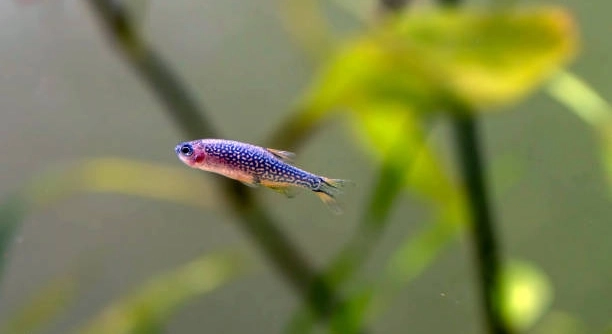
Fry are delicate and require careful attention in their first days of life. Maintaining the right water conditions can make a big difference in their survival and growth. Many beginners underestimate how much water matters.
The seven water parameters that are most critical for fry include temperature, pH, ammonia levels, nitrite levels, nitrate levels, hardness, and oxygen concentration. Monitoring and maintaining these factors ensures healthy development and minimizes stress-related mortality in young fish.
Proper care and understanding of these parameters can prevent common issues. Knowing the essentials will help you provide a safe and nurturing environment for your fry.
Temperature
Fry are very sensitive to water temperature. Even small fluctuations can slow their growth or make them sick. Most tropical fry do best in water between 75 and 80°F (24–27°C). Consistent warmth supports their metabolism and helps them digest food efficiently. Sudden drops in temperature can shock them and increase vulnerability to disease. Using a reliable heater and a thermometer is essential. It is also important to avoid placing the tank in direct sunlight or near drafts, which can create temperature swings. Even during water changes, making sure the new water matches the tank’s temperature prevents stress. Fry have weaker immune systems than adult fish, so maintaining steady warmth is a simple but crucial step in their care. Observing them closely during the first weeks can help you notice if temperature changes are affecting their activity or appetite. A stable environment keeps fry healthy and growing at a steady rate.
Keeping water temperature stable is essential for fry health, growth, and survival. Sudden shifts in temperature can quickly stress fry, causing illness or stunted development. Consistency is key.
Temperature management also affects oxygen levels in water. Warmer water holds less oxygen, so slightly cooler water may help in crowded tanks. Using a thermometer daily ensures stability, while gradual adjustments prevent shock. Fry often cluster in warmer areas when the water is uneven, which can lead to aggression or uneven feeding. Even small tanks benefit from heaters with built-in thermostats. Monitoring behavior, such as lethargy or gasping at the surface, can indicate temperature problems. Maintaining proper warmth alongside clean water keeps fry active, feeding regularly, and developing strong immune systems, making temperature one of the most important factors in their early care.
pH
Fry thrive best in slightly acidic to neutral water, usually around 6.5 to 7.5. Sudden changes in pH can be harmful. Monitoring levels regularly helps maintain a safe environment.
pH directly impacts fry metabolism and overall health. Too high or too low can reduce growth, increase stress, and make them more prone to disease. Maintaining a stable pH supports proper feeding and immune function. Using buffers or naturally pH-stable water sources reduces risks of sudden fluctuations. Avoid adding chemicals that drastically alter water conditions, especially during their first weeks. A consistent pH level allows fry to grow steadily and strengthens their resilience. Even small pH shifts can be noticed in fry behavior; they may become less active or hide more. A well-chosen substrate and plants can help stabilize pH naturally. Regular testing combined with small, gradual corrections ensures that fry remain in a safe and comfortable environment, helping them reach maturity without unnecessary stress or setbacks.
Ammonia Levels
Ammonia is extremely toxic to fry, even at low concentrations. Regular testing and partial water changes help keep ammonia near zero. Uneaten food and waste are primary sources, so removing debris daily is essential.
High ammonia weakens fry and damages gills, making them more prone to disease. In small tanks, ammonia can rise quickly if feeding is excessive or filtration is insufficient. Using a sponge filter or gentle filtration system helps reduce buildup. Avoid overstocking; too many fry in a small tank increases ammonia levels rapidly. Feeding small amounts multiple times a day prevents leftover food from decaying and producing ammonia. Conditioning tap water with a detoxifier before adding it to the tank can neutralize any ammonia present, protecting delicate fry. Maintaining stable ammonia-free water is one of the most effective ways to ensure healthy development.
Observing fry behavior is crucial for detecting ammonia problems early. Gasps at the surface, sluggish movement, or clamped fins often indicate stress from poor water quality. Acting quickly with partial water changes and checking filtration can prevent serious harm. Keeping ammonia low consistently allows fry to grow steadily without unnecessary stress or slowed development.
Nitrite Levels
Nitrite is highly toxic to fry and can build up quickly in new tanks. Testing water several times a week is necessary to avoid dangerous spikes. Small partial water changes help reduce nitrite accumulation effectively.
Nitrite interferes with oxygen transport in fry, causing rapid stress and poor growth. Even moderate levels can be harmful over time. Biological filtration and regular water monitoring are key to controlling nitrite. Adding live plants can help absorb some nitrites naturally, but it should not replace consistent maintenance. Feeding carefully and removing uneaten food minimizes nitrite production. Cycling a tank before adding fry reduces the risk of high nitrite levels. Using water conditioners designed for nitrite can offer temporary protection while long-term measures take effect. Stable nitrite levels create a safer environment and reduce mortality in young fish.
Keeping nitrite levels in check ensures fry are active, healthy, and feeding well. Fry often show early signs of stress like gasping or lethargy when nitrite rises. Preventive care and consistent maintenance minimize these risks. Monitoring weekly, adjusting feeding, and maintaining filtration will keep nitrite levels safe and support healthy growth.
Nitrate Levels
Even though nitrate is less toxic than ammonia or nitrite, high levels can stress fry and slow growth. Regular water changes keep nitrate under control. Avoid overfeeding, as leftover food contributes to nitrate buildup.
Keeping nitrate low supports healthy fry development. Plants can absorb some nitrate naturally, but consistent maintenance is necessary. Monitoring levels weekly helps prevent long-term issues, ensuring fry remain active and resistant to disease.
Water Hardness
Water hardness affects mineral availability for fry, influencing growth and bone development. Both soft and hard water have advantages depending on species. Maintaining moderate hardness is safest for most tropical fry. Proper testing ensures the water meets species-specific needs.
Oxygen Concentration
Fry require well-oxygenated water to thrive. Gentle aeration improves oxygen levels without stressing them. Surface movement from filters or air stones helps maintain sufficient oxygen for active growth.
FAQ
What is the ideal temperature for fry?
Most tropical fry grow best between 75 and 80°F (24–27°C). Consistency is more important than hitting an exact number. Sudden temperature changes can stress fry, slow growth, or increase susceptibility to disease. Using a reliable heater and thermometer helps maintain steady warmth.
How often should I test water for ammonia and nitrites?
Testing at least two to three times a week is recommended during the first few weeks. Fry are very sensitive to these toxins, and even small increases can cause stress or illness. Partial water changes can quickly correct spikes before they become dangerous.
What pH level is safest for fry?
A slightly acidic to neutral pH, around 6.5 to 7.5, suits most tropical species. Maintaining stable pH prevents stress, supports metabolism, and ensures fry feed normally. Sudden shifts in pH are more dangerous than small differences within the safe range.
How can I control nitrate levels?
Regular partial water changes are the easiest way to keep nitrate low. Avoid overfeeding and remove uneaten food quickly, as decaying matter produces nitrate. Live plants can absorb some nitrate naturally, but they do not replace maintenance.
Why is water hardness important?
Water hardness affects mineral availability needed for proper growth and bone development. Moderate hardness works for most tropical fry. Testing the water ensures it is not too soft or too hard for your specific species, reducing developmental issues.
How do I maintain oxygen levels for fry?
Gentle aeration using air stones or a sponge filter increases oxygen without stressing fry. Surface movement helps oxygenate water naturally. Proper oxygen ensures fry stay active, feed well, and develop a strong immune system during their early days.
Can I use tap water for fry?
Tap water is fine if properly treated. Using a water conditioner removes chlorine, chloramine, and detoxifies metals. Matching the temperature and hardness of the tank water before adding new water prevents stress for the fry.
How often should I perform water changes?
Small, frequent water changes are better than occasional large ones. Changing 10–20% of water every other day helps maintain stable ammonia, nitrite, nitrate, and pH levels. Consistency prevents sudden spikes and keeps fry healthy.
How do I notice early signs of water stress?
Fry may gasp at the surface, become lethargic, or feed less if water quality is poor. Observing behavior daily helps catch problems early. Immediate partial water changes and checking filtration can correct many issues before they become serious.
What filtration is best for fry tanks?
Sponge filters or gentle hang-on-back filters work well. They provide biological filtration without strong currents that can harm delicate fry. Filtration reduces ammonia and nitrites, keeps water clear, and supports long-term water stability.
How do I balance all seven water parameters together?
Balancing temperature, pH, ammonia, nitrite, nitrate, hardness, and oxygen requires testing, consistent water changes, and gentle filtration. Avoid overfeeding, use water conditioners, and monitor fry behavior. Maintaining stability is more important than hitting exact numbers for every parameter.
Can fry survive minor mistakes in water quality?
Fry can tolerate very small deviations for short periods, but repeated or extreme fluctuations can cause stress, slowed growth, or death. Observing them and acting quickly when problems arise prevents long-term damage. Prevention is always easier than recovery.
Are live plants helpful in fry tanks?
Live plants can absorb nitrates, provide hiding spots, and reduce stress for fry. They do not replace regular water changes or testing, but they create a more stable and comfortable environment, supporting healthy development during the critical first weeks.
How long should I focus on water quality for fry?
The first few weeks are most critical. Fry are highly sensitive during early development, so careful monitoring and maintenance during this period greatly improve survival rates and overall growth. After this stage, they become more resilient but still benefit from stable water conditions.
Can overcrowding affect water parameters?
Yes, too many fry in one tank increases ammonia and nitrite quickly, reduces oxygen, and raises stress. Maintaining proper density ensures water quality stays manageable and fry grow uniformly without unnecessary competition or stress.
What tools help manage water quality effectively?
Reliable thermometers, pH meters, ammonia/nitrite/nitrate test kits, and gentle filters are essential. Water conditioners, small nets, and siphons also make maintenance easier. Regular monitoring with these tools simplifies care and prevents surprises.
How often should I clean the tank without stressing fry?
Remove visible waste daily and perform partial water changes as needed. Avoid deep cleaning or scrubbing substrate too aggressively, as this can stress fry or remove beneficial bacteria. Gentle, frequent maintenance is safer than infrequent major cleaning.
How do I prevent sudden pH swings during water changes?
Match temperature, hardness, and pH of new water with the tank water. Adding small amounts gradually instead of large replacements prevents sudden changes. Using buffers or naturally stable water sources also helps maintain steady pH.
Are chemical additives safe for fry?
Only use products labeled safe for fry. Many treatments for adult fish are too strong for young fry. Always follow instructions and prefer natural solutions like partial water changes, proper filtration, and gentle aeration whenever possible.
How can I track long-term water quality trends?
Keep a small log of daily temperature, pH, ammonia, nitrite, nitrate, and hardness readings. Recording changes helps identify patterns, prevent problems, and adjust care routines before issues affect fry health. This proactive approach reduces stress and improves survival rates over time.
Fry are delicate and require careful attention to thrive. Maintaining stable water conditions is the most important factor in keeping them healthy. Temperature, pH, ammonia, nitrite, nitrate, hardness, and oxygen all play a role in their survival and growth. Ignoring even one of these factors can slow development or increase the risk of illness. Many beginners focus only on feeding or tank decorations, but water quality is far more critical. Monitoring each parameter regularly, performing small water changes, and using gentle filtration are simple steps that make a significant difference in the wellbeing of fry. Consistency is key, and sudden changes in water conditions can cause stress that affects feeding, activity, and immunity. By creating a stable environment, fry can grow steadily and develop the resilience they need to reach adulthood.
It is important to observe fry behavior daily. Changes in movement, feeding habits, or appearance often signal problems in water quality before the damage becomes severe. Fry gasping at the surface, hiding more than usual, or appearing sluggish can indicate low oxygen levels, high ammonia or nitrite, or unsuitable temperature and pH. Reacting quickly with partial water changes or adjustments to filtration and aeration helps prevent long-term harm. Simple tools such as thermometers, test kits, and water conditioners allow you to manage these factors effectively. Even small mistakes in water management can be corrected when noticed early. Over time, observing fry closely also helps develop a better understanding of how each species responds to water conditions, which is valuable knowledge for any fish keeper.
Caring for fry requires patience and attention, but it is a rewarding process. Ensuring that water parameters are balanced and stable not only increases survival rates but also promotes healthy growth and strong immune systems. Overfeeding, overcrowding, or neglecting water quality are common issues that can easily be prevented with regular monitoring. Using gentle filtration, aeration, and properly treated water creates a safe environment where fry can thrive. While it may feel overwhelming at first, focusing on these key aspects step by step simplifies the process. With consistent care and careful observation, fry will have the best chance of reaching maturity, and the effort put into maintaining their water conditions will pay off in the long-term health and activity of your fish.

Hello,
If you enjoy the content that we create, please consider saying a "Thank You!" by leaving a tip.
Every little bit helps us continue crafting quality advice that supports the health, happiness, and well-being of pets around the world, for pets of all shapes, sizes, and species.
We really appreciate the kindness and support that you show us!