
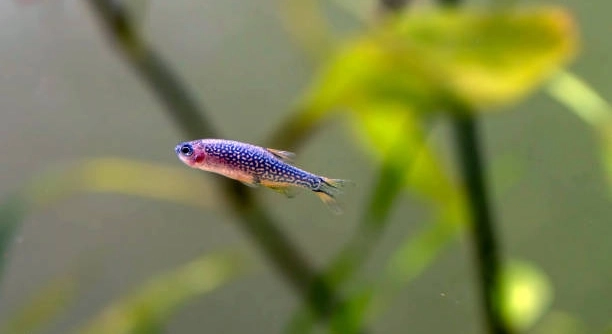
Danios are small, active fish that enjoy exploring their tank. They move quickly and often seem to vanish among plants, rocks, and decorations. Watching them navigate their environment is both calming and fascinating for aquarium owners.
Danios instinctively seek natural hiding spots to reduce stress, avoid predators, and feel secure. Common choices include dense plants, caves, floating vegetation, and overhangs. Providing these environments enhances their well-being and supports their natural behaviors in captivity.
Learning about these favorite hiding spots can improve your aquarium setup. Observing where they feel safe allows you to create a more comfortable and engaging environment.
Dense Plants
Dense plants provide the most natural hiding spaces for danios. They like weaving through tall stems and broad leaves, which gives them a sense of security. Plants such as java fern, hornwort, and water wisteria are perfect because they create thick clusters. Danios will often dart into these areas when they feel nervous or need rest. Besides offering protection, plants improve water quality by absorbing nitrates and producing oxygen. Placing plants in corners and along the tank sides allows danios to move freely while still having access to cover. Floating plants can also add shaded areas, reducing stress for the fish. Over time, you may notice danios preferring specific plants, highlighting their instinct to seek out safer spaces. Observing these habits can help you arrange your tank in a way that meets their natural behavior. Overall, healthy plants benefit both your fish and the aquarium ecosystem.
Dense plant clusters give danios security and a place to rest or hide from sudden movements in the tank.
Adding dense plants creates varied textures and layers in your aquarium. Danios enjoy moving through the foliage, exploring gaps between leaves, and resting in shaded spots. This setup reduces stress, encourages natural swimming patterns, and can even improve breeding conditions. Choosing plants with different heights and leaf shapes creates multiple zones, making the tank feel more dynamic. Floating plants filter sunlight and offer extra cover, giving danios control over where they feel safe. Regular trimming ensures plants remain healthy and dense enough to serve as proper hiding areas. Over time, you will notice fish using the same spots repeatedly, showing their comfort in the environment. A combination of rooted and floating plants provides both vertical and horizontal spaces for exploration. This approach not only supports their instinctive behaviors but also enhances the overall visual appeal of your aquarium, making it a lively and natural habitat.
Caves and Decorations
Caves and decorations serve as immediate shelters for danios. They often retreat here when startled or during rest periods.
Providing various caves, rocks, and hollow decorations mimics their natural habitat, offering multiple hiding options. Smooth, safe edges prevent injuries, while different sizes accommodate both small and larger danios. These structures can be arranged to form pathways and secluded areas, encouraging exploration. Hiding spots near moderate water flow are ideal, as danios can swim easily while staying protected. Over time, they may show preference for certain caves, reflecting their comfort and territorial behavior. Artificial caves made from resin or ceramic are easy to clean, durable, and safe for long-term use. Incorporating driftwood or natural stones adds more variety, giving your tank a realistic feel. Balancing open swimming areas with plenty of caves ensures danios remain active while always having a secure retreat. Observing which spots they use most helps optimize tank layout for health and stress reduction.
Floating Plants
Floating plants create shaded areas where danios feel secure. They often hover beneath leaves, reducing stress and giving them a sense of control over their environment.
These plants, like duckweed or water lettuce, provide both cover and resting spots. Danios enjoy the dappled light that filters through the leaves, which mimics natural river conditions. Floating plants can also slow down water flow in certain areas, making it easier for fish to navigate. Over time, you may notice them choosing specific spots beneath the foliage, showing their preference for shaded, protected zones. Regular maintenance is important, as overcrowding can limit swimming space and oxygen circulation.
Floating plants also help reduce algae growth by limiting light penetration. They create a calm area for shy or stressed danios, allowing them to explore the tank at their own pace. Their movement adds texture and life, making the tank feel more dynamic and natural, while giving fish multiple options for hiding or resting without feeling confined.
Overhangs and Driftwood
Overhangs and driftwood give danios secure hiding spaces while adding structure to the aquarium. Curved pieces or branches offer shade and small crevices for retreat.
Driftwood is useful because it creates vertical and horizontal hiding areas. Danios often swim underneath overhangs or between branches, which mimics their natural riverside environment. Hardscape arrangements like these also encourage exploration, as fish weave through openings and rest in shaded pockets. The texture and shape of the wood make the environment more stimulating, keeping the fish active and engaged. Driftwood may also release beneficial tannins, slightly lowering pH and softening water, which can improve overall fish health.
Overhangs, rocks, and driftwood combined give danios multiple safe zones. These structures break up open spaces, allowing timid fish to avoid dominant tankmates. Positioning them strategically ensures open swimming areas remain accessible while still offering protection. Observing which areas your danios use most can guide rearrangement or addition of more structures. This setup enhances natural behaviors, reduces stress, and creates an appealing, layered tank aesthetic.
Rock Crevices
Rock crevices give danios narrow spaces to hide and feel secure. They often slip between rocks when startled or during rest periods.
Stacked rocks or small stone formations create natural-looking shelters. Smooth edges prevent injury, and varying sizes allow fish of all ages to find comfortable spots.
Leaf Litter
Leaf litter on the tank bottom offers both cover and foraging opportunities. Danios enjoy darting through the leaves while searching for tiny food particles.
Adding dried leaves, like Indian almond leaves, provides natural hiding spots and releases beneficial tannins into the water. This helps soften the water slightly and creates a calm environment. Leaves also break down slowly, giving danios a textured surface to explore. Positioning leaf litter near plants or decorations encourages fish to use these areas more frequently, enhancing their sense of security while keeping the tank visually natural. Observation shows that danios often return to preferred leaf patches, indicating they feel comfortable and safe there.
Small Plants and Moss
Small plants and moss patches create low-lying cover for danios to rest or hide. They are ideal for timid fish in busy tanks.
FAQ
Why do danios need hiding spots in the aquarium?
Danios are naturally active but can become stressed by sudden movements, bright lights, or more aggressive tankmates. Hiding spots provide a safe retreat, reduce stress levels, and allow fish to rest without feeling exposed. In the wild, they use plants, rocks, and shaded areas for protection, so replicating this in captivity supports their natural behavior. Stress-free fish are healthier, more active, and less prone to disease. Even small shelters, like a few leaves or a single cave, can make a noticeable difference in their comfort and well-being.
Can danios use artificial decorations as hiding spots?
Yes, artificial decorations such as resin caves, hollow logs, or fake plants are excellent options. They provide secure, durable hiding areas without altering water quality. Smooth surfaces prevent injuries, and varying sizes accommodate fish of different ages. Artificial decorations can be arranged to create paths, tunnels, and shaded areas, encouraging natural swimming patterns. While live plants have additional benefits like oxygen production and nitrate absorption, artificial decorations offer flexibility and are easier to maintain. Combining both types creates a more dynamic tank environment that meets both aesthetic and functional needs for danios.
How many hiding spots should I provide for my danios?
The number depends on tank size and the number of fish. A general rule is to provide multiple hiding options for each fish. Dense plants, caves, driftwood, and leaf litter spread throughout the tank ensure everyone has a personal retreat. Overcrowding the tank can reduce open swimming areas, so balance is important. Observing the fish helps identify if hiding spots are sufficient; danios should move freely but have access to secure areas. Providing variety in types and locations of shelters supports natural behavior, reduces competition, and lowers stress levels across all tank inhabitants.
Do hiding spots affect danios’ swimming behavior?
Yes, hiding spots influence movement patterns. Fish feel more confident exploring open areas if they know safe retreats are nearby. Without adequate cover, danios may remain near the surface or corners, limiting natural swimming behavior. Structures like plants, caves, and driftwood create pathways and shaded areas, encouraging exploration. Fish use hiding spots during rest or stress but return to open swimming zones when they feel safe. A balanced tank layout ensures they have both secure and open areas, promoting activity, exercise, and mental stimulation while reducing the risk of stress-related issues or aggression among tankmates.
Can hiding spots help during breeding?
Absolutely. Danios often seek secluded areas to lay eggs or protect fry. Dense plants, leaf litter, and caves provide privacy and reduce disturbances from other fish. These sheltered zones increase the chances of successful spawning and protect eggs from being eaten. Observing preferred areas can help replicate natural breeding conditions. Providing multiple options ensures both parents and fry have safe spaces. Over time, you may notice consistent use of certain spots during breeding periods. This natural behavior highlights the importance of hiding areas not just for daily comfort but also for reproductive success.
How should I maintain hiding spots?
Regular cleaning and maintenance are essential to prevent debris buildup and maintain water quality. Live plants need trimming, while leaf litter and driftwood should be replaced periodically as they decompose. Artificial decorations require gentle scrubbing to remove algae and prevent harmful buildup. Positioning hiding spots away from strong filtration flow helps maintain their integrity. Observing fish behavior during maintenance ensures minimal stress, as sudden removal of all shelters can cause anxiety. Well-maintained hiding spots ensure a safe, comfortable, and natural environment for danios while supporting overall tank health and longevity.
Are some hiding spots better than others?
It depends on the fish’s personality and tank setup. Some danios prefer dense plants, while others like caves or driftwood. Offering variety caters to different needs and provides choice. Over time, fish may show consistent preference, indicating comfort. Combining types of shelters creates a layered environment that supports exploration, resting, and stress reduction. Variety also prevents competition for a single spot and allows timid fish to avoid dominant tankmates. The best setup balances natural elements, artificial decorations, and open swimming space, creating a healthy, stimulating environment that keeps danios active, confident, and secure.
Can hiding spots prevent aggression among tankmates?
Yes, they reduce conflicts. Multiple shelters give timid fish a place to escape and avoid dominant or aggressive individuals. When fish have access to personal retreats, chasing and bullying decrease. Proper spacing of hiding spots and open areas ensures all fish can swim freely without constant confrontation. Observing interactions helps identify if additional shelters are needed. By providing enough hiding options, you promote harmony, reduce stress, and create a balanced community tank where all fish can thrive, interact naturally, and express their behaviors without fear or tension.
Final Thoughts
Creating a comfortable environment for danios requires attention to their natural behaviors and needs. Hiding spots are not just decorative; they play a crucial role in the health and happiness of your fish. Danios are active, social, and curious, but they also have instincts that make them seek shelter when stressed, resting, or avoiding other tankmates. By providing a variety of natural hiding spaces such as dense plants, caves, driftwood, leaf litter, and floating vegetation, you give them the opportunity to feel secure while exploring their environment. Observing how they use these spaces can help you understand their preferences and adjust the tank layout accordingly. Over time, you may notice patterns, like certain fish favoring specific plants or caves. These choices are an indicator of comfort and can help guide future additions or changes to your aquarium. A well-thought-out layout balances open swimming areas with secure spots, ensuring all fish feel safe while remaining active.
Maintenance is an important part of keeping hiding spots effective. Live plants require trimming to remain dense and healthy, while leaf litter, driftwood, and artificial decorations need regular cleaning to prevent buildup of debris or algae. Over time, some materials may decompose or shift, so periodic replacement or repositioning keeps the tank safe and visually appealing. Ensuring that hiding spots are stable and free from sharp edges prevents injuries. Placement also matters—having shelters near moderate water flow allows danios to use them comfortably without feeling trapped. Floating plants should be monitored to avoid blocking too much light, while rock formations and caves should have smooth, stable surfaces. By keeping these areas well-maintained, you support both the physical and mental well-being of your danios, allowing them to thrive in a secure, stimulating environment.
Providing multiple types of hiding spots benefits not only the fish but also the overall aquarium ecosystem. Plants improve water quality by absorbing nutrients and producing oxygen, while driftwood and leaf litter release beneficial tannins that slightly soften water and create calmer conditions. Artificial decorations add structure and visual interest, making it easier to observe natural behaviors. A tank with a variety of shelters encourages exploration, reduces stress, and can even improve breeding success, as danios feel safe to lay eggs and protect fry. Paying attention to how fish interact with these spaces helps you maintain a balanced environment where timid and bold individuals alike can coexist comfortably. Overall, thoughtfully arranged hiding spots create a healthier, more dynamic aquarium, allowing danios to express their natural behaviors while giving you a more engaging and enjoyable tank to watch.

Hello,
If you enjoy the content that we create, please consider saying a "Thank You!" by leaving a tip.
Every little bit helps us continue crafting quality advice that supports the health, happiness, and well-being of pets around the world, for pets of all shapes, sizes, and species.
We really appreciate the kindness and support that you show us!