
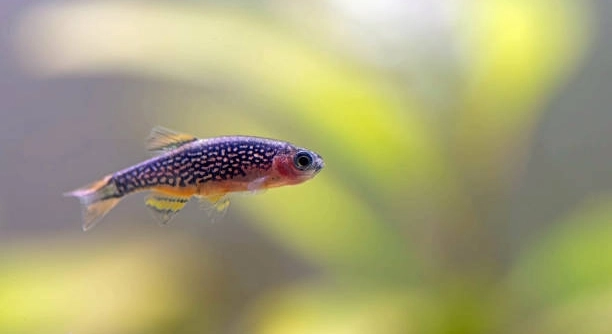
Many aquarium owners enjoy keeping danios for their energetic movements and bright colors. Some of these fish, however, are naturally shy, often hiding or staying near the edges of the tank. Observing their behavior can reveal comfort levels.
Shy behaviors in danios, such as darting behind plants, staying near the tank bottom, or swimming in tight groups, often indicate that the fish feel safe and comfortable in their environment rather than stressed or fearful.
Recognizing these subtle signs helps aquarists ensure a harmonious and healthy tank, supporting the long-term wellbeing of their danios.
Hiding Among Plants
Danios often seek cover among plants when they feel relaxed. Unlike nervous hiding, this behavior shows that they trust the environment. Observing a danio weaving through dense foliage or staying near decorations can indicate comfort. The fish may pause briefly, seeming cautious, but this is part of their natural exploration. By providing plants, both live and artificial, you allow them to feel secure while still being able to move freely. Over time, danios will use these spaces for short rests, and their color and movement will remain vibrant. A tank with plants also reduces stress by offering multiple vantage points and hiding spots, allowing danios to engage with their environment safely. Watching them navigate through these areas demonstrates their curiosity balanced with caution. The gentle swaying of leaves and nearby companions can create a sense of calm that encourages shy fish to interact more confidently.
Plants give danios safe spots, making them more comfortable and reducing stress in the tank.
Providing a variety of plants helps fish develop routines. They may spend mornings exploring certain corners and evenings resting near shaded areas. Dense foliage encourages natural schooling and allows shy danios to interact at their own pace. This behavior supports both mental stimulation and physical activity. The plants also serve as barriers that break sightlines, which can help reduce tension between more active or territorial fish. Fish hiding among plants are not avoiding interaction; they are choosing comfort. Consistent placement of plants lets the danios establish preferred zones, increasing confidence. Observing these areas over time can reveal patterns, such as where the fish gather for food or rest, giving insights into their preferences and habits. Even minimal rearrangement can influence comfort levels, so keeping a stable layout helps maintain calm. Overall, providing a planted environment allows shy danios to thrive, showing that subtle behaviors often reflect contentment rather than fear.
Swimming in Tight Groups
Danios often stay close to each other, forming tight schools when relaxed. This schooling is a natural display of comfort and security.
Staying in groups helps danios feel safe and encourages interaction without stress.
Tight schooling allows danios to communicate subtly through movement and maintain awareness of each other’s positions. In a secure tank, they swim together smoothly, shifting directions in sync and reacting gently to food or changes. This collective behavior is comforting and shows the fish are not threatened by their environment. The proximity also reduces energy spent on scanning for danger, letting them focus on feeding and exploring. Watching a well-coordinated school highlights their social bonds and balance within the group. Shy danios will often adjust their position within the school depending on confidence levels, sometimes moving to the center for protection or exploring near the edges when comfortable. Encouraging group behavior through adequate space, proper lighting, and consistent routines strengthens these patterns. The visual appeal of synchronized swimming also makes it easier to detect deviations in behavior, signaling potential health or comfort issues early. By understanding schooling as a sign of contentment, aquarists can better assess and maintain tank conditions that support both individual and group wellbeing.
Staying Near the Tank Bottom
Shy danios often stay close to the tank bottom, moving slowly among rocks or substrate. This position gives them a sense of security while allowing them to observe the surroundings. Remaining low can indicate comfort rather than fear.
Bottom swimming allows danios to explore safely while feeling protected. They use rocks, sand, or substrate to navigate without exposing themselves to sudden disturbances. This behavior reduces stress and supports natural instincts. Observing fish near the bottom often shows calmer, more deliberate movements, reflecting trust in their environment. It also helps them conserve energy while remaining alert. The fish may occasionally rise to feed or swim mid-level, but returning to the bottom is a normal comfort behavior. Proper substrate and smooth decorations enhance their confidence, giving shy danios a reliable space to move.
When danios stay near the bottom, they are interacting with the environment on their terms. This behavior encourages natural foraging and gentle exploration. Fish that frequently occupy lower levels typically demonstrate relaxed body language and consistent breathing patterns. Substrate texture, available hiding spots, and minimal tank disturbances all contribute to how often danios choose this area. Over time, observing these patterns helps you recognize comfort signals. Bottom swimming is often accompanied by subtle schooling or brief darting between rocks. Understanding this allows aquarists to design the tank for both safety and engagement, ensuring shy danios remain healthy and content.
Gentle Flicking of Fins
Shy danios may flick their fins slowly while swimming, which indicates calm behavior rather than stress. This small, rhythmic motion reflects comfort and balance.
Fins moving gently show that danios are relaxed and confident in their surroundings.
Gentle fin flicking occurs when fish swim steadily without sudden bursts or erratic movements. This controlled motion helps maintain position in the water while signaling contentment. Fish performing this behavior often explore slowly, hover near plants, or interact with tank mates at a measured pace. Unlike rapid flaring or clamped fins caused by stress, these subtle movements are consistent and relaxed. Over time, observing how danios flick their fins can reveal preferences for tank locations, lighting, and companions. This behavior also improves swimming efficiency and supports overall health. By noting these patterns, you can ensure conditions remain favorable, reinforcing calm and confident activity throughout the tank. Maintaining stable water parameters and providing ample swimming space encourages more natural, gentle fin movements, reflecting genuine comfort in shy danios.
Brief Pauses in Movement
Shy danios often pause briefly while swimming, remaining still among plants or decorations. These pauses are not signs of fear but moments of comfort and observation within a familiar environment.
These small stops help danios assess their surroundings and maintain awareness. Pausing in safe spots shows trust in the tank conditions and companions, reflecting a calm and secure state.
Swimming Near the Surface
Shy danios occasionally swim close to the water surface, especially during feeding times. This behavior indicates curiosity and comfort, as they feel safe enough to approach open areas. Swimming near the surface allows them to interact lightly with food without panic, demonstrating relaxed confidence in their environment.
Flicking Toward Tank Mates
Shy danios may flick their fins or tails toward nearby companions while maintaining distance. This subtle signaling is a way to communicate comfort and awareness without aggression.
Why do my danios hide so often?
Shy danios hiding frequently is often a sign of comfort rather than fear. These fish naturally seek shelter among plants, rocks, or decorations to feel secure. Hiding helps them regulate stress, conserve energy, and observe their surroundings safely. If your danios hide occasionally but still swim and eat normally, it shows they are relaxed in their environment.
Is it normal for danios to stay at the bottom of the tank?
Yes, bottom-dwelling behavior is common among shy danios. Staying near the substrate gives them a sense of security while allowing exploration. They can hover, rest, or forage in these areas. Fish that frequently occupy the bottom are often confident in the tank’s layout, demonstrating trust in the space and tank mates.
Why do my danios swim in tight groups?
Tight schooling is a natural comfort behavior. Danios feel safer when close to companions, which reduces stress and helps them coordinate movements. Swimming in a group also supports social interaction without forcing exposure to open areas. Observing their patterns can help you understand their preferred zones in the tank and ensure adequate space.
What does gentle fin flicking mean?
Gentle fin flicking indicates calm and relaxed behavior. Shy danios will move fins slowly while hovering or swimming, showing confidence without aggression. Unlike rapid flaring caused by stress, these subtle motions reflect comfort. Watching how they flick their fins can reveal tank preferences, such as ideal swimming areas, lighting, and interaction with companions.
Why do my danios pause while swimming?
Brief pauses are a normal comfort behavior. Shy danios stop to observe surroundings, assess safety, and plan their next movements. These moments often occur among plants or decorations and indicate trust in the tank environment. Pausing is essential for energy conservation and maintaining awareness without stress.
Is swimming near the surface a good sign?
Swimming near the surface is usually a positive sign of comfort, particularly during feeding. Shy danios feel secure enough to explore upper areas when they are confident. They may approach food slowly, interact with tank mates lightly, and return to plants or the bottom when they feel ready.
How do I know if my danios are comfortable in the tank?
Comfortable danios show subtle behaviors, including hiding among plants without panic, flicking fins gently, pausing strategically, schooling tightly, and exploring both the bottom and surface. Their movements are controlled, body language relaxed, and feeding consistent. Observing these behaviors over time helps you confirm that the environment meets their needs.
Can shy behavior indicate illness?
Not always. While hiding or low swimming may be normal, sudden changes in behavior—like clamped fins, rapid gill movement, or refusal to eat—can indicate health issues. Comparing current behavior to usual patterns is crucial. Consistent subtle behaviors often reflect comfort rather than stress or disease.
How can I encourage shy danios to show comfort behaviors?
Provide plants, rocks, and decorations to create safe zones. Maintain stable water conditions, offer regular feeding schedules, and avoid sudden movements around the tank. Adequate space and compatible companions encourage schooling, gentle exploration, and surface activity. Observing and respecting their natural pace reinforces comfort without forcing interaction.
Do tank mates affect danio comfort?
Yes, companions influence behavior. Peaceful, similar-sized fish support tight schooling and reduce stress. Aggressive or overly active tank mates may trigger hiding or low swimming. Choosing compatible species and observing social interactions ensures shy danios display natural, confident behaviors.
How important is tank layout for shy danios?
Tank layout is critical. Plants, rocks, and hiding spots allow fish to feel secure. Open swimming spaces combined with shaded areas promote exploration while maintaining safety. A thoughtfully arranged tank encourages natural behaviors like schooling, fin flicking, and brief pauses, reflecting a comfortable and healthy environment.
What role does feeding play in comfort behaviors?
Consistent feeding routines encourage surface swimming and exploration. Shy danios gradually approach food sources when confident, signaling comfort. Feeding in calm conditions reduces stress and reinforces positive behaviors, helping them integrate with the tank environment without unnecessary hiding or erratic movements.
Can observing shy behaviors improve tank management?
Absolutely. Watching patterns like bottom-dwelling, schooling, fin flicking, and pauses helps adjust tank layout, companions, and feeding schedules. Understanding these behaviors allows better care, ensuring the fish remain confident, healthy, and comfortable over time.
Shy danios display a variety of subtle behaviors that reflect comfort in their environment. From hiding among plants to schooling tightly with companions, these actions are not signs of fear but indicators that the fish feel secure and safe. Observing your danios carefully can help you distinguish between normal shy behavior and potential stress or health issues. For example, brief pauses while swimming, flicking fins gently, or exploring both the bottom and surface of the tank are all common behaviors that show confidence without aggression. Each fish may have its own patterns, and understanding these nuances allows for better care and a more harmonious tank environment.
Creating a tank that supports these comfort behaviors is essential for the wellbeing of shy danios. Providing a combination of open swimming areas and hiding spots such as plants, rocks, or decorations helps them regulate stress naturally. Consistent feeding schedules and stable water conditions further contribute to a sense of security, encouraging natural exploration and social interaction. Even subtle changes, like rearranging decorations or adding new tank mates, can influence how shy danios behave. Observing how they respond to these changes can help you fine-tune the tank setup to meet their needs. Over time, the fish will establish routines, select preferred zones for resting and swimming, and demonstrate more relaxed body language. Recognizing these signals ensures that your danios remain healthy, active, and comfortable in their environment.
Understanding shy danio behaviors also deepens the connection between aquarist and fish. Paying attention to their movements, schooling patterns, and preferred spots allows you to anticipate their needs and provide an environment that fosters long-term wellbeing. Shy behaviors should not be mistaken for weakness or illness if the fish are feeding, swimming, and interacting normally. By respecting their natural tendencies and providing an environment that balances safety with opportunity for exploration, you create a tank where shy danios can thrive. Monitoring these behaviors regularly helps prevent potential stressors and supports both physical and mental health. Overall, recognizing and encouraging comfort behaviors in shy danios leads to a more vibrant, balanced aquarium where the fish feel secure and confident, making their subtle movements a reliable indicator of contentment.

Hello,
If you enjoy the content that we create, please consider saying a "Thank You!" by leaving a tip.
Every little bit helps us continue crafting quality advice that supports the health, happiness, and well-being of pets around the world, for pets of all shapes, sizes, and species.
We really appreciate the kindness and support that you show us!