
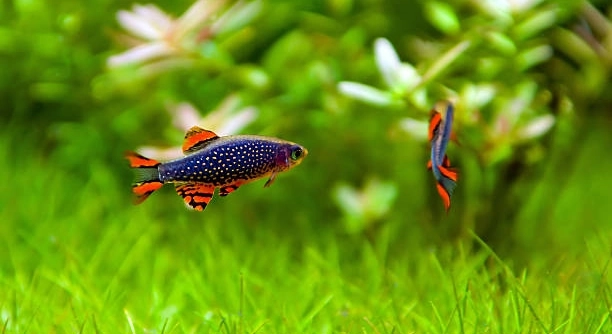
Breeding in animals is affected by many elements throughout the year, from changes in temperature to shifts in daylight. These seasonal changes naturally influence the reproductive cycles and behaviors observed in various species. Understanding these patterns is essential for care.
Seasonal factors play a significant role in breeding by regulating hormonal cycles, mating behaviors, and reproductive success. Temperature, daylight length, food availability, and environmental stability are key components that directly influence when and how animals reproduce effectively.
Recognizing these influences can help improve breeding outcomes and animal welfare throughout the year, providing a better understanding of natural reproductive rhythms.
Temperature Changes
Temperature shifts can greatly influence breeding behaviors in animals. Many species rely on warm or cold periods to trigger reproductive cycles. For instance, reptiles often require a rise in ambient temperature to become reproductively active, while some mammals may wait for cooler months to mate. These temperature cues help ensure offspring are born when environmental conditions are favorable for survival. Temperature also affects metabolism and hormonal activity, which are essential for successful reproduction. Outdoor and captive animals alike respond to these seasonal temperature variations, and understanding them can improve care and management. Keeping track of seasonal temperatures and adjusting habitats accordingly supports reproductive health. In some cases, controlled heating or cooling can help induce or prevent breeding when necessary. For species with strict temperature-dependent reproduction, even slight deviations can disrupt cycles. Caretakers who recognize these patterns can plan feeding, shelter, and mating strategies more effectively, ensuring healthier outcomes for both parents and offspring. Temperature is a silent but powerful influence on natural breeding rhythms.
Temperature plays a key role in reproductive timing, affecting hormones, metabolism, and mating behaviors across many species in consistent patterns.
Monitoring temperature variations and adjusting environments helps maintain regular breeding cycles, supporting successful reproduction and healthier offspring throughout the year.
Daylight and Photoperiod
Daylight length influences hormonal changes that control breeding activity in many animals. Longer days often stimulate reproductive hormones, while shorter days can suppress them. Birds, for example, rely heavily on increasing daylight to trigger mating behaviors and egg-laying. Similarly, small mammals may adjust breeding patterns according to seasonal light changes. Photoperiod affects circadian rhythms, feeding patterns, and overall energy levels, which in turn influence readiness to reproduce. Even in controlled environments, light manipulation can simulate seasonal cues to encourage or delay breeding. Understanding these patterns is important for species in captivity or managed breeding programs. Seasonal daylight changes also signal the best times for gestation and offspring survival, ensuring that young are born when resources are abundant. Adjusting artificial lighting or providing natural light exposure can help maintain consistent breeding cycles. Daylight is not just a marker of time but a critical biological signal for reproduction.
Daylight influences reproductive cycles by regulating hormones and signaling optimal breeding periods for various species.
Managing light exposure helps synchronize breeding behaviors, supporting reproductive health and aligning offspring birth with favorable seasonal conditions.
Food Availability
Seasonal food availability directly impacts breeding. Animals often time reproduction when resources are plentiful, ensuring enough nutrition for mothers and offspring. Lack of adequate food can delay mating or reduce litter sizes.
Abundant food supports reproductive health by providing the necessary energy for mating, gestation, and lactation. For many species, high-calorie diets during breeding seasons improve fertility and increase offspring survival. Seasonal variations, such as fruiting periods or insect abundance, often dictate when animals reproduce. Predators also rely on prey availability, aligning their breeding with peak food supply. In captivity, adjusting feeding schedules and diet composition according to natural cycles can help maintain healthy reproductive patterns. Nutritional stress can suppress hormone production, reduce mating behaviors, and negatively affect offspring development. Monitoring seasonal food sources ensures animals are prepared for successful breeding and reduces the risk of malnourishment during critical reproductive stages.
In some cases, breeding cycles are tightly linked to specific food sources. Migratory birds and herbivores, for example, time reproduction to coincide with peak vegetation or insect availability, maximizing survival chances. Seasonal diet shifts can trigger hormonal changes that signal reproductive readiness. For species with narrow dietary needs, even minor shortages can impact fertility and offspring growth. Observing natural food patterns and supplementing when necessary ensures consistent breeding outcomes. Animals that experience consistent, seasonal food availability are more likely to reproduce successfully, maintain healthy body condition, and produce viable offspring. Timing and nutrition work together to support natural reproductive strategies.
Rainfall and Moisture
Rainfall patterns influence breeding in many species by affecting habitat conditions and food supply. Wet seasons often trigger mating activity, while dry periods may suppress reproduction. Moist environments also provide safer nesting and gestation conditions.
Rainfall affects breeding by changing water availability, vegetation growth, and prey populations. Amphibians, for instance, often lay eggs in response to rainfall that creates temporary ponds. Similarly, many mammals synchronize births with wet seasons to ensure adequate water and plant resources. Soil moisture also impacts nesting behaviors and the survival of eggs or young. Insects and other small creatures that emerge after rain provide additional food for breeding animals. Managing water sources in captive or managed environments can simulate natural rainfall cues, promoting regular reproductive cycles. Animals are highly sensitive to these changes, and timing reproduction with rainy periods enhances offspring survival and reduces environmental stress. Seasonal precipitation is a crucial ecological factor that shapes reproductive strategies and ensures continuity of species.
Shelter and Habitat Conditions
Safe and suitable shelter is essential for breeding. Animals often select nesting or den sites that protect offspring from predators and harsh weather.
Habitat stability influences mating behaviors and reproductive success. Animals need secure locations to rest, give birth, and raise young. Seasonal changes can alter available shelter, affecting breeding timing.
Social and Population Dynamics
Population density and social structures affect reproduction. High competition or overcrowding can reduce mating opportunities, while balanced social environments encourage successful breeding.
Predation Pressure
Predation risk influences breeding timing and location. Animals often reproduce when threats are lower, ensuring higher survival rates for their offspring.
Environmental Stressors
Environmental stress, such as pollution or extreme weather, can impact fertility. Stressful conditions often delay or reduce reproductive activity in animals.
FAQ
What are seasonal factors in breeding?
Seasonal factors are natural changes in the environment that influence when and how animals reproduce. These include temperature, daylight, food availability, rainfall, shelter, social dynamics, and environmental stressors. Animals have evolved to respond to these cues, ensuring offspring are born when survival chances are highest.
How does temperature affect breeding?
Temperature regulates hormonal activity and metabolism, which are critical for reproduction. Warm or cold periods can trigger mating behaviors or delay breeding. Reptiles, birds, and mammals often rely on specific temperature ranges to initiate reproductive cycles. Controlled temperature adjustments in captivity can help maintain regular breeding patterns.
Why is daylight important for reproduction?
Daylight length signals hormonal changes that control breeding activity. Longer days often increase reproductive hormones, while shorter days may suppress them. Birds, small mammals, and other species use photoperiod cues to time mating and offspring birth for optimal resource availability.
How does food availability influence reproduction?
Animals time breeding when food is plentiful to support energy-intensive processes like mating, gestation, and lactation. Scarce resources can delay mating, reduce litter sizes, or impact offspring survival. Seasonal changes in plants, insects, or prey directly affect reproductive timing in both wild and captive species.
What role does rainfall play in breeding?
Rainfall affects water availability, vegetation growth, and prey populations, which in turn influence reproduction. Amphibians often breed in temporary ponds formed by rain, and many mammals align births with wet seasons to ensure sufficient food and water for offspring. Moist environments also improve nesting success.
Why is shelter important for breeding?
Safe shelter protects offspring from predators and harsh conditions. Animals choose nesting sites, dens, or burrows that provide security. Seasonal habitat changes can influence the availability of these sites, affecting reproductive timing and success.
How do social dynamics affect reproduction?
Population density, social hierarchies, and competition can influence mating opportunities. Overcrowding or dominance disputes may reduce breeding, while balanced social environments encourage reproduction. Social structures can also determine which individuals successfully mate and raise offspring.
Can predation pressure influence breeding timing?
Yes, animals often reproduce when predation risk is lower to improve offspring survival. High predation areas may delay mating, shift nesting locations, or alter reproductive strategies to protect young. Timing and site selection are key to avoiding threats.
What impact do environmental stressors have on reproduction?
Stressful conditions, including extreme weather, pollution, or habitat destruction, can reduce fertility or delay mating. Chronic stress affects hormone levels, disrupts normal reproductive cycles, and can lower offspring survival rates. Maintaining stable, low-stress environments helps support healthy breeding.
How can understanding seasonal factors help in breeding management?
Recognizing how temperature, light, food, rainfall, shelter, social dynamics, and stress affect reproduction allows better planning in both wild and captive populations. Adjusting environments, feeding schedules, or social settings can improve reproductive outcomes and ensure healthier, more viable offspring.
Are all animals affected the same way by seasonal factors?
No, different species respond to seasonal cues in unique ways. Reptiles may rely heavily on temperature, birds on daylight, and amphibians on rainfall. Even within species, local climates and habitats can alter reproductive patterns, making observation and adaptation important.
Can humans manipulate seasonal factors for breeding purposes?
Yes, in controlled settings, humans can simulate environmental conditions such as light, temperature, and food availability to encourage or regulate breeding. This is commonly used in zoos, aquariums, and breeding programs to maintain healthy populations year-round.
What are the consequences of ignoring seasonal factors in breeding?
Ignoring these cues can lead to failed reproduction, poor offspring survival, and health problems for parents. Animals may mate at suboptimal times, experience stress, or lack necessary resources, reducing overall reproductive success and potentially impacting population stability.
How do seasonal factors interact with each other?
These factors are interconnected. For example, rainfall affects food availability, which in turn influences breeding readiness. Daylight and temperature can synchronize reproductive hormones, while social dynamics may amplify or suppress these effects. A holistic understanding of all factors is essential for effective breeding management.
Can seasonal factors affect captive animals differently than wild animals?
Yes, captive animals may experience altered or artificial conditions that disrupt natural breeding cycles. Controlled temperature, light, and food can simulate seasonal cues, but failure to mimic natural patterns may lead to irregular reproduction, stress, or reduced offspring viability.
Is it possible to predict the best breeding times using seasonal factors?
By observing patterns in temperature, daylight, food, rainfall, and other cues, it is possible to anticipate when animals are most likely to breed. This allows caretakers or researchers to optimize conditions for successful mating and healthier offspring production.
Do seasonal factors affect male and female animals equally?
Both sexes respond to environmental cues, but their roles may differ. Males often show increased mating behaviors during optimal conditions, while females time ovulation, gestation, or egg-laying to align with resource availability. Successful reproduction requires coordination between both sexes.
How long do seasonal factors influence breeding cycles?
The duration varies by species and location. Some animals respond to short-term changes, like a few days of rain, while others rely on longer seasonal patterns, such as temperature shifts over months. Understanding the timeline helps in predicting and supporting reproductive events.
Can climate change alter the influence of seasonal factors?
Yes, changing climate patterns can shift temperature, rainfall, and food availability, disrupting established breeding cycles. Animals may experience mismatched timing, reduced offspring survival, or the need to adapt to new environmental cues, impacting long-term population health.
What practical steps can caretakers take to support breeding considering seasonal factors?
Caretakers can adjust lighting, temperature, feeding schedules, and shelter availability to mimic natural seasonal changes. Monitoring social dynamics and reducing stressors also supports reproductive success. Careful observation and timely interventions improve breeding outcomes in managed populations.
How do seasonal factors affect migratory species differently?
Migratory species rely on seasonal cues to time reproduction with migration and resource peaks. Breeding often occurs in specific locations where food and shelter are abundant during a short period, making timing critical for offspring survival. Careful understanding of these patterns is essential for management.
Can animals adapt if seasonal cues change?
Some animals can adjust gradually to new conditions, but rapid or extreme changes may disrupt breeding. Adaptation depends on species flexibility, habitat stability, and the availability of critical resources like food and shelter during reproductive periods.
Are seasonal factors the same for domesticated animals as wild animals?
Domesticated animals may respond similarly but often experience less variation due to controlled environments. Breeding can be managed year-round with artificial light, temperature regulation, and consistent food, though natural instincts may still influence behavior.
Why is it important to study seasonal factors in breeding?
Understanding these factors helps improve reproductive success, offspring survival, and overall species health. It informs wildlife management, conservation programs, and captive breeding efforts, ensuring populations remain sustainable and resilient to environmental changes.
Can seasonal factors influence litter size or number of offspring?
Yes, optimal conditions often result in larger litters or more successful egg-laying events. Poor environmental conditions can reduce litter size or cause breeding attempts to fail, demonstrating the critical link between seasons and reproductive output.
How do caretakers monitor seasonal cues effectively?
Monitoring involves tracking temperature, daylight, rainfall, food supply, social interactions, and stress indicators. Detailed observation and record-keeping allow timely adjustments to environments and care routines, improving the chances of successful reproduction in both captive and semi-wild populations.
What is the overall impact of seasonal factors on reproductive success?
Seasonal factors directly affect hormone regulation, mating behaviors, offspring survival, and overall population health. Aligning reproductive efforts with favorable environmental conditions ensures healthier animals and more consistent breeding outcomes, supporting both natural and managed populations.
Can seasonal factors be combined with other management strategies?
Yes, combining seasonal awareness with nutrition, habitat enrichment, health monitoring, and social management creates a holistic approach. This enhances reproductive success, reduces stress, and ensures the well-being of both adults and offspring in managed environments.
How quickly do animals respond to changes in seasonal factors?
Response times vary. Some species react immediately to temperature, light, or rainfall changes, while others follow longer-term seasonal patterns. Understanding species-specific responses helps caretakers plan breeding support and adjust conditions at the right time.
Are there exceptions to seasonal breeding patterns?
Some animals breed year-round if conditions remain stable, especially in captivity or tropical regions with minimal seasonal variation. However, most species still rely on environmental cues to optimize reproduction, highlighting the importance of seasonal factors in natural cycles.
Can human activity interfere with seasonal breeding factors?
Yes, urbanization, climate change, pollution, and habitat disruption can alter temperature, food availability, and light exposure. These changes may delay or reduce reproductive success, requiring careful management in wildlife and captive populations to mitigate negative effects.
Do all animals respond to seasonal factors the same way every year?
No, yearly variations in weather, food supply, or social dynamics can shift breeding timing and success. Even subtle changes in environmental cues may alter reproductive patterns, emphasizing the need for consistent observation and adaptation.
How do seasonal factors influence offspring survival?
By timing reproduction with favorable environmental conditions, animals increase the chances that offspring have enough food, shelter, and protection. Misalignment with seasons can lead to lower survival rates, demonstrating the critical link between seasonal factors and reproductive success.
Can seasonal factors affect breeding hormones directly?
Yes, temperature, daylight, and food availability all influence hormone production. These hormonal changes control mating behavior, fertility, and gestation, making environmental cues essential for proper reproductive function.
What are practical signs that seasonal factors are influencing breeding?
Signs include increased mating behaviors, nest building, hormonal changes, synchronized births, and shifts in activity levels. Observing these patterns allows caretakers and researchers to anticipate breeding events and make necessary adjustments to care or environment.
How can understanding seasonal factors improve conservation efforts?
By recognizing how environmental cues affect reproduction, conservationists can plan habitat protection, breeding programs, and reintroduction efforts. Supporting natural breeding cycles helps maintain healthy populations and ensures species survival in changing environments.
Do seasonal factors influence all stages of reproduction?
Yes, they affect mate selection, mating behaviors, gestation, nesting, and offspring care. Each stage relies on optimal environmental conditions to maximize survival and reproductive success, making seasonal factors central to reproductive biology.
Can altering seasonal factors artificially harm animals?
Improper manipulation of light, temperature, or food can stress animals, disrupt hormonal cycles, or reduce reproductive success. Careful, gradual adjustments that mimic natural patterns are essential to avoid negative impacts while supporting breeding.
Are there species that ignore seasonal cues completely?
Some tropical or highly adaptable species breed continuously regardless of seasonal changes. However, these are exceptions, and most animals still rely on environmental signals to ensure offspring survival and reproductive efficiency.
What is the long-term importance of seasonal factors in breeding?
They help maintain population stability, synchronize reproductive cycles, and ensure offspring survival. Understanding these factors supports effective management, conservation, and captive breeding programs, securing healthy populations over time.
Can seasonal factors be studied in captivity?
Yes, controlled environments allow researchers to isolate and observe the effects of light, temperature, food, and social conditions. This helps develop strategies to support breeding and improve overall animal health.
How does seasonal breeding affect genetic diversity?
Timing reproduction to favorable conditions increases offspring survival, promoting stronger, healthier populations. Maintaining natural seasonal cycles in managed breeding supports genetic diversity by allowing multiple individuals to reproduce successfully.
Are seasonal factors more important for some species than others?
Yes, species with strict environmental requirements rely heavily on seasonal cues. Birds, amphibians, reptiles, and some mammals often have tightly synchronized breeding periods, whereas adaptable species may be less affected.
Can monitoring seasonal factors prevent reproductive failures?
Yes, careful observation of temperature, light, food, and habitat allows timely interventions to support mating and gestation. Anticipating seasonal influences helps reduce failed pregnancies, poor offspring health, or missed breeding opportunities.
What is the best way to study seasonal factors in the wild?
Researchers track environmental changes alongside animal behavior and reproductive cycles. Monitoring temperature, rainfall, daylight, food supply, and habitat conditions provides insight into how seasonal factors influence breeding patterns naturally.
Do seasonal factors influence migratory patterns related to breeding?
Yes, many migratory species time breeding to coincide with arrival at resource-rich locations. Seasonal cues signal when to migrate, mate, and produce offspring, ensuring that young are born when conditions are optimal for survival.
Can seasonal factors explain why some breeding seasons fail?
Failed breeding often occurs when temperature, food, or shelter conditions are unfavorable. Mismatched timing can lead to low fertility, poor offspring survival, or increased predation, highlighting the importance of seasonal factors in successful reproduction.
How can understanding seasonal factors improve animal welfare?
By aligning care with natural environmental cues, animals experience reduced stress, healthier reproductive cycles, and better offspring survival. Knowledge of these factors supports well-being, proper nutrition, and suitable habitats for both captive and wild populations.
Are seasonal factors consistent globally?
No, they vary by region and climate. Tropical species may experience minimal seasonal changes, while temperate or polar species have pronounced cycles that strongly influence breeding. Regional differences must be considered in breeding management.
Do seasonal factors influence both natural and assisted breeding?
Yes, natural cycles dictate mating readiness, while assisted breeding programs often replicate seasonal cues to optimize fertility, gestation, and offspring survival. Artificial manipulation mimics these factors to improve success rates.
How can caretakers simulate seasonal factors safely?
Gradual adjustments to lighting, temperature, food supply, and shelter can replicate natural cues. Monitoring animal responses ensures reproduction occurs without causing stress or disrupting normal behavior. Proper simulation supports consistent, healthy breeding outcomes.
Can seasonal factors be used to predict population growth?
Yes, understanding how reproduction aligns with environmental changes helps estimate breeding success and offspring survival. Seasonal patterns provide insights into population trends and long-term species viability.
Are seasonal factors equally important for all reproductive strategies?
No, species with multiple breeding cycles per year may be less influenced, while single-season breeders rely heavily on environmental cues. Timing remains critical for offspring survival and overall reproductive efficiency.
What are common mistakes in managing seasonal factors?
Overlooking light, temperature, or food changes, introducing stress, or altering habitat too quickly can disrupt breeding. Careful observation and gradual adjustments are necessary to support reproductive health and avoid negative outcomes.
Do seasonal factors affect mating rituals?
Yes, environmental cues trigger courtship behaviors, displays, and mate selection. Timing rituals with optimal conditions increases reproductive success and ensures offspring are born under favorable circumstances.
Can seasonal factors influence hormonal cycles directly?
Yes, changes in light, temperature, and nutrition impact hormone production. These hormones regulate ovulation, mating behaviors, and gestation, making seasonal cues essential for healthy reproduction.
Are there ways to enhance breeding success using seasonal knowledge?
Yes, aligning care, feeding, light exposure, and habitat conditions with natural seasonal patterns improves reproductive outcomes. Monitoring and adjusting these factors supports healthier adults and higher offspring survival.
Can seasonal factors affect long-term population dynamics?
Yes, consistent timing of reproduction ensures stable population growth and resilience. Disruptions to seasonal cues can lead to population declines, reduced genetic diversity, or higher mortality rates.
How do seasonal factors interact with human interventions in breeding?
Human interventions like controlled lighting, temperature, and feeding can complement natural cues, enhancing reproduction. Properly timed adjustments support fertility and offspring survival without overriding instinctive behaviors.
Are seasonal factors more critical for certain habitats?
Yes, extreme or highly variable habitats make reproduction highly dependent on timing and environmental conditions. In stable tropical habitats, animals may be less restricted, but seasonal cues still provide advantages for offspring survival.
Can monitoring seasonal factors improve conservation breeding programs?
Absolutely, observing environmental cues helps optimize mating, gestation, and rearing conditions. Aligning breeding with natural seasonal patterns supports healthier populations and more successful conservation efforts.
How quickly do seasonal factors influence reproduction?
Some species respond immediately to changes in light or temperature, while others follow longer seasonal cycles. Response speed depends on species, habitat, and environmental conditions.
Do all animals follow the same seasonal cues?
No, species respond to different combinations of temperature, daylight, food, rainfall, and shelter. Understanding species-specific cues is essential for effective breeding management.
Can seasonal factors be disrupted by human activity?
Yes, urbanization, climate change, and pollution can alter light, temperature, and food availability, affecting reproductive timing and success in both wild and captive populations.
Do seasonal factors influence the number of breeding cycles?
Yes, favorable conditions may allow multiple cycles, while poor conditions can limit reproduction to a single season. Timing affects fertility, litter size, and offspring survival.
Can artificial environments mimic seasonal cues effectively?
Yes, gradual adjustments in light, temperature, and food can replicate natural conditions. Careful monitoring ensures animals respond positively, supporting reproduction without causing stress.
How can understanding seasonal factors reduce reproductive stress?
Providing environments that align with natural cues minimizes stress, encourages normal mating behaviors, and improves gestation and offspring care, promoting overall reproductive health.
Are seasonal factors the same for male and female reproductive cycles?
They influence both sexes, though effects differ. Males show increased mating activity, while females time ovulation and gestation to match resource availability, ensuring coordination for successful reproduction.
Do seasonal factors affect migratory species differently?
Yes, these species synchronize breeding with arrival at resource-rich locations. Timing is critical to ensure offspring have access to sufficient food, water, and shelter for survival.
Can seasonal factors be adjusted to improve litter health?
Yes, aligning temperature, light, food, and shelter with natural cycles improves fertility, gestation outcomes, and offspring viability, ensuring healthier litters.
Are there species that ignore seasonal factors completely?
A few tropical or highly adaptable species breed year-round, but most rely on environmental cues to optimize reproductive success and offspring survival.
How do seasonal factors impact assisted reproductive technologies?
Simulating natural cues like light, temperature, and diet enhances success in artificial breeding, IVF, and egg-laying programs by aligning hormonal cycles with environmental conditions.
Can seasonal factors affect offspring behavior?
Yes, timing births with favorable conditions ensures young have access to food, shelter, and social interactions, shaping early development and long-term survival.
Do seasonal factors influence mating competition?
Yes, favorable environmental conditions increase reproductive activity, leading to more competition for mates. Seasonal timing ensures individuals breed when resources support offspring survival.
Are seasonal factors consistent across regions?
No, they vary by climate and habitat. Tropical species experience minimal variation, while temperate and polar species have pronounced cycles that strongly influence reproduction.
How can breeders predict reproductive peaks using seasonal factors?
Monitoring temperature, daylight, food availability, and rainfall allows breeders to anticipate when animals are most likely to mate and produce healthy offspring.
Can seasonal factors be used to plan conservation releases?
Yes, releasing animals during periods with optimal
Breeding in animals is a complex process influenced by many seasonal factors. Temperature, daylight, food availability, rainfall, shelter, social dynamics, and environmental stressors all work together to determine when and how animals reproduce. These natural cues have evolved over thousands of years to ensure that offspring are born at the most favorable times for survival. Understanding these factors allows us to see the connection between the environment and reproduction more clearly. Animals that reproduce in alignment with seasonal changes are more likely to have healthier offspring and maintain stable populations. Even small changes in temperature or food availability can alter reproductive behavior, showing how sensitive animals are to their surroundings. In managed care or captive environments, this knowledge helps provide the right conditions to support breeding and offspring development.
Seasonal factors also highlight the balance animals maintain with their environment. Rainfall, for example, can trigger mating behaviors in amphibians by creating temporary pools for egg-laying, while food availability ensures mothers have enough energy for gestation and lactation. Shelter provides protection from predators and harsh weather, giving young animals a better chance at survival. Social dynamics, including population density and hierarchy, influence which animals mate and raise young successfully. Even predation risk and environmental stress can affect the timing of breeding, demonstrating that reproduction is closely tied to the overall health of an ecosystem. By observing and understanding these interactions, we can make informed decisions in conservation, animal husbandry, and wildlife management. This knowledge also allows us to anticipate potential challenges, such as climate change or habitat disruption, that may impact reproductive cycles in both wild and captive populations.
Overall, recognizing the importance of seasonal factors in breeding helps us support animal health and welfare more effectively. Adjusting habitats, food supply, lighting, and social environments in line with natural cues can improve reproductive success and offspring survival. It also emphasizes that reproduction is not an isolated event but a process that depends on a range of environmental signals. For species in captivity, replicating natural seasonal patterns can make a significant difference in maintaining healthy populations. In the wild, understanding these factors helps predict breeding patterns and guide conservation efforts. Seasonal influences are central to reproduction, ensuring animals can raise young successfully and maintain strong populations. By paying attention to these factors, we can better protect species, support biodiversity, and help animals thrive in changing environments.

Hello,
If you enjoy the content that we create, please consider saying a "Thank You!" by leaving a tip.
Every little bit helps us continue crafting quality advice that supports the health, happiness, and well-being of pets around the world, for pets of all shapes, sizes, and species.
We really appreciate the kindness and support that you show us!