
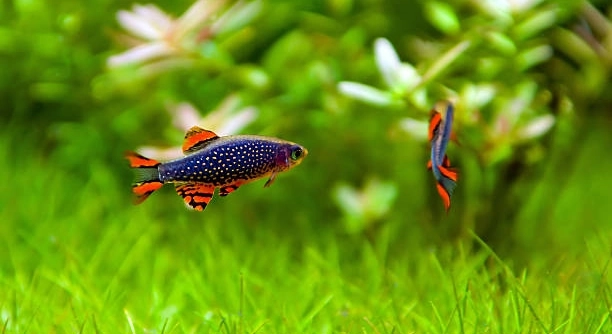
Do you ever notice your danios swimming in different parts of the tank at different times? Their movements are not random but reflect their comfort, age, and natural instincts in the aquatic environment.
Danios prefer distinct zones in their tanks depending on age. Fry typically stay near the surface for safety and feeding, juveniles explore mid-level areas for growth and social interaction, while adults favor open swimming zones near the middle and bottom.
Observing these preferences can improve tank design, feeding routines, and overall care for your danios at every stage of life.
Surface Zone: Fry and Young Danios
Young danios, especially fry, spend most of their time near the water surface. This area gives them easier access to food, which often floats or stays near the top. The surface also provides safety, as small plants or floating decorations can hide them from larger tank mates. Fry are delicate, so staying higher in the tank reduces stress from water currents or aggressive behavior. Additionally, oxygen levels are higher near the surface, which supports their fast-growing bodies. Observing them here helps you understand when they are feeding well or if they need adjustments to their diet. Maintaining clean water and gentle filtration is key, as fry are sensitive to changes. Even minor disturbances can cause stress, so positioning the tank in a calm area benefits their growth. Young danios also enjoy short bursts of swimming in open surface spaces, which strengthens their muscles and coordination.
Fry spend most of their time near floating food and gentle currents, rarely venturing deeper.
Ensuring the surface zone is safe and stocked with suitable food promotes healthy development. Floating plants, calm water, and consistent feeding schedules encourage fry to thrive. Monitoring their behavior here lets you catch health issues early and adjust conditions before problems arise.
Mid-Level Zone: Juvenile Danios
Juvenile danios often explore the mid-level of the tank to socialize and grow.
At this stage, mid-level swimming supports muscle development and interaction with other tank mates. Providing plants, rocks, and hiding spots encourages natural movement. Juveniles also begin to test boundaries, swimming through open areas to develop coordination and confidence. They may chase each other or investigate the tank, showing curiosity that is essential for learning environmental cues. The mid-level offers a balance between safety at the top and the exploration potential at the bottom.
Providing a mixture of open swimming space and structured areas allows juveniles to exercise, hide, and interact. Feeding should include varied foods that sink and float to encourage natural foraging. Monitoring social behavior here helps prevent bullying and ensures all fish get adequate nutrition. Proper lighting, gentle currents, and occasional rearrangements of tank décor keep the mid-level stimulating. Observing how juveniles navigate mid-level zones indicates overall health and comfort. As they grow, they naturally shift between levels, which reflects readiness for adult swimming patterns and tank exploration.
Bottom Zone: Adult Danios
Adult danios often spend more time near the bottom, exploring and foraging. They swim confidently in open water and use rocks, plants, and tank decorations for shelter and resting spots. This level helps them establish territory and reduces stress.
Adults prefer bottom areas with stable conditions and moderate hiding spaces. Substrate choice matters, as smooth gravel or sand allows safe exploration. They often forage here for leftover food that sinks from the surface, ensuring a balanced diet. Providing structured décor also reduces aggression between tank mates, as adults have stronger social hierarchies and may chase younger fish.
Swimming near the bottom strengthens muscles and encourages natural behaviors, including hunting and resting in shaded areas. Observing adults in this zone helps track their health, appetite, and activity levels. Occasional rearrangement of rocks or plants keeps the environment stimulating and prevents boredom. Adults may move between mid and bottom zones throughout the day, reflecting changes in lighting, feeding, or social interactions. Proper water flow, temperature, and clean substrate maintain comfort and support long-term health for adult danios.
Open Swimming Zone: All Ages
Danios of all ages enjoy open swimming spaces in the middle of the tank. This area allows them to exercise freely, interact socially, and maintain strong muscles.
Providing a large, unobstructed section in the tank encourages swimming and reduces stress. Open zones let fish chase each other, practice schooling behavior, and explore without obstacles. Juveniles benefit by building confidence, while adults maintain stamina and social bonds. Open swimming areas also prevent territorial disputes by offering room to escape if needed. Combining open space with planted or decorated areas creates a balanced environment that supports both exploration and safety.
Open swimming zones are crucial for mental and physical health. Regular activity in these areas improves endurance, coordination, and overall vitality. Fish often move through these zones during feeding, showing energy levels and appetite. Observing behavior here allows early detection of illness or injury. Even small tanks benefit from designated open sections, encouraging natural movement and reducing stress. Adjusting lighting, flow, and decorations ensures these areas remain inviting. Balancing open zones with hiding spots creates an environment where danios feel secure yet active, supporting healthy growth and social interaction for all ages.
Plant-Dense Zones: Juvenile and Adult Danios
Plant-dense areas provide shelter and reduce stress for juveniles and adults. These zones allow fish to hide, rest, and feel secure while still having space to explore nearby. Dense plants mimic natural environments, supporting instinctive behaviors and comfort.
Juveniles especially benefit from these zones for social learning and avoiding aggression. Adults use plants to establish temporary territories or retreat during feeding competition. Including tall, leafy plants along with shorter ground-covering varieties creates layers that cater to different swimming heights. Plant-dense zones also improve water quality by providing natural filtration. Observing danios here helps identify which fish are shy or need more space, supporting better tank management and healthier interactions.
Mid-Height Shelters: Young Danios
Mid-height shelters give young danios a safe area between the surface and bottom. These structures, like small rocks or artificial caves, reduce stress and allow resting without isolation from the group.
Open Top Area: Fry
The open top area allows fry to access food easily and stay in oxygen-rich water. Proper lighting and calm conditions make this zone ideal for their growth and activity.
How can I encourage fry to stay near the surface?
Fry naturally stay near the surface, but you can make it easier by providing floating food like finely crushed flakes or specialized fry food. Floating plants or gentle cover give them places to hide while still allowing easy access to food. Make sure water flow is very mild to avoid stressing them. Observing their behavior helps ensure they are feeding properly and not struggling.
Why do juvenile danios prefer mid-level swimming?
Juveniles are curious and start exploring beyond the surface. Mid-level areas give them space to socialize, strengthen muscles, and practice schooling behavior. Providing a mix of open swimming zones and small plants or rocks encourages natural exploration. This helps them build confidence and reduces stress from overcrowding or aggressive tank mates.
How much space should adult danios have near the bottom?
Adults need structured areas at the bottom with rocks, plants, or decorations. These spaces let them rest, forage, and establish temporary territories. Open areas at the bottom prevent fights and give shy fish a place to retreat. Proper substrate and clean conditions are essential for maintaining health and reducing injury risk.
Can all danios use open swimming zones at the same time?
Yes, open swimming zones are shared spaces, but fish may take turns naturally. Juveniles often explore quickly, while adults maintain stamina and chase behavior. Keeping enough open water reduces aggression and encourages schooling. Proper lighting, gentle currents, and occasional rearrangement of decorations keep the zone inviting and stimulating for all ages.
What types of plants are best for danios at different ages?
Floating plants work well for fry, giving them cover while they feed at the surface. Mid-height plants or small rocks suit juveniles, allowing them to explore and hide when needed. Tall, dense plants benefit adults for temporary territories and stress relief. Mixing plant types creates layered zones for all ages.
How can I tell if a zone is too stressful for my danios?
Signs of stress include hiding excessively, refusing food, rapid breathing, or erratic swimming. Fry may cling to one area and avoid moving. Juveniles might be bullied or isolated, while adults may chase others too aggressively. Adjusting decorations, flow, or hiding spaces can reduce stress and create a more balanced tank environment.
Is it necessary to change water conditions for different tank zones?
While the overall water conditions should remain consistent, certain zones benefit from gentle variations. Fry need calm, oxygen-rich water at the top, while adults tolerate moderate currents near the bottom. Maintaining stable temperature, pH, and cleanliness ensures each zone supports the health of its inhabitants.
How often should I observe my danios in each zone?
Regular observation helps identify feeding habits, social dynamics, and signs of illness. Spend a few minutes each day watching fry at the surface, juveniles in mid-level areas, and adults near the bottom. Observing in open swimming zones shows energy levels and interaction. This routine helps maintain a healthy and balanced tank.
What feeding practices support all tank zones?
Use a combination of floating, sinking, and mid-water foods to reach all zones. Fry need finely crushed or liquid food at the surface. Juveniles benefit from foods that sink slowly or float, encouraging exploration. Adults should have a mix to support bottom foraging and open water activity. This approach ensures all fish get proper nutrition.
Can tank decorations impact zone preferences?
Yes, decorations directly influence where danios spend time. Plants, rocks, and artificial shelters create hiding spots and resting areas. Open spaces encourage swimming and schooling. Thoughtful placement balances safety, exercise, and social interaction. Observing how fish use these areas helps adjust the layout for better comfort and activity.
How does lighting affect zone use?
Fry prefer well-lit, calm surface areas for feeding. Juveniles explore mid-level zones under moderate lighting, while adults may rest in shaded areas among plants. Even lighting throughout the tank reduces stress, prevents overcrowding in one zone, and encourages natural movement across all levels.
What is the best way to prevent overcrowding in tank zones?
Ensure the tank is large enough with multiple zones for hiding, swimming, and foraging. Avoid keeping too many fish in one area, especially fry at the surface or adults at the bottom. Providing open swimming space and layered plants allows all ages to coexist comfortably without excessive competition.
How do social behaviors affect zone preference?
Danios are social and often follow each other. Fry stick together near the surface, juveniles school in mid-level areas, and adults maintain territories while still interacting. Observing social patterns helps identify aggression or shyness and allows adjustments to decorations or feeding practices to support healthy interactions.
Can temperature differences influence zone choice?
Slight temperature gradients can encourage certain behaviors. Fry may stay near warmer, oxygen-rich top water. Adults often explore cooler mid or bottom areas. Maintaining overall stable temperature is crucial, but minor variations can support comfort and natural movement across zones.
How often should tank zones be rearranged?
Occasional rearrangement keeps the tank stimulating. Moving plants, rocks, or hiding spots every few weeks encourages exploration and reduces boredom. Ensure fry and juveniles still have safe access to food and shelter. Gradual changes are best to prevent stress, especially for sensitive young fish.
Are there specific zones for breeding behavior?
Fry and adults may show different spawning preferences. Adults often seek mid-level to bottom areas with plants or open space for laying eggs. Providing appropriate zones encourages natural breeding behavior while reducing stress on both adults and fry. Observing these areas helps manage successful spawning.
How do water currents impact zone preferences?
Fry need calm currents to avoid exhaustion, juveniles can handle mild flow in mid-level areas, and adults tolerate moderate currents at the bottom. Adjusting flow according to age and activity ensures fish can swim naturally without stress or injury. Proper filtration supports these conditions.
Can different tank zones affect disease prevention?
Yes, clean zones reduce disease risk. Fry in surface areas benefit from gentle filtration and frequent water changes. Mid-level and bottom zones need debris removal to prevent bacterial buildup. Observing how fish use each zone helps identify areas that require extra maintenance to keep the entire tank healthy.
Do lighting and feeding schedules influence zone activity?
Consistent lighting and feeding schedules encourage danios to use all zones. Fry will feed at the surface, juveniles explore mid-level areas during feeding, and adults forage near the bottom. Predictable routines reduce stress, improve growth, and maintain balanced activity throughout the tank.
How can I balance safety and exploration in all zones?
Layering plants, decorations, and open spaces allows fry, juveniles, and adults to explore without constant stress. Safe areas for hiding, combined with open swimming zones, promote natural movement and social behavior. Regular observation and adjustments ensure all fish feel secure yet active.
What are signs of zone preference changing with age?
Fry move from surface to mid-level as they grow. Juveniles gradually explore bottom zones, and adults balance between mid and bottom levels. Noticing these shifts helps provide appropriate feeding, hiding spots, and open space. Tracking behavior ensures each stage of growth is supported.
How do tank mates affect zone use?
Other fish influence danio movement. Aggressive species can push fry or juveniles into hiding, while peaceful companions encourage schooling and exploration. Observing interactions allows adjustments to tank layout, feeding, and zone structure, ensuring danios maintain comfort across all areas.
How does water quality affect preferred zones?
Poor water quality drives fish to avoid certain zones. Fry may stop feeding at the surface, juveniles may hide excessively, and adults may become lethargic at the bottom. Regular cleaning, filtration, and monitoring of parameters maintain comfort and encourage natural zone use.
What role does tank size play in zone selection?
Larger tanks allow multiple zones to coexist without overcrowding. Fry, juveniles, and adults have room to swim, hide, and forage. Small tanks limit zone options and may cause stress or aggression. Proper tank size ensures each zone supports healthy movement, feeding, and social interaction.
Can zone observation help with early illness detection?
Yes, changes in zone preference can indicate health issues. Fry avoiding the surface, juveniles hiding excessively, or adults resting more than usual signal potential problems. Early observation allows intervention, medication, or tank adjustments to protect fish before illness spreads.
How do seasonal changes affect zone preference?
Even minor seasonal temperature or light shifts can influence behavior. Fry may stick to warmer surface areas, juveniles may explore less during cooler periods, and adults may seek shaded areas. Maintaining stable tank conditions minimizes disruption to preferred zones and supports consistent activity.
Are there tools to track zone use effectively?
Observation logs, short video recordings, or regular check-ins help track zone usage. Noting patterns in feeding, swimming, and resting behaviors allows timely adjustments to tank layout, feeding schedules, and water conditions. This practice supports healthy growth and long-term comfort for all danios.
How can I encourage balanced use of all zones?
Provide a mix of open swimming space, plant-dense areas, mid-height shelters, and calm surface regions. Rotate food types and locations to draw fish through different zones. Observation and small adjustments help ensure fry, juveniles, and adults engage with all parts of the tank naturally.
What mistakes should be avoided when managing zones?
Overcrowding, poor water flow, lack of hiding spots, or uneven lighting can stress fish. Ignoring zone-specific needs of fry, juveniles, or adults reduces health and growth. Regular maintenance, observation, and thoughtful tank arrangement prevent these issues and support natural behavior.
How do feeding frequency and type influence zone preference?
Feeding multiple times a day with floating, sinking, and mid-water foods encourages fish to use all zones. Fry stick to surface feeding, juveniles move through mid-level areas, and adults forage near the bottom. Balanced feeding keeps activity consistent and supports healthy growth across all ages.
Can zone preference indicate mental stimulation levels?
Yes, active use of open, plant-dense, and mid-height areas shows curiosity and engagement. Bored fish may remain in one zone, hide excessively, or show lethargy. Adjusting décor, providing variety, and ensuring balanced feeding encourages mental stimulation and natural behavior.
How important is observation for long-term zone management?
Daily or frequent observation allows early detection of stress, illness, and social issues. Monitoring fry, juveniles, and adults across zones ensures adjustments can be made before problems escalate. Consistent tracking supports balanced activity, growth, and overall tank health.
What adjustments are recommended if a zone is underused?
If a zone is avoided, consider changing lighting, decorations, or flow. Adding plants, open space, or hiding spots can make it more inviting. Gradual adjustments prevent stress, encourage exploration, and maintain balanced tank activity for all ages.
How do age transitions affect zone preferences?
As fry grow into juveniles, they move from surface-dense zones to mid-level exploration. Adults gradually spend more time at the bottom or open areas. Providing transitional features, like gentle mid-height plants or rocks, supports these changes and encourages natural development.
How can I use zones to manage aggressive behavior?
Providing multiple zones with hiding spots, open swimming areas, and plant-dense sections reduces fights. Adults can retreat while juveniles explore mid-level areas safely. Observing interactions and adjusting décor ensures all fish can coexist without excessive stress or injury.
What role does schooling behavior play in zone use?
Danios naturally school, influencing zone choice. Fry group at the surface, juveniles form mid-level schools, and adults maintain coordinated swimming patterns. Encouraging schooling through open spaces and consistent feeding promotes healthy activity, reduces stress, and supports natural instincts.
How can zones support breeding success?
Providing plant-dense and mid-height shelters allows adults to spawn safely. Fry benefit from calm surface zones for feeding and growth. Maintaining these areas ensures eggs are protected, parents remain stress-free, and young develop in ideal conditions.
What is the impact of tank depth on zone use?
Deeper tanks allow more layered zones. Fry remain near the surface, juveniles use mid-depth areas, and adults explore the bottom. Depth encourages natural swimming behavior, reduces competition, and supports social and physical development for all ages.
How can I balance decoration and swimming space in each zone?
Avoid overcrowding decorations in any zone. Combine plants, rocks, and shelters with open swimming areas. This balance allows fish to hide, forage, and exercise naturally. Observing how each age group uses zones helps determine optimal decoration placement and space allocation.
How do water temperature and oxygen levels interact with zone preference?
Fry and juveniles prefer warmer, oxygen-rich top water, while adults tolerate slightly cooler mid and bottom zones. Maintaining proper temperature and aeration throughout the tank supports activity, feeding, and comfort across all zones. Monitoring these factors prevents stress and promotes growth.
Can zone preferences indicate diet effectiveness?
If fry remain at the surface, juveniles avoid mid-level areas, or adults stop exploring the bottom, diet may be inadequate. Using appropriate food types for each zone ensures all fish receive proper nutrition, encouraging natural zone use and supporting healthy development.
What role does tank maintenance play in zone health?
Regular water changes, cleaning substrate, and maintaining decorations prevent debris buildup, algae, and stress. Each zone benefits differently: surface water supports fry, mid-level zones support juveniles, and bottom zones support adults. Consistent maintenance ensures balanced and safe use of all areas.
How can observation of zone preference inform long-term tank planning?
Tracking where fry, juveniles, and adults spend time helps with future tank layouts, stocking decisions, and decoration placement. Adjusting zones based on observed behavior ensures fish remain active, healthy, and comfortable as they grow and change over time.
How do stress factors alter zone preferences?
Stress from overcrowding, poor water quality, or aggressive tank mates can make fry hide at the surface, juveniles cling to mid-level areas, or adults avoid the bottom. Identifying and addressing stressors helps restore natural zone use and promotes overall well-being.
How can I combine multiple zones for optimal tank design?
Layering open swimming areas, plant-dense zones, mid-height shelters, and calm surface sections creates an environment that suits all ages. Observing how fish interact with each zone guides adjustments, ensuring fry, juveniles, and adults feel safe, active, and stimulated.
How do lighting schedules support zone activity?
Consistent light cycles encourage fry to feed at the surface, juveniles to explore mid-level areas, and adults to forage near the bottom. Predictable lighting reduces stress, balances activity, and maintains healthy natural behaviors across all zones.
How do water currents affect the distribution of fish in different zones?
Gentle currents keep fry safe at the surface, mild flow supports juveniles in mid-level zones, and moderate currents encourage adult swimming near the bottom. Adjusting flow prevents exhaustion, promotes natural movement, and ensures balanced use of all zones.
What signs indicate a zone needs modification?
Underused areas, overcrowding, aggression, or hiding indicate a need for adjustment. Adding plants, open spaces, or shelters, or changing flow and lighting, can make zones more inviting and comfortable for fry, juveniles, and adults alike.
Can zone preferences guide feeding strategies?
Yes, observe where fish spend time and place food accordingly. Fry feed near the surface, juveniles in mid-level areas, and adults at the bottom. This ensures all ages get proper nutrition and encourages natural movement throughout the tank.
How does social hierarchy influence zone selection?
Dominant adults may occupy preferred bottom or open swimming zones, while juveniles and fry adjust accordingly. Providing multiple zones and hiding spots reduces conflicts and ensures all fish can access food, rest, and exploration areas without stress.
What adjustments help shy or timid fish use zones effectively?
Adding plants, shelters, and calm open areas encourages timid fish to explore safely. Gradually introducing new decorations or rearrangements prevents stress and helps shy fish move confidently between zones, promoting health and social interaction.
How can zone observation improve long-term health management?
Monitoring where fish spend time helps identify stress, disease, or social issues early. Adjusting décor, flow, feeding, and lighting based on zone usage ensures fry, juveniles, and adults remain healthy, active, and thriving in a balanced tank environment.
What is the relationship between tank size and effective zone use?
Larger tanks allow multiple zones to coexist without overcrowding. Each age group can swim, hide, and forage comfortably. Small tanks limit zone availability, increasing stress and aggression. Proper tank size ensures natural behavior, balanced activity, and healthier fish overall.
How do temperature fluctuations influence zone behavior?
Even small changes affect fry, juveniles, and adults differently. Fry prefer warmer surface water, juveniles tolerate mid-level areas, and adults adjust to cooler bottom zones. Maintaining stable temperatures reduces stress, encourages natural movement, and supports feeding and growth.
Can zone design impact breeding success?
Providing calm surface areas for fry and structured mid-level or bottom zones for adults supports natural spawning. Adequate hiding spots, open swimming areas, and consistent conditions ensure eggs and young develop safely, increasing breeding success in the tank.
How can I use zone monitoring to improve feeding efficiency?
By observing where fish spend time, you can place food in areas they frequent. Fry need surface feeding, juveniles benefit from mid-level placement, and adults forage near the bottom. This ensures all ages get adequate nutrition without waste.
How do decorations affect natural swimming patterns?
Decorations create obstacles and hiding spots that encourage exploration. Proper placement allows schooling, resting, and foraging without overcrowding. Adjusting décor based on observed zone use ensures natural behavior and reduces stress across all ages.
How do water quality issues manifest in different zones?
Fry may avoid surface areas if water is dirty, juveniles may hide excessively in mid-level zones, and adults may rest at the bottom. Regular testing, filtration, and cleaning prevent these problems and maintain healthy, balanced zone use.
How can open swimming zones prevent boredom?
Providing spacious, unobstructed areas allows fry, juveniles, and adults to exercise, school, and explore. Rotating decorations or introducing mild currents keeps the zone stimulating, promoting mental engagement and physical activity for all ages.
How does observing zone transitions help track growth?
Watching fry move from surface to mid-level areas, juveniles expand exploration, and adults balance bottom and mid-level swimming indicates normal development. Monitoring these transitions ensures age-specific needs are met and supports healthy growth.
Can zones help manage aggressive feeding behavior?
Yes, separating feeding zones for fry, juveniles, and adults reduces competition. Floating, sinking, and mid-water foods encourage fish to forage in appropriate zones, preventing bullying and ensuring all ages get adequate nutrition.
How do seasonal light changes impact zone use?
Changes in daylight can affect activity and preferred zones. Fry may feed at the surface more during bright periods, juveniles explore mid-level areas, and adults rest in shaded spots. Consistent artificial lighting maintains stable behavior and reduces stress.
Are there indicators of tank imbalance based on zone usage?
Excessive hiding, clustering in one zone, or inactivity signals imbalance. Adjusting
Danios have clear preferences for different tank zones at each stage of their life. Fry naturally stay near the surface where food is easiest to reach and oxygen levels are higher. Juveniles move into mid-level areas as they grow, exploring more and practicing social behaviors. Adults spend more time near the bottom or in open swimming areas, balancing exercise with rest and territory establishment. Understanding these preferences helps in creating a tank environment that supports their natural behavior, reduces stress, and encourages healthy growth. Each zone has its own purpose, and providing a combination of spaces ensures that all fish, regardless of age, feel safe and comfortable while having opportunities to explore and stay active.
Tank setup and maintenance are key factors in encouraging proper zone use. Floating plants, mid-height shelters, dense plant areas, and open swimming zones create a layered environment that appeals to all ages. Fry benefit from calm, well-lit surface zones, while juveniles need safe mid-level spaces with plants or rocks for shelter and exploration. Adults prefer bottom zones with stable hiding spots and enough open water for swimming and foraging. Proper water quality, gentle filtration, and consistent temperature support these zones, helping each group of fish thrive. Feeding strategies should also match zone preferences, with floating food for fry, mid-level feeding for juveniles, and sinking food for adults. Observing fish regularly allows adjustments to decorations, flow, or feeding locations, ensuring that zones remain suitable as fish grow and behaviors change.
By paying attention to zone preferences, it is possible to maintain a balanced tank that encourages natural behavior at every life stage. Open swimming zones keep fish active and promote social interaction, while plant-dense and mid-height areas provide safety and comfort. Adjusting the tank layout and feeding methods based on how fish use different zones can prevent stress, aggression, and health problems. Over time, observing and responding to their needs creates an environment that supports both physical and mental well-being. Understanding danios’ behavior across zones also allows better planning for tank size, decoration placement, and care routines, ensuring that fry, juveniles, and adults can all coexist happily. Proper zone management promotes growth, natural activity, and healthy interactions, helping you maintain a thriving aquarium for years.

Hello,
If you enjoy the content that we create, please consider saying a "Thank You!" by leaving a tip.
Every little bit helps us continue crafting quality advice that supports the health, happiness, and well-being of pets around the world, for pets of all shapes, sizes, and species.
We really appreciate the kindness and support that you show us!