
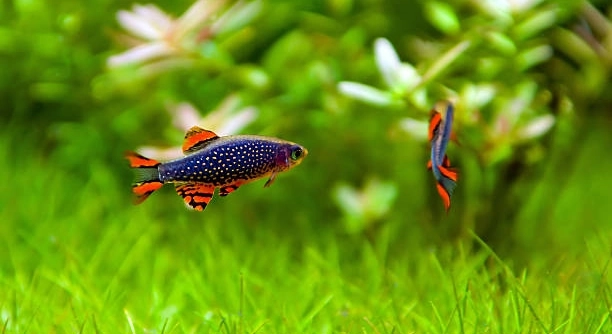
Danios are active, lively fish that often swim near the water surface. Many aquarium owners notice them constantly darting at the top, which can disrupt plants and other fish. Controlling this behavior improves the tank’s balance and calm.
Several factors influence why danios avoid the surface. Strong water flow, sufficient mid-level hiding spaces, floating cover, consistent lighting, cooler water temperatures, limited surface food, and minimal disturbances all contribute to encouraging danios to swim lower, maintaining a balanced and stable environment.
Knowing these factors helps manage tank dynamics effectively. Applying these features ensures your aquarium remains harmonious and allows other species to thrive comfortably.
Strong Water Flow
Providing a strong, consistent water flow in the aquarium encourages danios to swim throughout the tank rather than lingering at the surface. When water movement is gentle, these active fish often gravitate toward the top, searching for oxygen or food. Strong flow mimics their natural environment, giving them exercise and a sense of security. By adjusting the filter or adding a small powerhead, the current can reach mid-level and lower areas of the tank. Plants and decorations can also be arranged to break the flow in certain spots, creating sheltered zones where danios feel safe. This combination of movement and hiding spaces reduces surface activity without stressing the fish. Over time, the tank becomes more balanced, and other species feel comfortable sharing the water column. Monitoring flow strength is important because too strong a current may exhaust the fish, while too weak fails to influence behavior. Finding the right balance keeps the aquarium lively yet calm.
Strong water flow improves oxygenation and encourages danios to explore the tank’s lower areas more actively.
Regular water movement supports healthy swimming patterns. Danios respond well to moderate currents, maintaining activity and reducing surface tension. Adjusting flow gradually ensures fish adapt naturally without sudden stress. Placing plants or rocks strategically creates resting zones that further guide swimming behavior. This combination prevents crowding at the top and allows the aquarium to maintain balance, benefiting all aquatic residents.
Floating Cover
Adding floating plants or artificial covers at the water surface helps block light and gives danios a sense of security. These covers reduce stress and decrease their inclination to swim constantly at the top. Floating leaves, moss balls, or even lily pads create shaded areas underneath where the fish can explore and rest. The presence of cover mimics the natural habitat of danios, offering protection and calming their active tendencies. Surface covers also limit direct feeding at the top, encouraging danios to forage throughout the tank instead. Over time, fish gradually spend less time near the surface, improving tank harmony and giving slower-moving species more space. Balancing coverage is key; too dense a cover can restrict light and oxygen circulation, while too sparse may not impact behavior. Proper placement ensures the middle and lower areas become more attractive to the fish, guiding their movement and reducing surface dominance.
Floating plants provide shade and encourage fish to explore mid-level and lower areas.
When surface cover is used wisely, danios adjust naturally, spending more time swimming throughout the tank. Cover placement ensures shade and security, reducing stress while maintaining water quality. Strategic positioning helps other species thrive alongside active fish.
Sufficient Hiding Spaces
Providing plenty of hiding spaces in the tank encourages danios to swim at different levels instead of staying near the surface. Caves, driftwood, and dense plant clusters give them shelter and reduce stress, making mid-level and lower areas more appealing.
Hiding spaces give danios a sense of safety and mimic their natural habitats. When fish feel secure, they are less likely to linger at the top searching for refuge. Using a mix of live plants, rocks, and small caves creates varied zones for exploration. Dense plant clusters allow danios to weave through, promoting activity throughout the tank. Driftwood and smooth rocks also provide resting points. Over time, fish learn to use these areas consistently, leaving the surface less crowded. Ensuring that hiding spaces are evenly distributed keeps all fish engaged without competition for shelter. This approach supports both the health and social behavior of tank inhabitants.
Arranging these spaces thoughtfully improves tank dynamics. Fish move more naturally, reducing surface dominance and stress levels. Mid-level zones become hubs of activity, giving other species room to thrive. Proper spacing ensures each fish has access to cover without overcrowding, maintaining harmony.
Cooler Water Temperatures
Maintaining slightly cooler water discourages danios from staying at the top, as cooler temperatures make the mid-level more comfortable for swimming. Temperature stability supports healthier, calmer fish behavior.
Danios prefer moderate temperatures, and warmer surface water can make them restless. Slightly cooler, evenly distributed temperatures encourage movement through the entire tank. Consistent cooling helps prevent rapid surface activity, keeping fish more evenly spread. Using a reliable thermometer and adjusting the heater gradually ensures water stability without shocking the fish. Cooler water also supports oxygen levels, which reduces the need for surface gasping. Mid-level and lower areas become more appealing when the temperature is balanced throughout the tank. This approach helps maintain natural swimming patterns and minimizes stress, benefiting all species living in the aquarium.
Temperature management directly impacts fish behavior and tank harmony. Balanced water conditions encourage activity at all levels, preventing overcrowding near the surface while promoting natural swimming patterns.
Limited Surface Food
Feeding small amounts of food below the surface encourages danios to explore mid-level and lower areas. Overfeeding at the top causes them to linger near the surface, disrupting tank balance and stressing other fish.
Distributing food throughout the tank reduces surface dominance. Using sinking pellets or spacing feeding times helps danios swim more naturally. This approach ensures all fish get proper nutrition while maintaining activity in deeper areas.
Consistent Lighting
Stable lighting reduces erratic surface activity. Sudden changes in brightness can make danios restless and prompt them to gather near the top, seeking safety or light.
Minimal Disturbances
Limiting external disturbances, such as tapping the glass or moving tank decorations, prevents danios from rushing to the surface. A calm environment supports natural swimming patterns and reduces stress.
FAQ
Why do danios stay at the top of the tank?
Danios often stay near the surface when water flow is low, oxygen levels are uneven, or they expect food. Active fish naturally explore the top if the tank lacks mid-level hiding spaces. By adding plants, decorations, and cover, danios feel safer swimming at different levels, reducing surface activity.
How can I encourage danios to swim lower?
Providing hiding spots, floating cover, and consistent water flow helps guide danios away from the top. Sinking food encourages mid-level foraging. Cooler, stable temperatures and limited disturbances also promote even swimming. Combining these factors creates a comfortable environment where fish naturally spread throughout the tank.
Will temperature affect danios’ swimming habits?
Yes. Slightly cooler, stable water encourages fish to explore mid and lower levels instead of lingering near the warmer surface. Extreme fluctuations can stress danios, making them restless at the top. Maintaining moderate temperatures supports natural behavior and overall health.
Do floating plants really help?
Floating plants reduce light intensity at the surface and provide shade, which calms danios. They mimic natural habitats and encourage fish to move deeper. Covers also discourage surface feeding, guiding danios to mid-level and lower areas for exploration and resting.
How much hiding space is enough?
Multiple small caves, plant clusters, and driftwood scattered throughout the tank provide security without overcrowding. Evenly distributed hiding spots allow all fish to access shelter, which lowers stress and reduces top-level activity. Monitoring how fish use these spaces helps adjust placement over time.
Does food type make a difference?
Yes. Sinking pellets or smaller portions encourage mid-level feeding. Floating flakes or overfeeding at the surface increase top-level activity. Spreading feeding locations throughout the tank ensures even distribution and prevents danios from dominating the water surface.
Can water flow really change behavior?
Strong, consistent water flow keeps danios active and encourages swimming at all levels. Gentle currents often leave fish hovering near the surface. Adjusting flow gradually prevents stress and improves mid-level engagement while keeping the aquarium balanced.
Will minimizing disturbances help?
Limiting tapping, sudden movement, and frequent decoration changes reduces surface stress responses. Calm conditions allow danios to explore naturally, stay in mid-level areas, and maintain healthy social behavior. Consistency in care supports even swimming and a stable tank environment.
How often should I check tank conditions?
Regular checks of temperature, flow, and oxygen levels ensure conditions stay stable. Observing fish behavior daily helps identify when adjustments are needed. Consistent monitoring prevents surface dominance and keeps all species comfortable.
Can these methods work for other active fish?
Yes. Many active species respond well to structured hiding spaces, floating cover, controlled feeding, and moderate water flow. These techniques support natural swimming patterns and reduce surface crowding, improving tank harmony for multiple species.
How long does it take to see changes in behavior?
Results vary depending on the fish and tank setup. Some danios adjust within days with proper hiding spots, food distribution, and flow, while others may take weeks. Patience and consistent tank management ensure lasting improvement in swimming patterns.
Are decorations really necessary?
Decorations like rocks, driftwood, and plants provide essential cover and break water flow, making mid-level areas more attractive. They also create resting and exploration zones, which reduce stress and limit top-level activity. Proper arrangement supports both fish well-being and tank aesthetics.
What if danios still stay at the top?
If danios persist, review water quality, temperature, flow, and food type. Overcrowding or incompatible tank mates may contribute. Gradually implementing these environmental adjustments usually encourages even swimming. Regular observation ensures changes are effective and sustainable.
Do lighting schedules matter?
Consistent lighting prevents sudden activity spikes at the surface. Fish respond to predictable day-night cycles, which support natural swimming and feeding patterns. Avoid abrupt changes, and use moderate brightness to maintain calm, even behavior throughout the tank.
Is it necessary to combine all methods?
Combining multiple approaches—cover, flow, feeding, temperature, and hiding spaces—yields the best results. Individual methods help, but a holistic approach ensures danios naturally distribute themselves throughout the tank, reducing surface dominance and supporting overall aquarium harmony.
How does water quality impact behavior?
Clean, well-oxygenated water prevents fish from gathering at the surface for oxygen. Regular maintenance, proper filtration, and monitoring parameters reduce stress and encourage natural swimming patterns. Poor water quality often triggers top-level activity and restlessness.
Are danios naturally active at all levels?
Yes, in well-balanced tanks with adequate cover and flow, danios swim throughout the water column. Surface dwelling is usually a response to environmental factors like light, temperature, and food availability rather than natural preference.
What types of cover work best?
Floating plants, moss balls, broad-leafed plants, and artificial covers all work well. They provide shade, reduce light intensity, and encourage movement below the surface. Cover placement should allow space for mid-level exploration while keeping hiding zones accessible.
How do I balance surface activity for other fish?
Providing mid-level and lower zones reduces danios dominating the surface. Proper feeding, hiding spaces, and flow adjustments allow slower or shy species to thrive without competition. Balancing all levels ensures a calmer, more evenly distributed tank population.
Can these methods prevent stress entirely?
While no method eliminates stress completely, combining cover, flow, temperature control, hiding spaces, and proper feeding greatly reduces surface-related stress. Fish adapt to stable conditions, promoting healthier behavior, better immunity, and more natural swimming patterns.
Will mid-level enrichment affect growth?
Yes. When fish explore mid-level and lower areas, they exercise naturally, supporting healthy growth and muscle development. A well-structured tank encourages activity, reduces surface dominance, and improves overall health and longevity.
How often should hiding spaces and decorations be adjusted?
Adjust decorations gradually based on fish behavior. Frequent changes can cause stress, but minor rearrangements help keep fish active and engaged. Observing danios’ movement helps determine optimal placement and spacing for long-term comfort.
Are these methods expensive?
Most adjustments involve simple additions like plants, driftwood, or small decorations. Flow can be modified using existing filters or low-cost powerheads. Feeding strategies and temperature monitoring require minimal investment. Overall, results are cost-effective and improve tank harmony.
Do these strategies work for all danio species?
Yes. Zebra danios, pearl danios, and other varieties respond similarly to environmental adjustments. Hiding spaces, surface cover, controlled feeding, flow, and temperature stability are effective across species. Observing specific behaviors allows fine-tuning for each type.
How can I measure improvement?
Observe swimming patterns and the time danios spend at mid-level and lower areas. Reduced surface dominance, calmer activity, and balanced distribution across the tank indicate successful implementation. Tracking changes over weeks shows gradual adaptation and effectiveness of adjustments.
What if my tank is small?
Even small tanks benefit from hiding spaces, floating cover, and proper feeding techniques. Limited space requires thoughtful arrangement to maximize mid-level zones. Adequate flow and minimal disturbances still help danios move naturally and reduce top-level activity.
Do plants alone solve surface swimming?
Plants help but are not sufficient alone. Combining cover, hiding spaces, proper flow, temperature stability, and distributed feeding creates the most effective environment to reduce surface dominance. Observing how fish interact with plants guides additional adjustments.
How do I maintain balance long-term?
Regular maintenance, monitoring water parameters, consistent feeding, and gradual adjustments keep danios behavior stable. Maintaining mid-level and lower activity ensures healthier fish, calmer behavior, and a more balanced tank ecosystem over time.
Are there signs of persistent stress to watch for?
Signs include constant surface dwelling, rapid breathing, clamped fins, or erratic swimming. Implementing hiding spaces, surface cover, moderate flow, and proper feeding reduces these stress behaviors and promotes well-being.
Will these methods affect tank aesthetics?
Proper placement of hiding spaces, decorations, and floating plants can enhance the aquarium’s look while supporting natural fish behavior. A balanced tank benefits both fish and visual appeal.
Do danios adapt quickly to changes?
They adapt gradually. Immediate changes can stress fish, so adjustments should be introduced slowly. Consistent monitoring ensures they move naturally to mid-level and lower areas while maintaining healthy behavior.
Can these strategies reduce aggression?
Yes. Reducing surface competition and providing ample hiding spaces prevents territorial disputes. Balanced distribution of fish across the water column lowers stress and supports social harmony in the tank.
Are there alternative methods for controlling surface swimming?
Alternatives include using gentle bubbles or air stones to encourage mid-level swimming and adding slow-flowing current areas. These methods supplement hiding spaces, floating cover, and feeding adjustments to guide fish behavior.
Is it important to track feeding habits?
Yes. Overfeeding at the surface increases top-level activity. Monitoring portion size and location ensures all fish access food and reduces surface dominance, maintaining balanced swimming patterns.
Do these methods require frequent intervention?
Once implemented, these adjustments require minimal intervention. Regular checks of temperature, flow, and tank balance are sufficient to maintain calm behavior and even fish distribution. Consistency is more important than frequent changes.
Can other fish influence danio behavior?
Yes. Aggressive or slow-moving tank mates may affect danios’ activity. Providing hiding spaces and sufficient mid-level zones ensures danios swim comfortably without being stressed or overly dominant at the surface.
How does water quality monitoring help?
Maintaining clean water prevents oxygen depletion and stress. Consistent filtration, regular water changes, and monitoring parameters keep fish healthy and reduce surface dwelling due to environmental discomfort.
Will these methods work for new tanks?
Yes. Early implementation of flow, hiding spaces, floating cover, and proper feeding establishes good habits for danios. Fish adapt more easily in a stable, well-structured environment from the start.
Can behavioral changes be permanent?
Gradual, consistent application of these methods encourages lasting behavioral adjustment. Fish learn to explore mid-level and lower areas naturally, maintaining balanced swimming patterns and reducing top-level dominance over time.
Do I need to combine all FAQs for best results?
Following multiple strategies together provides the most effective solution. Cover, hiding spaces, flow, feeding, temperature, and minimal disturbances collectively support even swimming and a calm, balanced tank environment.
How do I know the tank is balanced?
A balanced tank shows evenly distributed fish, calmer surface activity, and healthy social interactions. Fish utilize mid-level and lower areas naturally, hiding spaces are respected, and water conditions remain stable. Observing these signs indicates successful implementation.
Are there signs that adjustments need tweaking?
Yes. Persistent surface activity, overcrowding, or stress behaviors suggest flow, cover, or hiding space placement may need adjustment. Gradual changes help fish adapt while maintaining natural swimming patterns.
Can these tips improve fish health overall?
Yes. Reduced stress, balanced swimming, proper nutrition, and stable environmental conditions improve immunity, growth, and longevity. Fish that feel secure and active throughout the tank are healthier and more vibrant.
Do these strategies require special equipment?
Most methods use standard aquarium supplies: filters, heaters, decorations, plants, and thermometers. Sinking food or moderate powerheads may be added, but expensive equipment is generally unnecessary to achieve effective results.
How does consistent care affect behavior long-term?
Consistent feeding, water quality, temperature, and environmental management create a stable routine. Fish adapt naturally, maintaining calm mid-level and lower swimming patterns while minimizing top-level activity, leading to a healthier and more balanced aquarium ecosystem.
Will these methods work for beginner aquarists?
Yes. Simple adjustments like floating cover, hiding spaces, controlled feeding, and moderate water flow are easy to implement. Beginners can achieve balanced fish behavior without complicated setups or advanced equipment.
Are there risks if I ignore surface dominance?
Ignoring excessive surface activity can stress fish, reduce oxygen distribution, and create competition for food. Other species may become overwhelmed, leading to health issues or aggression. Addressing behavior proactively supports a calm, healthy tank environment.
How do I know which method to try first?
Start with hiding spaces and floating cover, then adjust flow, feeding, and temperature. Observing fish response guides further action. Combining strategies gradually ensures natural adaptation without causing stress.
Do mid-level plants help as much as floating plants?
Mid-level plants provide shelter and encourage swimming, but floating plants specifically reduce surface light and offer shade, directly impacting top-level behavior. Both are important for guiding danios throughout the tank.
Can I measure stress levels in danios?
Stress is observed through rapid breathing, clamped fins, or constant surface dwelling. Reducing these behaviors through environmental adjustments indicates lower stress and improved comfort in the tank.
How important is consistency in all these methods?
Consistency ensures danios adapt without stress. Sudden changes disrupt behavior, while gradual, steady adjustments support natural swimming patterns and long-term tank harmony.
Will these strategies affect breeding behavior?
Balanced swimming, hiding spaces, and stable water conditions create a safer environment, supporting natural breeding habits. Fish are less stressed, which can positively impact reproduction and fry survival.
Are these methods applicable in planted tanks?
Yes. Planted tanks benefit even more, as plants provide cover, mid-level zones, and floating shade. Proper placement enhances aesthetics while guiding danios to explore lower areas naturally.
How long should I monitor changes?
Observe behavior over several weeks. Gradual shifts in mid-level and lower swimming indicate success. Adjustments should be minor and consistent to ensure lasting results.
Do all danios respond the same way?
Behavior varies slightly by species and individual fish. However, most respond positively to cover, hiding spaces, flow, feeding adjustments, and stable environmental conditions. Monitoring ensures tailored results.
Can these strategies prevent surface aggression?
Yes. Reducing competition for space and food at the surface lowers aggression. Hiding spaces and distributed swimming zones promote social harmony among tank inhabitants.
Is observation more important than equipment?
Observation is crucial. Understanding how fish respond to flow, cover, and feeding guides adjustments. Equipment helps, but careful monitoring ensures strategies are effective and sustainable.
How do I combine flow and hiding spaces effectively?
Place hiding spots where flow is moderate. Strong currents in open areas encourage swimming, while sheltered zones give fish a break. This balance keeps danios active yet secure.
Can these strategies help older tanks?
Yes. Even established tanks benefit from new cover, floating plants, and feeding adjustments. Gradual implementation encourages fish to redistribute naturally, improving overall tank balance and reducing surface dominance.
Do seasonal changes affect behavior?
Yes. Temperature and lighting shifts can influence activity levels. Maintaining stable conditions year-round minimizes surface dwelling and supports consistent swimming patterns.
Are there risks with too much floating cover?
Excessive cover can block light and reduce oxygen circulation. Proper placement ensures shade and protection without compromising tank health, encouraging mid-level and lower swimming.
How often should I reassess the tank setup?
Reassess monthly or when behavior changes. Adjust flow, cover, or hiding spaces gradually to maintain balanced swimming and a calm, healthy environment for all fish.
Can these strategies work for mixed-species tanks?
Yes. Balanced hiding spaces, flow, feeding, and cover help all species coexist. Mid-level zones allow shy or slow-moving fish to thrive alongside active danios.
What is the most effective combination?
Hiding spaces, floating cover, controlled feeding, moderate flow, and stable temperature together provide the most reliable results. Observing fish ensures adjustments support natural swimming and tank harmony.
Do these methods improve fish longevity?
Yes. Reducing stress, promoting natural activity, and maintaining stable conditions improve health, immunity, and lifespan. Fish that feel secure and active live longer and display more natural behavior.
Can aquarium size affect these strategies?
Yes. Larger tanks allow more hiding spots and flow variation, but small tanks can still benefit from strategic placement of cover, decorations, and feeding adjustments to reduce surface activity.
How can I tell if my fish are comfortable?
Comfort is indicated by calm swimming, even distribution across levels, use of hiding spaces, and regular feeding. Reduced surface dominance and minimal stress behaviors show adaptation to the environment.
Do these strategies require daily intervention?
Daily observation is enough. Most adjustments, once implemented, require minimal ongoing effort. Consistent monitoring ensures fish remain comfortable and the tank stays balanced.
Can these methods reduce mortality rates?
Yes. Lower stress, improved swimming patterns, and better nutrition reduce disease susceptibility and aggression, supporting higher survival rates in the aquarium.
Are there visual signs that the tank is balanced?
Even fish distribution, calm swimming, active mid-level exploration, and minimal surface crowding indicate a balanced environment. Healthy plants and proper water clarity reinforce this balance.
Do floating plants affect lighting for other fish?
Moderate floating cover reduces surface brightness without blocking essential light. This creates shaded zones while maintaining sufficient light for mid-level and lower swimming, supporting natural behavior.
How do I combine these methods without overcomplicating the tank?
Introduce adjustments gradually. Start with hiding spaces and floating cover, then add controlled feeding and flow adjustments. Observing fish behavior ensures each step is effective without overwhelming the tank setup.
Can these methods prevent dominance in small schools?
Yes. Providing cover, mid-level zones, and distributed feeding reduces competition among a small group of danios, encouraging balanced swimming and minimizing stress or territorial disputes.
Are these strategies compatible with automated feeders?
Yes. Automated feeders can distribute food throughout the tank, reducing surface dominance. Combining this with hiding spaces, flow, and cover maintains even fish activity without requiring manual intervention.
Will these methods work if I have only a few danios?
Yes. Even a small number of danios benefit from hiding spaces, flow, floating cover, and proper feeding. These adjustments prevent stress and ensure balanced swimming patterns for any group size.
Do danios ever return to surface swimming naturally?
Some may revisit the surface occasionally, especially during feeding or bright light. Stable environmental conditions and adequate cover minimize prolonged surface dominance and encourage mid-level exploration.
Can aquarium maintenance disrupt these methods?
Routine maintenance is necessary, but abrupt changes can stress fish. Gradual water changes and careful handling of plants or decorations help maintain established behavior patterns.
Are there risks of overcorrecting behavior?
Yes. Excessive flow, dense cover, or over-restricted feeding can stress danios. Adjustments should be moderate and gradual, allowing natural adaptation to maintain balanced swimming.
Do these strategies affect breeding conditions?
Balanced swimming, proper cover, and stable conditions create safer spaces for spawning. Fish are calmer, which can positively influence egg-laying and fry survival without adding extra stress.
Can other active fish interfere with these methods?
Yes. Aggressive or hyperactive species may influence danios’ activity. Adequate hiding spaces, mid-level zones, and distributed feeding mitigate disruptions and maintain calm behavior.
**How do
Danios are lively and energetic fish that naturally explore different levels of an aquarium, but without proper environmental support, they often stay near the surface. This behavior can affect other species, increase stress, and reduce overall tank harmony. Providing consistent conditions, such as proper water flow, temperature, and oxygenation, encourages danios to swim more evenly throughout the tank. Adjustments like floating plants, mid-level hiding spaces, and balanced feeding strategies help guide their movement while also creating a healthier environment. When fish feel secure, they naturally distribute themselves across all levels, reducing competition at the top and supporting calmer behavior in both danios and tank mates. Over time, these changes lead to a more stable ecosystem that benefits all species living together in the aquarium. Regular observation allows owners to understand how their fish interact with the environment, and small, consistent adjustments can make a significant difference in behavior and overall tank balance.
Careful consideration of tank structure is essential for maintaining danios’ activity at lower and mid-levels. Hiding spaces such as caves, dense plant clusters, and driftwood give fish a sense of security, which reduces the need to linger at the surface. Floating cover also plays an important role by providing shade, breaking up light, and creating calm zones underneath, which encourages swimming through the water column. Sinking food and distributing meals throughout the tank further guide fish away from the surface, promoting natural foraging and exercise. Additionally, maintaining moderate water flow ensures fish remain active and engaged without being pushed to the surface unnecessarily. Temperature control is another key factor, as slightly cooler, stable conditions make mid-level and lower areas more comfortable for danios. Combining these strategies creates a more predictable and calming environment, allowing fish to explore freely while minimizing surface dominance. By paying attention to the interaction between flow, cover, and food placement, aquarium owners can support balanced swimming patterns and reduce stress levels in a sustainable way.
Consistency and patience are crucial when implementing these strategies. Behavioral adjustments do not happen overnight, and fish may take days or weeks to fully adapt to changes in their environment. Gradual introduction of cover, hiding spaces, flow adjustments, and feeding routines allows danios to feel secure and explore all areas of the tank naturally. Observing daily activity helps ensure that the tank remains balanced and allows owners to make small, informed changes as needed. These adjustments not only improve the well-being of danios but also support other tank inhabitants, creating a more harmonious ecosystem. Long-term success comes from combining environmental modifications with consistent maintenance, such as monitoring water quality, temperature, and flow. Over time, a well-structured and thoughtfully managed aquarium results in calmer, healthier fish that swim evenly across the tank, making the environment more enjoyable for all species involved. With steady care and attention, danios can thrive while reducing their tendency to dominate the surface, leading to a balanced, thriving aquarium overall.

Hello,
If you enjoy the content that we create, please consider saying a "Thank You!" by leaving a tip.
Every little bit helps us continue crafting quality advice that supports the health, happiness, and well-being of pets around the world, for pets of all shapes, sizes, and species.
We really appreciate the kindness and support that you show us!