
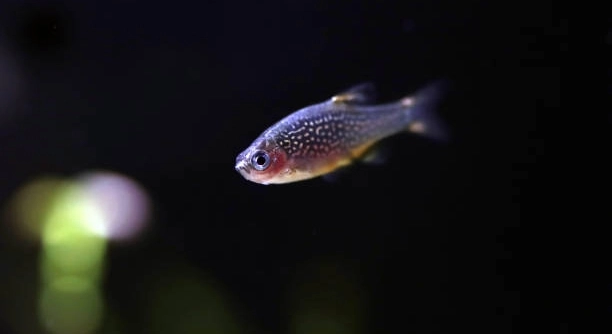
Do you ever find yourself arranging your aquarium and wondering which surfaces your danios will enjoy the most? These small, active fish interact with their environment in unique ways, responding to textures and spaces within their tank.
Danios show a clear preference for textured surfaces such as smooth pebbles, fine gravel, aquatic plants, moss mats, driftwood, rock formations, and silicone mats. These materials provide both stimulation and comfort, encouraging natural swimming and exploratory behavior.
Knowing the right textures can make a noticeable difference in your tank’s harmony and your danios’ activity. These simple choices help create a more engaging and healthier environment.
Smooth Pebbles
Smooth pebbles are one of the most common textures found in danio tanks. They allow the fish to swim freely without risk of injury, and their polished surfaces reduce the buildup of harmful bacteria. Danios often glide over pebbles while exploring, resting, or searching for food. These pebbles are easy to clean, which helps maintain water quality and keeps the tank environment safe for your fish. Placing them evenly across the bottom creates open swimming areas and hiding spots, giving the danios both comfort and stimulation. Over time, you may notice your danios rubbing gently against the pebbles, a behavior that helps remove excess slime from their scales. Choosing pebbles of varied shapes and sizes adds subtle visual interest to the tank while still supporting the natural movement of the fish. Smooth pebbles complement plants and other decorations, creating a balanced tank environment.
Danios interact well with smooth pebbles because they provide safe surfaces for exploration and resting, promoting healthy activity.
Using smooth pebbles allows you to create multiple zones within the tank. You can combine them with plants, driftwood, or moss mats to give danios different textures to explore. Placement near tank edges or under gentle slopes encourages natural swimming patterns. The fish may show distinct preferences, often gravitating to areas with larger, evenly shaped pebbles. Smooth pebbles also aid in water filtration because debris collects on their surfaces, making it easier to clean. Maintaining a mix of pebble colors can enhance visual appeal without overstimulating the fish. Over time, the interaction between your danios and the pebbles becomes part of their routine, supporting both physical and mental health. Smooth pebbles remain a practical and aesthetically pleasing choice for any danio tank setup.
Fine Gravel
Fine gravel creates a soft surface that danios explore frequently. It provides slight resistance under their fins, encouraging gentle movement and interaction. This texture allows for natural foraging behaviors and supports small plants that enhance tank aesthetics.
Danios often swim along fine gravel, using it as a stable base for exploring and resting while keeping the tank organized.
Fine gravel can be arranged in shallow layers to create a consistent base throughout the tank. Its small granules make it easy to plant rooted aquatic vegetation, giving danios additional areas to hide or investigate. The texture of fine gravel is gentle on delicate fins and scales, reducing the risk of abrasions compared with rougher substrates. Regular cleaning prevents debris from accumulating between the grains, maintaining water quality and a healthy environment. By combining fine gravel with other textures like driftwood or moss mats, you can offer a varied landscape that keeps the danios active and engaged. This subtle diversity supports natural behaviors, giving the fish a sense of security while allowing them to express their exploratory instincts fully.
Aquatic Plants
Danios enjoy swimming through and around aquatic plants. The leaves provide shelter, resting areas, and opportunities to explore, while also offering a soft surface for rubbing and brushing against.
Planting a variety of species gives danios both vertical and horizontal spaces to navigate. Tall plants like vallisneria or amazon sword create shaded areas, while shorter plants like java moss or anubias encourage bottom-level exploration. The plants’ textures vary from smooth to slightly rough, offering tactile stimulation for the fish. They also help maintain water quality by absorbing excess nutrients, which reduces algae growth and keeps the tank healthier. Danios may weave in and out of plant clusters, resting among the leaves or chasing each other around stems. Plants also help create a more natural and balanced environment, encouraging regular activity and reducing stress levels. Strategic placement can highlight certain areas of the tank, guiding the fish to explore every corner.
Combining plants with other textures, like pebbles or driftwood, increases interaction. Danios actively explore, swim, and hide among greenery, making the tank more dynamic.
Moss Mats
Moss mats provide a soft, dense texture that danios enjoy brushing against while swimming or resting. They encourage gentle foraging and play.
Dense moss mats act as both decoration and a functional habitat. The soft texture allows danios to swim close to the substrate without injury. Small debris and food particles collect in the moss, giving the fish opportunities to forage naturally. Moss mats also help maintain water quality by absorbing nutrients, preventing excessive algae growth. The mats create shaded areas and tiny hiding spots, reducing stress and encouraging natural behavior. Danios may interact with the moss by resting on it, nudging it, or swimming through its dense surface. Positioning mats near open swimming zones and corners allows for varied exploration while maintaining open areas for active swimming. Over time, the moss becomes a central feature in the tank that promotes both mental and physical engagement.
Regular trimming of moss mats ensures water flow and prevents decay, keeping the environment safe and stimulating for your danios. Proper maintenance allows the fish to enjoy the texture fully while supporting overall tank health.
Driftwood
Driftwood offers a natural texture that danios like to explore. Its surfaces provide rubbing areas and crevices for hiding, making the tank feel more dynamic and engaging.
Placing driftwood strategically creates vertical and horizontal surfaces for interaction. Danios often swim around it, rest near it, or investigate small holes and grooves.
Rock Formations
Rock formations give danios a variety of surfaces for climbing, hiding, and swimming around. Smooth and rough rocks together stimulate natural behaviors. Arranging rocks in clusters creates caves and tunnels, promoting exploration while giving the fish a sense of security. These formations can also help anchor plants and moss mats, integrating multiple textures in one area. Rock textures vary, allowing danios to experience gentle brushing or light scraping against different surfaces. Over time, the formations become central spots in the tank where fish gather or explore repeatedly. Combining rocks with open swimming spaces maintains balance, letting danios move freely while interacting with interesting textures. Proper placement ensures stable structures, preventing shifting that could stress the fish or damage plants.
Silicone Mats
Silicone mats provide a soft, flexible surface that encourages danios to explore without injury. They are easy to clean and maintain.
FAQ
What textures do danios prefer most in their tanks?
Danios respond best to a mix of textures. Smooth pebbles, fine gravel, aquatic plants, moss mats, driftwood, rock formations, and silicone mats all encourage natural behaviors. Each surface offers unique benefits, from safe resting areas to stimulation for swimming and exploring. Combining several types creates a more dynamic environment.
How do smooth pebbles benefit danios?
Smooth pebbles allow danios to move freely without injuring their fins or scales. They provide resting spots and support for natural rubbing behaviors that help remove excess slime. Their surfaces also collect debris in an easy-to-clean way, contributing to overall tank hygiene.
Why is fine gravel recommended for danios?
Fine gravel is soft and gentle, allowing for foraging behaviors and interaction with small plants. Its granular texture encourages bottom-level exploration while maintaining a safe environment. The small size also makes it easier to clean and prevents injuries during regular swimming.
Do danios interact with plants differently than other textures?
Yes, aquatic plants offer vertical and horizontal spaces for hiding, resting, and exploring. Leaves provide soft surfaces for rubbing and areas for the fish to weave through. The variety of plant species in a tank encourages movement and adds both tactile and visual stimulation.
What role do moss mats play in a danio tank?
Moss mats create dense, soft areas where danios can rest or forage. The texture allows gentle brushing against the fins and provides tiny hiding spots. Moss also absorbs nutrients, reducing algae growth, and can be trimmed to maintain water flow and overall tank health.
How does driftwood affect danio behavior?
Driftwood introduces a natural surface with grooves, crevices, and irregular textures. Danios often swim around it, rest nearby, or explore its nooks. It encourages curiosity while providing partial shelter, helping reduce stress and adding vertical and horizontal complexity to the tank.
Are rock formations useful for danios?
Yes, rock formations offer both smooth and rough surfaces that promote natural behaviors like climbing, hiding, and swimming through tunnels. They also help anchor plants and moss mats. Proper arrangement ensures stability, prevents shifting, and supports a balanced tank environment.
Can silicone mats be used safely in a danio tank?
Silicone mats are soft, flexible, and safe for danios. They provide a gentle surface for resting and interaction, and their nonporous material makes cleaning simple. Silicone mats can be combined with other textures to create varied areas within the tank for exploration and activity.
How often should textures in the tank be cleaned or replaced?
Regular maintenance is important. Smooth pebbles and gravel should be rinsed to remove debris, moss mats trimmed to maintain health, and driftwood checked for decay. Silicone mats can be wiped down periodically. This prevents bacteria buildup and ensures surfaces remain safe for the fish.
Do danios show preferences for certain textures at different times?
Yes, danios may gravitate toward softer surfaces like moss mats when resting and harder textures like rocks or driftwood when exploring. Observing their behavior can help determine which textures they interact with most, allowing adjustments to create an enriched and stimulating environment.
Can mixing textures improve a danio tank?
Absolutely. A combination of smooth pebbles, fine gravel, plants, moss mats, driftwood, rocks, and silicone mats provides variety. This diversity encourages natural behaviors, reduces stress, and makes the tank more visually appealing. Mixing textures supports both physical activity and mental stimulation for the fish.
Is it necessary to remove old textures over time?
Only if they show signs of decay or excessive algae buildup. Most surfaces, like pebbles, rocks, and silicone mats, are long-lasting. Moss mats and plants may need regular trimming or replacement to maintain safe, clean conditions for the danios. Proper care ensures textures remain beneficial and engaging.
How do textures impact danio health?
Textures affect both physical and mental health. Safe surfaces prevent injuries, while varied textures stimulate natural exploration and foraging behaviors. Incorporating multiple textures reduces stress, encourages activity, and contributes to overall wellbeing, making the tank a healthier environment for the fish.
Are there textures to avoid for danios?
Sharp or jagged surfaces should be avoided. Rough or uneven edges can injure fins and scales. Anything that traps debris excessively or encourages stagnant water may also harm water quality. Sticking to smooth, soft, or gently textured surfaces keeps the tank safe and comfortable.
How can textures be arranged to maximize interaction?
Place larger structures like rocks or driftwood near plants or open areas. Use moss mats to create shaded zones and combine fine gravel or pebbles with hiding spots. Varying heights, open spaces, and resting areas encourages danios to swim, explore, and interact naturally throughout the tank.
Final Thoughts
Creating a comfortable and engaging tank for danios requires attention to the textures present in their environment. Each surface, from smooth pebbles to moss mats, plays a role in how these small fish move, rest, and interact with their surroundings. Smooth pebbles and fine gravel provide safe, stable surfaces that allow danios to swim freely without the risk of injuring their fins or scales. These substrates also make maintenance easier because debris can be easily removed, helping keep water quality high. Over time, danios may develop preferences for certain textures, often gravitating toward areas where they feel safest or most stimulated. Observing their behavior can help you adjust the tank setup to better suit their needs.
Aquatic plants and moss mats add a different dimension to the tank. Plants create vertical and horizontal spaces for exploration, offering both shelter and surfaces for rubbing or resting. Dense moss mats act as soft, interactive zones where the fish can forage gently or rest in comfort. Driftwood and rock formations further enrich the tank by introducing natural textures, hiding spots, and areas for climbing. These elements encourage natural behaviors such as weaving, chasing, and exploring, which help keep the danios active and mentally engaged. A tank with varied textures not only supports the physical wellbeing of the fish but also creates a more dynamic and visually appealing environment.
Silicone mats can also play a valuable role, providing a soft, flexible surface that is safe and easy to maintain. Combining multiple textures thoughtfully helps balance the tank, offering both open swimming spaces and areas of interest. Regular cleaning and occasional trimming of plants or moss ensure that the textures remain safe and hygienic, preventing buildup of debris or decay. Over time, the right combination of substrates, plants, and decorations can have a noticeable effect on the behavior and health of your danios. By considering the specific preferences and needs of the fish, you can create a tank that is both stimulating and safe, promoting natural activity and a sense of comfort throughout the aquarium.

Hello,
If you enjoy the content that we create, please consider saying a "Thank You!" by leaving a tip.
Every little bit helps us continue crafting quality advice that supports the health, happiness, and well-being of pets around the world, for pets of all shapes, sizes, and species.
We really appreciate the kindness and support that you show us!