
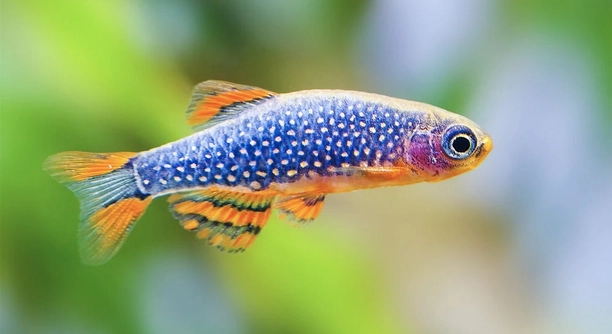
Do you love keeping danios but sometimes struggle to maintain a healthy tank environment for them? Ensuring your fish thrive requires attention to their weekly needs, from feeding schedules to water quality checks. Small habits create big differences.
Maintaining healthy danios relies on consistent weekly practices. Regular feeding, water testing, tank cleaning, monitoring behavior, and managing plant growth support optimal health, stress reduction, and long-term vitality, ensuring the aquatic environment remains stable and suitable for these active fish.
Implementing these habits is simpler than it seems, and with small steps, your danios can enjoy a thriving, balanced habitat each week.
Weekly Feeding Routine
Feeding danios on a consistent weekly schedule is essential for their health. Overfeeding can lead to poor water quality, while underfeeding may stunt growth and reduce activity levels. Small portions given multiple times a day are ideal, ensuring all fish receive proper nutrition. Flake food, frozen or live foods provide a balanced diet. Rotate food types weekly to supply necessary vitamins and minerals, supporting strong immunity and vibrant colors. Observing how quickly your danios eat helps adjust portion sizes, preventing leftover food from decomposing in the tank. Maintaining a predictable feeding routine also reduces stress and encourages natural behavior patterns. Some owners keep a feeding log to track amounts and types of food, which helps monitor their fish’s growth and health over time. Proper feeding not only supports individual health but also stabilizes water conditions by minimizing waste buildup. A small effort in feeding management has lasting positive effects on your aquarium.
Even minor adjustments in portion sizes can prevent water issues and keep your danios active and healthy throughout the week.
Consistently observing your fish during feeding times allows you to notice changes in appetite or behavior early. If a danio appears sluggish or ignores food, it may indicate stress, illness, or water imbalance. Keeping variety in food ensures they receive essential nutrients. Avoid sudden changes in diet, which can disrupt digestion. Supplementing with occasional treats like brine shrimp or daphnia can enhance color and activity. Feeding at the same times each day establishes a routine that benefits both fish and caretaker. Monitoring leftover food and adjusting portions accordingly reduces waste accumulation, keeping the tank cleaner. Healthy feeding habits directly influence the overall wellbeing of danios, maintaining energy levels, proper growth, and a visually vibrant aquarium.
Water Quality Checks
Checking water parameters weekly helps maintain a stable environment for danios. Small fluctuations in pH, ammonia, or nitrites can affect health quickly.
Maintaining water quality involves regular testing for pH, hardness, ammonia, nitrites, and nitrates. Using reliable test kits, record readings weekly and take corrective actions if needed. Partial water changes, typically 10–20 percent weekly, help maintain balance. Temperature consistency is also critical; sudden drops or spikes can stress fish, weaken immune systems, and encourage disease. Filtration systems must be cleaned gently to prevent bacterial loss, which supports the nitrogen cycle. Removing uneaten food and debris ensures water clarity and reduces toxin buildup. Plants and decorations should be checked for decay, as decomposing matter affects water chemistry. Weekly observation of fish behavior alongside water tests provides insight into overall tank health. Adjusting maintenance routines according to seasonal changes or tank stocking levels ensures a consistently safe environment. A proactive approach in water quality management minimizes risks and promotes long-term vitality.
Tank Cleaning
Regular tank cleaning prevents waste buildup and maintains a healthy environment. Remove debris, algae, and uneaten food weekly. Partial water changes help stabilize water chemistry and reduce toxins.
Using a siphon, vacuum the substrate gently to remove waste without disturbing beneficial bacteria. Clean decorations and glass surfaces to prevent excessive algae growth. Replace about 10–20 percent of the water weekly, ensuring the new water matches the tank temperature and pH. Avoid using soap or chemicals, as these can harm your danios. Maintaining filters by rinsing sponges in old tank water keeps them effective without eliminating helpful bacteria. Consistent cleaning prevents disease outbreaks and keeps the tank visually appealing. Observing fish during cleaning can also reveal early signs of stress or illness, allowing timely intervention.
Neglecting tank cleaning can lead to cloudy water, algae overgrowth, and unhealthy fish. Maintaining a regular schedule ensures a balanced, thriving environment for your danios.
Observation of Behavior
Noticing changes in your danios’ behavior is a key part of weekly care. Look for signs of stress, lethargy, or unusual swimming patterns.
Active, social fish usually indicate good health, while hiding, floating near the surface, or clamped fins can signal problems. Observe interactions among tank mates to ensure no bullying occurs, as aggression can cause injury or stress. Tracking behavior weekly helps identify patterns that may relate to water conditions, diet, or disease. Recording observations allows you to adjust care routines, such as feeding, water changes, or tank layout, before small issues become serious. Regular observation helps maintain a harmonious environment, supports early intervention, and ensures your danios remain healthy and active.
Consistent behavioral checks also reinforce your connection with your fish, helping you notice subtle changes in appearance, appetite, or movement. This attention allows timely adjustments to diet, water quality, or tank setup. Healthy, active danios thrive in a stable environment where their behavior is monitored and needs are consistently met. It also strengthens your ability to respond to potential issues before they affect overall tank health, creating a safe and supportive habitat.
Plant and Decoration Care
Trim dead leaves and remove decaying plant matter weekly. Check decorations for algae or sharp edges that could harm your danios.
Rinse artificial plants and ornaments in tank water to remove buildup. Healthy plants support oxygen levels and provide hiding spots, promoting natural behavior and reducing stress for your fish.
Filter Maintenance
Filters should be inspected weekly to ensure proper water flow. Rinse mechanical parts gently in old tank water, avoiding soap. Proper filtration removes debris and maintains water clarity. Regular maintenance prevents clogs and keeps beneficial bacteria intact, supporting a stable nitrogen cycle and a healthy environment for danios.
Monitoring Temperature
Check water temperature every week to maintain consistency. Sudden changes can stress danios and affect their immune system. Using a reliable thermometer ensures the tank remains within the ideal range for their activity and health.
FAQ
How often should I feed my danios?
Feed your danios small portions two to three times daily. Overfeeding can pollute the water, while underfeeding may reduce activity and growth. Rotate flake, frozen, and live foods weekly to provide balanced nutrition and maintain color and energy.
What is the best way to clean the tank without harming the fish?
Perform a partial water change of 10–20 percent weekly. Use a siphon to remove debris from the substrate and rinse decorations in old tank water. Avoid soap or chemicals that could harm your fish and disrupt beneficial bacteria.
How do I know if my danios are stressed?
Signs include hiding, clamped fins, floating near the surface, or erratic swimming. Stress can result from poor water quality, overcrowding, sudden temperature changes, or aggressive tank mates. Monitoring behavior weekly helps detect issues early and allows for timely adjustments.
What temperature should my danios live in?
Maintain the tank between 72–78°F (22–26°C). Use a reliable thermometer to check weekly. Sudden fluctuations can weaken their immune system and increase susceptibility to disease, so stability is essential for long-term health.
How often should I test water parameters?
Check pH, ammonia, nitrites, and nitrates at least once a week. Regular testing prevents harmful chemical buildup. If readings fall outside the ideal range, take corrective actions such as partial water changes, adjusting filtration, or modifying feeding habits.
Can I keep plants with my danios?
Yes, live or artificial plants are beneficial. Trim dead leaves weekly and remove decaying matter. Plants improve oxygen levels, provide hiding spaces, and reduce stress. Check that decorations are smooth to avoid injuries during swimming or playful chasing.
What should I do if one danio appears sick?
Isolate the affected fish in a quarantine tank to prevent disease spread. Observe symptoms closely and adjust water parameters, diet, and temperature as needed. Early intervention improves recovery chances and protects the health of the rest of the tank.
How do I prevent algae buildup?
Limit direct sunlight, avoid overfeeding, and maintain proper filtration. Clean glass, decorations, and plants weekly. Using live plants helps compete for nutrients, naturally reducing algae growth and keeping the tank visually clean.
How do I maintain filter efficiency?
Rinse filter sponges and mechanical parts weekly in old tank water to prevent clogs. Avoid using tap water or soap. Maintaining the filter ensures proper water circulation, debris removal, and supports beneficial bacteria necessary for a balanced nitrogen cycle.
Is it necessary to monitor danio behavior regularly?
Yes, weekly observation helps detect stress, disease, or aggression early. Active, social fish indicate a healthy tank. Recording behavior allows adjustments in feeding, water quality, or tank setup, promoting a harmonious environment and long-term wellbeing for your danios.
Can danios live in community tanks?
Danios are generally peaceful and do well with other small, non-aggressive fish. Ensure tank size is adequate, monitor interactions, and maintain water quality. Proper care prevents stress and ensures that all species thrive in a shared environment.
How often should I replace water entirely?
Full water replacement is rarely necessary. Regular partial changes of 10–20 percent weekly are sufficient. This approach stabilizes water parameters, preserves beneficial bacteria, and maintains a healthy, balanced environment for your danios.
What are signs of poor water quality?
Cloudy water, algae overgrowth, fish hiding, or lethargy indicate water imbalance. Regular testing, partial water changes, and filter maintenance prevent issues and ensure a clean, safe habitat for all fish.
How can I improve my danios’ color and activity?
Provide a balanced diet with varied foods, maintain stable water parameters, and offer plants or hiding spots. Consistent care and observation ensure your danios remain active, healthy, and vibrant, reflecting their natural behavior and coloring.
Are there any special considerations for tank size?
Danios are active swimmers and need at least 10 gallons for a small group. Larger tanks reduce stress, allow proper schooling behavior, and make maintaining water quality easier. Overcrowding leads to aggression, stress, and increased waste production.
How do I handle seasonal changes in the aquarium?
Adjust heating or cooling to maintain a stable temperature. Seasonal fluctuations in room temperature can stress fish. Monitor water chemistry and behavior closely, and make small adjustments in feeding and water maintenance to keep the tank stable year-round.
What is the best way to introduce new fish?
Quarantine new fish for at least two weeks before adding them to the main tank. Gradually acclimate them to water temperature and chemistry to reduce stress and prevent disease transmission to existing danios.
How do I ensure long-term health for my danios?
Consistent weekly care, including feeding, water testing, tank cleaning, filter maintenance, temperature monitoring, and observation, supports overall health. Maintaining a stable, clean, and enriched environment allows danios to thrive and display natural behaviors and vibrant coloration.
How can I prevent disease in my tank?
Regular maintenance, stable water conditions, proper diet, and observation reduce disease risk. Quarantining new fish, avoiding overstocking, and promptly addressing any health concerns maintain a safe and healthy environment for all danios.
What should I do if algae growth becomes excessive?
Remove algae manually during weekly cleaning, reduce excess light, control feeding, and ensure adequate filtration. Live plants can outcompete algae for nutrients. Consistent maintenance prevents it from overwhelming the tank and negatively affecting water quality or fish health.
How often should I change filter media?
Replace chemical media such as activated carbon monthly or as recommended. Mechanical and biological media should be rinsed gently in old tank water to preserve beneficial bacteria. Proper filter media management ensures stable water quality and effective filtration.
What are the common signs of overfeeding?
Uneaten food accumulating in the tank, cloudy water, algae growth, or overweight fish indicate overfeeding. Adjust portion sizes and feeding frequency to prevent water quality issues and maintain the health and activity of your danios.
Can danios tolerate slightly different water pH levels?
They can adapt to a range of 6.5–7.5 pH, but sudden changes can cause stress. Regular testing and gradual adjustments maintain a safe and stable environment, ensuring optimal health and behavior for your fish.
How do I maintain a balanced diet for my danios?
Feed a variety of flake, frozen, and live foods to provide essential nutrients. Rotating food types weekly ensures proper growth, vibrant colors, and overall vitality. Occasional treats like brine shrimp or daphnia support activity and natural feeding behavior.
What should I do if my danios are aggressive toward each other?
Check stocking levels, ensure adequate space, and provide hiding spots with plants or decorations. Rearranging tank layout can reduce territorial disputes. Consistent observation helps identify individuals causing stress and allows timely intervention to restore harmony.
How can I tell if a danio is not eating enough?
Watch for weight loss, lethargy, or reduced activity. Adjust portion sizes, feeding frequency, or type of food. Early intervention prevents health decline and maintains energy and vibrancy in your fish.
How important is lighting for danios?
Lighting supports plant growth, regulates activity, and maintains circadian rhythms. Provide 8–10 hours of moderate light daily, and avoid sudden changes to reduce stress and encourage natural behavior. Balanced lighting also helps control algae growth.
What should I do if my tank becomes cloudy?
Test water for ammonia, nitrites, and nitrates. Perform a partial water change, clean substrate, and ensure proper filtration. Cloudiness often results from overfeeding, waste accumulation, or bacterial blooms, and addressing it quickly protects fish health.
Are danios suitable for beginners?
Yes, they are hardy, active, and adaptable. With consistent weekly care, proper feeding, water testing, and tank maintenance, even new fish keepers can successfully maintain a healthy and vibrant danio community.
Maintaining a healthy environment for danios requires consistent care and attention to detail. Weekly habits, such as feeding on a proper schedule, monitoring water quality, and cleaning the tank, directly affect their health and activity levels. Overfeeding or neglecting water changes can lead to poor water conditions, which stress fish and increase the risk of disease. By keeping a steady routine, you ensure that the tank remains balanced and your danios have a stable, safe habitat. Small, consistent actions, like observing behavior and trimming plants, create an environment where fish can thrive naturally. Each task, while simple on its own, contributes to the overall wellbeing of the aquarium, preventing problems before they escalate and keeping your fish active, colorful, and healthy.
Observation plays an equally important role in maintaining long-term health. Noticing changes in swimming patterns, appetite, or social interactions can indicate stress or illness early. By monitoring behavior weekly, you can adjust care routines, such as feeding amounts, water parameters, or tank layout, to address potential issues. Filters, decorations, and plants all require attention, as accumulated waste or decaying matter affects water chemistry and fish comfort. Even minor signs, like a change in color or clamped fins, may indicate an imbalance in the tank that needs correction. This attentive approach allows you to respond promptly and maintain a peaceful, functional environment. By integrating simple, consistent practices into your weekly routine, you create a habitat where danios can exhibit natural behaviors, remain energetic, and thrive in a healthy community.
Ultimately, caring for danios is about establishing steady habits and staying observant. Weekly feeding schedules, water checks, cleaning, and monitoring behavior work together to maintain a balanced ecosystem. Supporting plant growth, maintaining filtration, and preventing overfeeding are small efforts that produce significant results in fish health and activity. By keeping routines simple and consistent, you reduce stress for your fish and protect them from common issues like poor water quality or disease. Healthy danios display vibrant colors, engage actively with their environment, and enjoy a longer life when provided with proper care. Focusing on these manageable weekly habits ensures your aquarium remains stable, safe, and enriching for your fish, while making maintenance straightforward and predictable for you. This approach promotes a harmonious environment that benefits both the fish and the overall enjoyment of keeping an aquarium.

Hello,
If you enjoy the content that we create, please consider saying a "Thank You!" by leaving a tip.
Every little bit helps us continue crafting quality advice that supports the health, happiness, and well-being of pets around the world, for pets of all shapes, sizes, and species.
We really appreciate the kindness and support that you show us!