
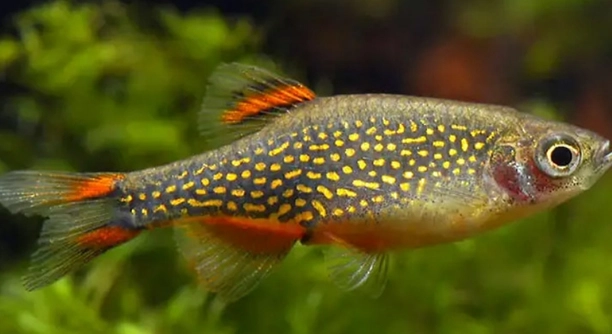
Danios are active, small fish that bring energy to any aquarium. Observing them swim gracefully can be calming, but sometimes they scatter suddenly, leaving owners surprised and unsure of what triggered the behavior in their tank.
Sudden scattering in Danios is usually caused by environmental or social stressors. Common triggers include abrupt changes in water temperature, loud noises, strong currents, sudden movements near the tank, overcrowding, aggressive tank mates, and inadequate hiding spaces.
Identifying these triggers is essential for maintaining a calm and healthy aquarium environment. Recognizing patterns in their behavior will help prevent stress and support their natural swimming habits.
Sudden Changes in Water Temperature
A rapid shift in water temperature can be very stressful for Danios. These fish are sensitive to their environment, and even a few degrees’ difference can trigger erratic swimming or sudden scattering. Changes often happen when adding new water that isn’t properly tempered or when the heater malfunctions. It’s important to monitor the aquarium temperature regularly, using a reliable thermometer. Gradual adjustments are safest, allowing fish to acclimate without panic. Stress from temperature fluctuations can weaken their immune systems, making them more prone to illness. Many Danio owners notice a pattern of darting or hiding when the water feels cooler or warmer than usual. Avoid placing the tank near drafts, direct sunlight, or heating vents, as these can cause uneven temperatures. Providing a stable and consistent environment promotes calm swimming and reduces sudden, stressful movements. Observing their behavior after any temperature adjustment helps in identifying and correcting problems promptly.
Keeping water temperature consistent reduces stress and keeps Danios active and healthy in their aquarium environment.
Even small, unnoticed temperature swings can have significant effects. Danios often react by scattering quickly or clustering in areas with more comfortable temperatures. Maintaining stable conditions ensures they remain calm, swim naturally, and engage with their surroundings. Frequent monitoring and careful water changes are essential to support their wellbeing.
Loud Noises or Vibrations
Danios are highly sensitive to vibrations and loud sounds near their tanks. Sudden bangs, claps, or even footsteps can cause them to scatter in panic.
Exposure to constant noise or vibrations leads to stress, which may affect feeding, growth, and immune health. Over time, fish may develop nervous habits, hiding frequently or darting unexpectedly. It’s best to position the tank in a quiet area, away from high-traffic zones or household appliances that generate vibrations. Covering the tank lightly or using foam pads under the stand can also reduce the impact of external sounds. Providing plants or decorations for hiding spaces gives Danios a sense of security, helping them cope with occasional disturbances. Monitoring their reactions helps identify sources of stress, allowing adjustments before the fish develop long-term anxiety. Regular observation, combined with environmental modifications, supports calmer, healthier fish and ensures their natural behavior remains consistent. Adjustments in placement, structural stability, and noise management can greatly improve overall tank conditions for these sensitive swimmers.
Sudden Movements Near the Tank
Danios react quickly to sudden movements outside the tank. Quick gestures, leaning over, or tapping the glass can startle them, causing them to scatter immediately.
Even minor activities near the tank can trigger stress. Danios are prey species, naturally alert to any perceived danger. Leaning over the tank, reaching for decorations, or walking quickly past can cause sudden bursts of movement. Over time, repeated disturbances may make the fish more skittish, reducing their comfort and natural swimming patterns. Minimizing abrupt movements and approaching the tank calmly helps maintain a peaceful environment. Observing their reactions and adjusting habits around the aquarium ensures they remain relaxed and display normal behavior.
Using consistent, slow movements around the aquarium allows Danios to swim naturally. Avoid tapping the glass or making sudden gestures that can disturb them. Small adjustments in behavior near the tank create a calmer atmosphere and reduce scattering episodes.
Aggressive or Overcrowded Tank Mates
Aggressive or overly active tank mates can stress Danios, causing sudden scattering. Conflicts and chasing disrupt their normal swimming patterns.
Overcrowding amplifies stress and can lead to constant darting or hiding. Danios need space to swim freely, and excessive numbers or incompatible species increase tension. Aggressive fish may nip at fins, leaving Danios anxious. Providing enough room, carefully selecting compatible species, and observing interactions are key to reducing stress. Regular monitoring helps identify problematic tank mates before they cause long-term issues. Adjusting stocking levels and separating aggressive individuals ensures Danios maintain calm swimming patterns and remain healthy.
Stress from aggressive or overcrowded conditions can also affect feeding, growth, and immune health. Danios in tense environments may eat less or display erratic behavior. Ensuring proper tank size and compatible companions is essential for their well-being. Decorations, hiding spaces, and careful observation further help maintain balance, allowing Danios to thrive without constant stress. Maintaining harmony within the tank prevents panic-driven scattering and supports overall fish health and stability.
Inadequate Hiding Spaces
Danios need places to hide when they feel threatened. Lack of cover can make them feel exposed, prompting sudden scattering.
Providing plants, rocks, or decorations creates safe zones. These spaces reduce stress and give Danios confidence to swim calmly.
Strong Currents
Strong water currents can push Danios off course and make them panic. They prefer gentle, steady flows that allow controlled swimming.
Currents created by powerful filters or pumps may overwhelm them, causing constant darting. Adjusting flow rates and using flow deflectors helps create a more suitable swimming environment. This encourages natural movement, reduces stress, and prevents exhaustion. Observing their response to water movement ensures conditions remain safe and comfortable. Even small adjustments can significantly improve overall behavior and stability in the tank.
Sudden Lighting Changes
Fluctuations in lighting can startle Danios, leading to scattering. Turning lights on or off abruptly disturbs their sense of security.
FAQ
Why do my Danios scatter suddenly even in a calm tank?
Even in seemingly calm conditions, Danios can react to subtle stressors. Minor vibrations, slight temperature changes, or light reflections can trigger sudden scattering. These fish are naturally alert and sensitive, so small environmental changes can make them dart unexpectedly.
Can overcrowding make Danios panic?
Yes, overcrowding increases competition for space and resources, creating stress. When tanks are overstocked, Danios may feel trapped or threatened, leading to sudden bursts of movement. Proper stocking density and compatible tank mates reduce anxiety and allow them to swim comfortably.
Do loud household noises affect Danios?
Danios are sensitive to sounds and vibrations. Loud music, claps, or heavy footsteps can startle them. Positioning the tank in a quiet area and avoiding constant disturbances helps maintain calm behavior and prevents panic-driven scattering.
How does water temperature influence Danios’ behavior?
Danios are sensitive to rapid shifts in temperature. Even small changes can stress them, causing sudden darting or hiding. Using a stable heater and monitoring water temperature regularly keeps conditions consistent and reduces unexpected stress responses.
Can strong water currents make Danios scatter?
Yes, strong currents from filters or pumps can overwhelm them. Danios prefer gentle flows that allow controlled swimming. Adjusting the flow rate or using deflectors helps create a calm environment and prevents constant panicked movement.
Do Danios need hiding spaces?
Providing plants, rocks, or decorations gives Danios secure spots to retreat. Lack of hiding spaces can make them feel exposed and anxious, resulting in sudden scattering. Hiding spots help reduce stress and support natural swimming behaviors.
Does lighting affect Danios’ stress levels?
Sudden lighting changes can startle Danios. Abruptly turning lights on or off may trigger scattering. Gradual transitions or dimmers can help them adjust, maintaining a stable environment that encourages calm behavior.
Will aggressive tank mates cause Danios to panic?
Aggressive or overly active tank mates can trigger stress. Danios may scatter to avoid confrontation or fin nipping. Choosing peaceful companions and monitoring interactions reduces tension and allows Danios to swim naturally without constant fear.
How can I tell if my Danios are stressed?
Signs of stress include rapid darting, hiding, loss of appetite, and erratic swimming. Observing behavior after changes in tank conditions helps identify stress triggers. Early intervention prevents long-term health problems and supports overall wellbeing.
Can diet impact sudden scattering?
While diet alone rarely causes scattering, poor nutrition can weaken fish, making them more sensitive to environmental stressors. A balanced diet supports energy levels, immune health, and resilience, helping Danios cope with minor disturbances without panicking.
Is sudden scattering harmful to Danios?
Occasional scattering is natural and not harmful, but frequent or intense reactions indicate stress. Long-term stress can affect growth, immunity, and lifespan. Addressing triggers like water quality, tank mates, and environment improves their comfort and reduces unnecessary panic.
How often should I monitor the tank to prevent scattering?
Regular observation is essential. Daily checks for water quality, temperature, and fish behavior allow early detection of stressors. Adjusting conditions promptly prevents repeated panic episodes and keeps Danios calm, healthy, and active.
Can acclimation help reduce sudden scattering in new Danios?
Proper acclimation when introducing new fish reduces stress. Gradually adjusting them to water temperature, pH, and lighting allows them to settle in without sudden panic, encouraging natural swimming behavior and smoother adaptation to their new environment.
Are there any long-term solutions to prevent scattering?
Stable water conditions, proper tank mates, sufficient space, hiding spots, gentle water flow, and consistent lighting collectively prevent stress-induced scattering. Observing behavior, maintaining water quality, and providing a safe, comfortable environment ensures Danios swim calmly over the long term.
Does tank location matter for Danios’ behavior?
Yes, placing the tank away from heavy foot traffic, loud appliances, or direct sunlight reduces stress. A stable, quiet location minimizes disturbances and helps Danios maintain calm swimming patterns, preventing sudden scattering.
Can stress from handling cause Danios to scatter?
Handling or frequent tapping of the tank can trigger immediate panic. Minimizing direct interaction and using slow, careful approaches during maintenance keeps them relaxed and reduces stress-related reactions.
What role does water quality play in sudden scattering?
Poor water quality increases stress, making Danios more reactive. High ammonia, nitrite, or nitrate levels can cause erratic swimming. Regular testing, water changes, and proper filtration ensure a stable environment, reducing sudden darting behaviors.
How do seasonal changes affect Danios’ behavior?
Seasonal variations in room temperature, lighting, and humidity can subtly impact the tank. Sudden shifts may startle Danios, prompting scattering. Monitoring and adjusting tank conditions during seasonal changes helps maintain a stable environment and calmer behavior.
Can tank decorations influence scattering?
Yes, sharp or obstructive decorations may frighten or injure Danios, causing sudden bursts of movement. Smooth, safe decorations and ample open swimming space allow natural swimming and reduce stress-related scattering.
Is it normal for Danios to scatter together?
Yes, as schooling fish, Danios often scatter in unison when stressed. This synchronized movement is instinctive, a survival mechanism to confuse potential threats. Understanding triggers and minimizing stress ensures this behavior remains occasional rather than constant.
Danios are lively and energetic fish that bring activity to any aquarium. Their sudden scattering can be alarming, but it is often a natural reaction to stress or environmental changes. Understanding the reasons behind this behavior is essential for maintaining a healthy tank. Many factors, from water temperature and lighting to tank mates and decorations, can influence how comfortable Danios feel. By paying attention to these details, owners can create a more stable environment that reduces panic-driven movements. Observing the fish regularly helps detect early signs of stress before they escalate into more serious health issues. Small adjustments, like adding hiding spaces or moderating water flow, can have a significant impact on how calm the fish remain in their tank. Even minor changes in the environment, such as avoiding sudden movements nearby or managing noise, can prevent frequent scattering.
Maintaining proper water quality is another crucial aspect. Danios are sensitive to ammonia, nitrite, and nitrate levels, and poor water conditions can amplify stress. Regular testing and consistent water changes help ensure that conditions remain stable and safe. Temperature consistency is equally important, as sudden shifts can startle Danios and disrupt their swimming patterns. Choosing suitable tank mates and providing enough space for swimming also reduces tension in the aquarium. Stress from aggressive or overly active fish can lead to constant darting and hiding, while peaceful companions encourage calm behavior. Even the layout of decorations and plants can influence their sense of security. Providing cover allows Danios to retreat when needed, which reduces panic and supports natural schooling behavior.
Long-term care involves creating an environment that prioritizes stability, comfort, and predictability. Danios thrive when their surroundings remain consistent, with gentle water flow, gradual lighting changes, and minimal disturbances from outside sources. Feeding a balanced diet and maintaining overall tank health supports resilience against minor stressors. Observing patterns in behavior, responding to triggers, and making gradual adjustments help prevent repeated episodes of sudden scattering. Over time, this careful attention allows Danios to display natural, relaxed swimming habits and improves their overall wellbeing. By addressing environmental and social factors systematically, owners can foster a calm, healthy aquarium where Danios feel secure and enjoy an active, stress-free life.

Hello,
If you enjoy the content that we create, please consider saying a "Thank You!" by leaving a tip.
Every little bit helps us continue crafting quality advice that supports the health, happiness, and well-being of pets around the world, for pets of all shapes, sizes, and species.
We really appreciate the kindness and support that you show us!