
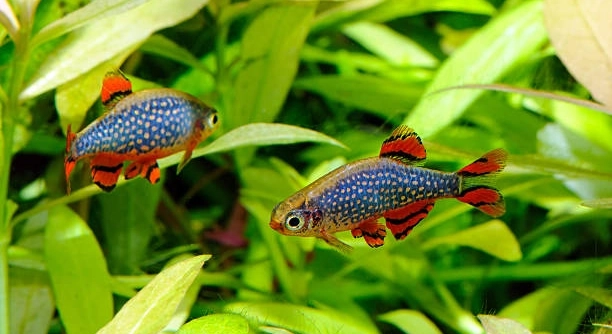
Danio fry are tiny and vulnerable in their early stages, making it important to provide them with safe spaces in an aquarium. Their survival often depends on hiding from larger tank mates and avoiding stress.
Providing decorations such as live plants, artificial plants, floating moss, caves, rock structures, dense foliage, and leaf litter creates effective hiding spots for danio fry. These elements reduce predation risk and promote natural behavior, supporting fry growth and overall tank stability.
Choosing the right decorations can improve fry safety and encourage natural behavior, making your aquarium a healthier and more supportive environment for their development.
Live Plants
Live plants provide natural cover for danio fry. They create dense areas where fry can hide from larger fish and feel secure. Plants like Java moss, hornwort, and floating plants work well because they grow quickly and offer many small spaces. The roots and leaves give fry places to rest, while also improving water quality by absorbing excess nutrients and producing oxygen. Live plants mimic a natural environment, reducing stress and encouraging healthy growth. Maintaining live plants requires monitoring lighting, CO₂ levels, and trimming to prevent overgrowth. Dense plant clusters are especially useful in community tanks where larger fish may prey on fry. The more variety in plant height and leaf structure, the more options fry have for hiding. Over time, plants become part of the tank’s ecosystem, creating a stable environment. Even small plant pots or anchored moss balls can serve as effective shelters in smaller aquariums.
Live plants not only hide fry but also improve water conditions naturally.
Using a mix of tall and short plants creates layered spaces. Fry can swim among stems, under floating leaves, or rest near roots. This arrangement reduces stress and supports feeding behavior while helping them avoid aggression from other fish. Regular trimming ensures plants do not overtake the tank, keeping hiding spots open.
Artificial Plants
Artificial plants provide consistent hiding areas without the maintenance live plants require. They are ideal for tanks where lighting or water conditions make plant growth difficult.
Artificial plants come in various shapes, sizes, and colors, offering multiple hiding options. They do not need trimming or special lighting, making them easy to arrange. Dense clusters allow fry to navigate safely, and broad leaves can shield them from active tank mates. When placing artificial plants, ensure they have no sharp edges that could harm fry. They can be anchored in substrate or weighted to prevent floating. A combination of tall stems and short bushes maximizes shelter. Regular cleaning prevents algae buildup and keeps the tank healthy. Artificial plants are versatile and durable, allowing for rearrangement when necessary. Using a mix of real and artificial plants can give fry both natural and stable hiding spaces.
Placing artificial plants near the tank edges encourages fry to explore while remaining protected.
In addition to providing cover, artificial plants offer consistent shelter for fry that may not survive in open areas. Unlike live plants, they maintain shape and density over time, ensuring predictable hiding spots. Fry tend to feel more secure with multiple layers of protection, and artificial plants can create those layers reliably. They are especially useful in heavily stocked tanks where live plants may be stressed or slow-growing. By combining different textures and heights, you can mimic natural hiding areas without intensive care. This consistency supports fry feeding and reduces stress-related mortality, contributing to healthier, more active young fish.
Do you want me to continue with the next two decorations in the same format?
Floating Moss
Floating moss drifts near the water surface, creating gentle cover for fry. It reduces light penetration and offers small hiding areas. Fry often rest beneath the moss, feeling safer from larger, more active fish.
Floating moss grows quickly and can spread across the tank surface, forming a soft canopy. It provides shelter for fry while allowing water to circulate freely underneath. The moss also captures tiny food particles, giving fry access to natural nourishment. Regular thinning prevents it from covering the entire tank, which could limit swimming space for other fish. Using floating moss alongside other decorations creates layered hiding spots, making fry feel secure throughout the tank.
Fry often swim beneath moss patches for comfort, darting out briefly to feed. The dense foliage reduces stress, encouraging healthy growth and activity.
Caves
Caves give fry secure, enclosed spaces where they can hide from predators. Small ceramic or rock caves are easy to place and rearrange in a tank.
Caves mimic natural hiding spots like crevices or hollow logs. Fry can retreat completely inside when threatened, which reduces stress and risk of injury. Multiple caves of different sizes allow fry to choose spaces that fit their size and comfort level. Placing caves near plants or moss enhances security by creating a combined shelter system. Avoid sharp edges or narrow openings that could trap fry or injure them. Caves also help establish territories, limiting conflicts between larger fish and fry. Using a variety of textures, shapes, and materials ensures a balanced, protective environment.
Caves can be positioned near the substrate or slightly elevated, giving fry flexible options. They complement other decorations, making the tank safer and more engaging for young fish. Fry will return frequently to these sheltered spaces, promoting confidence and stability in their environment.
Rock Structures
Rock structures create nooks and crannies where fry can hide safely. Stacked rocks or small formations offer multiple levels for exploring and resting without feeling exposed.
Smooth rocks with small gaps allow fry to move in and out easily. They provide shelter while maintaining water circulation and can be arranged in different patterns to create varied hiding spots throughout the tank.
Dense Foliage
Dense foliage offers thick coverage that fry can swim through and hide under. Artificial or live plants can form compact clusters.
Clumps of plants with overlapping leaves reduce visibility for larger fish. Fry can weave through stems, resting or feeding in relative safety. Foliage near the substrate and mid-water creates layers of protection that encourage natural behavior and growth.
Leaf Litter
Leaf litter on the substrate provides natural hiding areas for fry. It mimics conditions found in rivers and ponds.
Fallen leaves create shadowed spaces and small crevices that fry can use to avoid predators. They also foster microfauna growth, offering a natural supplementary food source.
FAQ
What is the best type of live plant for hiding danio fry?
Java moss and hornwort are excellent options because they grow densely and provide plenty of small spaces for fry. Floating plants also help by creating shaded areas near the water surface, reducing stress for young fish.
Can artificial plants really protect fry as well as live plants?
Yes. Artificial plants offer consistent cover and do not require maintenance like trimming or lighting. Dense clusters of artificial plants allow fry to hide and explore without risk, and using a mix of shapes and heights increases effectiveness.
How often should I trim plants used for hiding fry?
Trimming should be done regularly to prevent overgrowth, which can block swimming areas and reduce water circulation. Maintaining moderate density ensures fry have both hiding spots and open areas to swim and feed safely.
Are caves necessary if I have plenty of plants?
Caves are not mandatory but are highly recommended. They provide completely enclosed spaces where fry can feel secure. Even with dense plant cover, some fry prefer small, confined shelters to hide from more aggressive tank mates.
Can leaf litter affect water quality?
Yes, decomposing leaves can release tannins and affect water parameters. However, they also promote microfauna growth, which serves as a food source for fry. Regular removal of overly decomposed leaves keeps water safe while maintaining hiding benefits.
Is floating moss safe for all types of fry?
Floating moss is generally safe and provides soft cover. It reduces light exposure and encourages natural behavior. It is important to monitor growth so it doesn’t block the tank surface completely, limiting oxygen exchange or swimming space.
How should rock structures be arranged for fry safety?
Rocks should be stacked securely with small gaps for fry to swim through. Avoid sharp edges and tall unstable formations. Layering rocks at different heights creates multiple hiding spots and allows fry to choose spaces that feel safest to them.
Do fry prefer hiding near the surface or substrate?
Fry use both depending on their comfort and tank layout. Floating moss and mid-water plants offer surface cover, while dense foliage, caves, and leaf litter near the substrate provide lower-level protection. Providing options at all levels is ideal.
How many hiding spots should I provide?
Multiple hiding spots are essential, especially in community tanks. Fry should have options distributed throughout the tank to reduce competition and stress. A combination of plants, caves, moss, and rock structures ensures accessible shelters for all young fish.
Can decorations help fry grow faster?
Indirectly, yes. Reduced stress from sufficient hiding areas encourages feeding and natural behavior, supporting growth and survival. Fry in tanks with well-placed decorations are more active, feed efficiently, and are less prone to injury from tank mates.
How do I clean decorations without disturbing fry?
Gently rinse decorations in tank water during routine maintenance. Avoid harsh scrubbing or chemicals. For live plants, trimming leaves and roots carefully maintains structure without removing all hiding spaces. Artificial plants and rocks can be cleaned in a separate container of tank water.
Are there decorations that should be avoided for fry?
Avoid sharp, rough-edged items that can injure delicate fry. Large, flat decorations without hiding spaces are less helpful. Decorations that block water flow entirely can reduce oxygen levels and trap debris, creating unsafe conditions.
Can layering different decorations improve safety?
Yes. Combining tall plants, low foliage, floating moss, leaf litter, and caves creates multiple layers of protection. Fry can move between levels depending on perceived threats, which reduces stress and encourages exploration in a safe environment.
Should decorations be changed frequently?
Not necessarily. Stability helps fry establish comfort zones and territories. Occasional rearrangement is fine, but frequent changes can cause stress. Introduce new hiding spots gradually while keeping some familiar shelters in place.
Do decorations affect feeding behavior?
Yes. Fry are more confident feeding when they have nearby hiding spots. Dense foliage and moss allow them to forage safely, while caves and leaf litter provide cover to retreat when threatened, promoting consistent feeding and healthy growth.
Providing a safe environment for danio fry is essential for their survival and growth. Small fish like fry are naturally vulnerable, and without proper hiding spots, they can become stressed or fall prey to larger tank mates. Decorations in the aquarium are more than just aesthetic; they serve a practical purpose by giving fry places to hide and feel secure. Plants, moss, rocks, caves, and leaf litter each offer unique benefits. Dense foliage and floating moss allow fry to move freely while staying hidden from predators. Rocks and caves provide fully enclosed spaces where fry can retreat completely, reducing stress and encouraging natural behavior. Leaf litter adds both cover and a source of microfauna for additional nutrition. By carefully arranging these elements, you create multiple layers of protection that make the tank safer and more supportive for young fish.
Choosing the right decorations also affects water quality and tank stability. Live plants help absorb excess nutrients, producing oxygen and improving overall conditions for all fish. Floating moss and leaf litter can create shaded areas, reducing light intensity and preventing fry from feeling exposed. Even artificial plants serve an important role by maintaining consistent hiding spots without needing extensive care. Rock structures and caves, when placed properly, allow fry to explore safely while also helping establish territory within the tank. Each type of decoration contributes to a balanced ecosystem that supports not only the fry’s physical safety but also their natural behavior. Over time, these shelters can influence how fry feed, move, and interact with their environment, ultimately contributing to stronger, healthier fish. Maintaining these decorations is important, but it does not need to be complicated. Regular cleaning, careful trimming of plants, and monitoring of leaf litter are enough to keep hiding spots effective while ensuring the tank remains safe and clean.
Overall, creating an aquarium that prioritizes hiding spots for danio fry is a combination of thoughtful planning and observation. Watching how fry use different decorations helps determine which setups work best. Fry benefit from a mix of plant types, caves, moss, rocks, and leaf litter, each offering different kinds of protection and enrichment. Providing multiple layers and levels of hiding spots allows fry to move confidently through the tank without feeling threatened. Proper decoration placement reduces stress, encourages healthy growth, and can improve feeding behavior. Even small changes, like adding a few moss clusters or a small cave, can make a significant difference in fry survival. By combining these strategies, you ensure a supportive and secure environment, giving the young fish the best chance to grow into strong, healthy adults while maintaining a balanced and visually appealing aquarium.

Hello,
If you enjoy the content that we create, please consider saying a "Thank You!" by leaving a tip.
Every little bit helps us continue crafting quality advice that supports the health, happiness, and well-being of pets around the world, for pets of all shapes, sizes, and species.
We really appreciate the kindness and support that you show us!