
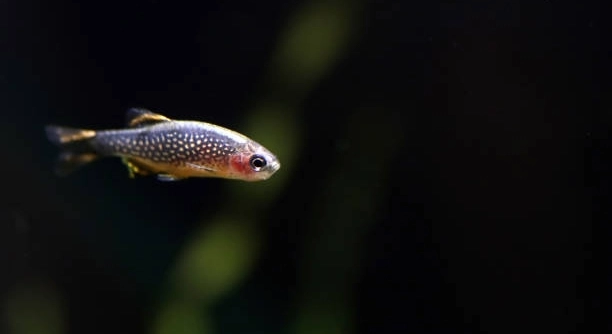
Observing nature closely can reveal fascinating details about fish and their habits. Spawning is one of the most intriguing behaviors, showcasing both strategy and instinct in the aquatic world. These moments often go unnoticed without careful attention.
Fish display a variety of spawning behaviors, including nest building, synchronized swimming, territorial defense, and elaborate courtship displays. Each species has unique strategies that maximize reproductive success, ensuring eggs are fertilized and offspring have the best chance of survival.
Learning to recognize these behaviors enhances appreciation of aquatic life and highlights the complexity beneath seemingly simple movements in water.
Nest Building and Site Preparation
Fish often invest significant effort into preparing a suitable nesting area for spawning. Many species select specific locations with protection from predators and stable conditions. Males frequently clear debris, smooth surfaces, or create pits to ensure eggs can attach safely. Some species even use plants or stones to form the nest. Nest selection is influenced by water temperature, current, and oxygen levels, all of which affect egg survival. In certain fish, males aggressively guard the site, chasing away intruders or rival males to protect potential offspring. Females may inspect multiple sites before choosing where to lay eggs, sometimes returning repeatedly to a preferred spot. This careful preparation highlights the importance of environment in reproductive success and shows how instinct drives behavior. Observing these patterns can make routine visits to ponds or rivers far more engaging, as subtle changes in the habitat can indicate active nesting activity. Each nest reflects a balance between survival and reproductive strategy, demonstrating nature’s precision.
Nest building ensures eggs remain safe and have a higher survival rate, showing the strategic side of fish behavior.
The attention to detail in nest construction is impressive. Some species spend hours or even days arranging materials. Smooth sand or pebbles are favored by species that deposit eggs on surfaces, while others prefer dense vegetation. The effort invested is not random; it increases the likelihood that eggs will stay hidden and well-oxygenated. Males often patrol constantly, fanning water over the eggs to supply oxygen and prevent fungus growth. Females contribute by laying eggs in carefully chosen locations, aligning with the male’s prepared area. Watching these behaviors reveals how instinct and environment interact to ensure the next generation thrives, turning ordinary water bodies into sites of intricate reproductive activity.
Courtship Displays and Mating Rituals
Fish perform elaborate movements, color changes, and posturing to attract mates and signal readiness.
These displays help synchronize spawning, ensuring eggs and sperm meet effectively for fertilization.
Courtship involves visual, chemical, and sometimes tactile signals. Many male fish display vibrant colors, flare fins, or perform intricate swimming patterns to draw attention. In some species, females respond by showing readiness through their own movements or color shifts. Timing is crucial, as synchronized release of eggs and sperm maximizes fertilization success. Some species engage in group spawning, where multiple males and females coordinate their efforts simultaneously. The intensity of courtship behaviors can indicate health, vitality, and genetic fitness. Observing these interactions can reveal subtle differences between individuals, offering insight into natural selection in action. Mating rituals also reduce the risk of eggs being abandoned or fertilized by the wrong male, making these behaviors essential for reproductive efficiency. Understanding courtship patterns allows one to appreciate the strategic and social elements in fish reproduction.
Territorial Defense
Males often guard their spawning areas aggressively, keeping rivals away to protect eggs and ensure their genes are passed on. This behavior is common in both freshwater and saltwater species.
Territorial defense can include chasing, nipping, or displaying threatening postures. In some cases, males create multiple nests and patrol each to maximize reproductive opportunities. Defense is strongest during peak spawning periods, when competition for mates is high. Males assess threats continuously and may escalate conflicts if an intruder approaches the nest. Energy invested in defending territory is balanced against feeding and survival needs, making timing and strategy crucial. Persistent defense increases the likelihood that eggs remain safe until hatching.
Some species adopt temporary alliances or tolerate neighbors if it benefits overall egg survival. This cooperation can reduce conflict while maintaining protection. Others use camouflage or structural features of the habitat to enhance defense. Observation shows that successful males combine vigilance, strength, and strategy to maintain control over spawning sites. Territorial behavior is a key factor in reproductive success, influencing both mating opportunities and offspring survival.
Synchronized Spawning
Many fish release eggs and sperm simultaneously to improve fertilization rates. Timing is often influenced by environmental cues like temperature, light, and tides.
Synchronized spawning reduces the risk of eggs being wasted or left unfertilized.
This behavior often occurs in schools, where multiple males and females coordinate release within minutes. Chemical signals in the water can trigger participation, ensuring maximum overlap between gametes. Some species time spawning with the lunar cycle or specific tides, which helps disperse eggs and larvae safely. Coordination decreases predation risks, as predators are overwhelmed by the sheer number of eggs released at once. Observing these events reveals remarkable precision, as individuals adjust their behavior in response to others around them. Synchronized spawning demonstrates the efficiency of instinct and timing in reproductive success, highlighting how collective behavior increases survival for the next generation.
Egg Fanning
Males often fan water over eggs to keep them oxygenated and free from debris. This ensures healthy development and reduces the chance of fungus.
Fanning also helps circulate water around the nest, preventing stagnation. It is a simple but vital behavior that increases survival rates of the eggs.
Camouflage and Hiding
Many fish lay eggs in hidden spots or use their coloration to blend with surroundings. This protects eggs from predators and environmental stress.
Selecting secluded areas or camouflaging effectively is essential. Eggs in exposed locations are more vulnerable, so instinct drives parents to use every available cover.
Pair Bonding
Some species form temporary pair bonds during spawning, staying close to each other while eggs are laid and fertilized. Coordination ensures maximum fertilization efficiency.
Pair bonds help maintain nest integrity, as both parents may contribute to guarding or cleaning. Cooperation reduces the risk of egg loss and demonstrates the importance of timing and teamwork in reproduction.
What is spawning and why is it important?
Spawning is the process by which fish reproduce, releasing eggs and sperm into water for fertilization. It is essential for maintaining populations and ensuring the survival of the species. Without successful spawning, fish numbers would decline, affecting ecosystems that rely on them for food and balance.
Spawning behaviors are often instinctive, shaped by environmental conditions and survival needs. Timing, location, and methods vary widely between species, reflecting adaptations to predators, water conditions, and competition. Observing spawning allows insight into these natural strategies and highlights how behavior supports reproduction.
How can I observe spawning without disturbing fish?
Watching fish spawn requires patience and minimal interference. Use binoculars or watch from a distance to avoid scaring them. Shallow waters, calm conditions, and early morning hours often increase visibility.
Avoid touching or moving nests, as disturbance can stress fish and reduce egg survival. Remaining quiet and stationary allows natural behaviors to unfold. Using natural barriers like vegetation or rocks can provide discreet viewing points. Observing consistently over time helps identify patterns without interfering.
Do all fish show the same spawning behaviors?
No, spawning behaviors differ widely among species. Some build nests, while others scatter eggs in open water. Courtship displays, territorial defense, and egg care vary according to evolutionary strategies and environmental conditions.
Species like cichlids exhibit intensive parental care, fanning and guarding eggs, while many pelagic fish rely on synchronized group spawning with no direct parental care. Understanding these differences shows how adaptation shapes reproductive success. Even closely related species may use different strategies to maximize survival.
How long does the spawning process usually last?
Spawning duration depends on species, environmental factors, and reproductive strategy. Some fish complete spawning in minutes, while others maintain nests and care for eggs for several days or weeks.
Short-duration spawners often rely on quantity, releasing hundreds or thousands of eggs at once. Long-duration spawners invest energy in nest building, guarding, and fanning to increase egg survival. Timing is closely linked to water temperature, light, and food availability, ensuring that eggs and fry have optimal conditions for growth.
What role does environment play in spawning?
Environment greatly influences spawning success. Water temperature, oxygen levels, current, and substrate type all affect where and how fish reproduce. Suitable conditions increase fertilization rates and egg survival.
Pollution, habitat destruction, and climate changes can disrupt spawning patterns. Fish may delay reproduction or fail to find suitable nesting sites. Observing natural spawning shows the close connection between behavior and habitat, and highlights the importance of maintaining healthy aquatic ecosystems.
Can fish spawn more than once in a season?
Some species spawn multiple times per season, while others reproduce only once. Factors like age, health, and environmental conditions determine frequency.
Multiple spawning allows higher reproductive output but requires more energy and increased parental investment in some species. Single-event spawners often produce a large number of eggs at once, relying on quantity rather than care. Monitoring local species can reveal how timing and frequency vary, showing the diversity of reproductive strategies in fish populations.
Why do some males guard the eggs while others do not?
Egg guarding is a strategy to improve survival rates, but not all males invest energy in this behavior. Some rely on quantity, producing many eggs with no care, while others ensure higher survival through active defense and fanning.
Guarding behavior depends on species, environmental risks, and competition. High predation pressure often triggers males to remain vigilant, while safer conditions reduce the need for protection. Understanding these strategies highlights the balance between effort, survival, and reproductive success.
How do fish coordinate synchronized spawning?
Synchronized spawning is often triggered by environmental cues like tides, temperature, and lunar cycles. Chemical signals in the water help fish coordinate timing, ensuring eggs and sperm meet effectively.
Group spawning reduces predation risks by overwhelming predators with sheer numbers of eggs. Coordination relies on instinctive responses and observation of nearby fish. Watching synchronized spawning demonstrates the efficiency of collective behavior in maximizing reproductive success and maintaining population stability.
Are there risks involved in spawning for fish?
Yes, spawning exposes fish to predators, energy depletion, and environmental challenges. Males defending nests risk injury or exhaustion, while eggs may fall prey to other animals if not adequately protected.
Environmental changes like temperature shifts or pollution can reduce fertilization success. Fish must balance energy spent on mating, defense, and survival. Observing these behaviors provides insight into the costs associated with reproduction and the delicate balance fish maintain to ensure their offspring survive.
What signs indicate that spawning has occurred in a habitat?
Visible nests, eggs attached to substrates, and changes in fish behavior are clear indicators. Males may appear more colorful, aggressive, or active during spawning periods.
In some areas, empty shells or remains of eggs can also signal recent spawning. Observing these signs over time allows one to track reproductive cycles and understand species-specific strategies. Habitat health and consistent environmental conditions often correlate with successful spawning indicators.
Spawning behaviors are some of the most fascinating aspects of fish life, showing how instinct, environment, and survival needs come together. Watching these behaviors reveals the care and effort fish put into reproducing, from building nests to fanning eggs and defending territories. Each species has its own approach, shaped by evolution and the challenges of its habitat. For example, some fish focus on quantity, releasing hundreds or thousands of eggs at once, while others invest time and energy in guarding and preparing a nest. These strategies are not random; they are designed to give offspring the best chance of survival. Even subtle actions, like synchronized swimming or gentle egg fanning, play a significant role in ensuring that eggs remain safe and oxygenated. Observing these behaviors can deepen appreciation for aquatic life and show that there is more happening beneath the water’s surface than might be immediately visible.
Environmental conditions are central to the success of spawning. Water temperature, oxygen levels, current, and substrate type all influence where and how fish reproduce. Many species have adapted to very specific conditions, making them sensitive to changes in their habitats. Pollution, habitat destruction, or sudden temperature shifts can disrupt spawning patterns, reducing reproductive success or delaying egg-laying. Fish often respond to these changes by altering timing or location, which demonstrates their ability to adapt but also highlights their vulnerability. Understanding the relationship between environment and spawning emphasizes the importance of preserving healthy aquatic ecosystems. Maintaining clean water, natural habitats, and stable conditions helps fish reproduce successfully and supports the overall balance of aquatic life. By observing and protecting these environments, it is possible to support both wild populations and the ecosystems they depend on.
The more closely one observes spawning behaviors, the more intricate and purposeful they appear. Territorial defense, courtship displays, synchronized spawning, and nest building all show that reproduction is a carefully coordinated process rather than a simple instinct. Each movement, display, and action contributes to reproductive success in its own way. By paying attention to these behaviors, it becomes clear that fish are active participants in their reproduction, not passive creatures. Recognizing the strategies and efforts involved provides insight into their natural cycles and the challenges they face. Appreciating these details encourages a greater respect for aquatic life and demonstrates the delicate balance required for successful reproduction. Observing fish spawning is not just about seeing eggs laid or nests built; it is about understanding the rhythms of nature and the complex interactions that ensure each generation has the opportunity to survive and thrive.

Hello,
If you enjoy the content that we create, please consider saying a "Thank You!" by leaving a tip.
Every little bit helps us continue crafting quality advice that supports the health, happiness, and well-being of pets around the world, for pets of all shapes, sizes, and species.
We really appreciate the kindness and support that you show us!