
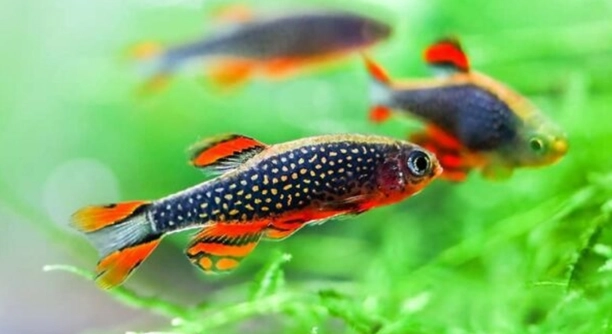
Danios are small, active fish often found in home aquariums. They interact with each other in ways that are easy to miss, using subtle movements and gestures that reflect their moods and intentions.
Danios communicate through tiny, observable behaviors including fin flicks, body vibrations, tail movements, and changes in swimming patterns. Each gesture conveys information about social hierarchy, feeding readiness, or alertness, forming a consistent and recognizable system of interaction.
Observing these actions closely can reveal a lot about your fish’s daily life and their relationships within the tank. It highlights the complexity of their social world.
Fin Flicks and Quick Turns
Danios often communicate with short, sharp flicks of their fins. These movements are fast and subtle, but they carry meaning for other fish nearby. A flick can indicate excitement, a warning, or readiness to interact. Watching carefully, you might notice patterns that repeat over time. These tiny actions are more than random movements; they show attention and alertness. A quick turn combined with a fin flick can signal interest in food or a change in the tank environment. Observing these behaviors regularly can help you understand the social structure among your fish. It also shows which fish are dominant or more submissive. Over time, you’ll see how these flicks coordinate with swimming patterns and other gestures. Recording their movements might reveal favorite spots in the tank or favorite companions. Even small flicks near the tank surface can indicate anticipation for feeding. These details are subtle but meaningful.
Fin flicks are deliberate movements that serve as communication signals. They help fish express alertness, social ranking, or interest in food and environmental changes.
Noticing fin flicks regularly can make feeding times and tank interactions easier to manage. It gives insight into each fish’s personality and comfort level.
Tail Wagging and Swaying
Tail wagging is another way Danios communicate. It can show agitation, excitement, or intention to move.
Tail movements are powerful indicators of mood. A rapid wag can mean alertness, while gentle swaying may show contentment or relaxation. These behaviors often occur alongside body position changes and fin flicks, giving a fuller picture of communication. When Danios wag their tails near other fish, it can indicate social interaction or mild aggression. In feeding situations, tail movement may signal eagerness or anticipation. Observing patterns can also reveal preferred areas in the tank, as fish may wag more when approaching favorite spots. Repeated tail wagging often coincides with coordinated swimming in groups, helping maintain school formation and group cohesion. Tail signals are especially important during breeding times, when slight movements communicate readiness or interest. By paying attention to tail behavior, aquarists can better understand their fish’s responses to new tank additions, changes in environment, or health issues. Small tail gestures may seem insignificant but are essential in their daily interactions.
Bubble Blowing
Danios sometimes release small bubbles while swimming. This action can indicate curiosity, exploration, or excitement within the tank.
Bubble blowing often occurs near objects or tank decorations. Fish may create bubbles while inspecting their environment or testing currents. These tiny bubbles are not just accidental; they can show interest in a new plant, hiding spot, or even the surface during feeding. Watching when and where your Danios blow bubbles helps identify areas they prefer or interact with most. Consistent bubble activity might also indicate alertness, signaling that the fish are engaged with their surroundings. Even though the bubbles are subtle, tracking their frequency can reveal patterns tied to feeding times or social interactions. Over time, you might notice some fish are more active bubble makers than others.
Observing bubbles in combination with tail and fin movements provides a more complete understanding of fish behavior. Tracking these signs can help in monitoring overall health and social dynamics within the tank.
Gentle Nudges
Gentle nudges between Danios are common during group swimming. These nudges communicate interest or encourage movement.
A light nudge often occurs when one fish approaches another in close proximity. Nudging can indicate playfulness, social bonding, or mild dominance. It can also prompt fish to move away from crowded areas or alert them to nearby food. These interactions are part of natural schooling behavior, keeping the group coordinated and aware of each other’s presence. Fish often nudge when exploring new objects or rearranged decorations, signaling curiosity or cautious investigation. Repeated nudging can also establish hierarchy, with more assertive fish guiding others around the tank. Monitoring these behaviors allows a clearer view of social structure and daily patterns.
Noticing nudges alongside tail movements and fin flicks offers insight into relationships between fish. Subtle body contact shows how Danios maintain group cohesion, navigate shared spaces, and respond to environmental changes. Understanding these gestures helps ensure a calmer, balanced tank environment.
Mirror Swimming
Danios sometimes swim side by side, mirroring each other’s movements. This behavior strengthens social bonds and maintains group coordination.
Mirror swimming helps fish stay aware of each other. It reduces conflicts and promotes smoother schooling. Fish often mirror during feeding or exploring, showing attentiveness to companions and environmental cues.
Sudden Darts
Quick, sudden movements across the tank are common. These darts can indicate alertness, excitement, or a reaction to changes. Fish may dart toward food, away from shadows, or when startled. Watching these bursts shows how Danios respond to stimuli and maintain awareness of their surroundings.
Slight Head Tilts
Head tilts are subtle signals often missed. They indicate curiosity or evaluation of objects, companions, or environmental changes. Fish tilt slightly when investigating new items, sensing currents, or signaling interest in feeding spots. This tiny gesture adds nuance to their communication repertoire.
FAQ
How can I tell if my Danios are communicating well?
Observing regular interactions like fin flicks, tail wags, and gentle nudges is a strong indicator. Fish that mirror each other, swim in coordinated groups, and respond to changes in the tank usually show healthy communication. Tracking patterns during feeding or movement around the tank helps confirm this.
Why do my Danios sometimes blow bubbles near decorations?
Bubbles near plants, rocks, or other decorations are often a sign of curiosity. They may be testing their environment, exploring spaces, or interacting with currents. It’s a normal behavior that indicates engagement and alertness rather than stress or illness.
Are tail wags always a sign of aggression?
Not necessarily. Tail movements vary in intensity and context. Rapid wagging near another fish can signal mild dominance, but gentle sways usually indicate comfort, relaxation, or attention to surroundings. Observing frequency and accompanying behaviors clarifies their meaning.
What do sudden darts across the tank mean?
Sudden bursts of movement typically signal alertness or excitement. Fish may dart toward food, avoid shadows, or respond to environmental changes. Repeated darts without other stress signs often show natural reactions rather than fear or health problems.
Do Danios communicate differently during feeding times?
Yes, feeding amplifies communication. Fin flicks, nudges, and tail wags often become more frequent. Fish may compete subtly or signal interest in specific food spots. Watching their interactions during feeding helps understand social hierarchy and individual personalities.
Can bubble blowing indicate health issues?
Usually, occasional bubbles are normal. However, persistent bubbles combined with sluggish swimming, loss of appetite, or unusual body posture might suggest oxygen or respiratory problems. Monitoring tank conditions and water quality is key.
Why do some Danios mirror swim while others don’t?
Mirror swimming depends on social bonds and comfort levels. More confident or social fish tend to mirror consistently, while shy individuals may avoid close alignment. Over time, observing group dynamics shows which fish are more active communicators.
How do gentle nudges affect tank behavior?
Light nudges maintain group cohesion and prompt movement. They prevent collisions, establish minor dominance, and help fish respond to feeding or environmental changes. Regular nudging shows healthy interaction and awareness among tank members.
Are head tilts important in understanding communication?
Yes, even subtle gestures like head tilts convey curiosity and attention. Fish tilt their heads toward new objects, other fish, or food, signaling interest. Combining this with tail and fin movements provides a clearer picture of their mood and focus.
What is the best way to observe Danio communication?
Consistent observation over time is key. Watch during feeding, swimming, and exploration periods. Note repeated patterns like fin flicks, nudges, tail wags, and bubbles. Keeping a simple log of behaviors helps identify changes, social structure, and individual fish personalities.
Can environmental changes affect communication?
Absolutely. Changes in lighting, decorations, water flow, or tank population can influence how Danios interact. New objects may increase curiosity and nudging, while sudden disturbances might trigger rapid darts. Observing reactions to these changes provides insight into adaptability and stress levels.
Do Danios communicate differently in larger groups?
Group size impacts behavior. Larger groups show more coordinated swimming, mirroring, and nudging to maintain cohesion. Smaller groups may rely more on direct gestures like tail wags and fin flicks. Understanding group dynamics helps interpret behaviors more accurately.
Is it normal for some fish to be less active communicators?
Yes, personality differences exist. Some Danios are naturally more observant or cautious, showing fewer gestures. Others are active and constantly interacting. Recognizing these differences helps in managing social balance and understanding individual preferences.
How can I encourage better communication in my tank?
Maintaining stable water conditions, providing enough space, and adding decorations for exploration support natural behaviors. Regular feeding routines and avoiding sudden disturbances also help fish feel secure enough to display their full communication range.
Do gestures like nudges and tail wags indicate stress?
Not always. Context matters. Gentle nudges, soft tail sways, and fin flicks are usually normal. Stress indicators include frantic swimming, clamped fins, or erratic movements. Monitoring the combination of gestures and environmental factors helps identify real concerns.
Can communication signals change over time?
Yes, social structure, health, and environmental changes can shift behaviors. Fish may become more confident, alter mirroring patterns, or increase nudges. Observing long-term trends allows understanding of evolving dynamics within the tank.
How important is it to recognize these tiny actions?
Recognizing subtle gestures is crucial for tank management. It helps track social hierarchy, health, and environmental comfort. Understanding communication allows proactive care, reduces stress, and strengthens observation skills, leading to a balanced, responsive, and healthy aquarium.
Do Danios communicate more during daylight?
Yes, activity and social interactions usually increase with light. Fin flicks, tail wags, nudges, and bubble blowing become more frequent. Observing them during daylight provides clearer insight into natural communication patterns compared to nighttime behaviors.
Can new tankmates affect communication?
Introducing new fish temporarily changes behavior. Existing Danios may increase tail wags, nudges, or darts to establish hierarchy. Over time, patterns stabilize, and communication returns to normal. Observing initial reactions helps manage group integration effectively.
Is recording behaviors useful?
Absolutely. Recording video or taking notes highlights repeated gestures and unusual changes. Reviewing footage clarifies meanings of fin flicks, tail wags, and other signals, providing a practical reference for understanding each fish’s habits and interactions.
How often should I check for communication cues?
Daily short observation sessions are ideal. Even brief periods during feeding or swimming reveal patterns. Frequent attention allows early detection of behavioral changes, ensuring health, social harmony, and environmental comfort in the tank.
Danios are small fish, but their behaviors reveal a lot about how they communicate and interact with each other. Watching their subtle movements, like fin flicks, tail wags, or gentle nudges, shows how alert and aware they are of their surroundings. Each action has a meaning, whether it is signaling curiosity, showing interest in food, or establishing a social connection with other fish. Even tiny gestures, such as head tilts or bubble blowing, carry important information about their mood and focus. Observing these behaviors closely helps in understanding how each fish fits into the tank’s social structure. Over time, you start to recognize individual personalities and preferred routines. Some fish are more active communicators, while others are quieter or more cautious. Both types contribute to the balance of the group, and noticing these differences allows you to better manage interactions and reduce potential stress among tank mates.
Maintaining a calm and consistent environment is essential for supporting natural communication in Danios. Stable water conditions, proper temperature, and adequate space help them feel safe and encourage regular social behaviors. Decorations and plants provide opportunities for exploration and subtle interactions, which can include tail wags, nudges, or mirrored swimming. Even small changes in the tank, such as adding new items or rearranging existing ones, can temporarily affect how they interact. Paying attention to these reactions helps in understanding their comfort levels and responses to change. Regular feeding routines also play a role, as food can trigger bursts of activity and increase gestures like fin flicks, tail movements, or nudges. Observing patterns during feeding not only gives insight into hierarchy and personality but also ensures that all fish are actively engaging and receiving attention. These behaviors, when noted carefully, can improve tank management and support the well-being of each Danio.
Taking time to observe Danio communication is rewarding because it provides a window into their lives and social habits. Recognizing these tiny signals allows for a deeper connection with your fish and a better understanding of their needs. Over weeks and months, patterns become more apparent, from preferred swimming paths to favorite companions and reaction styles to environmental changes. This knowledge helps maintain a harmonious tank where fish feel secure and confident, encouraging healthy interactions. It also makes it easier to detect when something is off, such as stress, illness, or disruptions in social behavior. Watching Danios carefully gives insight not just into their daily routines but also into how subtle communication keeps the group coordinated and balanced. Paying attention to these gestures, combined with proper tank care, creates a more enjoyable and informed aquarium experience. Observing, understanding, and responding to their communication supports both the health and happiness of your fish.

Hello,
If you enjoy the content that we create, please consider saying a "Thank You!" by leaving a tip.
Every little bit helps us continue crafting quality advice that supports the health, happiness, and well-being of pets around the world, for pets of all shapes, sizes, and species.
We really appreciate the kindness and support that you show us!