
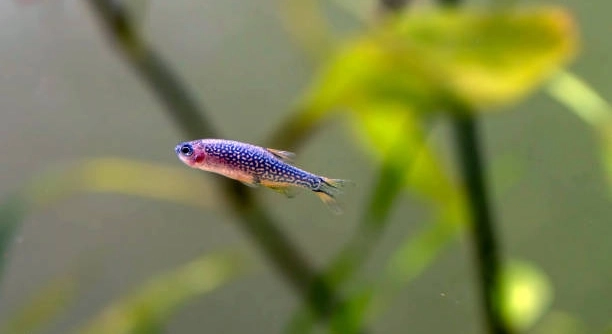
Danios are lively and colorful fish that brighten any aquarium. Watching them adjust to a new tank can be rewarding. Observing their behaviors can show when they feel comfortable and at ease in their surroundings.
Danios that are settled in display consistent swimming patterns, regular feeding habits, and minimal signs of stress. They interact naturally with tank mates, explore their environment confidently, and maintain healthy coloration, reflecting proper adaptation to their habitat.
Recognizing these behaviors helps ensure your fish are thriving. The following traits will guide you in understanding your danios’ comfort levels.
Consistent Swimming Patterns
When danios are new to a tank, they often dart around nervously or hide behind decorations. Over time, a settled danio will swim smoothly and consistently, exploring open areas without hesitation. Their movements become predictable, gliding calmly rather than making sudden jerky motions. You might notice them forming loose groups and swimming in parallel, which is a sign of comfort. They often patrol the same areas of the tank regularly, showing they are familiar with their environment. Settled danios are curious but not frantic, investigating plants and rocks without stress. Their energy appears balanced, not erratic, reflecting a stable adaptation. Consistent swimming also indicates that their health is good, and they are comfortable with the water parameters, lighting, and temperature. Observing these patterns over several days gives a reliable picture of whether your fish have truly settled in.
This calm, steady swimming is a clear signal that your danios feel safe and secure.
Watching these patterns consistently helps you notice early signs of stress. You can ensure your tank layout and care routine support their comfort. Regular observation allows minor adjustments to maintain stability and health. Over time, you may see natural schooling behaviors emerge, reinforcing social bonds within the tank. These swimming habits also affect feeding, as settled fish approach food confidently and evenly, reducing competition or anxiety. By noting these movements, you gain insight into both individual danios and the overall harmony of your aquarium. Subtle variations in speed or positioning can indicate mood or environmental changes, making it easier to intervene before issues arise. Proper attention to their patterns ensures your tank remains a safe, calm habitat that encourages active, healthy fish. Consistency in swimming is a simple, visible measure of comfort that benefits both your fish and your care routine.
Regular Feeding Habits
Settled danios eat at predictable times, showing trust in their routine.
A steady feeding schedule reveals adaptation. They approach food without hesitation, take only what they need, and return to normal activity. Uneaten food is minimal, reflecting proper intake and less stress. Settled danios don’t hide during feeding, and they maintain balance without fighting or frantic snatching. Their appetite is healthy, neither excessive nor diminished, and they react calmly when food is introduced. Over weeks, these habits confirm their comfort and confidence in their environment, indicating that tank conditions support growth and well-being. Consistent feeding also helps with monitoring health, as any sudden change can signal illness or stress. Understanding these cues allows you to adjust feeding amounts, times, and methods, keeping fish happy and safe while maintaining water quality. Proper feeding habits strengthen their resilience and interaction, supporting social behaviors and overall stability in the tank. Observing them at meals can provide insight into their mood and overall acclimation progress.
Interaction With Tank Mates
Settled danios swim comfortably with other fish, showing no aggression or fear. They maintain personal space but engage in mild chasing or schooling, demonstrating social balance. Their interactions are calm, indicating they feel secure in their group dynamics.
Healthy social behavior reflects comfort and stability. Settled danios coordinate movements, sometimes swimming side by side, and respond to others’ signals without panic. They do not hide when approached and tolerate the presence of more dominant species, showing confidence in their environment. Such interactions promote mental stimulation and reduce stress, as fish that feel safe are more active and curious. Proper tank size, balanced population, and consistent care encourage this social harmony. Observing their communication and spacing helps identify whether all fish are comfortable or if adjustments are needed. Over time, these interactions become predictable patterns, highlighting a well-settled group.
Social cues include subtle body movements, positioning, and following behavior. Settled danios learn routines of their tank mates, often synchronizing swimming and feeding. These behaviors indicate trust and adaptation, showing they have fully acclimated. A harmonious tank reduces fighting, improves feeding efficiency, and strengthens overall health.
Exploring Their Environment
Settled danios investigate the entire tank without hesitation. They swim through plants, decorations, and open spaces calmly, showing curiosity and confidence.
When danios feel secure, their exploration is steady and purposeful. They inspect hiding spots, swim near the surface and midwater areas, and sometimes hover around decorations. These behaviors indicate they are familiar with boundaries and have learned there is no danger. Exploration helps maintain mental stimulation, encouraging natural instincts and reducing boredom. Fish that stay in one spot or avoid areas may be stressed or unsettled. Providing diverse structures, open swimming zones, and gentle water flow enhances comfort and encourages active exploration. Watching their movement patterns allows you to see which areas they favor and whether tank adjustments are needed.
Exploration also strengthens physical health. Swimming through different zones provides exercise, supports muscle development, and improves circulation. It helps danios react naturally to minor changes in lighting, temperature, or tankmates, reinforcing resilience. By observing their patterns, you can ensure your aquarium remains engaging and safe. Settled fish exhibit confident movements, return to rest areas calmly, and interact with features consistently, showing they are fully adapted and comfortable in their environment.
Bright and Healthy Colors
Settled danios display vibrant, consistent colors. Faded or dull shades often indicate stress or illness, so strong coloration reflects comfort and well-being in their environment.
Color intensity improves with regular feeding, stable water conditions, and low stress. Fish that feel secure maintain natural patterns, while timid or unsettled danios may appear washed out or pale, signaling adjustment issues.
Calm Resting Behavior
Danios that are settled rest quietly in plants or near the tank bottom without sudden jerks or frantic movement. Resting is balanced and predictable, showing they feel safe in their surroundings. Proper resting patterns also support growth, immunity, and overall energy levels, reflecting successful acclimation.
Minimal Signs of Stress
Stress indicators like clamped fins, rapid breathing, or hiding decrease as danios settle. Observing minimal stress shows that tank conditions, water quality, and social environment are appropriate and supportive of their health.
How long does it take for danios to settle in?
Danios usually begin showing signs of comfort within a week, though full acclimation can take two to three weeks depending on tank conditions and their personalities. Some fish adapt faster in stable water with proper temperature, lighting, and hiding spaces. Providing a calm environment without sudden changes supports quicker settling.
What are the first signs that my danios are settling?
Early signs include calmer swimming, reduced hiding, and approaching food more confidently. They may explore decorations or swim together in loose schools. These behaviors show that they are familiarizing themselves with the tank and feel safe enough to interact with their environment.
How can I encourage my danios to settle faster?
Maintain stable water parameters, provide adequate hiding spots, and avoid overcrowding. Feeding them consistently at set times helps them build trust and routine. Gentle interaction, such as slowly moving around the tank, can help them become more comfortable without startling them. Avoid sudden changes in lighting or water chemistry.
Can settled danios still show stress?
Yes, even fully settled danios can experience stress if there are sudden changes in water quality, temperature, or tankmates. Stress signs include clamped fins, erratic swimming, or loss of color. Monitoring their behavior and keeping conditions stable helps minimize stress episodes.
Do danios interact differently when they are settled?
Settled danios swim confidently with other fish and display mild schooling behavior. They maintain personal space while engaging socially, showing balance in group dynamics. Aggression is minimal, and they respond calmly to others’ movements, reflecting trust in both their environment and tankmates.
How important is tank size for danios to settle?
Tank size directly affects comfort. Smaller tanks can cause stress and limit swimming space, while larger tanks provide room to explore and interact naturally. Settled danios need space to establish routines, swim freely, and maintain proper social behavior, which supports overall health and mental stimulation.
Will settled danios eat less or more?
Feeding habits normalize as danios settle. They eat predictably, approach food without panic, and rarely waste it. Overfeeding or underfeeding can cause stress or health issues. Observing their appetite helps gauge comfort and adjust feeding schedules to support energy and well-being.
How can I tell if a danio is truly comfortable?
A truly settled danio swims smoothly, explores regularly, interacts calmly with tankmates, rests predictably, and shows vibrant colors. Minimal stress indicators and consistent feeding habits are also clear signs. Observing these behaviors over several weeks gives a reliable picture of their comfort level.
Are some danios naturally slower to settle?
Yes, individual personalities matter. Shyer or more sensitive danios may take longer to acclimate, even in ideal conditions. Providing extra hiding spots and keeping disturbances minimal helps these fish gradually gain confidence and reach the same comfort level as others in the tank.
How often should I observe my settled danios?
Daily observation is recommended, even for fully settled danios. Noticing small changes in swimming, feeding, or interaction helps identify stress, illness, or environmental issues early. Regular checks maintain a safe, stable habitat that supports their long-term health and happiness.
Can settled danios revert to stressed behavior?
Yes, changes in water quality, temperature, lighting, or new tankmates can cause previously settled danios to display stress. Quick attention to the environment and gradual introductions help restore comfort. Watching for subtle behavior shifts allows timely intervention and maintains a calm tank.
Do settled danios need enrichment?
Even settled danios benefit from plants, decorations, and open swimming areas. Enrichment encourages natural behaviors, reduces boredom, and supports mental and physical health. Regular adjustments to their environment can keep them active, curious, and confident while reinforcing their settled behavior.
How does water quality affect settling?
Stable, clean water is crucial for danios to feel secure. Poor water conditions cause stress, hiding, or erratic swimming. Regular monitoring of ammonia, nitrite, nitrate, pH, and temperature ensures they remain in a safe environment conducive to comfort and long-term health.
Can danios settle if kept alone?
While danios are social fish and prefer company, a single danio can still settle if the tank is spacious and well-structured. Social interactions are reduced, so enrichment and consistent routines become more important to provide comfort and mental stimulation.
How do I know if my tank is perfect for settled behavior?
Signs include calm swimming, normal feeding, social interaction, and minimal stress indicators. Vibrant colors, exploration, and predictable resting behavior confirm the tank conditions support comfort. Observing these cues regularly helps maintain a stable and welcoming environment for all your danios.
Settling in is an important part of a danio’s life in a new tank. Watching them adjust can tell you a lot about their comfort and health. Fish that feel safe move calmly, explore their environment, and eat regularly. When they school together or swim alongside each other without stress, it shows that the tank conditions support their needs. Observing these behaviors over time is key to understanding how well they are adapting. Stress can be subtle, so noticing small changes like clamped fins, pale colors, or hiding more than usual helps you respond quickly. Proper water quality, consistent feeding, and a peaceful environment all play a role in helping them settle.
A settled danio is a sign that your care is effective. Stable water parameters, correct temperature, and clean conditions contribute to their comfort. Tank layout matters too; plants, decorations, and open swimming areas give them a sense of security and space to move freely. Social dynamics are also important. Danios are schooling fish, so having enough companions in the tank ensures healthy interaction and natural behaviors. A balanced group reduces aggression and encourages curiosity. Even settled danios benefit from mental stimulation, so a variety of hiding spots and decorations encourages exploration without causing stress. Watching how they swim, rest, and interact can guide you in maintaining a supportive environment.
Understanding danios’ behaviors helps ensure their long-term health and well-being. Settled fish are less likely to develop stress-related illnesses and are more likely to maintain strong colors, good appetite, and natural activity levels. It also makes caring for them more predictable and enjoyable. By keeping an eye on their patterns and responding to subtle signals, you can make small adjustments to improve their comfort. Observing their environment, maintaining clean water, and feeding consistently are simple but effective ways to support them. Over time, a calm, active, and confident tank of danios reflects a healthy habitat and thoughtful care.

Hello,
If you enjoy the content that we create, please consider saying a "Thank You!" by leaving a tip.
Every little bit helps us continue crafting quality advice that supports the health, happiness, and well-being of pets around the world, for pets of all shapes, sizes, and species.
We really appreciate the kindness and support that you show us!