
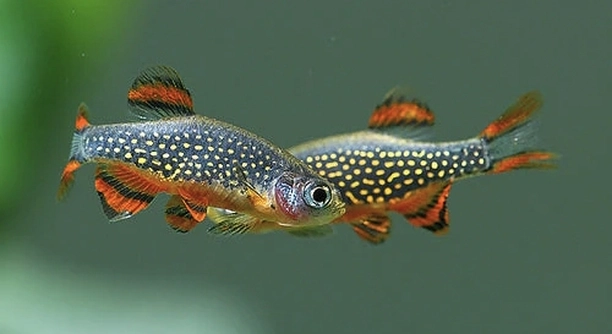
Have you ever watched your danios gliding together in perfect harmony, creating a lively display that fills your aquarium with movement and color, making you wonder what drives their coordinated swimming behavior each day daily.
Danio schooling is shaped by instinctive social behavior that enhances survival through coordinated movement, spatial awareness, and group cohesion. These fish rely on visual cues and shared motion patterns to maintain organized formations that support their overall security and stability.
Exploring the patterns behind their synchronized habits reveals meaningful details that can enrich your understanding and support healthier aquarium experiences.
Understanding Danio Group Dynamics
Danios are known for their energetic schooling behavior, which reflects their natural drive to stay close to others for comfort and stability. When kept in home aquariums, they rely on subtle cues from nearby fish to maintain coordinated movement that feels natural to them. This behavior reduces stress, supports steady activity patterns, and encourages a sense of security that helps them thrive. Observing them closely can give you a clearer picture of how they interact, shift positions, and respond to one another in real time. Their habits may seem simple at first, but each movement is shaped by instinct and constant awareness of their surroundings that influence their behavior throughout the day while keeping them connected as a unified group within the tank environment, allowing you to appreciate their natural tendencies in a calm and steady way as they move together with purpose and maintain their rhythm through every moment.
Their schooling patterns rely on steady interaction, allowing them to navigate their space with ease and maintain balanced movement. Watching these behaviors unfold can help you understand their needs better and support a more comfortable environment that keeps them active engaged and encourages consistent group coordination in your aquarium setup.
When danios interact within a group, each individual responds to subtle changes in speed, light, and positioning. These small adjustments help them stay aligned and avoid unnecessary stress while moving through their environment. Maintaining a proper group size is essential because it supports natural behavior and reduces the likelihood of isolation. When their environment is stable and predictable, danios exhibit smoother movement and more confident swimming patterns. Paying attention to these details can help you create a setup that supports their social needs and keeps them feeling secure each day as they continue to swim actively and maintain group harmony.
Behavioral Patterns in Captive Settings
Danios adjust their schooling habits based on tank layout, lighting, and available space. These factors influence how they respond to one another and how smoothly they move as a group. Proper conditions encourage steady coordination and reduce any unnecessary tension within the tank helping them remain calm and consistently active.
In a home aquarium, danios rely heavily on consistency to maintain their natural schooling behavior. Stable water conditions, predictable lighting cycles, and an appropriate tank size help them feel secure enough to interact freely with their group. When these needs are met, their movements become smoother and more synchronized, reflecting the social behavior they display in the wild. The presence of hiding spots and open swimming areas also shapes how they coordinate, since these features influence their confidence and ability to navigate their surroundings. A tank that is too small or crowded can disrupt their patterns, making it harder for them to establish steady movement and maintain cohesion. Careful observation can reveal how they respond to even small changes, whether it is a shift in flow, a new decoration, or a different feeding routine. By noticing these details, you can better adjust their environment to support comfort and stability. Over time, thoughtful planning helps them stay active, reduce stress, and interact with a rhythm that feels natural to them. Creating a balanced space encourages healthy schooling habits and allows you to enjoy their lively activity each day with a sense of ease as their movement patterns remain steady and consistent.
Environmental Influence on Schooling Stability
Danios respond quickly to changes in their surroundings, and even minor shifts can affect how well they coordinate. When their environment stays stable, they maintain smoother movement patterns that help them stay connected. Observing these reactions makes it easier to understand what supports their natural rhythm and comfort.
Stable water conditions, steady lighting, and balanced flow all play important roles in shaping their behavior. When these elements remain predictable, danios feel confident enough to swim with consistent coordination. Their reactions become more fluid, and they maintain group spacing with less hesitation. Providing open swimming areas helps them move naturally, while subtle flow variations encourage active behavior without overwhelming them. Decorations should be arranged in a way that supports movement rather than obstructing it. By keeping their tank environment structured and calm, you reinforce a sense of security that allows them to maintain steady schooling patterns.
Changes in their surroundings can influence their confidence, especially when adjustments happen too quickly. Sudden lighting shifts or inconsistent maintenance may cause hesitation within the group and disrupt their alignment. A gradual approach works best, giving them time to adjust without feeling stressed. Monitoring their reactions during routine care helps you catch early signs of discomfort, such as scattered swimming or uneven pacing. Making small corrections ensures their environment stays supportive and calm. Over time, this steadiness helps the group maintain harmony and prevents unnecessary tension. A predictable environment encourages danios to remain active and stable, keeping their movements synchronized throughout the day.
Feeding Behavior and Group Response
Feeding habits strongly influence how danios interact, and their response during mealtimes often reveals how comfortable they feel within their group. A calm feeding routine helps them maintain balance, reducing rushed movements and supporting steady coordination as they gather to eat with predictable patterns.
Danios thrive when feeding schedules remain consistent, giving them clear expectations and helping them manage their energy levels. Offering small portions prevents frantic behavior that can disrupt their school and cause unnecessary stress. A balanced mix of floating and slow-sinking foods keeps them engaged without overwhelming them. When food is spread across the surface, they share space more comfortably and maintain steadier positions as they feed. Observing their movements during mealtimes can also help you identify any changes in group dynamics, such as hesitation or unusual pacing. These signals may indicate environmental stress or early health concerns. Keeping mealtimes calm and structured supports their natural behavior and strengthens group cohesion while allowing you to provide care that fits their social needs.
Social Cues and Group Alignment
Danios rely heavily on visual signals to stay organized, making quick adjustments based on the movements of nearby fish. These cues help them maintain balanced spacing and smooth pacing, allowing the entire group to move with steady coordination that reflects their natural instincts and comfort.
Their alignment depends on constant awareness, and even slight shifts encourage them to respond instantly. This sensitivity keeps the group united, especially during active swimming. When their environment supports clear visibility and open space, they maintain stronger cohesion and show more confidence in their overall movement.
Stress Factors That Disrupt Schooling
Stress can influence how well danios coordinate, often causing scattered movement or hesitation within the group. Poor water quality, sudden changes, or overcrowding can disrupt their confidence and make them break formation. Keeping conditions stable helps reduce these reactions and encourages consistent alignment.
Light Sensitivity and Movement Patterns
Light intensity affects the way danios behave, shaping how fast they swim and how closely they stay together. Softer lighting often supports calmer and more synchronized movement, while harsh lighting can make them more reactive and less steady in their schooling habits.
FAQ
Why do danios prefer to stay in groups?
Danios feel safer when they remain close to others, and this instinct guides most of their behavior. Staying in a group reduces stress and helps them navigate their environment with ease. Their movements become smoother and more predictable when they have the support of nearby fish. This sense of security encourages natural activity and steady pacing. When kept in small numbers, they may become restless or nervous, which affects their overall comfort. Keeping a proper group size allows them to express their natural habits more confidently.
How many danios should be kept together for healthy schooling behavior?
A group of at least six is essential for stable behavior, but larger groups often lead to more natural coordination. When surrounded by others, each fish has enough visual cues to follow, which helps maintain alignment. Smaller groups make them feel exposed and can lead to scattered swimming. Larger groups offer more support and help them settle into calmer patterns. Keeping the proper number also prevents unnecessary tension and helps them form smoother movement lines throughout the tank.
What tank size supports strong schooling behavior?
A longer tank with plenty of horizontal space allows danios to swim freely and stay aligned. They need room to glide together without feeling restricted, and cramped conditions may disrupt their natural flow. Open areas encourage steady pacing and help them form comfortable spacing between individuals. Decorations should not block their path, since obstacles can interrupt their movement and cause hesitation. A well-planned tank layout gives them the space they need to maintain consistent coordination and feel secure.
Do danios change their schooling behavior based on lighting?
Lighting influences their comfort, which affects how closely they swim together. Softer lighting often encourages smoother patterns, while harsh lighting may make them more reactive or tense. When lighting stays consistent, they maintain calmer movement and show steady group alignment. Sudden changes may cause them to scatter briefly until they adjust. Maintaining a stable lighting schedule helps reduce unnecessary stress and supports predictable behavior throughout the day.
Can feeding routines influence how danios school?
A consistent feeding routine helps danios remain balanced, reducing frantic movements that affect group coordination. When food is spread evenly, they share space more comfortably and maintain steady motion. Overfeeding can lead to aggressive rushing, while underfeeding may cause restless behavior. Clear routines give them structure and encourage calm feeding habits. Stable feeding conditions support smoother group movement and help them stay connected while they eat.
What signs show that schooling behavior is disrupted?
Uneven pacing, scattered movement, or frequent hesitation often signal that something is affecting their comfort. These changes may reflect stress, poor water quality, or a sudden shift in their environment. If they struggle to stay aligned or appear restless, it may be time to check conditions in the tank. Early signs are subtle, so watching their daily patterns helps you catch issues before they worsen. Correcting these factors often restores their natural flow and steadiness.
How does water flow affect their schooling?
Moderate flow encourages healthy activity, helping them stay engaged without feeling overwhelmed. Strong currents can disrupt spacing, while very weak flow may reduce their movement altogether. A balanced flow rate supports natural swimming and helps them maintain a comfortable rhythm. Adjusting the flow allows you to match their energy levels and support smooth coordination.
Final Thoughts
Understanding the schooling habits of danios can help you create a calm and steady environment that supports their natural behavior. These fish depend on predictable surroundings, steady interaction, and clear visual cues to stay connected with one another. When their environment remains consistent, they respond with smoother movement, balanced spacing, and confident pacing that reflects their instinctive need for structure. Paying attention to how they interact each day gives you a better sense of what keeps them comfortable. Small details like lighting, flow, and group size all shape the way they swim together. By noticing these patterns, you can make thoughtful adjustments that support their overall stability. This approach encourages healthy behavior and reduces unnecessary stress that may disrupt their rhythm. It also helps you understand how each element of their care fits together to create a space that feels secure and predictable for them.
Creating a supportive habitat for danios involves observing how they react to their surroundings and making sure each part of their tank encourages calm and steady movement. When water conditions remain balanced and lighting stays gentle, they show more confidence. Their movements become more aligned, and they maintain closer contact with their group. Feeding routines also play a meaningful role, because a calm and predictable schedule reduces tension and keeps them focused on shared behavior. Over time, these stable conditions strengthen their social patterns and allow them to glide together with ease. When a tank is arranged with thoughtful spacing and open swim areas, they move more freely and adapt naturally. Even small changes can influence how they feel, so taking the time to understand their responses helps you create a setting that matches their needs. This steady environment becomes the foundation for their overall comfort and activity.
Watching danios interact as a group can be a gentle reminder of how important stability is for their well being. Their coordinated movement, quick reactions, and strong awareness of nearby fish all reflect their instinctive social habits. Supporting these habits allows them to swim confidently without hesitation. As you continue to learn about their behavior, you gain a clearer understanding of how each adjustment in their surroundings affects their rhythm. This awareness helps you respond to their needs with more certainty and patience. A balanced habitat encourages long term comfort and consistent schooling, allowing you to enjoy their lively patterns each day. With steady care, thoughtful observation, and a calm environment, your danios can maintain their natural tendencies and feel secure within their space.

Hello,
If you enjoy the content that we create, please consider saying a "Thank You!" by leaving a tip.
Every little bit helps us continue crafting quality advice that supports the health, happiness, and well-being of pets around the world, for pets of all shapes, sizes, and species.
We really appreciate the kindness and support that you show us!