
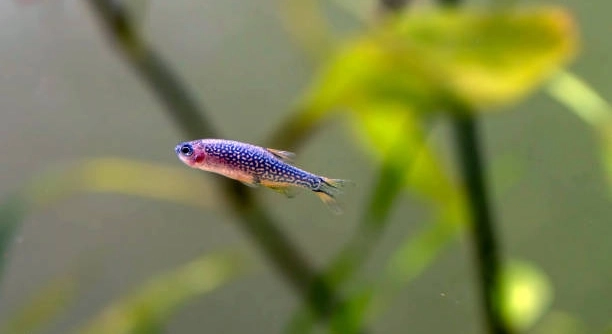
Have you ever noticed your danio swimming in quick bursts or hovering quietly near plants? Observing their fins can reveal subtle signs of their emotional state and overall wellbeing, offering insights into their daily behavior and moods.
Danio fish exhibit seven distinct fin movements that correlate with their mood, including relaxed, aggressive, exploratory, fearful, stressed, curious, and social behaviors. Recognizing these movements provides essential information for monitoring health and maintaining proper care.
Learning to identify these movements will improve your understanding of danio behavior and help maintain a healthy, harmonious aquarium environment for your fish.
Relaxed Fin Movements
When danios are calm, their fins are held close to their bodies and move slowly with the current. They glide smoothly through the water, showing no signs of tension or rapid movement. This relaxed posture indicates contentment and a secure environment. Observing these moments can reassure you that your fish is comfortable and well-adjusted to its surroundings. Stress-free fins are often paired with regular feeding patterns and active swimming, reflecting a healthy and stable aquarium. Gentle interactions with tank mates and a balanced diet also contribute to this calm behavior. Watching your danios during these moments can be surprisingly soothing and allows you to connect with their subtle communication. Recognizing relaxed fin movements is an essential part of maintaining their overall health, as it signals that their environment supports their natural behavior and emotional well-being.
Relaxed fins are a reliable sign of comfort and contentment in danios, helping you gauge their well-being quickly.
Keeping an eye on fin positions throughout the day helps identify minor changes early. Subtle shifts from calm to slightly tense fins can reveal mild stress or environmental discomfort. By adjusting tank conditions, such as water temperature, filtration, and lighting, you ensure that the fish remain at ease. Providing hiding spots, proper nutrition, and avoiding overcrowding all reinforce this relaxed behavior. Consistent observation strengthens your ability to interpret mood and react to potential issues before they escalate.
Rapid or Fluttering Fins
Rapid fin movements often appear when danios are excited or stressed.
When danios flutter their fins quickly, it can indicate heightened alertness or agitation. These movements may occur during feeding, when encountering new tank mates, or if the environment feels unsafe. Rapid fin activity can be a response to sudden changes in water conditions, such as temperature shifts or chemical imbalances. Monitoring this behavior helps identify triggers that may disturb your fish. Over time, frequent fluttering may suggest persistent stress, requiring adjustments to tank setup, diet, or social groupings. Noting patterns in these movements gives insight into how individual fish react to stimuli and can guide better aquarium management. Creating a stable, predictable environment reduces stress-induced fin fluttering and promotes healthier social interactions. Proper maintenance and observation ensure that rapid fin movements remain occasional rather than constant, supporting overall well-being.
Spread Fins
Spread fins signal confidence and alertness in danios. They extend their fins outward while swimming, showing dominance or readiness to explore.
This behavior often appears when danios encounter new objects or tank mates. It can also indicate territorial displays among fish. Spread fins help maintain balance during rapid turns and sharp movements. Observing which fish consistently display this posture can reveal social hierarchies and individual personality traits. Maintaining a clean, spacious tank supports natural fin extension, allowing danios to move freely and display confidence without stress. Noticing patterns in spread fins enhances your understanding of their mood and interactions within the aquarium.
Frequent spread fins during interactions suggest curiosity and active engagement with the environment. Ensuring there is enough space prevents accidental stress or aggression.
Clamped Fins
Clamped fins occur when danios tuck their fins tightly against their bodies, often signaling fear, illness, or poor water conditions.
This posture is commonly observed when fish are newly introduced to a tank, experiencing sudden changes in water quality, or facing aggressive tank mates. Clamped fins reduce surface area, helping fish conserve energy and avoid drawing attention. Persistent clamping may indicate stress, infection, or discomfort from inappropriate water parameters. Monitoring other behaviors such as hiding, reduced feeding, or lethargy alongside fin clamping helps identify underlying issues quickly. Adjusting water quality, providing hiding spots, and observing tank dynamics can improve their comfort. Consistent clamped fins warrant close attention to prevent long-term health impacts.
Addressing clamped fins promptly through environmental adjustments, careful observation, and improved water management ensures that danios regain normal activity and display healthy fin movement.
Flicking Fins
Flicking fins are quick, short movements that often indicate agitation or sudden excitement in danios. This behavior may occur during feeding or when fish sense a change in their environment.
Flicking can also be a response to mild stress or interaction with other tank mates. Observing patterns helps identify triggers and manage tank conditions effectively.
Hovering Fins
Hovering fins, where the fins remain extended but the fish stays mostly in place, indicate curiosity or careful observation. Danios use this posture to assess surroundings before moving. This behavior often occurs near plants, decorations, or tank edges. Hovering fins help the fish maintain balance while scanning for food or potential threats. It reflects a mix of caution and interest, showing that the fish is alert but not stressed. Monitoring hovering behavior gives insight into environmental comfort and tank dynamics. Encouraging stable water conditions and sufficient hiding spots allows these natural behaviors to occur safely.
Torn Fins
Torn fins can result from fights, rough surfaces, or fin-nipping by tank mates.
Careful observation and timely intervention can prevent further damage and infection.
How can I tell if my danio is stressed?
A stressed danio often displays clamped fins, rapid darting, or hiding. They may lose appetite and become less active, sometimes hovering near the bottom of the tank. Environmental factors, such as sudden water changes, overcrowding, or aggressive tank mates, commonly cause stress. Keeping the tank clean, stable, and appropriately stocked helps reduce stress.
Why are my danio’s fins constantly flicking?
Flicking fins usually indicate excitement, agitation, or mild stress. It may happen during feeding, sudden movements in the tank, or interactions with other fish. Observing when flicking occurs helps identify triggers. Adjusting tank conditions and reducing sudden disturbances often decreases this behavior over time.
What does it mean when fins are spread out?
Spread fins show confidence and alertness. Danios extend their fins outward during exploration or when asserting dominance. This behavior often occurs near new objects or during interactions with other fish. Spread fins also help maintain balance during sharp movements and can indicate healthy, comfortable fish.
Are clamped fins a sign of illness?
Clamped fins can indicate stress, poor water quality, or disease. If accompanied by lethargy, reduced feeding, or discoloration, illness may be present. Testing water parameters and observing other behaviors are crucial first steps. Treatment or environmental adjustments often restore normal fin posture.
Why do danios hover in one spot?
Hovering fins signal curiosity or careful observation. The fish stays mostly in place while scanning the surroundings for food or potential threats. This posture is normal if the fish appears alert and active otherwise. Providing stable water conditions and hiding spots supports this natural behavior.
What causes torn or damaged fins?
Torn fins usually result from aggressive tank mates, fin-nipping, or rough surfaces. Prompt attention helps prevent infection. Regular tank maintenance, monitoring interactions, and providing smooth decorations reduce the likelihood of further damage and support proper fin regrowth.
Can fin movement indicate happiness?
Yes. Relaxed fins that move gently with the current show comfort and contentment. Confident, spread fins combined with active swimming and regular feeding indicate well-being. Observing consistent, relaxed fin movement can reassure that the fish is thriving in its environment.
How often should I observe fin behavior?
Daily observation is recommended. Noticing small changes early allows timely intervention if stress or illness occurs. Keeping notes on patterns or unusual movements can help identify triggers and support overall fish health. Regular observation strengthens your understanding of individual fish personalities and tank dynamics.
Do water conditions affect fin movement?
Absolutely. Poor water quality, fluctuating temperatures, or chemical imbalances can stress fish, causing clamped, flicking, or torn fins. Stable water parameters, proper filtration, and routine testing ensure that fins remain healthy and behaviors reflect comfort rather than environmental stress.
What should I do if fins remain clamped or torn?
Immediate steps include checking water quality, separating aggressive tank mates if needed, and monitoring for disease signs. Medications may be necessary if infection occurs. Adjusting tank setup and maintaining cleanliness supports recovery and prevents recurrence of stress-related or physical fin damage.
Can fin movements indicate social hierarchy?
Yes. Spread or flicking fins often relate to dominance or territorial displays. Observing interactions helps identify which fish lead or avoid conflict. Recognizing these patterns aids in managing group dynamics and maintaining a peaceful, balanced tank environment for all inhabitants.
How do diet and nutrition affect fin health?
A balanced diet strengthens fins and supports natural movement. Nutrient deficiencies may result in weak, torn, or clamped fins. Feeding high-quality food appropriate for danios ensures overall vitality, helps prevent stress, and maintains normal behavior and fin posture.
Are there signs of long-term fin stress?
Chronic clamping, persistent flicking, or repeated fin damage indicates ongoing stress. Long-term issues can affect growth, immune response, and lifespan. Monitoring fin behavior over weeks helps identify subtle but significant patterns, guiding interventions to improve tank conditions and social interactions.
Can tank size influence fin behavior?
Yes. Overcrowding restricts movement, causing clamped fins or aggression. Adequate space allows natural fin extension, exploration, and social behaviors. Ensuring proper tank dimensions relative to the number of danios is essential for promoting healthy fin movements and overall well-being.
What environmental features support healthy fins?
Smooth surfaces, hiding spots, and moderate currents help prevent injuries and reduce stress. Proper lighting, stable water parameters, and compatible tank mates contribute to relaxed and confident fin displays. Maintaining a balanced environment ensures that fin behaviors reflect comfort, health, and natural activity.
Can observing fins prevent health problems?
Yes. Subtle changes in fin posture often precede visible signs of illness. Early detection through regular observation allows prompt intervention, improving recovery chances. Consistent monitoring, combined with proper care, helps maintain a thriving, healthy aquarium where danios display natural and relaxed fin movements.
Observing the fins of your danios provides valuable insight into their mood, health, and comfort within the aquarium. Each movement, from relaxed gliding to rapid flicking, carries meaning that can help you understand your fish better. Paying attention to these subtle cues allows you to notice stress, fear, excitement, or confidence, and it can guide you in making small adjustments to their environment. By learning to interpret these movements, you gain a practical tool for improving overall fish welfare. Simple changes such as checking water parameters, ensuring proper tank size, and providing enough hiding spots can have a significant impact on maintaining healthy fin behavior. Even minor details like decorations, lighting, and water flow can influence how your danios display their fins and interact with each other. Being mindful of these factors helps ensure your aquarium remains a stable, supportive environment for all inhabitants.
Consistent observation also strengthens your ability to respond to potential issues before they escalate. Clamped or torn fins, unusual hovering, or constant flicking can indicate stress, illness, or environmental problems. Recognizing these early signs allows you to take corrective measures, such as improving water quality, adjusting tank mates, or reviewing feeding practices. Over time, you develop a clear understanding of each fish’s typical behavior, which makes deviations easier to spot. Observing fins can also help with managing social dynamics, identifying dominant individuals, and noticing which fish may need additional care. This careful attention encourages a balanced environment, reduces conflict among tank mates, and supports long-term health. Regular observation does not need to be complicated; brief daily checks, noting changes, and reacting to unusual patterns can provide significant benefits for your danios.
Finally, understanding fin movements enhances your connection with your fish while promoting a healthy aquarium. Watching how your danios move, interact, and respond to their surroundings can be rewarding and informative. It encourages patience, attentiveness, and a sense of responsibility in managing their care. The information gained from fin observation can guide daily decisions regarding feeding, tank cleaning, and environmental adjustments, ensuring the fish remain comfortable and secure. Applying these insights consistently allows you to maintain a thriving aquarium where your danios display natural behaviors and emotional states. Paying attention to fins is not just about preventing problems; it is about fostering an environment where your fish can flourish, swim freely, and express themselves confidently. Understanding these subtle signals ultimately contributes to better fish welfare, a more peaceful tank, and a deeper appreciation for the behaviors and personalities of your danios.

Hello,
If you enjoy the content that we create, please consider saying a "Thank You!" by leaving a tip.
Every little bit helps us continue crafting quality advice that supports the health, happiness, and well-being of pets around the world, for pets of all shapes, sizes, and species.
We really appreciate the kindness and support that you show us!