
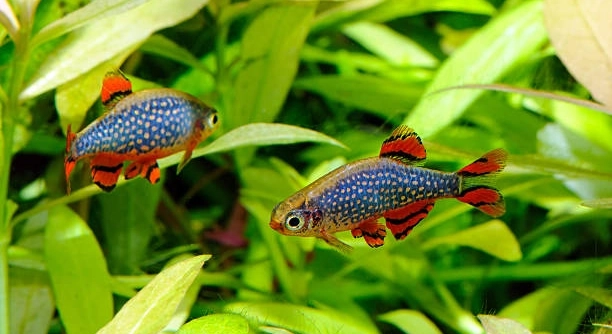
Do you ever find yourself managing breeding projects in cooler rooms and noticing how small temperature shifts create challenges for your animals, making each step feel delicate and requiring attention to keep everything steady daily.
Breeding in cooler rooms often introduces reduced metabolic activity and slower reproductive responses, leading to inconsistent timing, variable fertility, and increased stress. Maintaining stable conditions, monitoring temperature gradients, and adjusting environmental controls supports reliable outcomes and improves overall reproductive success.
Exploring these challenges will help you understand how cooler environments influence your animals and guide you toward consistent breeding results.
Understanding Temperature Sensitivity
Breeding in cooler rooms often demands steady observation because animals respond differently when temperatures sit lower than their ideal range. Slower development can appear in eggs, embryos, or livebearers, creating timing gaps that complicate routine care. Reduced activity may limit mating attempts, and certain species struggle to maintain consistent reproductive patterns. Humidity shifts can influence incubation results, while mild drafts lower stability around enclosures. I have learned that keeping thermometers at multiple points and checking them daily helps prevent small drops from surprising you and affecting your breeding goals. Extra insulation around equipment, stable lighting, and careful feeding schedules also encourage healthier outcomes in these conditions. When space feels cool to you, it often feels even cooler to animals, so monitoring patterns becomes an essential habit. Maintaining these checks allows you to support predictable cycles, limit losses, and understand how each species interprets the environment you provide in these situations.
These cooler conditions require consistent awareness because even minor variations can influence successful breeding results. Keeping a close eye on temperature readings, enclosure placement, and airflow helps reduce surprises. A simple routine of scheduled checks strengthens stability and gives your animals the support they need to maintain reliable reproductive patterns.
Managing breeding in cooler rooms becomes easier when you create a predictable routine centered on stability. I have found that organizing supplies, adjusting equipment placements, and reviewing environmental logs helps identify issues early. Many animals respond positively when conditions remain steady, so focusing on gradual improvements supports healthier patterns. Regular maintenance of heaters and ventilation prevents unexpected changes that may interrupt development. Careful evaluation of each species unique needs ensures appropriate temperature ranges, lighting duration, and feeding approaches. Building these habits helps reinforce consistency and keeps your breeding program moving forward with fewer complications caused by shifting conditions each day.
Managing Environmental Adjustments
Adapting cooler rooms for breeding requires reliable equipment and simple habits that support your animals needs. Checking for drafts, maintaining stable heating elements, and adjusting lighting cycles can make noticeable differences. These small steps contribute to predictable conditions that encourage healthier reproductive activity across various species in your care program.
Creating supportive breeding conditions in cooler rooms begins with understanding how temperature stability influences every stage of development. Animals depend on consistent warmth, predictable lighting, and proper ventilation to maintain healthy cycles. When temperatures fall below ideal ranges, reproductive responses can slow, causing delays that require extra attention. I have learned that monitoring multiple points within a room helps reveal hidden fluctuations that might not appear on a single thermometer. Adding insulation around enclosures, sealing small gaps, and spacing equipment thoughtfully can enhance stability and reduce unwanted drafts. Maintaining heaters, thermostats, and humidity controls ensures that each device performs correctly, preventing sudden changes that could interrupt breeding patterns. Feeding routines may also need slight adjustments because animals expend more energy maintaining body temperature in cooler spaces. Choosing nutrient dense foods and offering them at steady intervals supports their overall wellness. Keeping logs of temperature readings, hatch timelines, and behavioral changes provides useful patterns that guide future decisions. When equipment, routines, and observations work together, cooler rooms become more predictable and manageable. This careful approach creates an environment where animals feel secure, allowing reproductive activity to progress with fewer complications, within your regular daily care routine.
Stabilizing Breeding Patterns
Maintaining steady breeding behaviors in cooler rooms depends on limiting sudden temperature changes and supporting animals with consistent routines. I focus on keeping enclosures insulated, adjusting placement away from drafts, and reviewing daily readings. These simple steps help reduce stress and encourage stable responses during reproductive cycles across different species.
Colder conditions can shift typical patterns, so I try to identify small details that influence consistency. Monitoring humidity, checking substrate moisture, and observing behavior changes help reveal early signs of disruption. When animals become less active, pairing schedules may slow, making timed plans harder to maintain. Using multiple thermometers, adjusting airflow, and improving insulation strengthens stability. I also check heat sources regularly to prevent unexpected drops that interfere with breeding attempts. These steady habits build a dependable environment that supports predictable behavior, even when surrounding temperatures feel cooler than ideal for sensitive species in these specific room setups each day.
Supporting stable reproduction in cool environments also depends on understanding how animals react to subtle changes. I watch for reduced appetite, slower movement, and altered nesting behaviors, since these patterns can indicate stress caused by lower temperatures. Adding gentle heat gradients, modifying enclosure materials, and improving ventilation often help maintain healthier responses. I keep notes on each adjustment to evaluate which changes create noticeable improvements and which need refinement. This steady method keeps animals comfortable and encourages consistent reproductive behavior, allowing you to manage cooler rooms with less uncertainty and more confidence in your daily care routine each new season.
Supporting Developmental Stages
Maintaining developmental progress in cooler breeding spaces requires close tracking of temperature patterns and small environmental shifts. I check incubators, monitor hydration levels, and adjust placement of enclosures to avoid uneven cooling. These steps help protect embryos and young animals from delays that could affect viability and long term stability in routine care by strengthening warmth control throughout the day and maintaining predictable conditions that reduce stress during critical growth stages for various species kept.
Creating reliable developmental conditions in cooler rooms involves consistent monitoring and timely adjustments based on each species needs. I review temperature logs, humidity records, and behavioral notes to identify subtle changes that might affect growth. When patterns shift, I adjust heat sources, fine tune ventilation, or modify substrate moisture to support steady progress. Lower temperatures can slow metabolism, so early developmental stages often require extra attention to maintain stable patterns. I also evaluate enclosure placement, since corners and doorways may cool faster than central areas. Careful equipment maintenance helps prevent sudden drops that interrupt development. Recording outcomes after each adjustment helps clarify which strategies work best and which need improvement. This method builds reliable consistency, allowing developing animals to thrive even when conditions remain cooler.
Adjusting Feeding Practices
Lower temperatures can influence appetite, so I maintain feeding schedules that support consistent energy levels. Offering nutrient dense options at predictable times helps animals stay stable during breeding. I also watch for slower eating habits that may signal the need for small adjustments in routine care.
Some species burn more energy maintaining warmth in cooler rooms, so I increase portions slightly when needed. I check body condition often and modify feeding frequency based on activity levels. These steady adjustments help maintain overall health, which supports reliable breeding patterns without unnecessary stress.
Improving Room Configuration
Cooler breeding spaces benefit from thoughtful arrangement of enclosures, equipment, and airflow. I avoid placing animals near doors or drafty corners and use insulation around sensitive areas. Regular checks help identify spots that lose warmth quickly, allowing me to improve placement and reduce unexpected temperature drops. This simple approach strengthens stability and encourages healthier breeding outcomes in cooler environments.
Monitoring Behavioral Shifts
Behavior patterns often reveal how animals react to cooler temperatures, so I track small changes closely. Reduced movement, altered nesting habits, or slower interactions can signal the need for environmental adjustments. Steady observation helps guide quick corrections that maintain comfort and support ongoing breeding success.
FAQ
How do cooler temperatures affect breeding behavior?
Cooler temperatures often slow metabolic processes, which can shift normal breeding patterns. I notice that many animals become less active, mate less frequently, or change their nesting routines when the room feels cooler than their preferred range. These adjustments happen because their bodies conserve energy, making reproductive processes move more slowly. Stable warmth helps animals maintain predictable rhythms, so I closely track temperature fluctuations to prevent unexpected drops. When conditions remain steady, even if slightly cool, animals often adapt more comfortably. Maintaining consistency is essential because sudden shifts can disrupt cycles and create delays that are hard to correct once they begin.
Why do eggs or embryos develop more slowly in cooler rooms?
Lower temperatures naturally reduce cellular activity, which directly affects the pace of development. I often see longer incubation times, slower growth rates, and occasional viability issues when warmth levels are inconsistent. Even small drops can affect early stages, where embryos are more sensitive to environmental instability. To support better outcomes, I use multiple thermometers, monitor humidity, and adjust placement of incubators or enclosures to avoid cold spots. When conditions remain steady, development becomes more predictable, even if slightly extended. Tracking these details helps reduce risks and ensures each stage progresses with fewer complications.
What adjustments help stabilize breeding in cooler environments?
I rely on insulation, proper enclosure placement, consistent monitoring, and routine maintenance of heating devices. Small actions make a noticeable difference, especially in rooms prone to drafts or uneven warmth. I check ventilation patterns and avoid placing animals near doors, windows, or corners that cool faster. Using reliable thermostats helps maintain balance, while keeping logs guides long term improvement. These steady habits create an environment that supports healthier behaviors and stronger reproductive consistency, even in spaces that naturally run cooler.
How can feeding routines improve breeding success in cooler rooms?
Animals often need slightly more energy in cooler conditions, so I adjust feeding schedules to support stable body condition. Offering nutrient dense foods and monitoring weight changes helps prevent declines that could interfere with breeding readiness. When animals eat more slowly due to lower temperatures, I adapt portions or timing to maintain nourishment without overwhelming them. These small refinements strengthen overall health, which supports reproductive patterns. Keeping track of what works for each species also helps identify long term trends that guide future adjustments.
Why is behavioral monitoring important in cooler spaces?
Behavior changes are usually the earliest indicators of discomfort. I often notice reduced movement, altered feeding habits, or different interactions between animals before any major temperature problem becomes clear. These patterns help me identify issues quickly, so I can adjust heating, humidity, or enclosure layout before conditions worsen. Watching for these subtle shifts is essential because animals do not always show obvious signs of stress. Over time, steady observation helps create a more predictable environment, where animals feel comfortable enough to maintain consistent breeding behavior.
What room setup strategies work best for cooler breeding areas?
A balanced layout matters more than many people expect. I spread enclosures evenly, allow adequate airflow without drafts, and avoid placing sensitive species near areas that lose warmth. I also insulate equipment and check for gaps that let cool air enter. Rearranging enclosures sometimes improves temperature distribution, making conditions more stable. This careful organization helps reduce temperature swings, encouraging healthier patterns.
How can I prevent sudden temperature drops?
Regular equipment checks are essential. I inspect heaters, thermostats, and ventilation systems to ensure they function reliably. I also keep backup heating options ready in case something fails. Using multiple thermometers protects against unnoticed issues, since each one reveals differences across the room. When I catch patterns early, preventing drops becomes much easier, and breeding results stay more predictable.
Do humidity levels matter as much as temperature?
Humidity plays a significant role in egg development, shedding cycles, and general comfort. Cooler air tends to hold less moisture, so humidity can drop quickly without warning. I monitor it just as closely as temperature. Adjusting substrate moisture, misting enclosures, or adding humidifiers often improves stability. When both factors remain steady, breeding outcomes improve noticeably.
Is it possible to maintain strong breeding results in consistently cool rooms?
Yes, with steady monitoring and thoughtful adjustments. Cooler rooms require more attention, but they can still support reliable breeding. I focus on creating predictable routines, maintaining equipment, adjusting feeding, tracking behavior, and observing environmental patterns closely. When all these elements work together, breeding results remain stable even in cooler environments.
Final Thoughts
Breeding in cooler rooms requires steady attention, patient adjustments, and a clear understanding of how small environmental details influence animals day by day. I have learned that cooler temperatures affect behavior, development, and overall comfort in ways that often appear subtle at first but can grow into larger issues if they are not managed carefully. Consistent monitoring helps prevent these problems from building, and keeping logs offers a reliable way to track patterns that might otherwise go unnoticed. Cooler rooms can feel limiting at times, but they can also become predictable and manageable when every part of the setup works together. Creating this consistency takes time, yet it becomes easier as routines grow familiar and confidence increases with each successful adjustment. I rely on simple daily habits to keep conditions stable, and I find that these small efforts add up to noticeable improvements in breeding outcomes over time.
Understanding how animals respond to cooler environments helps shape choices that lead to stronger results and healthier patterns. I often see that the smallest changes in temperature or layout can influence appetite, activity, or nesting behavior, so I try to approach each decision with care. Adjusting insulation, checking equipment, reviewing logs, and listening to behavioral cues are all part of maintaining a balanced environment. These steps create a foundation that supports the animals through the entire reproductive process, from early development to consistent breeding cycles. It becomes easier to notice what works when each adjustment is made with intention and recorded for future reference. Cooler rooms will always require a bit more observation, but they can still support reliable progress when every part of the environment is thoughtful and stable. This sense of control makes the process smoother, and it helps build confidence in long term care.
Working with cooler rooms also teaches patience. Results may take longer to appear, and changes sometimes require extra time before they show any clear effects. I have learned not to rush decisions but instead allow adjustments to settle before making new changes. This steady approach reduces stress for both the animals and the keeper, creating a calmer and more reliable rhythm in the breeding program. Over time, these habits turn into a natural routine, where monitoring temperature, adjusting equipment, reviewing behavior, and supporting development feel like familiar parts of daily care. Cooler conditions bring challenges, but they also offer opportunities to refine methods, improve observation skills, and create environments that promote healthier outcomes. With consistency, patience, and steady care, breeding in cooler rooms can remain successful and manageable, even when conditions require extra attention.

Hello,
If you enjoy the content that we create, please consider saying a "Thank You!" by leaving a tip.
Every little bit helps us continue crafting quality advice that supports the health, happiness, and well-being of pets around the world, for pets of all shapes, sizes, and species.
We really appreciate the kindness and support that you show us!