
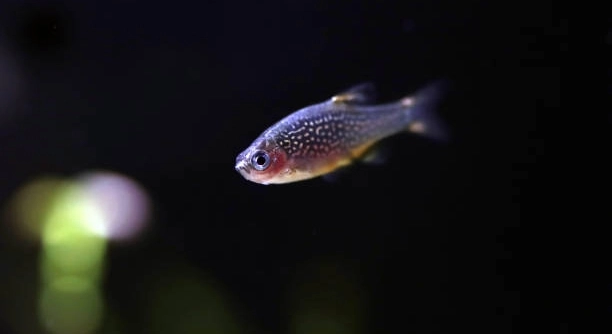
Do you ever find yourself carefully watching your Danio fry, only to feel unsure if they are truly healthy? Raising these tiny fish can be rewarding, but spotting subtle signs of distress is often overlooked.
Unhealthy Danio fry can display subtle indicators such as slowed swimming, faded coloration, irregular growth patterns, or difficulty feeding. Monitoring these signs early allows for timely intervention, preventing further complications and supporting optimal development in a controlled aquatic environment.
Recognizing these overlooked signs will help you maintain a thriving tank and ensure your fry grow strong and healthy.
Faded or Dull Coloration
When Danio fry lose their vibrant colors, it is often a clear signal of stress or poor health. Coloration can fade due to insufficient nutrition, poor water quality, or illness. Freshly hatched fry are naturally less colorful, but as they grow, their colors should become more defined. If they remain pale, it may indicate that their environment is not meeting their needs. Regularly monitoring water parameters like temperature, pH, and ammonia levels can prevent many issues. Providing a varied diet that includes high-quality fry food will support healthy pigmentation. Stress from overcrowding or aggressive tankmates can also dull their appearance, so ensure fry have enough space and gentle conditions. Observing their behavior alongside coloration changes will give a clearer picture of their health status, allowing corrective measures before problems escalate. Consistent care and attention can help fry develop strong, vibrant colors over time.
Faded coloration is an early warning of stress or poor nutrition. Timely adjustments to diet and tank conditions can restore vibrancy.
Maintaining the right environment involves regular water changes and ensuring clean, stable conditions. Feeding small amounts multiple times a day promotes healthy growth. Avoid sudden changes in lighting or temperature. Adding live plants or hiding spaces reduces stress and encourages natural behavior. Tracking fry growth and appearance over time helps identify subtle issues early, improving survival rates and overall vitality.
Irregular Swimming Patterns
Fry that swim erratically or struggle to maintain balance may be experiencing developmental or health issues. They may circle repeatedly, float unevenly, or stay near the bottom of the tank. Such behavior often indicates swim bladder problems, infections, or inadequate nutrition. Observing feeding behavior alongside swimming patterns can help determine the cause.
Erratic swimming can be caused by bacterial infections, water quality problems, or dietary deficiencies. Ensuring stable water parameters and a proper diet is essential.
Providing a consistent environment with clean water, balanced nutrition, and minimal stress is key to correcting irregular swimming. Gradual acclimation to new water conditions prevents sudden shocks that affect buoyancy. Isolating affected fry may reduce the spread of disease. In cases of swim bladder issues, gently adjusting feeding schedules or offering slightly crushed food can improve digestion and buoyancy. Over time, attentive care and consistent monitoring will help fry regain proper swimming behavior and maintain healthy growth trajectories.
Loss of Appetite
Fry that suddenly stop eating may be signaling stress, illness, or poor water conditions. Reduced feeding can quickly lead to weakness and stunted growth if not addressed. Observing feeding times carefully helps identify which fry are affected.
Loss of appetite often results from infections, overcrowding, or changes in water parameters. Offering a variety of high-quality foods in small portions can encourage feeding. If fry refuse food consistently, isolating them in a separate tank with optimal conditions may help. Tracking feeding patterns daily allows you to notice subtle changes before they become severe. Maintaining stable water temperature and avoiding sudden environmental changes reduces stress, supporting normal appetite and healthy development.
A careful approach involves monitoring water parameters, keeping the tank clean, and providing balanced nutrition. Sometimes fry need gentle encouragement to eat, such as slightly crushing food or offering live infusoria. Regular observation ensures early detection of problems, preventing long-term growth issues. Consistency in care creates a supportive environment where fry can regain normal feeding behavior and thrive.
Lethargy and Reduced Movement
Lethargic fry that remain inactive or hide often indicate stress, illness, or unsuitable water conditions. Monitoring their activity level is crucial for early intervention and recovery.
Reduced movement can result from poor water quality, low oxygen, or parasitic infections. Ensuring proper aeration and maintaining clean, stable conditions improves activity levels. Feeding schedules and diet variety also impact energy and growth.
Addressing lethargy involves checking water parameters such as temperature, pH, ammonia, and nitrite levels, as fluctuations can stress fry and reduce activity. Providing gentle currents and avoiding overcrowding encourages natural swimming behavior. Nutritional adjustments, including frequent, small feedings of high-quality fry food, can restore energy. Infected fry may require isolation and treatment to prevent spread. Observing interactions among tankmates ensures that aggressive behaviors are minimized. Consistent care and attention promote healthy activity, growth, and overall well-being in developing Danio fry.
Gasping at the Surface
Fry that frequently rise to the water surface and gasp may be struggling with low oxygen levels or poor water quality. This behavior is a sign that immediate attention is needed to improve their environment.
Adding aeration, performing water changes, and checking tank parameters can help alleviate oxygen stress. Maintaining clean, well-oxygenated water is essential for fry health.
Clamped Fins
Clamped fins, where the fins remain close to the body, can indicate stress, illness, or suboptimal water conditions. This behavior reduces mobility and can make fry more vulnerable to disease. Observing fin condition regularly helps identify problems early.
Unusual Spots or Marks
Fry developing unusual spots, marks, or discolorations may be experiencing bacterial or parasitic infections. These signs can appear on the body, fins, or near the gills, often requiring careful monitoring and treatment to prevent further complications.
Stunted Growth
Fry that are noticeably smaller than tankmates may be experiencing stunted growth due to poor nutrition, overcrowding, or underlying health issues. Consistent care and proper feeding schedules are necessary to promote normal development.
FAQ
What causes Danio fry to lose color quickly?
Faded coloration is often a result of stress, poor nutrition, or inconsistent water conditions. Fry need a balanced diet rich in protein and vitamins to develop vibrant colors. Overcrowding or aggressive tankmates can also dull their appearance. Maintaining stable water parameters and providing proper nutrition helps restore natural coloration.
Why are my fry swimming erratically?
Erratic swimming may indicate swim bladder issues, infections, or nutritional deficiencies. Sudden changes in temperature or water chemistry can affect buoyancy. Observing their feeding patterns and isolating affected fry in a controlled environment allows for treatment and recovery. Providing crushed or finely powdered food can sometimes aid digestion.
How can I improve appetite in fry that refuse to eat?
Fry may stop eating due to stress, illness, or poor water quality. Offering small amounts of varied, high-quality food several times a day encourages feeding. Isolating fry in a well-maintained tank and slightly adjusting feeding techniques, like crushing food or using live infusoria, often helps stimulate appetite.
What should I do if fry are lethargic?
Lethargy can be caused by low oxygen, poor water quality, disease, or stress. Check water parameters including temperature, pH, ammonia, and nitrite levels. Aeration, regular water changes, and gentle tank conditions help revive activity. Nutritional support and minimizing aggressive tankmates are also important. Isolating sick fry prevents disease spread.
Why do some fry gasp at the surface?
Surface gasping typically indicates insufficient oxygen in the water or poor water quality. Increasing aeration, performing partial water changes, and monitoring water parameters are necessary steps. Ensuring the tank is not overcrowded and maintaining proper filtration prevents recurring oxygen stress in developing fry.
How can I treat clamped fins?
Clamped fins usually signal stress or infection. Check water quality, reduce overcrowding, and ensure proper diet. In some cases, a mild antibacterial treatment may be necessary. Isolating affected fry in a quarantine tank allows for targeted care and reduces stress while promoting fin recovery.
What do unusual spots or marks mean?
Spots or marks can be signs of bacterial, fungal, or parasitic infections. Observe fry closely for behavioral changes or worsening conditions. Treating affected fry in isolation with appropriate medications and maintaining clean water helps control the spread of infection. Early detection improves survival chances.
Why is my fry not growing properly?
Stunted growth often results from poor nutrition, overcrowding, or persistent stress. Ensure a consistent feeding schedule with nutrient-rich fry food. Avoid overcrowding and maintain stable water parameters. Monitoring growth rates and separating underdeveloped fry can help them catch up and reach their potential size.
How often should I perform water changes for fry?
Frequent, small water changes are essential for maintaining water quality. Depending on tank size and population, 20–30% changes every few days help keep ammonia and nitrite low. Consistent maintenance reduces stress and prevents many common health issues.
Can stress affect fry health long-term?
Yes, prolonged stress can lead to weakened immunity, poor growth, and increased susceptibility to disease. Minimizing environmental stressors, providing proper nutrition, and keeping stable water conditions are essential to supporting healthy development.
How do I prevent common fry diseases?
Maintaining excellent water quality, avoiding overcrowding, and feeding high-quality food are key preventive measures. Quarantining new additions and observing fry daily for early signs of illness reduces risks. Prompt isolation and treatment of sick fry prevent disease spread and support overall tank health.
Is it normal for some fry to be weaker than others?
Variation in strength and size among fry is natural, but consistent weakness may indicate underlying health or nutritional issues. Providing even feeding, optimal water conditions, and monitoring growth ensures weaker fry have the best chance to thrive alongside their tankmates.
How do I know when a fry needs isolation?
Fry showing lethargy, erratic swimming, clamped fins, or unusual spots should be isolated immediately. A separate tank with stable conditions and targeted care prevents disease spread and allows for focused recovery. Early intervention is critical for survival and proper development.
What is the best diet for Danio fry?
High-protein, nutrient-rich foods like finely crushed flake food, baby brine shrimp, or specialized fry diets support growth and vitality. Offering small amounts multiple times a day ensures they receive adequate nutrition without polluting the water. Rotating food types can prevent deficiencies and encourage healthy development.
How long does it take for fry to show signs of illness?
Symptoms can appear within days depending on stress levels, water quality, and disease type. Early detection through daily observation of behavior, coloration, and feeding patterns allows for quicker intervention and higher survival rates. Consistent care reduces the risk of sudden health issues.
Can environmental changes trigger health problems?
Yes, sudden changes in temperature, pH, or lighting can stress fry and lead to disease, appetite loss, or behavioral issues. Gradual adjustments, stable water conditions, and gentle handling reduce negative impacts and support steady growth.
What is the role of tankmates in fry health?
Aggressive or larger tankmates can stress fry, hinder feeding, and cause physical injuries. Fry should be kept with compatible species or in a separate breeding tank to ensure safety and allow healthy development without competition or intimidation.
How do I monitor fry growth effectively?
Regular observation, noting size differences, behavior, and feeding efficiency, helps track growth. Weaker or slower-growing fry can be separated or given extra attention. Consistent record-keeping allows early intervention for health or developmental issues.
What signs indicate recovery in unhealthy fry?
Improved appetite, normal swimming patterns, vibrant coloration, and active behavior signal recovery. Maintaining stable water conditions, consistent feeding, and minimizing stress promotes faster healing and strengthens immune response, ensuring healthy development into adulthood.
How long should fry be monitored closely?
The first few weeks are critical, but monitoring should continue until fry reach a stable size and show strong, healthy behavior. Regular observation ensures early detection of problems and helps maintain long-term tank stability and fry health.
Raising Danio fry requires patience, observation, and consistent care. These tiny fish are delicate, and even small changes in their environment can have noticeable effects on their health. Paying attention to subtle signs such as faded coloration, clamped fins, or irregular swimming can make a significant difference in their survival and growth. Maintaining clean water, proper filtration, and stable temperature helps create an environment where fry can thrive. Feeding them a balanced diet suited to their developmental needs ensures they receive the nutrients necessary for strong growth and vibrant coloration. Observing daily behavior, even in small increments, allows you to catch problems early and take corrective action before conditions worsen.
Stress is one of the most common factors affecting Danio fry, and it can manifest in multiple ways. Lethargy, surface gasping, and loss of appetite are often linked to environmental stressors such as overcrowding, poor water quality, or sudden changes in temperature or lighting. Reducing these stressors is essential to promoting healthy development. Providing hiding spaces, gentle water flow, and a calm environment allows fry to swim and feed without unnecessary pressure. Regular water changes, careful monitoring of water parameters, and avoiding aggressive tankmates also minimize the likelihood of stress-related health issues. Fry that receive stable care tend to recover more quickly from minor illnesses and continue to grow at a normal pace.
Consistency and attention to detail are crucial for successful fry care. Isolating sick or weaker fry can prevent the spread of disease and give them a chance to regain strength. Monitoring growth, behavior, and feeding patterns allows you to adjust care routines as needed. Even small actions, such as crushing food to make it easier to eat or adjusting aeration to improve oxygen levels, can have a positive impact. Over time, consistent observation, proper nutrition, and optimal tank conditions help fry develop into strong, healthy adult fish. By maintaining a stable, well-maintained environment and responding promptly to warning signs, you increase the likelihood of a thriving tank and successful Danio fry growth.

Hello,
If you enjoy the content that we create, please consider saying a "Thank You!" by leaving a tip.
Every little bit helps us continue crafting quality advice that supports the health, happiness, and well-being of pets around the world, for pets of all shapes, sizes, and species.
We really appreciate the kindness and support that you show us!