
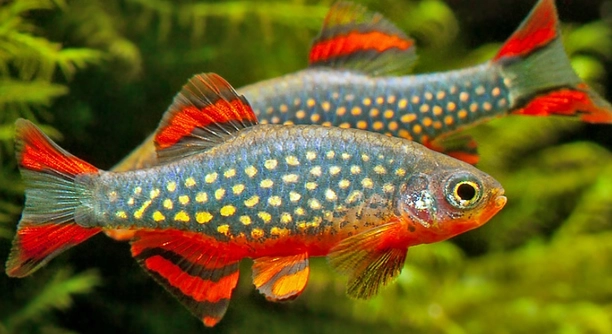
Danios are lively fish, and observing their behaviors can be both enjoyable and informative. They have unique patterns before laying eggs, showing signs that indicate the process is about to begin. Many aquarists find these behaviors fascinating.
Before laying eggs, danios exhibit specific behaviors such as increased swimming activity, rubbing against surfaces, displaying vibrant coloration, seeking secluded spots, and interacting closely with mates. Recognizing these actions helps predict egg-laying and supports successful breeding in controlled environments.
Knowing what to expect from danios can make breeding them easier and more rewarding. These subtle behaviors hold valuable insights for aquarists and fish enthusiasts alike.
Increased Swimming Activity
Before laying eggs, danios often swim more actively than usual. You may notice them darting around the tank, moving quickly between plants, rocks, and decorations. This behavior is a sign of heightened energy and readiness to spawn. Active swimming helps females prepare their bodies for egg release, while males often follow closely, showing interest and attempting to court them. Observing this behavior closely allows aquarists to identify when egg-laying is imminent. Some danios may even jump or swim near the surface more often during this period. The intensity of their movement varies depending on the individual fish and environmental conditions, such as water temperature and tank setup. Providing a calm, well-planted tank can help reduce stress and support natural behavior, making egg-laying smoother. It’s interesting to see how these small fish communicate readiness through movement, giving clear signals to others in the tank.
Monitoring swimming patterns carefully helps predict egg-laying and ensures that the tank environment supports healthy reproductive behavior.
Recognizing increased swimming activity is crucial for preparing breeding tanks. By observing how danios move, you can adjust feeding, water quality, and hiding spots to make the environment more suitable. This helps reduce stress for both females and males, improving the likelihood of successful spawning. Small changes, such as adding gentle filtration and plants for cover, can make a noticeable difference.
Rubbing Against Surfaces
Danios often rub their bodies against plants, decorations, or tank walls before spawning. This behavior can help prepare the female’s body for laying eggs, and males may mimic this action as part of courtship.
Rubbing stimulates the fish and encourages natural reproductive processes, signaling readiness to the other fish in the tank.
By providing smooth surfaces and leafy plants, you create areas for danios to engage in this behavior safely. Observing rubbing patterns can give clear clues about timing, allowing for better tank management. Consistent observation helps prevent stress and ensures the eggs are laid in optimal locations, increasing the chance of healthy fry. Adjusting water conditions, such as maintaining stable temperature and pH, complements these behavioral cues, supporting overall reproductive success.
Displaying Vibrant Coloration
Danios often show brighter and more vivid colors right before laying eggs. Females and males both display this change, signaling health and readiness to spawn.
This coloration is part of their natural reproductive signaling. Males may become more intensely colored to attract females, while females display subtle but noticeable shifts, indicating egg maturity. These changes are temporary and usually appear a day or two before spawning. Lighting and tank conditions can enhance or dull the colors, so maintaining proper water quality and a balanced environment helps fish display their natural hues effectively. Observing these shifts closely allows you to time feeding, breeding tank preparation, and other care activities.
Color changes also help fish recognize each other’s reproductive state. By understanding these visual cues, you can predict which fish are ready to spawn, monitor interactions, and minimize stress. These signals are essential for maintaining harmony in the tank and ensuring successful breeding.
Seeking Secluded Spots
Danios often look for hidden areas in the tank before spawning, preferring plants, caves, or other covered spaces.
Finding a quiet and safe spot reduces stress and allows the female to release eggs without disturbance.
Providing dense plants, small caves, or breeding mops gives fish areas to hide and feel secure. Females may move repeatedly between these spots, testing locations for egg-laying suitability. Males often follow, observing and guarding chosen areas. This behavior is influenced by water flow, lighting, and tank layout. Ensuring gentle currents and quiet surroundings helps fish engage in natural reproductive behaviors. Observing which spots they prefer can inform future tank design and improve breeding outcomes. Secure hiding places also protect eggs from accidental consumption, supporting fry survival and overall reproductive success.
Interacting Closely with Mates
Danios increase their social interactions before laying eggs. Males may follow females closely, nudging or swimming alongside them.
These interactions strengthen pair bonding and help coordinate egg-laying. Observing these behaviors indicates reproductive readiness and ensures both fish are prepared for spawning.
Rapid Fin Movements
Before spawning, danios often move their fins quickly and frequently. This behavior can signal excitement, readiness, or an attempt to attract attention from a mate. Rapid fin movements are temporary and usually increase in intensity as egg-laying approaches. Monitoring this can help predict timing for breeding and tank preparation.
Body Quivering
Females often quiver or shake slightly before releasing eggs. This motion helps loosen eggs inside the body and signals males to begin fertilization.
Nipping at Plants
Danios sometimes nip at plants or soft decorations before spawning. This behavior encourages egg-laying surfaces and may stimulate the female to release eggs, while males observe and prepare to fertilize.
How can I tell when my danios are ready to lay eggs?
Danios show multiple clear behaviors before spawning. Increased swimming activity, rubbing against surfaces, and vibrant coloration are the most noticeable signs. Females often seek secluded spots, while males follow closely. Rapid fin movements, body quivering, and nipping at plants are additional signals. Observing these behaviors together provides a reliable way to determine readiness. Monitoring water conditions, temperature, and tank layout helps ensure the fish feel secure and supported during this process.
Do male and female danios behave differently before spawning?
Yes, male and female danios show distinct behaviors. Males often display brighter coloration and follow females closely to court them. They may nudge females and swim aggressively near potential egg-laying areas. Females, on the other hand, focus on preparing their bodies and finding secluded spots. They may rub against plants or decorations and quiver as eggs mature. These complementary behaviors facilitate synchronized egg-laying and fertilization, ensuring higher chances of successful breeding.
How long does the pre-spawning period last?
The pre-spawning period can vary depending on tank conditions and individual fish, usually lasting one to three days. During this time, behaviors like active swimming, rubbing, and color changes intensify gradually. Providing a stable environment, consistent water parameters, and ample hiding spaces supports this natural rhythm. Stressful conditions, such as fluctuating temperature or overcrowding, can shorten or delay these behaviors. Observing patterns over several days allows aquarists to predict when eggs will likely be laid and adjust tank management accordingly.
What kind of tank setup supports egg-laying?
A well-planted tank with gentle filtration, calm water flow, and hiding spots is ideal. Dense plants, moss, or breeding mops give females secure areas to release eggs. Smooth decorations allow rubbing without injury. Maintaining stable temperature, pH, and water quality encourages natural behavior. Avoid overcrowding and minimize sudden disturbances, as stress can prevent spawning. Observing where fish prefer to hide can help optimize tank layout for future breeding cycles. Proper lighting also enhances color display and signals readiness.
Why do danios rub against surfaces before laying eggs?
Rubbing stimulates the female’s body and helps prepare eggs for release. Males may mimic this action as part of courtship. This behavior signals reproductive readiness to other fish and is an important cue for successful spawning. Smooth plants or decorations provide safe surfaces for rubbing.
What does vibrant coloration indicate?
Vivid colors indicate reproductive health and readiness. Males often become brighter to attract females, while females show subtler changes to signal egg maturity. Lighting, water quality, and diet can affect how clearly colors appear. Recognizing these shifts allows timing of breeding tank preparation and monitoring interactions between fish.
How do I support danios during egg-laying?
Providing stable water conditions, hiding spaces, and minimal disturbance is key. Feeding a nutritious diet supports energy for spawning. Observing pre-spawning behaviors helps predict egg-laying timing and allows aquarists to adjust care routines accordingly. Ensuring eggs are protected from other fish increases survival rates.
Can stress affect spawning behavior?
Yes, stress can prevent danios from laying eggs. Crowded tanks, sudden changes in water parameters, or aggressive tank mates can delay or stop reproductive behaviors. Maintaining a calm, stable environment and observing subtle signals helps reduce stress and supports natural spawning.
What should I do after eggs are laid?
Once eggs are deposited, separating adults from the eggs is often necessary to prevent consumption. Providing proper water conditions and minimal disturbance supports healthy development. Some aquarists use spawning mops or plants to collect eggs safely, making monitoring easier and increasing survival chances for fry.
Are there signs that eggs or fry may be at risk?
Poor water quality, lack of hiding spaces, and overcrowding can endanger eggs or fry. Watch for eggs that appear unfertilized or fungus-infected and remove them if necessary. Fry that appear weak or are being harassed by adults may need protective measures such as rearing in a separate tank. Regular observation and maintaining stable conditions are crucial for success.
How often do danios lay eggs?
Danios can spawn frequently under optimal conditions, sometimes every few days. Frequency depends on age, health, water quality, and nutrition. Observing pre-spawning behaviors each time helps predict intervals and manage breeding tanks effectively. Tracking patterns allows planning for consistent care of eggs and fry.
Can I influence spawning timing?
Adjusting water temperature slightly, providing high-quality food, and ensuring optimal tank conditions can encourage spawning. Light cycles that mimic natural day and night patterns also help regulate reproductive behavior. However, forcing conditions excessively can stress fish and reduce success, so subtle adjustments are best.
How do I distinguish between egg-laying and normal activity?
Pre-spawning behaviors are usually combined and intensified: rapid swimming, rubbing, color changes, quivering, and hiding. Normal activity lacks the coordination and intensity seen during the pre-spawning period. Observing multiple signals together is key to accurate identification. Tracking patterns over days improves understanding of individual fish behavior.
What are common mistakes to avoid during pre-spawning?
Overcrowding, sudden water changes, and insufficient hiding places are common errors. Removing plants or decorations used for rubbing can stress females. Ignoring signs like color changes or rubbing can result in missed egg-laying opportunities. Observing behaviors carefully and maintaining a stable environment ensures natural spawning occurs smoothly.
How can I maximize fry survival?
Separate eggs or use protective measures to prevent adults from eating them. Maintain clean water, provide gentle filtration, and ensure appropriate temperature and nutrition. Dense plants or breeding mops offer shelter once eggs hatch. Observing fry behavior and growth supports healthy development and reduces mortality risk.
Are all danios equally easy to breed?
Some species are more straightforward than others. Zebra danios, for example, are generally easy to breed, while other types may require more specific conditions. Understanding the species’ behavior and adjusting tank setup accordingly increases success rates. Regular observation helps recognize subtle differences in pre-spawning behaviors.
What should I do if spawning doesn’t occur?
Review tank conditions, water quality, and nutrition. Ensure there are enough hiding spots and that the fish are compatible pairs. Sometimes adjusting light cycles or gently raising water temperature can trigger reproductive behavior. Patience and careful observation are key.
Final thoughts on observing danios before they lay eggs focus on understanding their natural behaviors and creating a supportive environment. These fish display clear signs of readiness, such as increased swimming activity, rubbing against surfaces, vibrant coloration, and seeking secluded spots. Recognizing these behaviors helps you anticipate spawning and manage the tank effectively. Each signal is part of a sequence that prepares both females and males for successful reproduction. Paying attention to these patterns allows you to make adjustments to water conditions, tank layout, and feeding routines, ensuring the fish remain healthy and stress-free during this critical period. Observing their interactions closely can also deepen your understanding of their natural instincts and how they communicate readiness through movement, color, and subtle gestures.
Providing the right environment is crucial for supporting danios through the spawning process. Dense plants, smooth surfaces, and quiet hiding spaces encourage females to lay eggs safely while allowing males to follow natural courtship behaviors. Stable water parameters, including temperature, pH, and cleanliness, help maintain their health and reproductive readiness. Proper feeding ensures the fish have enough energy for both the pre-spawning behaviors and the act of spawning itself. Additionally, minimizing disturbances in the tank reduces stress, which is known to hinder reproductive behaviors. Observing where fish prefer to hide, which surfaces they rub against, and how they interact with each other can guide future tank setups and improve breeding outcomes. Small adjustments in lighting, flow, and space can make a noticeable difference in how comfortably danios proceed through their reproductive cycle.
Understanding these behaviors and creating an optimal environment not only improves the chances of successful spawning but also promotes the overall well-being of your danios. Each fish responds to subtle changes in the tank differently, and careful observation allows for timely interventions when needed. Providing a calm, supportive environment allows natural instincts to guide the spawning process. Recognizing signs like quivering, nipping at plants, and color changes gives insight into their readiness while helping you plan for egg care and fry survival. Consistent attention and care ensure that both the adult fish and their offspring thrive. By combining observation with proper tank management, you can support the reproductive health of your danios and enjoy the rewarding process of watching these small fish complete their natural life cycle successfully.

Hello,
If you enjoy the content that we create, please consider saying a "Thank You!" by leaving a tip.
Every little bit helps us continue crafting quality advice that supports the health, happiness, and well-being of pets around the world, for pets of all shapes, sizes, and species.
We really appreciate the kindness and support that you show us!