
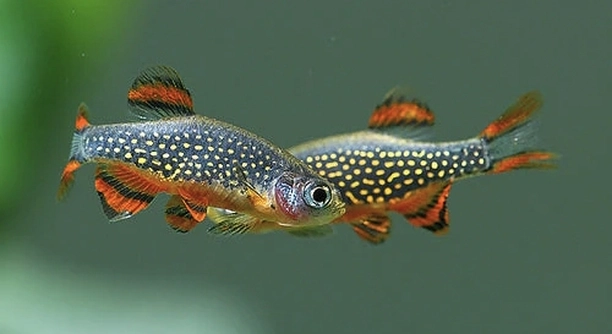
Have you ever noticed how lively your Danios seem around plants in their tank? Plants do more than decorate the aquarium. They create a natural environment that supports healthy behaviors and improves breeding success for these fish.
Plants serve multiple critical roles in Danio breeding. They provide shelter for fry, reduce stress for adults, support natural spawning behaviors, improve water quality, offer surfaces for egg attachment, enhance tank aesthetics, and contribute to a balanced aquatic ecosystem.
The benefits of plants go far beyond decoration, shaping both the health and reproductive success of your Danios. Exploring these roles can help you maintain a thriving breeding tank.
Shelter for Fry
Young Danios are tiny and vulnerable. Plants give them a safe place to hide from adult fish and strong water currents. Dense foliage creates pockets of calm water, allowing fry to rest and grow without constant stress. Floating plants like duckweed or hornwort are especially useful, as they provide cover near the surface where newly hatched fry often linger. Plants also break the line of sight for adult Danios, reducing the chance of accidental predation. Providing both tall and low-growing plants ensures protection throughout the tank, supporting healthy development during early life stages. Over time, fry become more confident swimmers and explorers once they have learned to navigate these plant-filled spaces. Even minimal plant coverage can significantly improve survival rates, as the young fish can feed and move safely. Maintaining healthy plants is crucial, as decaying leaves can harm water quality and, in turn, affect the fry.
Shelter from plants improves fry survival and encourages natural behaviors, helping them grow stronger and healthier in a safe environment.
Plants not only protect the fry physically but also promote natural instincts. Fry explore leaves, roots, and stems to find food and learn to swim with caution. This exploration strengthens their muscles and instincts, preparing them for adult life. The presence of plants can also reduce stress hormones in both fry and adults, improving overall health and vitality. Even adult Danios feel calmer with places to retreat when threatened or stressed. Well-planted tanks mimic their natural habitat, making them more comfortable and encouraging natural breeding cycles. Healthy plants absorb nitrates and other waste, keeping water cleaner for fry development. Regular trimming and care of plants ensure continued protection and water quality. By observing how fry interact with plants, you can adjust placement to maximize hiding spots and feeding opportunities. This creates a balanced environment where both young and adult Danios thrive together naturally.
Spawning and Egg Attachment
Plants provide surfaces where Danios can attach their eggs, ensuring better survival rates. Flat leaves or fine-leaved plants work best for egg-laying.
Many Danios prefer to deposit eggs on plant surfaces rather than on substrate. Plants like Java moss, water sprite, or fine-leaved species give eggs places to stick and remain protected from strong currents. These surfaces also prevent eggs from being eaten immediately, as the dense leaves make them harder to reach for adults. Clean, healthy plants encourage more frequent and successful spawning, as females feel secure and males have areas to perform courtship displays. Spawning success is often linked to the type and arrangement of plants, so experimenting with a variety can improve outcomes. Some floating plants create shade and diffuse light, which can also increase egg-laying activity, as Danios prefer dimmer areas for reproduction. Maintaining plant health is critical, as decaying or overgrown plants can harbor bacteria or fungi harmful to eggs. Regular monitoring ensures the eggs stay attached, safe, and in optimal conditions for hatching.
Egg-friendly plants enhance reproductive success by giving Danios secure places to attach eggs, leading to higher fry survival rates.
The presence of appropriate plants encourages natural breeding behaviors. Males display and chase females around plant clusters, stimulating egg release and fertilization. Eggs attached to leaves or moss are less likely to fall to the substrate, where they may be crushed or eaten. Dense foliage also helps maintain stable water conditions, protecting eggs from sudden temperature or chemical changes. Over time, the eggs hatch into fry, which immediately benefit from the nearby plant shelter. By providing both fine-leaved and broad-leaved plants, you can accommodate different egg-laying preferences, creating a productive breeding environment. Proper plant placement and care also reduce stress for adults, as they feel secure while courting and spawning. Healthy plants improve water quality, support beneficial microorganisms, and contribute to a balanced ecosystem, all of which help eggs and fry survive. Adjusting light, plant density, and water flow can further optimize spawning conditions, making plant management a vital part of successful Danio breeding.
Stress Reduction
Plants help Danios feel safe and reduce stress by offering hiding spots and breaking up open spaces. Dense foliage and floating plants create a calmer environment, encouraging healthier behavior and longer lifespans.
Stress can weaken Danios and make them more prone to illness. With plenty of plants, fish can retreat when they feel threatened or overwhelmed. This reduces aggressive behavior among tankmates and keeps water disturbances lower, creating a more stable environment. Over time, calmer fish are more active, feed better, and breed more successfully. Even small plant clusters can have a significant impact on their overall well-being, making them feel more at home in the aquarium.
A planted tank also reduces sudden environmental changes that can trigger stress. Plants absorb excess nutrients, provide shade, and create microhabitats where fish feel secure. By offering these safe zones, Danios can establish territories and routines, which helps them thrive. Healthy, stress-free fish are more likely to spawn consistently and interact naturally with each other. Choosing a variety of plant types ensures there are spots for both shy and bold individuals. Maintaining plants properly ensures that they remain effective at lowering stress levels and supporting the overall health of the aquarium community.
Water Quality Improvement
Plants improve water quality by absorbing nitrates, phosphates, and other waste products, keeping the tank cleaner for Danios. Properly maintained plants support a stable and healthy environment for fish.
By taking up excess nutrients, plants prevent algae overgrowth and reduce harmful chemical buildup. Their roots and leaves create surfaces for beneficial bacteria to grow, which further break down waste. Healthy plants oxygenate water, helping fish breathe more easily and supporting overall tank stability. Regular trimming and plant care maintain this balance, preventing decay that could harm water quality. With proper plant coverage, water remains clearer, safer, and more suitable for breeding, reducing stress for both adults and fry.
Plants contribute to natural filtration while enhancing the tank’s ecosystem. They provide habitats for microorganisms that support fish health and accelerate the breakdown of waste materials. Floating and rooted plants reduce light penetration, controlling algae growth naturally without chemicals. This leads to a cleaner, more balanced aquarium, lowering maintenance needs. Oxygen-rich water from plants supports all tank inhabitants, ensuring that both adults and fry thrive. By absorbing toxins, plants directly protect Danios from harmful conditions that might affect growth, behavior, or reproduction. Maintaining a mix of plant types maximizes these benefits, making the tank healthier and more stable over time.
Natural Feeding Support
Plants provide surfaces for microorganisms and small invertebrates that Danios can eat. These natural food sources supplement their diet and support healthy growth.
Floating and rooted plants encourage biofilm growth, which serves as a steady supply of tiny food for fry and adults. This reduces the need for constant supplemental feeding and helps young fish develop foraging skills.
Breeding Behavior Enhancement
Plants create the conditions Danios need to show natural courtship and spawning behaviors. Dense foliage allows males to chase females safely and perform display routines. By providing shaded areas and varied plant density, fish feel secure to engage in reproductive activities without constant stress. Healthy plants also diffuse light, making the environment more like their natural habitat. Different plant types encourage females to choose optimal spots for egg-laying, improving fertilization success. Over time, the presence of plants leads to more consistent spawning and healthier fry, as adults are less aggressive and more confident. Proper plant placement ensures that breeding behaviors occur naturally, supporting a balanced and productive aquarium environment for Danios.
Tank Aesthetics
A variety of plants improves the visual appeal of a Danio tank while benefiting fish health.
What types of plants are best for Danio breeding?
For breeding Danios, a mix of fine-leaved and broad-leaved plants works best. Java moss, hornwort, and water sprite are excellent for egg attachment and fry hiding. Floating plants like duckweed offer surface cover, creating shaded areas that reduce stress. Tall background plants provide shelter for adults, while low-growing plants or moss give fry spaces to explore safely. Combining these types ensures both protective hiding spots and egg-laying surfaces, creating a balanced and natural environment that supports all stages of development. Regular maintenance keeps plants healthy and effective for breeding purposes.
How many plants should I have in a breeding tank?
A heavily planted tank is ideal for Danio breeding, but balance is key. Too few plants leave fry exposed, while too many can reduce swimming space and water flow. Filling roughly 50-70% of the tank with a mix of floating and rooted plants works well. This provides enough cover for fry, surfaces for eggs, and shelter for adults while leaving open swimming areas. Observing how your fish use plants can help you adjust coverage. The goal is to create a secure and stress-free environment without overcrowding the tank.
How do plants reduce stress in Danios?
Plants offer Danios hiding spots and shaded areas, which reduce anxiety and aggressive behavior. When fish feel safe, they eat more, move naturally, and are more likely to breed. Dense foliage also breaks up open spaces, preventing adults from chasing fry too often. Floating plants diffuse light, creating calm zones that mimic their natural habitat. Stress reduction is directly linked to better health, stronger immune systems, and improved spawning frequency. A well-planted tank encourages confident, active fish that behave naturally and thrive in a stable environment.
Can plants improve egg survival rates?
Yes, plants provide surfaces for eggs to stick to and protect them from being eaten by adult fish. Fine-leaved plants like Java moss are particularly useful because eggs can attach securely and remain hidden. Floating plants also help create shaded zones, which females prefer for egg-laying. By offering multiple attachment points, plants increase the chance of successful fertilization and hatching. Healthy plants keep water conditions stable, which is essential for egg development. Observing egg placement can guide plant arrangement and ensure better survival rates for fry.
Do all plants require the same care in a Danio tank?
No, plant care varies depending on species. Fast-growing plants like hornwort need regular trimming to prevent overgrowth, while slow-growing mosses may need occasional pruning. Floating plants require removal of excess growth to avoid blocking too much light. Some plants benefit from nutrient supplementation or substrate fertilizers, while hardy species like Java moss can thrive without special care. Monitoring plant health is essential, as decaying leaves can degrade water quality. Maintaining a variety of plants ensures both visual appeal and functional benefits for breeding Danios.
How do plants affect water quality in a breeding tank?
Plants absorb nitrates, phosphates, and other waste products, preventing toxic buildup. They also provide surfaces for beneficial bacteria that help break down organic matter. Floating and rooted plants reduce algae growth by limiting light penetration. Healthy plants oxygenate water, which supports fry and adult fish. By stabilizing chemical and biological conditions, plants create a cleaner and safer environment for breeding, lowering maintenance needs and supporting overall fish health.
Can plants support fry growth after hatching?
Yes, plants offer protection and natural feeding opportunities for fry. Fry can hide among leaves and roots, avoiding adults that might accidentally harm them. Biofilm and tiny microorganisms growing on plants provide supplemental nutrition. Shaded areas reduce stress and help fry develop strong swimming skills. Over time, this combination of protection, food, and calm spaces improves survival rates and prepares fry for adult life in the tank.
How often should I trim or maintain plants in a Danio breeding tank?
Regular maintenance is important to keep plants healthy and effective. Fast-growing plants may need trimming weekly, while slower-growing plants require less frequent attention. Removing dead or decaying leaves prevents water quality issues and fungal growth on eggs. Proper pruning also ensures open swimming space for adults and fry. Floating plants should be thinned periodically to maintain light and water flow. Maintaining plant health supports breeding success and a stable tank environment.
Can artificial plants provide the same benefits as live plants?
Artificial plants can offer hiding spots and surfaces for egg attachment, but they do not improve water quality or support microorganisms. They lack oxygenation benefits and cannot absorb waste, so water management becomes more critical. Live plants are superior for promoting natural behaviors, reducing stress, and supporting fry development. Artificial plants may complement live plants but cannot fully replace their functional and ecological benefits in a breeding tank.
Is it necessary to use plants in every Danio breeding setup?
While not strictly required, plants significantly improve breeding success and fry survival. They create natural hiding spots, reduce stress, provide egg attachment surfaces, and help maintain water quality. Tanks without plants often see higher stress levels, increased aggression, and lower fry survival. Incorporating plants creates a healthier and more balanced environment that closely mimics natural conditions, making breeding more predictable and successful.
Plants are one of the most important elements in a Danio breeding tank. They do more than make the aquarium look nice. Healthy plants provide shelter for fry, reduce stress for adult fish, improve water quality, and offer surfaces for eggs. By giving Danios a natural environment, plants encourage normal behaviors and help fish feel safe. When fry have places to hide and adults have shaded areas, survival rates increase. Plants create a balance in the tank, supporting both the fish and the ecosystem. Even a few well-chosen plants can make a noticeable difference in the health and behavior of your fish. Over time, a planted tank becomes more stable and easier to manage because the plants help maintain water quality and provide a natural filtration effect.
Proper plant care is essential to keep the tank functioning well. Trimming overgrown plants prevents them from taking over the space or blocking too much light. Removing dead or decaying leaves helps avoid water pollution and keeps eggs and fry safe. Different plant types need different care, and understanding each one’s needs can improve the overall tank environment. Floating plants, mosses, and rooted plants all serve slightly different purposes, so maintaining a mix is often the best approach. Healthy plants support biofilm and beneficial microorganisms, which act as extra food sources for fry and contribute to water stability. Taking care of plants regularly ensures that they continue to provide the protection, hiding spots, and egg-laying surfaces that are critical for successful breeding.
Using plants in a Danio breeding tank is more than just a visual choice; it is a practical one. They reduce stress for fish, improve reproductive success, and create spaces that mimic a natural habitat. Plants encourage natural behaviors such as courtship, egg-laying, and fry exploration, which makes the breeding process smoother and more predictable. By absorbing excess nutrients and supporting microorganisms, plants also help maintain cleaner water, which benefits both adults and young fish. Overall, incorporating plants creates a healthier, more balanced, and sustainable environment. Whether the goal is higher fry survival or a more enjoyable tank to observe, plants play a vital role in achieving both. A well-planted breeding tank is not only functional but also contributes to the long-term well-being of the Danios and the stability of their habitat.

Hello,
If you enjoy the content that we create, please consider saying a "Thank You!" by leaving a tip.
Every little bit helps us continue crafting quality advice that supports the health, happiness, and well-being of pets around the world, for pets of all shapes, sizes, and species.
We really appreciate the kindness and support that you show us!