
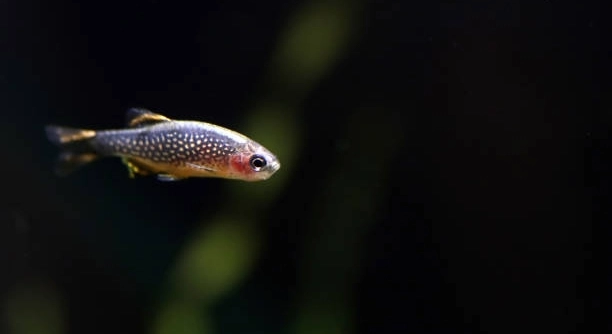
Have you ever watched a group of danios swimming together and wondered what their behavior says about the tank? These small, active fish show subtle signals that reveal the overall health of their school and environment.
Healthy danio schools display coordinated swimming patterns, consistent coloration, and active feeding behavior. Observing these indicators helps aquarists assess water quality, social dynamics, and general well-being, providing a reliable measure of the population’s overall health and stability.
Recognizing these signs can help maintain a thriving aquarium and prevent potential issues before they become serious.
Active and Synchronized Swimming
Danios are known for their lively, constant movement. In healthy schools, they swim together in coordinated patterns, often changing direction as a unit. This behavior indicates good water quality and low stress levels. When the fish move in harmony, it shows that they are comfortable with each other and their environment. Uneven or erratic swimming may signal illness, overcrowding, or poor water conditions. Watching their movement over time allows you to notice small changes that might require attention. Active, synchronized swimming also encourages proper exercise and maintains strong muscles, which is important for long-term health. Maintaining proper tank size, filtration, and hiding spots can support these behaviors. Providing a balanced diet and consistent feeding schedule keeps them energized and engaged. Observing them daily makes it easier to spot deviations from normal patterns. Healthy schools appear lively, confident, and well-adjusted to their surroundings.
Danios that swim together consistently are usually in optimal health and show minimal signs of stress or aggression.
Consistent swimming patterns help fish maintain social cohesion. When they glide together, it reduces competition and stress, promoting better feeding and overall vitality. It also allows them to respond quickly to minor changes in the environment, like shifts in temperature or water quality. When movement becomes sluggish or erratic, it’s an early signal that adjustments are needed, such as water changes, checking for diseases, or reviewing tank conditions. Regular observation ensures problems are noticed before they escalate, keeping the school strong and balanced.
Vibrant and Consistent Coloration
Bright, consistent coloring in danios reflects good health and proper nutrition.
Healthy danios display even pigmentation across their bodies. Dull or uneven color may indicate stress, illness, or poor diet. Maintaining water quality and a varied diet helps preserve these visual signals of well-being.
Consistent Feeding Response
Healthy danios respond quickly and eagerly to food, gathering at feeding time without hesitation. Delayed or scattered feeding can indicate stress, illness, or poor water quality, while consistent interest shows the school is thriving.
Regular, active feeding behavior reflects their overall well-being. Danios that come together to feed demonstrate strong social bonds and energy levels. Their appetite is a reliable indicator of tank conditions, including water quality, temperature, and nutrition. Observing how they react during feeding times can help identify early signs of health issues. Ensuring a balanced diet with varied food types supports their vitality and coloration. Maintaining a consistent feeding schedule reduces stress and encourages natural behaviors. Schools that eat together calmly are usually well-adjusted, with minimal aggression or competition. Watching their feeding patterns daily allows small changes to be detected early.
Providing a proper diet with occasional variation, such as live or frozen foods, keeps danios active and colorful. Overfeeding can cause water quality problems, so monitoring intake is important. Feeding consistency also encourages natural group behaviors, strengthening the school’s cohesion.
Smooth Social Interaction
Danios that swim, feed, and rest together without constant chasing or aggression show healthy social behavior. Minor disputes are normal, but persistent bullying is a sign of imbalance.
Healthy schools demonstrate stable hierarchies where each fish has space and interacts predictably. Social harmony reduces stress, which directly affects growth, immunity, and coloration. When the group functions smoothly, all individuals have access to food and hiding spots, preventing dominance issues. Environmental enrichment, such as plants, rocks, and open swimming areas, helps maintain calm interactions. Observing interactions over time can highlight subtle changes in relationships, which may signal emerging problems. Adjusting stocking density or rearranging the tank can restore balance if needed.
Consistent monitoring of social behaviors allows proactive care, keeping the school cohesive. Fish that regularly swim side by side and explore together indicate a secure environment. If minor skirmishes arise, they are brief and do not hinder movement or feeding. Maintaining proper conditions ensures that danios remain active, colorful, and stress-free. Creating a stable habitat with adequate space, hiding spots, and clear swimming paths supports natural behavior and reduces tension, fostering a school that thrives both physically and socially.
Clear and Bright Eyes
Healthy danios have clear, bright eyes without cloudiness or swelling. Dull or bulging eyes can indicate illness, poor water quality, or nutritional deficiencies. Regular observation ensures early detection of issues before they worsen, helping maintain overall school health.
Clear eyes also reflect proper lighting and balanced diet. Fish with bright, alert eyes are typically active and responsive, showing confidence in their environment. Cloudiness often signals stress or bacterial infection. Monitoring eye clarity daily helps spot subtle changes. Proper tank maintenance, regular water changes, and high-quality food support eye health and overall vitality.
Resting and Hovering Behavior
Danios occasionally hover or rest in one area without hiding, which is a sign of comfort and low stress. This behavior shows that the fish feel safe in their surroundings.
Regular hovering allows energy conservation while maintaining awareness of the environment. Fish that rest openly without aggression or fleeing behavior indicate a stable, healthy school. Tanks with balanced conditions, proper temperature, and adequate space encourage this calm behavior. Observing these moments provides insight into how secure the fish feel, and whether the environment supports both activity and rest. Regularly checking water parameters and adjusting decor can enhance comfort, helping danios thrive.
Responsive to Environmental Changes
Healthy danios react appropriately to minor changes in lighting, temperature, or water flow, showing alertness without panic.
Smooth Fin Condition
Fins should appear intact, spread naturally, and show no signs of fraying or rot. Healthy fins indicate good water quality, low stress, and proper nutrition.
FAQ
How can I tell if my danios are healthy?
Healthy danios show active swimming, vibrant colors, clear eyes, smooth fins, and consistent feeding behavior. They interact well with each other, hovering calmly when resting. Any sudden changes in movement, appetite, or appearance can indicate stress, illness, or poor water conditions, so daily observation is important.
Why is synchronized swimming important in a school of danios?
Synchronized swimming reflects a balanced social structure and low stress levels. When danios move together naturally, it indicates comfort with the environment and each other. Erratic or isolated swimming can signal overcrowding, illness, or poor water quality, making early intervention essential for maintaining health.
What does it mean when danios have dull colors?
Dull coloration often signals stress, improper nutrition, or illness. Consistent, bright colors suggest the fish are receiving a balanced diet, adequate light, and proper water conditions. Regular water testing and varied feeding help maintain strong pigmentation and overall vitality.
How often should I feed my danios?
Feeding small amounts two to three times daily is ideal. Overfeeding can degrade water quality, while underfeeding reduces energy and coloration. Observing their response at mealtimes helps gauge appetite and overall health. Live or frozen foods can supplement flakes to ensure proper nutrition.
What are signs of social imbalance in a school?
Excessive chasing, constant bullying, or hiding can indicate stress or dominance issues. Healthy schools maintain minor skirmishes without affecting overall movement or feeding. Adjusting tank layout, adding hiding spots, or reviewing stocking density can help restore harmony.
Why do some danios hover instead of swimming constantly?
Hovering in a calm area is normal and shows comfort. Fish conserve energy while staying alert. Persistent hiding or inactivity, however, can indicate illness, poor water quality, or stress. Providing open swimming space and stable tank conditions encourages this natural resting behavior.
How can I maintain clear and bright eyes in danios?
Clear eyes result from balanced diet, proper lighting, and clean water. Cloudiness or swelling may signal infection or poor water quality. Daily observation and timely water changes help prevent issues and maintain overall vitality.
What should I do if I notice fin damage?
Frayed or torn fins often point to stress, aggressive tank mates, or poor water quality. Immediate steps include checking water parameters, separating aggressive fish if needed, and ensuring proper nutrition. Mild fin damage can heal with stable conditions and low stress.
How do danios respond to changes in water flow or temperature?
Healthy danios adjust naturally to minor changes without panic. Sudden lethargy, rapid swimming, or hiding can indicate environmental stress. Maintaining stable temperature, gentle filtration, and gradual adjustments prevents health issues and promotes a secure, thriving school.
Is it normal for danios to have different activity levels at times?
Yes, small variations are natural. Fish may rest more during certain periods or reduce activity after feeding. Consistent inactivity or extreme changes, however, may indicate stress, illness, or poor environmental conditions, and should be addressed promptly.
Can water quality affect multiple health indicators at once?
Absolutely. Poor water quality can affect swimming, coloration, fin condition, feeding behavior, and eye clarity simultaneously. Regular testing for ammonia, nitrites, nitrates, and pH, along with proper filtration and water changes, helps prevent multiple health issues.
How can I encourage natural behavior in my danios?
Providing open swimming space, hiding spots, varied diet, and stable water conditions encourages natural activity. Watching their interactions and responding to environmental changes helps maintain both physical and social health, creating a well-adjusted, thriving school.
What are early signs of stress in a danio school?
Signs include erratic swimming, loss of color, reduced feeding, hiding, fin clamping, and aggression. Catching these signs early allows adjustments in tank conditions, diet, or stocking levels to prevent more serious health problems.
How long should danios live in a healthy environment?
With proper care, danios can live around five years or more. Maintaining water quality, balanced diet, social stability, and observing daily behaviors ensures longevity and consistent health in the school.
Why is daily observation important?
Daily observation allows you to detect small changes in swimming, coloration, feeding, or social behavior. Early detection helps prevent illness, stress, and social imbalance, ensuring the school remains healthy and thriving over time.
Healthy danio schools are easier to maintain when you understand the signals they show. Observing their swimming patterns, social interactions, feeding response, and coloration gives a clear picture of their well-being. Small signs, such as erratic swimming, dull colors, or fin damage, often indicate that changes are needed in the tank environment, water quality, or diet. By paying attention to these details, you can address potential problems early, before they become serious. Consistent monitoring is not difficult, but it requires patience and regular attention. Taking a few minutes each day to watch your fish helps you notice small differences in behavior and appearance. Over time, this practice allows you to learn the normal patterns of your school, making it easier to detect when something is off. The more you observe, the more confident you become in recognizing what is healthy and what may need adjustment.
Feeding and nutrition play an important role in maintaining a healthy school of danios. Offering a balanced diet, including flakes, frozen, or live food, supports their energy levels, coloration, and overall vitality. Avoid overfeeding, which can harm water quality and lead to health problems. Consistency in feeding schedules also helps reinforce natural behaviors and strengthens social cohesion among the fish. When all members of the school respond actively at feeding time, it indicates they are comfortable and thriving. Watching how the fish react during feeding is one of the easiest ways to gauge health without disturbing the tank. Additionally, ensuring proper tank maintenance, including regular water changes, proper filtration, and monitoring temperature and water chemistry, reinforces their overall health and reduces stress. A stable environment encourages active swimming, calm resting behavior, and smooth social interactions.
Social balance is another key factor for healthy danio schools. Fish that interact harmoniously, with minimal aggression and clear swimming coordination, are typically healthier and less stressed. Providing enough space, hiding spots, and open swimming areas encourages natural behavior and reduces tension. Minor disputes can occur but should not interfere with feeding, swimming, or resting. Daily observation allows you to notice when the school is functioning well or when adjustments are needed. Clear eyes, vibrant colors, and smooth fins are additional visual indicators of health, along with responsiveness to environmental changes. Maintaining these conditions ensures the school thrives physically and socially. Paying attention to these details may seem small, but it contributes significantly to long-term well-being, allowing your danios to live active, healthy, and stress-free lives while creating a balanced and vibrant tank environment.

Hello,
If you enjoy the content that we create, please consider saying a "Thank You!" by leaving a tip.
Every little bit helps us continue crafting quality advice that supports the health, happiness, and well-being of pets around the world, for pets of all shapes, sizes, and species.
We really appreciate the kindness and support that you show us!