
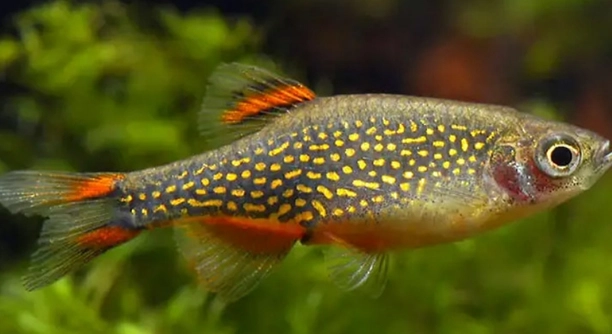
Do you ever feel unsure about helping your new danios adjust to their aquarium environment, as they can react to changes that make their early moments in a new home feel stressful for some fish.
Minimizing shock in new danios relies on gradual acclimation that stabilizes temperature, limits rapid environmental shifts, and supports physiological adjustment. Maintaining consistent water parameters and introducing fish slowly into the tank reduces stress responses and encourages a smoother transition process.
These simple steps create a smoother start for sensitive fish while giving you clear direction to support stability during adjustment.
Understanding Stress in New Danios
New danios are sensitive to quick changes, and understanding this helps you give them steady care from the start. Their small size makes them react to shifts in temperature, light, and water quality, so gentle handling is important. When placed in a new tank, they may swim fast or hide as they settle into unfamiliar surroundings. Keeping the space around the aquarium calm supports a smoother adjustment. Stable conditions allow their bodies to adapt at a comfortable pace, reducing tension that can build during early hours in a new environment. Slow movements during tank work, quiet activity nearby, and consistent lighting help them feel secure. This early stability encourages healthier behavior and gives the fish time to recognize the aquarium as a safe place where they can rest, explore, and join the group without added strain that could affect their comfort during the first days.
Their stress response eases when the environment remains predictable, giving them a better chance to settle without pressure.
Giving them a gentle start reinforces stability and helps you understand what they need during this early phase.
Essential Acclimation Techniques
Proper acclimation begins with temperature matching, slow introduction, and careful monitoring to reduce unnecessary strain.
A controlled acclimation process supports long term stability for your danios. Start by floating the bag in the tank so temperatures equalize without rushing the shift. Add small amounts of tank water into the bag over several minutes, allowing their bodies to adjust at a safe pace. This reduces the shock that can occur when water chemistry or temperature changes too quickly. Once they are ready, transfer them gently without adding bag water to the tank. After release, keep lights dim and avoid feeding for a short period, giving them quiet time to adjust. Watching their behavior helps you recognize early signs of tension, letting you respond calmly and maintain comfort. Small steps like these create a smoother introduction and help your danios feel secure as they explore their new home.
Maintaining Stable Water Parameters
Keeping water parameters steady supports calmer behavior in new danios by reducing the strain caused by rapid shifts. Stable temperature, clean water, and balanced chemistry help their bodies adjust without tension, making each change easier to manage while lowering the chance of stress building during early settling for them overall.
Consistent care keeps your danios comfortable by limiting fluctuations that can overwhelm them. Test the water regularly to ensure stable pH, ammonia, nitrite, and nitrate levels. A gentle filter flow prevents sudden bursts of movement that might unsettle them during their early adjustment. Frequent small water changes are safer than large shifts because they maintain balance without placing pressure on their bodies. Use a reliable heater to avoid temperature swings that could heighten their tension. Keeping everything predictable allows your danios to adjust at a calm pace while staying safe in their new space as they settle into their environment.
Maintaining high water quality gives your danios a stable base that protects them from added strain. Avoid letting waste build up, since poor conditions can place extra stress on new fish trying to adapt. Keep your tank lightly stocked during these early stages so the biofilter can support the system effectively. Rinse filter media in tank water to preserve helpful bacteria that keep the environment balanced. Consistent routines keep everything steady for your danios, helping them feel safe while reducing the chance of shock caused by abrupt changes that may occur during their first days in the tank overall today.
Controlling Light and Noise
Reducing bright lights and sudden noise helps your danios settle without extra tension that could disrupt their early adjustment. Gentle lighting keeps them calm as they explore their new space. Keeping the room quiet prevents sudden reactions that might unsettle them while they gain confidence in their surroundings and support a more predictable setting that feels less intense for their sensitive nature. This steady approach encourages relaxed movement and helps them adjust with greater ease.
Managing light and sound carefully promotes a calmer transition for your danios as they settle into their new home. Sudden brightness can startle them, so keeping the aquarium lighting soft during their first hours reduces tension. Gradually increasing light levels helps them adjust without overwhelm. Loud noises, tapping on the glass, or fast movement near the tank can interrupt their instinct to explore at a comfortable pace. Keeping the area peaceful supports their ability to navigate the space and recognize it as secure. Covering the tank temporarily can help if they seem overly reactive. Allowing predictable patterns gives your danios time to build confidence while lowering the chance of shock. These thoughtful adjustments create a stable atmosphere that supports healthier settling in sensitive fish today.
Reducing Handling Stress
Limit direct handling to keep your danios calm during their early adjustment. Sudden movements or frequent netting can overwhelm them, so keep interactions minimal. Gentle, steady actions help them settle without added tension while their bodies adapt to the new environment at a comfortable pace.
Careful handling lowers the chance of panic that could lead to shock. Move slowly when working around the tank and avoid quick shifts that might startle them. Giving your danios time to settle without disruption supports healthier behavior and allows them to adjust with more ease.
Supporting Calm Tankmates
Selecting peaceful tankmates helps prevent unnecessary tension for new danios. Avoid pairing them with aggressive or fast fish that may chase or intimidate them during their early days. Calmer species create a steady environment that feels safe, allowing your danios to explore without pressure. Watching interactions closely during the first hours helps you ensure everyone behaves well together. If any fish seem too active or dominant, adjusting the setup early prevents long term stress. A gentle community encourages balanced behavior and reduces the chance of shock caused by constant stimulation or territorial displays that may overwhelm new arrivals.
Providing Hiding Areas
Adding plants or decorations offers safe spaces that help your danios feel secure. These quiet spots let them rest when tension rises, giving them control over their surroundings and easing their adjustment as they become familiar with the new tank.
How long does it take for new danios to adjust to a new tank?
New danios usually take a few days to a week to fully adjust, depending on water conditions and the tank environment. Stress can be minimized with stable parameters, gentle acclimation, and quiet surroundings. Observing their swimming patterns and behavior is the best way to track progress. Initially, they may hide or swim nervously, but as they grow familiar with the tank, their movement becomes calmer. Frequent monitoring of water temperature, pH, and ammonia levels ensures a safer adjustment. Proper care during this period can prevent early shock and supports long-term health. A predictable routine helps them feel secure and reduces tension during the first week.
What are the signs my danios are stressed after introduction?
Stress in new danios is usually visible through changes in behavior or appearance. They may dart around quickly, hide excessively, or cling near decorations. Loss of appetite is a common sign, and pale or faded coloration can indicate tension. Rapid gill movement or clamped fins are other warning signs that something in the tank is causing discomfort. Stress can also appear as lethargy, floating near the surface, or staying at the bottom for long periods. Observing these signals early helps you respond before the fish are affected long-term. Minor adjustments in light, water quality, and tank activity often help stressed danios feel more comfortable.
How often should I check water conditions for new danios?
Testing water parameters daily during the first week is recommended. Focus on temperature, pH, ammonia, nitrites, and nitrates. Sudden spikes or drops can overwhelm their small bodies and cause shock. Consistent monitoring lets you correct minor fluctuations before they escalate. Using a reliable water testing kit provides accurate readings. In addition to daily checks, small water changes help maintain stability without causing major shifts. Gradually adjusting parameters rather than making large changes protects sensitive fish. After the initial week, once danios appear calm and active, monitoring can shift to a regular schedule while still maintaining overall stability.
Can I feed my new danios immediately after introducing them?
It’s best to wait a few hours before feeding new danios. They need time to adjust to their surroundings without added stress. Feeding too soon may cause them to hide or avoid food. Start with small amounts once they seem more relaxed. Offer easily digestible foods like flakes or small pellets to reduce strain on their digestive system. Observing feeding behavior helps identify if they are comfortable. If they ignore food, give them extra time to settle and try again later. Proper feeding timing ensures they gain nutrients without increasing stress during the critical early period in a new tank.
Should I keep the lights on or off when introducing new danios?
Dim or soft lighting is recommended at first. Bright lights can startle them and increase stress. Gradually increasing light over a few hours or days helps them adapt. Avoid sudden changes in lighting that may cause rapid swimming or hiding. During the first few hours, covering part of the tank or using low-intensity lighting creates a calmer environment. Once they explore confidently and display normal swimming behavior, you can restore regular lighting schedules. Controlling light levels reduces tension and encourages comfortable adjustment, allowing new danios to recognize their tank as a safe space without added visual stress.
How important is tank decoration for reducing shock in new danios?
Decorations and plants provide hiding spots that give danios control over their environment. These areas allow them to rest, hide from perceived threats, and feel safe while they acclimate. Dense planting or gentle décor placement helps reduce panic and supports natural exploration at a comfortable pace. Open areas combined with hiding spaces allow fish to swim freely while still having a retreat if startled. Regular observation ensures that decorations do not block filtration or create unsafe spaces. Thoughtful arrangement improves comfort and lowers stress, giving new danios both security and room to adjust confidently to the new environment.
Can new danios be kept with other fish immediately?
It’s best to observe new danios alone or with calm species initially. Aggressive or fast-moving fish can intimidate them, increasing stress and risk of shock. Once they show steady swimming, normal feeding, and minimal hiding, gentle tankmates can be introduced. Avoid overstocking the tank to reduce tension during these early stages. Observing interactions closely ensures everyone adjusts safely. Using calm, non-territorial species creates a peaceful environment that encourages balanced social behavior. Gradually adding compatible fish gives your danios a better chance to settle without excessive stimulation or disruption from more dominant or aggressive inhabitants.
What should I do if a new danio appears sick or weak?
Immediate isolation in a quarantine or hospital tank is recommended to prevent spreading disease and reduce stress. Check water conditions carefully, as poor water quality often worsens health issues. Observe symptoms like faded color, clamped fins, labored breathing, or unusual swimming patterns. Providing clean, stable water and easily digestible food can help recovery. Avoid adding new stressors until the fish improves. Consulting a veterinarian or experienced aquarist may be necessary for serious conditions. Prompt response protects the overall health of your aquarium and supports a faster recovery for the new danio without exposing the rest of the tank to added strain or illness.
How can I maintain calm behavior long-term for danios?
Stable water conditions, proper feeding, gentle handling, and a predictable environment help maintain calm behavior over time. Avoid sudden changes in temperature, light, or tank activity that can trigger stress. Consistent routines reinforce safety and support active, healthy swimming. Providing enough space and hiding spots continues to reduce tension. Monitoring their behavior regularly allows you to detect early signs of stress. Balanced tankmates and steady care reinforce calm behavior while giving danios a reliable environment. Long-term stability ensures they thrive, displaying normal coloration, appetite, and activity levels without fear or shock from sudden changes in their habitat.
New danios are small and delicate fish, and their first days in a new tank can be stressful if care is rushed. Taking steps to minimize shock is important for their health and comfort. Gradual acclimation to the water, slow introduction, and stable conditions help their bodies adjust without strain. Even small changes in temperature, pH, or water chemistry can create tension, so keeping everything steady gives them a safer start. Observing their behavior carefully during this period helps you notice signs of stress early, allowing quick adjustments. Simple measures like floating the bag to match temperature, slowly mixing tank water, and providing hiding areas make a noticeable difference in how comfortable they feel. Reducing sudden movements and keeping the environment calm encourages relaxed swimming and exploration. Over time, these small precautions build confidence and trust in the new surroundings.
Maintaining water quality is another essential factor. Clean water with balanced pH, ammonia, nitrite, and nitrate levels reduces tension on their bodies and supports proper physiological adjustment. Frequent, small water changes are safer than large shifts, and monitoring with a reliable test kit ensures stability. Using a gentle filter flow and a heater to prevent sudden temperature swings helps the fish avoid unnecessary stress. Adding decorations, plants, and gentle hiding spots provides comfort and control over their environment. Calm tankmates and careful handling further reduce the chance of shock. By combining steady water conditions with thoughtful tank setup, your danios are able to explore, feed, and settle more confidently. Healthy routines like this encourage longer-term resilience and reduce the likelihood of stress-related health issues.
Feeding and light schedules also affect how well new danios adapt. Waiting a few hours before offering food and choosing easily digestible options helps them focus on adjusting rather than feeling overwhelmed. Soft or dim lighting in the early hours allows them to become familiar with the tank without unnecessary visual stress. Gradually returning to regular light levels and predictable feeding routines establishes comfort. Observing their interactions, behavior, and response to minor adjustments helps you maintain a calm, stable environment. Over time, this careful approach builds a strong foundation for their health and wellbeing. Paying attention to these factors ensures that your new danios can thrive, moving confidently and actively through their new home while avoiding the strain and shock that often occurs when early care is rushed or inconsistent.

Hello,
If you enjoy the content that we create, please consider saying a "Thank You!" by leaving a tip.
Every little bit helps us continue crafting quality advice that supports the health, happiness, and well-being of pets around the world, for pets of all shapes, sizes, and species.
We really appreciate the kindness and support that you show us!