
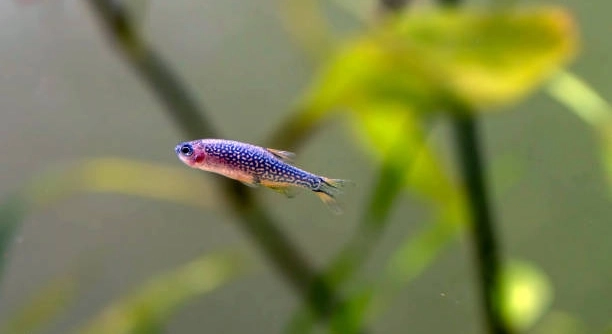
Watching Danios can be a calming hobby, yet knowing the best times to observe them can enhance your enjoyment. These small, active fish display different behaviors throughout the day, and timing your observations can make all the difference.
The seven best observation times for Danio tanks are early morning, mid-morning, late morning, early afternoon, late afternoon, evening, and night. Each period highlights unique behaviors, feeding patterns, and social interactions, providing a complete understanding of the fish’s daily activity.
Observing your Danios at these key times can reveal fascinating behaviors and help maintain a healthy, well-monitored aquatic environment.
Early Morning Activity
In the early morning, Danios are often the most active in the tank. The moment the lights turn on, they begin swimming energetically, exploring their surroundings, and interacting with each other. This is the best time to observe natural behaviors before feeding. Many fish display more coordinated swimming patterns at this hour, making it ideal for studying their social interactions. Watching them glide through plants, dart between decorations, and explore corners can reveal their personalities. The early morning also offers a quieter environment, as other household activities have not started. Observing Danios now allows you to notice subtle differences between individuals, such as preferred swimming routes or resting spots. This time is useful for monitoring overall health, checking for signs of stress, and ensuring that each fish moves freely. Early observations can inform adjustments to tank conditions, including water flow and temperature, which may influence their daily behavior patterns. Keeping track of morning activity establishes a baseline for healthy fish routines.
Early morning is ideal for noticing Danios’ natural behavior before feeding disturbances begin.
Consistently observing your fish at this time builds an understanding of their normal activity levels. Over time, you can spot early signs of illness or stress, such as lethargy, abnormal swimming, or unusual hiding behavior. Morning observation also helps monitor how fish interact with each other in a calm environment. Adjusting feeding schedules or tank enrichment may improve their activity. These insights support a healthier, more dynamic tank, allowing the fish to thrive in conditions that closely mimic their natural habitat. Careful early morning observation ensures you catch issues before they escalate, supporting long-term well-being and optimal behavior for each Danio in the tank.
Mid-Morning Observation
Mid-morning brings slightly less frantic activity than the early hours. Fish often settle into more predictable swimming patterns.
During this period, Danios may begin to focus on feeding cues and exploration within familiar areas. Observing them mid-morning can reveal preferences for certain spots, social hierarchy, and interactions around plants or decorations. Fish that were shy in the early morning may become more confident, and you can notice which individuals lead group movement or dominate food access. This time is excellent for noting feeding responses without the rush of peak morning activity. Behavior patterns at mid-morning can also indicate tank comfort and compatibility, helping you adjust decorations or hiding spaces. Documenting mid-morning routines offers insights into stress levels, adaptability, and social dynamics, supporting a healthier tank environment. Over weeks, these observations build a reliable profile of each Danio’s personality, movement habits, and interactions, making it easier to detect subtle changes in behavior that may indicate health issues.
Late Morning Activity
Late morning is often calmer, with Danios showing steady swimming and occasional resting. They explore the tank in small bursts, moving between plants and decorations while interacting lightly with each other.
At this time, fish begin to show individual preferences for spaces and routines. Some Danios may linger near the surface, while others hover around plants or near the substrate. This period is helpful for monitoring subtle behaviors that might be missed during the more energetic early morning or mid-morning activity. Observing these patterns provides insight into territorial tendencies and comfort zones. Feeding at this time can show which fish are more assertive or slower to react, helping balance diet distribution. Regular late-morning observation allows for detecting minor health changes, such as reduced swimming stamina or hiding tendencies, supporting proactive tank management and ensuring all fish remain active and healthy.
Tracking late-morning activity helps identify individual personalities and patterns, creating a detailed picture of your Danios’ daily behavior.
Early Afternoon Observation
Early afternoon often brings a quieter, more relaxed tank environment. Fish move slowly and may cluster in shaded or cooler areas of the tank. Plants and decorations become focal points for resting and minor exploration.
During this period, Danios exhibit calmer behavior, making it easier to observe social hierarchies and preferred locations. Fish that were active in the morning may take short rests or engage in gentle schooling. This is a good time to check for signs of stress, such as excessive hiding or floating near the surface. Watching feeding responses during early afternoon helps ensure all fish access food evenly, and subtle differences in behavior can be noted. Documenting activity now allows you to adjust tank lighting, temperature, or decoration placement to optimize comfort. Consistent early-afternoon observation creates a baseline for healthy routines and identifies early behavioral changes.
Late Afternoon Activity
Late afternoon shows a noticeable increase in Danios’ movement. Fish swim more actively, often exploring open areas of the tank and engaging with each other around plants or decorations.
This is a prime time for observing social interactions. Hierarchies are clearer, and dominant fish may assert themselves during feeding or swimming.
Evening Behavior
Evening brings a shift toward calmer activity. Danios begin to slow down as tank lighting dims. Fish cluster near resting spots or slowly swim around familiar areas. Observing this time helps identify how fish prepare for rest and ensures that all individuals have access to safe, comfortable spaces for nighttime.
Night Observation
At night, Danios typically rest, with minimal movement. Lights off creates a quiet environment where fish show natural resting behaviors.
FAQ
How often should I observe my Danios?
Observing your Danios once or twice a day is usually enough to monitor their health and behavior. Consistent daily observation helps you notice changes in activity levels, eating habits, or signs of stress early, allowing adjustments to tank conditions before issues become serious.
Is it normal for Danios to hide during certain times?
Yes, Danios often seek shelter when they feel stressed, during feeding pauses, or in less active periods like late afternoon or night. Providing plants, decorations, and hiding spots helps them feel secure and reduces stress-related behaviors.
Can observing behavior indicate health problems?
Absolutely. Lethargy, unusual swimming patterns, or reduced interaction with other fish can signal illness. Watching behaviors across different times of the day helps identify abnormalities early, improving chances for successful treatment.
Why do Danios move more in the morning?
Morning activity is natural for Danios. The first light triggers feeding instincts and exploration. They use this time to establish territories, interact socially, and assess their environment. Morning observation reveals energy levels and social hierarchy more clearly.
Should I feed Danios at each observation time?
Feeding too often can overfeed them. Observations should not always include feeding. Focus on watching natural behaviors. Feed once or twice daily, adjusting quantity to prevent leftover food, which can affect water quality.
Do Danios behave differently in groups versus alone?
Yes. Danios are social fish and display more activity in groups. Solitary fish often appear stressed or timid. Observing them with companions provides a better understanding of normal behavior, social interactions, and swimming patterns.
How can I tell if my Danios are stressed?
Signs of stress include hiding excessively, erratic swimming, loss of appetite, and color fading. Observing at different times helps detect these signs. Stress often relates to water conditions, tank setup, or overcrowding, all of which can be adjusted to improve well-being.
What is the benefit of observing Danios at night?
Night observation allows you to see resting behaviors. Minimal movement indicates that fish feel safe and comfortable. Changes in nighttime patterns, like excessive swimming or restlessness, may indicate stress, illness, or disturbances in tank conditions.
Do Danios interact with tank decorations?
Yes, they explore plants, rocks, and ornaments regularly. Observing these interactions shows preferences for hiding or resting spots, social play, and territory marking. It also helps identify areas that may need adjustment for safety or enrichment.
How can I track behavioral changes effectively?
Keeping a simple log of observation times, activity levels, feeding response, and social interactions helps track patterns. Over weeks, this record highlights gradual changes, allowing early intervention if abnormal behaviors or health issues appear.
Is it necessary to adjust lighting for observation?
Lighting affects visibility and behavior. Daylight-mimicking lighting encourages natural movement. Dim lighting for evening observation allows you to see resting behaviors without disturbing fish. Consistent lighting cycles support healthy activity rhythms and reduce stress.
Can observing Danios help with breeding readiness?
Yes. Monitoring interactions, energy levels, and courtship behaviors helps determine when fish are ready to breed. Observations at morning and mid-morning are particularly revealing, as these are periods of peak activity and social interaction.
What are the signs of a healthy Danio?
A healthy Danio swims actively, interacts with tank mates, responds to feeding, and maintains vibrant coloration. Observing these behaviors at different times of day confirms overall well-being and highlights any gradual changes that may need attention.
How does water temperature affect behavior?
Danios are sensitive to temperature. Cooler water slows movement, while warmer water increases activity. Observing patterns throughout the day can indicate if temperature fluctuations affect energy levels, feeding, or social behavior.
How long should each observation session last?
Observation sessions of 5–10 minutes are typically sufficient. Short, regular sessions provide a clear picture of daily behaviors without stressing the fish. Multiple brief observations across key times of day are more informative than one long session.
Can observation reduce aggression in the tank?
Yes. Watching interactions helps identify dominant fish and potential conflict zones. Adjusting tank layout, providing hiding spaces, or separating overly aggressive fish can prevent stress and maintain a balanced environment.
Do Danios have favorite areas in the tank?
Yes. They often return to preferred spots near plants, corners, or decorations. Observing these patterns indicates comfort zones, social territories, and resting areas, which can guide adjustments for a more supportive tank environment.
How important is observation for long-term care?
Regular observation is essential. It ensures early detection of illness, stress, or behavioral issues. Understanding daily rhythms and social dynamics leads to better tank management, healthier fish, and a more enjoyable experience caring for Danios.
Can observation improve feeding strategies?
Yes. Watching how each fish responds to food helps tailor feeding amounts and timing. Observing interactions during feeding prevents dominant fish from monopolizing food and ensures all fish receive proper nutrition.
Should observation vary by season?
Seasonal changes can affect water temperature, lighting, and fish activity. Observing behavior consistently during different seasons helps detect shifts and allows adjustments to maintain stable, comfortable tank conditions year-round.
Final Thoughts
Observing Danios throughout the day is more than a routine; it is a practical way to understand their behavior and ensure their health. Each time period highlights different aspects of their daily activity, from energetic early mornings to restful nights. By paying attention to these patterns, you can identify normal behavior, social interactions, and individual preferences. Watching them closely also helps detect signs of stress or illness early, such as reduced movement, hiding, or changes in coloration. Monitoring these subtle behaviors over time allows adjustments to tank conditions, feeding schedules, and environmental enrichment, all of which contribute to a healthier and more comfortable habitat. Regular observation also deepens your understanding of the fish’s natural tendencies, showing how they interact with one another, explore their environment, and respond to changes.
Creating a consistent observation routine does not require long periods of time but benefits both the caretaker and the fish. Even short sessions of five to ten minutes can reveal a lot about their social structure and daily rhythms. Early morning, mid-morning, and late morning sessions provide insight into their energetic phases, while afternoon and evening observations show resting behavior and interaction with the tank environment. Nighttime checks, without disturbing the tank, reveal natural resting patterns and confirm that the fish feel secure. Maintaining this regular schedule allows for immediate responses to any unusual activity, helping prevent minor issues from becoming serious problems. It also provides a record of daily behavior, which is useful for tracking long-term changes or for planning adjustments to the tank layout, plants, or decorations to suit their needs.
Ultimately, observing Danios is an ongoing process that combines attention, patience, and consistency. Over time, you will notice patterns that indicate the general health and mood of the fish. This awareness allows for better management of feeding, water quality, and social dynamics within the tank. Observing their behavior can also be rewarding in its own right, offering a quiet and engaging way to connect with the fish without direct interference. By understanding when they are most active, how they interact, and where they prefer to spend time, you create an environment that supports natural behavior and well-being. Thoughtful observation ensures the fish thrive while giving you insight into the nuances of their daily lives, making tank maintenance more informed, effective, and fulfilling.

Hello,
If you enjoy the content that we create, please consider saying a "Thank You!" by leaving a tip.
Every little bit helps us continue crafting quality advice that supports the health, happiness, and well-being of pets around the world, for pets of all shapes, sizes, and species.
We really appreciate the kindness and support that you show us!