
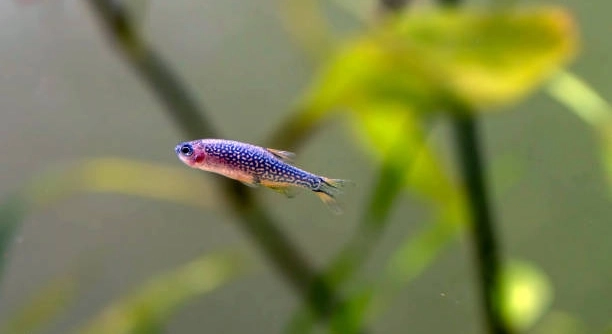
Have you ever cared for fish eggs and wondered how to keep them safe? Danio eggs need gentle handling, steady conditions, and a bit of patience to support healthy development in your aquarium at home.
Effective precautions for Danio eggs involve controlling water parameters, minimizing stress, and preventing fungal growth. Maintaining clean tanks, stable temperatures, and gentle water movement supports proper embryonic development while reducing mortality risks associated with contamination, fluctuating conditions, and aggressive tankmates.
Learning how these factors interact will help you create safer conditions that nurture stronger embryos and support more predictable outcomes.
Keep the Water Clean and Stable
Maintaining clean and stable water is one of the most important steps when caring for Danio eggs, and it plays a quiet but steady role in how well they develop. These eggs are sensitive to debris, sudden shifts in temperature, and lingering waste that can collect in small spaces. A gentle filtration system helps remove unwanted particles without creating strong currents that may disturb the eggs. Keeping regular checks on ammonia, nitrite, and nitrate levels also gives you a clearer picture of what the eggs are experiencing each day. Simple actions like removing uneaten food, wiping away light film from the glass, and refreshing small amounts of water can prevent issues before they start. When the environment stays predictable and calm, the eggs respond with stronger growth and fewer complications. This careful attention will make the early stages smoother and support healthier fry once they hatch in their daily growth.
Regular observation helps you notice changes that may signal stress or imbalance. By paying attention to clarity, temperature, and subtle shifts in behavior around the eggs, you can make gentle adjustments that keep conditions steady and supportive throughout their early development, allowing them to remain safe during this delicate stage.
A stable environment also reduces the need for frequent interference, which helps the eggs remain undisturbed. Soft lighting, slow movement around the tank, and a predictable routine contribute to a calm space that supports normal development. When you limit sudden changes, the eggs can adapt more easily to everyday conditions. Consistent care encourages steady progress and reduces the risk of setbacks that come from rapid shifts in water quality or temperature. By focusing on gentle maintenance rather than constant correction, you create a setting where the eggs have the best chance to develop without unnecessary stress in their protected space.
Protect Eggs From Fungi and Predators
Fungi and aggressive tankmates can harm Danio eggs quickly, so early action is important. Using a breeding box or mesh divider keeps adults from reaching the eggs. Gentle aeration, clean water, and a small dose of approved antifungal treatment help reduce risks and maintain safer conditions throughout their early development.
Keeping Danio eggs safe from fungi and predators requires steady care that supports their delicate state. Fungal growth often appears when water becomes stagnant or contaminated, so maintaining good circulation is essential. A gentle air stone can provide enough movement to keep the water fresh without disturbing the eggs. Removing any eggs that turn opaque or show signs of decay also limits the spread of fungal spores. Predators in the tank, including adult Danios, may eat the eggs if given access, which is why physical barriers are so helpful. A breeding box, mesh screen, or separate rearing tank keeps the eggs in a controlled area where they remain undisturbed. Regular water changes help dilute harmful organisms and waste that could weaken the eggs. Keeping the lighting soft and the area calm also reduces stress on the developing embryos. With these precautions in place, the eggs gain a stronger chance at healthy growth. Steady attention to cleanliness, gentle water movement, and separation from potential threats ensures that the fry have a solid start once they finally emerge from their shells. This careful support helps maintain consistent conditions that guide normal development and prevent common issues that often affect small freshwater eggs.
Maintain Proper Oxygen Levels
Keeping enough oxygen in the water helps Danio eggs develop without complications. Gentle aeration supports circulation and prevents stagnant pockets from forming. Consistent oxygen levels keep the eggs stronger, reduce early stress, and limit conditions that may encourage unwanted bacterial or fungal activity during their delicate growth.
Providing steady oxygenation supports clear water movement that reaches every corner of the breeding area. A small air stone creates soft currents that refresh the surrounding water without pushing the eggs around. This simple flow helps maintain stable temperature distribution and reduces the risk of weak spots forming in the tank. Healthy oxygen exchange also supports beneficial bacteria that break down waste. When the environment stays clean and predictable, the eggs remain safer. Watching for signs of sluggish movement or cloudiness in the tank can help you catch problems early. Regular care keeps everything balanced for the developing embryos.
Maintaining reliable oxygen levels also helps prevent harmful buildup of waste that may weaken the eggs. When oxygen is stable, the embryos experience fewer disruptions during their development. Using a sponge filter can enhance this stability by offering filtration and aeration in one gentle system. Avoid placing aeration devices too close to the eggs so the flow remains soft and supportive. Checking equipment daily ensures everything stays consistent and prevents sudden drops in oxygen. Stable conditions encourage smooth progress, helping the eggs grow stronger with fewer risks throughout their early stages.
Handle Eggs With Minimal Disturbance
Reducing movement around the eggs lowers stress and keeps them safer. Gentle handling helps prevent accidental damage and supports steady development. Avoid sudden tank changes, bright lights, or quick shifts in water flow that could interrupt their normal growth during this sensitive period.
Limiting disturbance creates a calm space where the eggs can develop without unnecessary strain. When you move slowly and keep lighting soft, the tank becomes more predictable for the embryos. Avoid tapping the glass or adjusting decorations once the eggs are settled. Any sudden motion may shift the eggs or expose them to unwanted changes in temperature or flow. If the tank needs cleaning, focus on small, controlled actions that do not disrupt the area where the eggs rest. Keeping external noise and vibration to a minimum also helps maintain stable conditions that support healthy development. This careful approach encourages steady growth and reduces complications caused by environmental stress.
Use a Separate Breeding Tank
Separating the eggs into their own tank keeps them safer and more stable. This space allows you to control water quality, temperature, and flow without interference from adult fish or active tankmates that may disturb or consume the eggs during early development.
A dedicated tank also limits contamination from leftover food, debris, or other fish waste. With fewer variables to manage, the eggs receive consistent care. Small, gentle adjustments are easier to make in a controlled space, helping you maintain ideal conditions that support steady and predictable growth.
Monitor Temperature Changes Carefully
Keeping temperature stable prevents stress that can slow development or increase risks. Sudden shifts can weaken the embryos, so checking your heater and thermometer daily helps maintain the gentle consistency Danio eggs need. When the environment stays steady, the embryos develop more reliably and face fewer complications linked to fluctuating conditions.
Remove Unfertilized Eggs Promptly
Removing unfertilized eggs helps reduce waste and prevents fungal spread. These eggs turn cloudy or opaque early, making them easy to spot. Clearing them out keeps the remaining eggs safer and supports cleaner, healthier water that encourages normal development with fewer sources of contamination.
FAQ
How long does it take for Danio eggs to hatch?
Danio eggs usually hatch within 24 to 36 hours under stable conditions. Temperature, water quality, and oxygen levels all influence timing. Warmer water speeds up development, while cooler water can slow it down. Observing the eggs daily helps you track progress and anticipate hatching.
Can I leave the eggs with adult Danios?
It is not recommended. Adult Danios may eat the eggs if given access. Using a breeding tank or a mesh divider ensures the eggs remain safe from predation and reduces stress caused by adult fish moving around the main tank.
How do I know if the eggs are fertilized?
Fertilized eggs are usually clear with a visible dark spot in the center, which is the developing embryo. Unfertilized eggs often become cloudy or opaque within a day. Removing these promptly prevents fungal growth and keeps the remaining eggs healthier.
What is the best water temperature for Danio eggs?
Maintaining water between 24°C and 28°C supports steady development. Sudden fluctuations outside this range can stress embryos and increase mortality rates. Using a reliable aquarium heater and thermometer allows you to keep conditions consistent.
Should I use any treatment to prevent fungus?
A mild antifungal solution or regular water changes can help prevent fungal growth. Avoid strong chemicals that could harm embryos. Gentle aeration and clean water are usually enough if the tank is well-maintained and unfertilized eggs are removed quickly.
How often should I check on the eggs?
Daily observation is sufficient. Check for changes in appearance, temperature, and water quality. Avoid frequent handling, which can stress the eggs. Gentle monitoring allows you to spot problems early without disturbing the developing embryos unnecessarily.
Is lighting important for egg development?
Soft lighting is ideal. Bright or sudden light changes can stress the eggs. Maintaining a calm, predictable environment with moderate lighting supports normal growth and reduces the likelihood of abnormalities during development.
Do I need to feed the eggs?
Danio eggs do not require feeding. Nutrients are contained within the yolk. After hatching, newly emerged fry will need infusoria or specialized fry food, but the eggs themselves only need clean, well-oxygenated water to develop properly.
Can water changes harm the eggs?
Water changes are necessary but should be done gently. Avoid strong currents that could move or damage the eggs. Replacing small amounts of water gradually keeps conditions stable while improving water quality and reducing the risk of fungal growth.
How do I handle the fry after hatching?
Once hatched, fry are delicate and need calm water with consistent temperature. They can be fed small live or prepared foods suitable for tiny fry. Avoid overcrowding, and continue monitoring water quality closely to ensure healthy early growth.
What signs indicate that eggs are not developing properly?
Cloudiness, discoloration, or the absence of visible embryos after 24 hours may indicate problems. Unfertilized eggs should be removed promptly. Keeping the tank clean and stable reduces the chances of fungal infections or developmental failures.
Can I reuse the breeding tank for another batch?
Yes, but it should be cleaned thoroughly first. Remove all debris, eggshells, and waste. Sterilize surfaces gently without harsh chemicals to provide a safe environment for the next batch of eggs. Consistency in conditions is key to repeated successful breeding.
How can I reduce stress for developing eggs?
Minimal handling, stable water parameters, soft lighting, and separation from adults all help reduce stress. Avoid sudden temperature changes or vibrations near the tank, as even small disturbances can negatively impact development and increase mortality rates.
Is it necessary to aerate the water for Danio eggs?
Light aeration is beneficial. It improves oxygen exchange and keeps water circulating gently. Avoid strong currents that could displace the eggs. Proper aeration combined with clean water supports steady growth and prevents stagnation that could encourage fungal or bacterial issues.
Can I use tap water for the eggs?
If properly treated to remove chlorine and chloramine, tap water is acceptable. Allow the water to reach the correct temperature and maintain stable conditions before introducing eggs. Using conditioned water ensures a safer environment for sensitive embryos.
What is the best way to remove dead eggs?
Use a small, gentle tool such as a pipette or soft net to pick out eggs that turn opaque or develop fungus. Removing them promptly prevents contamination and protects the healthy eggs from being affected by decaying material.
How often should I clean the breeding tank?
Light cleaning as needed is sufficient. Avoid disrupting the eggs while removing debris or leftover food. Focus on maintaining water quality with small, careful adjustments rather than frequent, large-scale cleaning, which could stress the embryos.
Can stress from frequent observation harm the eggs?
Yes. Handling or disturbing the tank too often can stress eggs and slow development. Gentle daily checks are enough. Reducing unnecessary movement around the tank creates a stable environment that promotes normal growth.
Is it normal for some eggs not to hatch?
Yes, it is common. Not all eggs are fertilized or develop properly. Removing unfertilized or dead eggs keeps the rest safe and allows you to focus on supporting the healthier embryos for successful hatching.
How do I prepare for the fry once they hatch?
Have a plan for feeding and water quality. Ensure the tank is calm and oxygenated, with appropriate live or prepared food ready. Gradually increase feeding as fry grow while continuing gentle care and consistent monitoring to support healthy development.
Final Thoughts
Caring for Danio eggs requires patience, attention, and a steady approach. These tiny embryos are sensitive to changes in their environment, and small adjustments can make a big difference in their development. Maintaining clean water, stable temperature, and gentle aeration provides a safe foundation for the eggs to grow. Avoiding sudden changes or disturbances ensures that the embryos remain healthy and reduces the risk of stress-related issues. Simple habits, such as removing unfertilized eggs and observing daily conditions, can have a large impact on overall success. Over time, these small actions build a controlled environment that supports proper growth and prepares the eggs for hatching with minimal complications.
Separation from adult fish or potential predators is another key factor in successful egg care. Keeping the eggs in a dedicated breeding tank or using a protective divider prevents accidental consumption and reduces unnecessary stress. This controlled space allows for better monitoring and makes it easier to manage water quality and oxygen levels. Gentle water circulation supports consistent oxygenation without disturbing the eggs, helping them develop steadily. By limiting environmental stressors and maintaining predictable conditions, you give the embryos the best chance to grow into strong fry. Attention to detail in these early stages often determines the health and survival of the young fish, making every careful step worthwhile.
Patience is essential when caring for Danio eggs. The process may feel slow at times, but maintaining a calm, consistent approach yields better results than frequent interventions or rapid changes. Observing the eggs carefully and providing stable conditions allows you to address problems early while minimizing unnecessary disruption. Understanding the basic needs of the embryos—clean water, stable temperature, gentle aeration, and protection from harm—creates a supportive environment for development. Over time, these practices become routine, helping ensure that the fry have a strong start. Paying attention to the eggs’ early needs not only supports successful hatching but also sets a foundation for healthy growth and long-term care as the young Danios mature.

Hello,
If you enjoy the content that we create, please consider saying a "Thank You!" by leaving a tip.
Every little bit helps us continue crafting quality advice that supports the health, happiness, and well-being of pets around the world, for pets of all shapes, sizes, and species.
We really appreciate the kindness and support that you show us!